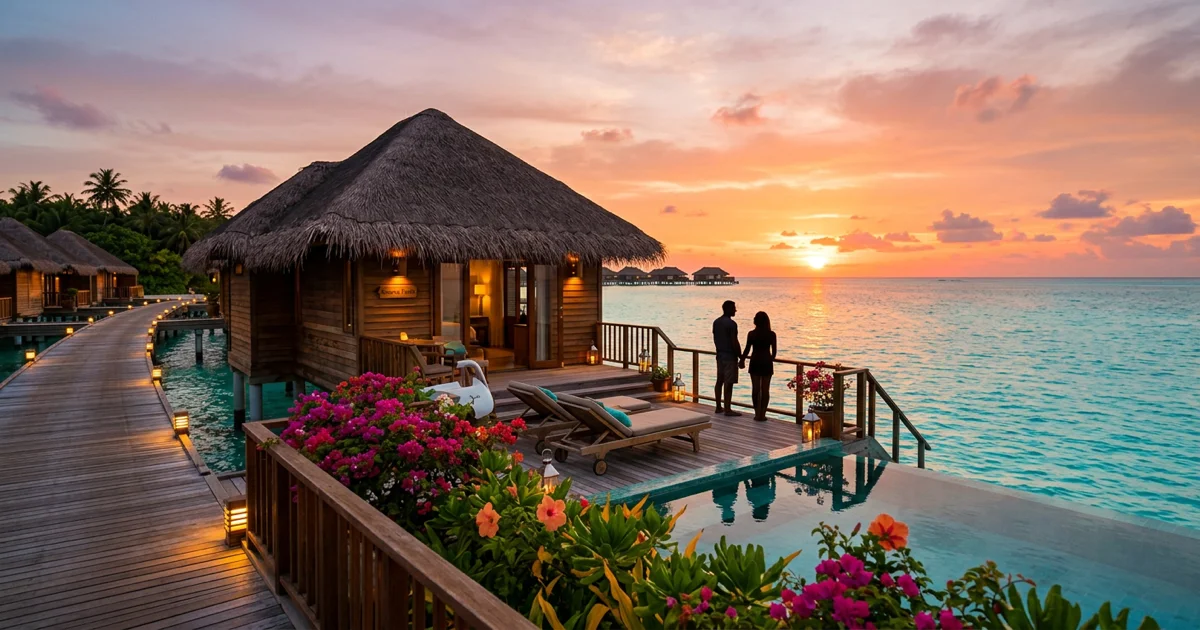
Planning a honeymoon is one of the most exciting parts of getting engaged. It is your first trip together as a married couple, and it deserves real thought and preparation. Whether you dream of lounging in an overwater bungalow in the Maldives or exploring ancient ruins in Italy, the process of turning that dream into a booked, budgeted, and packed trip takes several months of planning.
This guide walks you through every step of honeymoon planning in 2026, from choosing your destination and setting a realistic budget to booking flights, picking the right resort, and making sure your passport situation is sorted before you leave.
If you are new to trip planning in general, our step-by-step trip planning guide covers the fundamentals that apply to any type of travel.
When to Start Planning Your Honeymoon
Start planning your honeymoon 8 to 12 months before your wedding date. This gives you enough time to research destinations, compare prices, and lock in the best availability. If you are traveling internationally or visiting a high-demand destination during peak season, the earlier you start, the better your options will be.
That said, you do not need to have every detail figured out on day one. The first step is simply having an honest conversation with your partner about what you both want from the trip. Do you want relaxation or adventure? A single destination or multiple stops? A week or two weeks?
Right after getting engaged is a great time to start talking about your honeymoon vision, even if you are not ready to book anything yet. Many couples set up a honeymoon registry or honeymoon fund at this stage, which gives wedding guests a way to contribute toward your trip instead of buying physical gifts. Services like Honeyfund, Zola, and Joy let guests contribute to specific experiences like “sunset dinner cruise” or “spa day for two,” and in 2026, 68% of couples include at least one fund option on their wedding registry.
Mini-moon vs. delayed honeymoon: Not every couple leaves for their honeymoon right after the wedding. Many take a short “mini-moon” (a quick 2 to 3 day getaway to a nearby destination) right after the wedding to decompress, then plan their full honeymoon for a few weeks or months later. This approach lets you travel during a better season, avoid peak pricing, and actually enjoy the trip without post-wedding exhaustion dragging you down.
Choosing Your Honeymoon Destination
Your destination sets the tone for the entire trip. Before you start googling resorts, sit down together and talk about what kind of experience you want. Here are the main categories to consider:
Beach and relaxation: The classic honeymoon. Think white sand, crystal-clear water, and not much to do except swim, eat, and nap. The Maldives, Bora Bora, Hawaii, Turks and Caicos, and the Seychelles are the most popular beach honeymoon destinations. These trips are ideal if your wedding was exhausting and you just want to unplug.
Cultural exploration: If you and your partner love history, food, and walking through old cities, consider destinations like Italy, Greece, Japan, or Morocco. You will spend your days visiting landmarks, eating at local restaurants, and soaking in a culture that is different from home. Italy in particular is one of the top trending honeymoon destinations for 2026, with couples drawn to Southern Italy for its slow pace, lemon-tree lunches, and cliffside sunsets. For a detailed Italy planning guide, see our Italy trip guide.
Adventure: For couples who would rather go zip-lining than sit by a pool, destinations like Costa Rica, New Zealand, South Africa (for safari), Iceland, and Patagonia offer active honeymoons packed with hiking, wildlife, and outdoor activities.
City escapes: Paris, Tokyo, Barcelona, and New York are great for couples who love dining, shopping, nightlife, and cultural attractions. City honeymoons tend to be more fast-paced but offer endless things to do.
Hybrid trips: The biggest trend in 2026 honeymoons is the “contrasting honeymoon,” where couples spend a few days exploring a city or cultural destination, then move to a beach or resort for the second half of the trip. For example, a week in Rome followed by five days on the Amalfi Coast, or a few days in Bangkok followed by a week on a Thai island.
When choosing your destination, factor in post-wedding energy levels. After months of wedding planning, many couples are more tired than they expect. A 14-hour flight followed by a packed sightseeing schedule might not feel as appealing as it does right now. Build in buffer days and plan lighter than you think you need to.
Setting Your Honeymoon Budget
According to The Knot’s study of nearly 17,000 couples who married in 2024, the average honeymoon costs $5,300. Most couples spend between $3,000 and $8,000, with the typical trip lasting about seven days. Of course, a week in an overwater villa in Bora Bora will cost significantly more than a road trip through Portugal.
Here is how honeymoon budgets typically break down:
- Accommodation: 35% to 50% of your total budget. A standard hotel room in a popular destination runs $150 to $300 per night, while luxury resorts and overwater bungalows can hit $500 to $1,000+ per night.
- Flights: 20% to 35% of your budget. Domestic flights within the United States typically cost $300 to $800 per person. International flights range from $800 to $2,000+ per person depending on distance and timing.
- Food and dining: 15% to 30% of your budget. Fine dining at resort restaurants adds up quickly. All-inclusive resorts can help control this cost.
- Activities and excursions: 5% to 15%. Snorkeling tours, cooking classes, spa treatments, and guided excursions usually run $50 to $200 per person per activity.
Use our free travel budget template to track and plan your honeymoon spending from the start.
Ways to Save on Your Honeymoon
Honeymoon registries and funds: As mentioned above, services like Honeyfund and Zola let guests contribute cash toward your trip. The most effective approach is creating named experience sub-funds with specific prices (like “Sunset catamaran cruise, $120”) rather than a generic “honeymoon fund” ask, since specific items generate higher average contributions.
Credit card points: If you have been accumulating travel rewards, your honeymoon is the perfect time to cash them in. Many couples open a travel credit card 12 to 18 months before the wedding and use it for wedding expenses to rack up points for free flights or hotel nights.
Travel during shoulder season: Visiting popular destinations just before or after peak season can save you 20% to 40% on flights and hotels while still offering great weather. For example, visiting Greece in late September instead of July, or going to Thailand in November instead of January.
Book early: The earlier you book flights and accommodation, the more options you have and the better the prices tend to be. This is especially true for high-demand honeymoon resorts.
Best Honeymoon Destinations for 2026
These are the most popular and trending honeymoon destinations this year, based on booking data and industry reports:
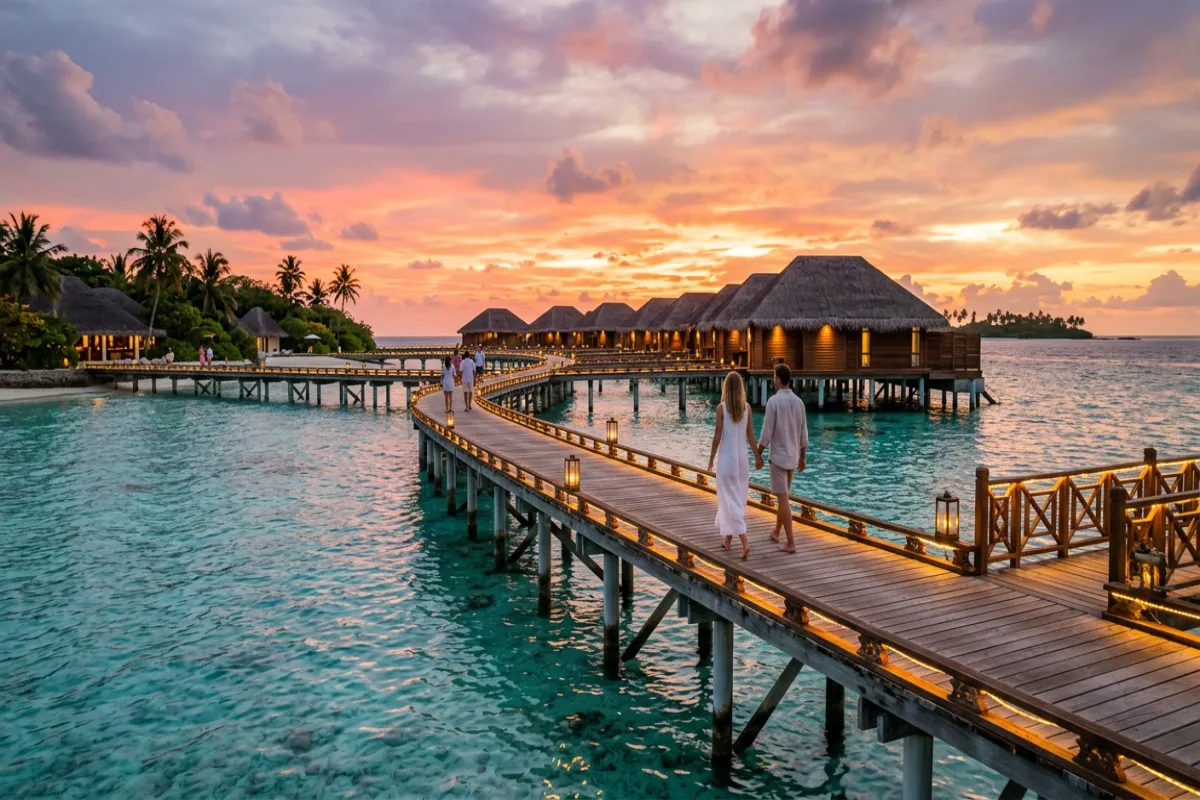
The Maldives: The gold standard for luxury beach honeymoons. Private overwater villas, house reefs for snorkeling right off your deck, and some of the clearest water on Earth. Expect to spend $400 to $1,200+ per night. Book 9 to 12 months ahead for the best villas.
Bali, Indonesia: A honeymoon destination that blends culture, adventure, and beach time at a fraction of the cost of the Maldives. Expect $100 to $300 per night for luxury villas. For planning details, see our Bali trip planning guide.
Italy: From the Amalfi Coast to Tuscany to Lake Como, Italy is the top European honeymoon destination in 2026. The food alone is worth the trip. Southern Italy is especially trending for its slower pace and lower costs compared to the north.
Santorini, Greece: Iconic white-washed buildings, caldera views, and spectacular sunsets. Santorini is compact enough to explore in 4 to 5 days, making it a great addition to a multi-stop Mediterranean honeymoon. See our Santorini trip planning guide for details.
Hawaii: The most popular domestic honeymoon destination for American couples. Maui is the classic choice for beaches and snorkeling, Kauai for dramatic scenery and hiking, and the Big Island for volcanoes and stargazing. No passport needed.
Bora Bora, French Polynesia: Famous for its overwater bungalows and lagoon views. This is one of the priciest honeymoon destinations, but for many couples, it is a once-in-a-lifetime splurge. Book overwater bungalows 12 or more months in advance, as they sell out quickly.
Thailand: Combines incredible food, beautiful islands, ornate temples, and very affordable prices. You can have a luxury two-week honeymoon in Thailand for what a single week costs in the Maldives.
Costa Rica: Perfect for adventure-loving couples. Rainforest hikes, zip-lining, hot springs, wildlife, and Pacific beaches all in one small country. The Guanacaste and Papagayo areas have excellent luxury resorts.
Paris, France: The “City of Love” remains a classic honeymoon choice. World-class dining, iconic landmarks, and an atmosphere that is hard to replicate anywhere else. Best paired with a few days in the French countryside or on the Riviera.
Safari in East or Southern Africa: Kenya, Tanzania, South Africa, and Botswana offer luxury safari lodges where you can watch lions, elephants, and giraffes from your private deck. Many safari lodges cater specifically to honeymooners with romantic touches like bush dinners and private game drives.
When to Go on Your Honeymoon
Your honeymoon does not have to start the day after your wedding. In fact, there are good reasons to wait:
Better weather: If your wedding is in December but you want a beach honeymoon in the Maldives, know that December through April is the dry season there. But if your wedding is in June, the Maldives will be in monsoon season. Delaying your honeymoon by a few months lets you travel during the ideal season for your chosen destination.
Lower prices: If your wedding falls during a peak travel period (summer, December holidays), flights and hotels will be at their most expensive. Waiting until shoulder season can save you thousands.
Better energy: After months of wedding planning and the emotional intensity of the big day, many couples are genuinely exhausted. Taking a mini-moon right after the wedding and saving the big trip for a month or two later means you will actually enjoy it instead of sleeping through it.
The mini-moon then full honeymoon approach is one of the biggest trends in 2026, with 28% of couples taking between one and two weeks for their honeymoon and many splitting that time between an immediate getaway and a later trip.
Booking Tips for Honeymooners
Consider a travel agent: For complex international honeymoons, a travel agent who specializes in honeymoons can be genuinely worth the cost. They know which resorts actually deliver on their promises, can negotiate upgrades, and handle logistics so you do not have to. Many honeymoon travel agents do not charge fees because they earn commissions from the resorts and airlines they book.
Always mention it is your honeymoon: When booking hotels, restaurants, and excursions, always let them know you are on your honeymoon. Many hotels offer complimentary room upgrades, welcome champagne, spa credits, or romantic turndown service for honeymooners at no extra charge. You will not get these perks if you do not ask.
Book popular accommodations early: Overwater bungalows in the Maldives and Bora Bora, top-rated safari lodges, and popular boutique hotels in places like Santorini and the Amalfi Coast should be booked 9 to 12 months in advance. These properties have limited inventory and sell out fast, especially during peak season.
Compare package deals: Many resorts offer honeymoon packages that bundle accommodation, meals, spa treatments, and excursions at a lower rate than booking everything separately. Compare the package price against individual component prices before committing.
Use our AI travel planner to quickly generate a day-by-day itinerary for your honeymoon destination, which you can then customize to your preferences.
All-Inclusive vs. Independent Travel
This is one of the biggest decisions you will make when planning your honeymoon. Both approaches have real advantages.
All-inclusive pros:
- Predictable costs. You pay one price and everything (meals, drinks, activities, sometimes even excursions) is included. No surprise bills.
- Zero planning stress. After months of wedding planning, the last thing many couples want is to figure out where to eat every night.
- Great value for food and drinks. If you plan to eat and drink well on vacation, all-inclusive resorts often save you money compared to paying per meal.
- High-quality honeymoon resorts in the Caribbean, Mexico, and the Maldives have elevated the all-inclusive model far beyond the buffet-and-pool stereotype.
Independent travel pros:
- Complete flexibility. Eat where you want, go where you want, change plans on a whim.
- More authentic experiences. You will interact with locals, discover hidden restaurants, and get a real feel for the culture in ways that resort stays rarely offer.
- Often cheaper for budget-conscious couples, especially in affordable destinations like Southeast Asia or Portugal.
- Better for multi-destination trips where you are moving between cities.
The hybrid approach: Many couples are choosing a mix in 2026. They spend the first part of their honeymoon exploring independently (renting a car in Tuscany, island-hopping in Greece) and then finish at an all-inclusive resort for a few days of pure relaxation. This gives you the best of both worlds.
What to Pack for Your Honeymoon
Pack lighter than you think you need to. You will likely buy things during the trip, and overpacking creates unnecessary stress, especially if you are moving between destinations.
Check dress codes: Many upscale resorts and restaurants have dress codes for evening dining. Men may need long pants and a collared shirt; women may need a dress or dressy separates. Check your resort’s policy before you leave so you are not caught off guard.
Adventure gear: If your honeymoon includes hiking, snorkeling, or other active excursions, pack appropriate footwear and clothing. Water shoes, a lightweight rain jacket, and quick-dry clothing are common needs.
Essentials: Sunscreen (reef-safe if you are near coral reefs), a good camera or phone with plenty of storage, chargers and adapters for international outlets, and any prescription medications you need.
Documents: Bring printed copies of your hotel confirmations, flight itineraries, and travel insurance policy in addition to having digital copies on your phone. Keep everything organized with our vacation itinerary template.
Do not overpack: A general rule for honeymoons is to lay out everything you think you need, then put half of it back. You will be glad you did when you are navigating airports, boat transfers, and hotel check-ins with minimal luggage.
Making Your Honeymoon Special
Your honeymoon is not just another vacation. Here are ways to make it feel truly memorable:
Surprise each other: Plan one surprise experience for your partner that they do not know about. It could be a helicopter tour, a private cooking class, a sunrise hot air balloon ride, or tickets to a show they have been wanting to see.
Book a couples spa treatment: Nearly every honeymoon destination offers couples massages and spa packages. Book one for the first or second day of your trip to help you both decompress after the wedding.
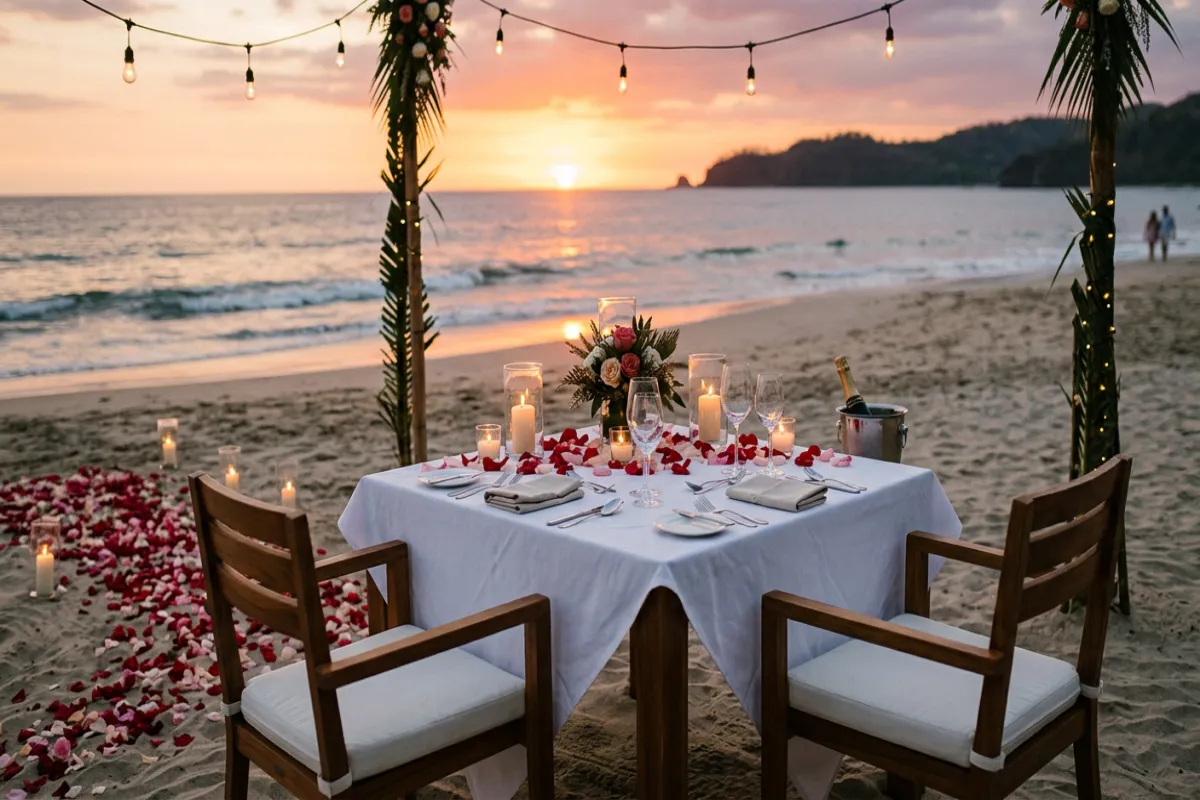
Sunset dinners: Research restaurants with exceptional views and book a sunset table in advance. Whether it is a cliffside restaurant in Santorini or a beachfront table in Bali, a well-planned dinner with a view creates a lasting memory.
Honeymoon suite vs. regular room: Honeymoon suites typically cost 30% to 50% more than standard rooms but often include extras like a private plunge pool, oversized bathtub, premium views, and complimentary champagne. Decide whether the upgrade is worth it based on how much time you plan to spend in the room.
Invest in photography: Consider booking a professional photographer for one session during your trip. A one-hour shoot at a scenic location costs $200 to $500 in most destinations and gives you stunning photos that you will cherish far longer than any souvenir.
Practical Tips You Should Not Skip
Travel insurance: For a trip this important and this expensive, travel insurance is not optional. A good policy covers trip cancellation, medical emergencies, lost luggage, and flight delays. Buy your policy within 14 days of making your first trip deposit to qualify for the maximum coverage benefits. Expect to pay 4% to 8% of your total trip cost for a comprehensive policy.
Passport name change timing: If you are changing your last name after the wedding, be aware that your passport must match the name on your airline ticket. You have two options: travel under your maiden name (book everything in your current legal name) or apply for an expedited passport renewal after the wedding. Name changes take 4 to 6 weeks for routine processing. Do not try to fly with mismatched documents. The simplest approach is to book your honeymoon tickets in your current name and worry about the name change after you return.
Tell your bank: Call your bank and credit card companies before you leave to let them know you will be traveling internationally. Otherwise, charges from an unfamiliar country may trigger fraud alerts that freeze your cards at the worst possible moment.
Jet lag management: If you are crossing multiple time zones, start shifting your sleep schedule 2 to 3 days before departure. Stay hydrated on the flight, avoid alcohol in the air, and try to get sunlight at your destination during local daytime hours. Plan lighter activities for your first day to give your body time to adjust.
Copies of everything: Scan or photograph your passports, visas, travel insurance policy, hotel confirmations, and credit cards. Store digital copies in a cloud service and email them to both of you so they are accessible from anywhere.
Sample Honeymoon Planning Timeline
Here is a month-by-month breakdown of when to handle each planning task:
9 to 12 months before the wedding:
- Discuss honeymoon vision with your partner (destination type, budget, timing)
- Set up a honeymoon registry or fund
- Check passport expiration dates (must be valid for at least 6 months after your return)
- Begin researching destinations
6 to 9 months before:
- Choose your destination and book accommodation
- Book flights
- Apply for visas if needed
- Purchase travel insurance
3 to 6 months before:
- Book excursions, tours, and special dining reservations
- Research restaurant options and make reservations at popular spots
- Plan your packing list
- Book airport transfers or rental cars
1 to 3 months before:
- Confirm all reservations
- Download offline maps and translation apps
- Notify your bank about international travel
- Get any required vaccinations
1 to 2 weeks before:
- Check in for flights online
- Print backup copies of all confirmations
- Start adjusting sleep schedule for time zone changes
- Do a final packing check
Honeymoon Planning Tools
These resources will help you plan and organize every detail:
- How to Plan a Trip – Our complete step-by-step guide for planning any type of travel
- AI Travel Planner – Generate a custom day-by-day itinerary for your honeymoon destination in seconds
- Vacation Itinerary Template – A free downloadable template to organize your trip details
- Travel Budget Template – Track every expense from flights to souvenirs
Frequently Asked Questions
How much does a honeymoon cost on average?
The average honeymoon costs $5,300 based on a study of nearly 17,000 couples. Most couples spend between $3,000 and $8,000 for a trip lasting about seven days. Luxury destinations like the Maldives and Bora Bora can easily push costs above $10,000.
How far in advance should I book my honeymoon?
Start planning 8 to 12 months before your wedding. Book flights 6 to 8 months ahead for international travel, and reserve high-demand accommodations like overwater bungalows 9 to 12 months in advance.
Should I go on my honeymoon right after the wedding?
Not necessarily. Many couples take a short mini-moon immediately after the wedding and save the full honeymoon for a few weeks or months later when they have more energy and can travel during a better season or at lower prices.
Is an all-inclusive resort worth it for a honeymoon?
All-inclusive resorts are worth it if you want zero planning stress and predictable costs. They are especially good value in the Caribbean and Mexico. For destinations like Italy or Japan where local food is a highlight, independent travel lets you explore more authentically.
Should I change my name on my passport before the honeymoon?
The simplest approach is to book your honeymoon in your current legal name and change your passport after you return. If you need the new name for your trip, apply for an expedited passport renewal immediately after the wedding, but routine processing takes 4 to 6 weeks.
Do I need travel insurance for my honeymoon?
Yes. Travel insurance is strongly recommended for honeymoons because the trip cost is usually significant. A policy covering cancellation, medical emergencies, and lost luggage typically costs 4% to 8% of your trip total. Buy it within 14 days of your first deposit for full benefits.
What is a honeymoon fund?
A honeymoon fund is a digital registry where wedding guests contribute money toward your trip instead of buying physical gifts. Platforms like Honeyfund, Zola, and Joy let you create specific experience items (like “cooking class in Tuscany”) that guests can fund.