
A weekend trip is one of the most underrated ways to recharge. You don’t need two weeks off or a plane ticket across the world. Sometimes 48 to 72 hours in a new place is all it takes to come back feeling like a different person. The trick is knowing how to plan a weekend trip that actually works, one where you don’t spend half your time stressed about logistics.
This guide covers everything you need to plan a weekend getaway in 2026, from picking the right destination to packing smart, budgeting realistically, and making the most of your limited time. Whether you are traveling solo, with a partner, or with a group of friends, these tips will help you pull together a great trip without overthinking it.
Why Weekend Trips Matter
You don’t always need a full vacation to feel rested. Research consistently shows that short breaks improve mental health, reduce burnout, and boost productivity when you return to your routine. A well-planned weekend trip acts like a mental health reset button.
Here is why weekend trips deserve a regular spot on your calendar:
- No PTO required. A Friday-to-Sunday trip means you can travel without burning vacation days. Leave after work on Friday, return Sunday evening, and you have not missed a single day at the office.
- Explore nearby destinations. Most people have dozens of interesting towns, parks, and cities within a few hours of home that they have never visited. Weekend trips are the perfect excuse to finally check them out.
- Affordable travel. Short trips naturally cost less. One or two nights of accommodation, a tank of gas or a short flight, and a few meals out. You can have a memorable experience for a fraction of what a week-long vacation costs.
- Frequent recharging. Instead of waiting all year for one big trip, you can take a weekend getaway every month or two. Frequent short breaks do more for your overall well-being than a single annual vacation.
If you have been putting off travel because you “don’t have the time,” a weekend trip proves otherwise. For a deeper dive into trip planning fundamentals, check out our complete guide on how to plan a trip.
Choosing Your Destination
The biggest mistake people make with weekend trips is picking a destination that is too far away. When you only have two or three days, travel time eats into your experience fast. Here is how to choose wisely:
The 2-to-4-Hour Drive Radius
Open a map and draw a circle around your home with a 2-to-4-hour driving radius. Everything inside that circle is a strong candidate for a weekend trip. At this distance, you can leave Friday evening and arrive in time for a late dinner. You are not exhausted from travel, and you have the full weekend ahead of you.
Quick Flights Under 2 Hours
If driving is not your thing, look for flights under two hours. Factor in airport time (arrive 90 minutes early for domestic), and you are still looking at roughly 3.5 hours door to door. That is manageable for a weekend, especially if you fly out Friday evening and return Sunday afternoon.
Don’t Waste Half the Weekend Traveling
A 6-hour drive each way on a 2-day trip means you spend more time in the car than at your destination. Unless the drive itself is the experience (a scenic road trip through wine country, for example), keep travel time under 4 hours each way.
Day Trip vs. Overnight
Not every weekend trip needs a hotel. Some destinations work perfectly as day trips, where you leave early in the morning, spend the day exploring, and return home that night. Save overnights for destinations that have enough to fill a full weekend or are far enough that driving back the same day would be tiring.
When to Go
Timing can make or break a weekend trip. The same destination can feel completely different depending on when you visit.
Avoid Holiday Weekends (Usually)
Memorial Day, Labor Day, Fourth of July, and other holiday weekends bring crowds and higher prices to popular destinations. Hotels charge premium rates, restaurants have long waits, and highways are packed. Unless you are specifically going for a holiday event, regular weekends are almost always better.
Shoulder Season Weekends
The weeks just before and after peak season offer the best combination of good weather, lower prices, and fewer crowds. For beach towns, that means late May or early October instead of July. For ski towns, try early December or late March instead of President’s Day weekend.
The Midweek-Plus-Weekend Combo
If you can take one day off work, a Thursday-to-Sunday or Friday-to-Monday trip gives you an extra day without using much PTO. That one extra day transforms a rushed weekend into a relaxed short vacation. In 2026, several federal holidays fall on Mondays, creating natural long weekends that are perfect for this approach.
Setting Your Budget
Weekend trips should be simple to budget for. You are dealing with a short time frame and fewer variables than a longer vacation.
The $200 to $500 Per Person Range
For most domestic weekend trips, expect to spend between $200 and $500 per person. That covers:
- Transportation: $30 to $80 for gas, or $100 to $250 for a short flight
- Accommodation: $80 to $200 per night (split with a travel partner to save)
- Food: $40 to $80 per day for a mix of dining out and casual meals
- Activities: $20 to $60 for entrance fees, tours, or experiences
You can go lower by camping, staying with friends, or choosing free activities like hiking. You can go higher with a luxury hotel or a tasting-menu dinner. But $200 to $500 covers a solid, enjoyable weekend for most travelers.
Save on Accommodation
One night versus two nights makes a big difference in your total budget. If you arrive late Friday and leave Sunday afternoon, you really only need one night of accommodation (Saturday night). That alone can cut your lodging costs in half. For help tracking your spending, try our travel budget template.
Eat Smart
You don’t need to eat every meal at a restaurant. Grab breakfast at a local bakery or coffee shop instead of a sit-down brunch. Hit happy hour specials for dinner instead of peak-hour dining. If your accommodation has a kitchen, stock up on snacks and breakfast supplies at a local market when you arrive.
Packing Light
Overpacking is the enemy of a good weekend trip. You are going for two or three days, not two weeks.
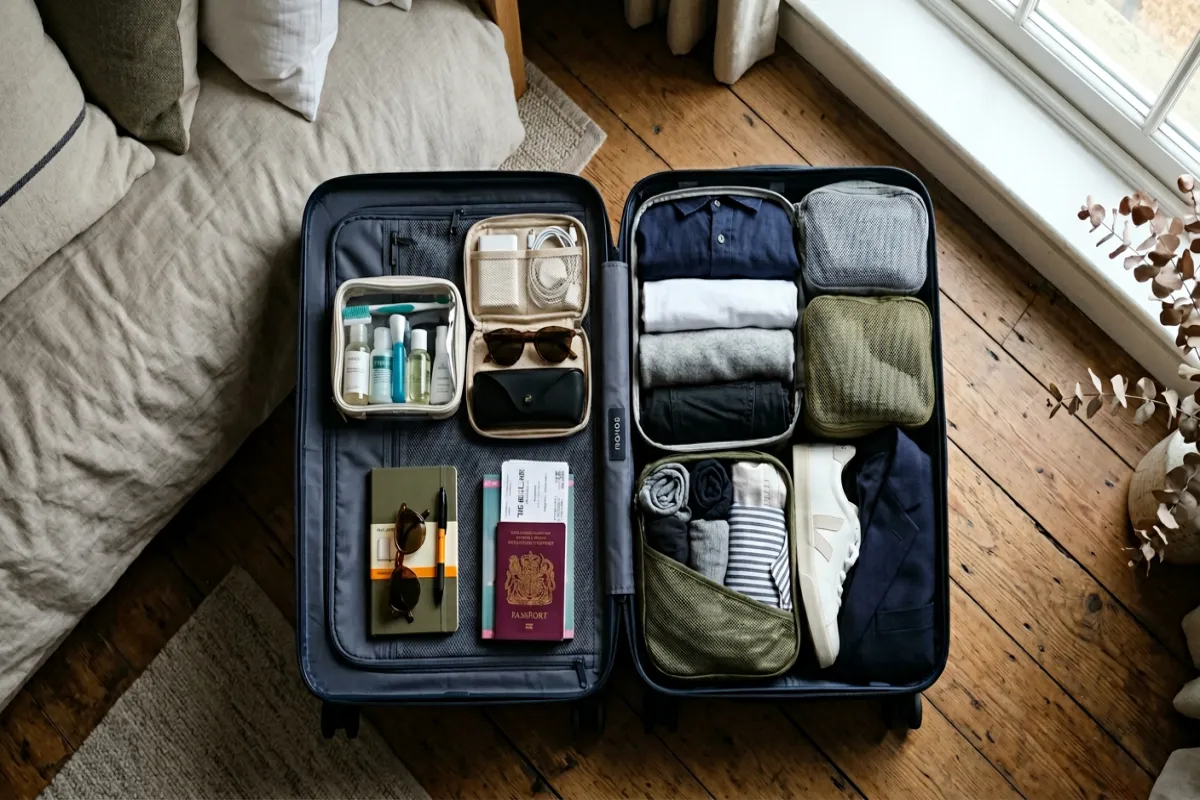
The One-Bag Rule
Challenge yourself to fit everything in a single carry-on bag or a small weekender duffel. This forces you to be intentional about what you bring and eliminates the hassle of checked luggage if you are flying. No waiting at baggage claim, no risk of lost bags, and you can walk straight from the plane to your destination.
The 2-Outfits-Plus-Layers Formula
Pack two complete outfits plus a layer for weather changes. Choose pieces in neutral colors that mix and match. Wear your bulkiest items (jacket, boots) during travel instead of packing them. For a weekend, this is more than enough.
Pre-Plan Your Outfits
Before you start packing, check the weather forecast and think about what you will actually be doing. Hiking requires different clothes than a city food tour. Lay out your outfits the night before you pack, and you will avoid throwing in “just in case” items that never leave the bag.
Toiletries: Go Minimal
Most hotels provide shampoo, conditioner, and soap. Pack only what they will not have: your specific skincare products, medications, and a toothbrush. Use travel-size containers or solid toiletry bars to save space.
Planning Your Itinerary
The best weekend trip itineraries follow one principle: less is more. You are not trying to see everything. You are trying to enjoy a few things well.
2 to 3 Activities Per Day, Maximum
On a full vacation, you might pack in four or five activities a day. On a weekend trip, stick to two or three. You need time to eat, travel between spots, and just wander around soaking in the atmosphere. Rushing through a checklist of attractions is a fast track to exhaustion.
One “Must-Do” Per Day
Pick one thing each day that is non-negotiable, the one experience you would be disappointed to miss. Everything else is a bonus. Maybe Saturday’s must-do is a particular restaurant, and Sunday’s is a scenic hike. Build your day loosely around that anchor.
Leave Room for Spontaneity
Some of the best travel moments are unplanned: a street musician you stop to listen to, a side street that leads to a hidden courtyard, a local who recommends their favorite taco stand. If every minute is scheduled, you miss these opportunities. Block off at least a few hours of “free time” each day.
Don’t Replicate Your Regular Week
If you spend your workweek sitting at a desk, don’t plan a weekend of sitting in restaurants and museums. If your job is physically demanding, don’t plan a weekend of intense hiking. A good weekend trip should feel different from your everyday life.
Need help structuring your time? Our weekend itinerary template gives you a simple framework to organize your days without over-planning.
Choosing Your Accommodation
Where you stay shapes the entire trip. Here is how to think about your options:
Hotels: Convenience and Consistency
Hotels work well when you want a reliable, hassle-free experience. You know what you are getting: a clean room, daily housekeeping, and usually a central location. For one-night stays especially, hotels are hard to beat. You check in, drop your bag, and head out exploring.
Vacation Rentals: Space and Character
Airbnb and similar platforms shine when you want more space, a kitchen, or a unique setting. A cabin in the mountains, a loft in a historic building, or a cottage near the beach can make the accommodation part of the experience rather than just a place to sleep.
Book Early for Popular Weekends
If you are visiting a destination during a festival, sporting event, or peak season weekend, book your accommodation as early as possible. Waiting until the last minute for popular weekends means paying premium prices or settling for whatever is left.
Location Over Luxury
For a weekend trip, location matters more than amenities. A modest hotel in the center of town beats a luxury resort 30 minutes away. You have limited time, and every minute spent commuting to and from your hotel is time you could be exploring.
Types of Weekend Trips
Not all weekend trips are created equal. Knowing what type of trip you want helps you plan more effectively.
City Break
Explore a nearby city you have never visited (or one you know well but want to revisit). Focus on a specific neighborhood, a food scene, or a cultural event. Cities like Chicago are perfect for this. Great restaurants, walkable neighborhoods, and always something going on.
Nature Escape
National parks, state parks, lakeside cabins, or mountain retreats. The goal is to disconnect from screens and reconnect with the outdoors. Hiking, kayaking, campfires, and stargazing.
Beach Weekend
Simple and restorative. Pack a book, sunscreen, and a beach towel. The itinerary is the ocean.
Food and Wine Trip
Visit a wine region like Napa Valley, a city known for its food scene, or a town hosting a food festival. Plan around meals, tastings, and market visits.
Adventure Weekend
Skiing, rock climbing, mountain biking, white-water rafting, or zip-lining. Pick one main activity and build the weekend around it.
Spa and Wellness
Book a spa resort or a yoga retreat. The entire point is to slow down, so resist the urge to fill the schedule. Massages, hot springs, meditation, and long walks.
Cultural Immersion
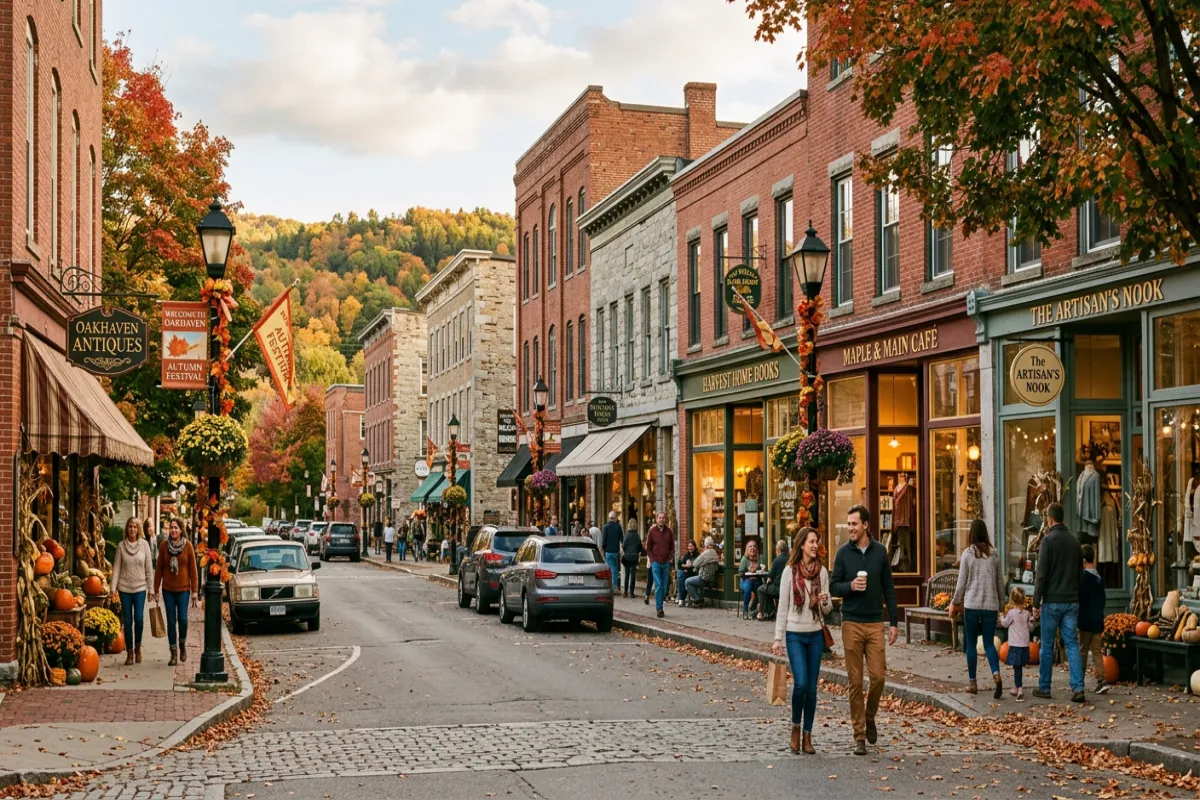
Visit a town with a strong cultural identity. Attend a local festival, tour historic sites, visit galleries, or catch live music. These trips work best when you research local events happening during your visit.
Making the Most of Limited Time
The difference between a good weekend trip and a great one is how you use the edges of your time.
Leave Friday After Work (or Early Saturday)
If your destination is within driving distance, leave straight from work on Friday. Pack the car Thursday night so you can head out the moment you clock off. If you are flying, book a Friday evening flight. You gain an entire evening at your destination that you would otherwise spend at home.
If Friday departure is not realistic, leave early Saturday morning. Set your alarm, get on the road by 7 AM, and you can be at a destination 3 hours away before most people finish breakfast.
Come Back Sunday Afternoon, Not Sunday Night
Arriving home Sunday night at 10 PM after hours of driving means you start Monday already tired. Instead, plan to be home by 4 or 5 PM Sunday. You get the evening to unpack, do laundry, and ease back into your routine. The trip feels complete rather than cut short.
Batch Errands Before Leaving
Nothing ruins a trip faster than worrying about things you forgot to do at home. In the days before you leave, batch your errands: groceries for when you return, bills paid, laundry done, dishes clean. Coming home to a tidy house extends the relaxation of the trip.

Solo vs. Couples vs. Friends
Who you travel with changes how you should plan.
Solo Weekend Trips
Solo travel is the most flexible option. You eat when you want, explore at your own pace, and change plans on a whim. Solo trips require less planning because you are only coordinating with yourself. They are also excellent for recharging introverts or anyone who needs a break from their daily social demands.
Couples’ Weekend Getaways
Plan one splurge experience, a fancy dinner, a spa treatment, or a sunset boat tour, and keep the rest casual. Couples’ trips work best when both partners agree on the trip’s vibe ahead of time. Is this a relaxing trip or an active one? Answer that question first, and the rest of the planning falls into place.
Friends’ Weekend Trips
The more people involved, the less you should plan. Trying to coordinate detailed itineraries for a group of four to six friends is a recipe for frustration. Instead, agree on the destination and accommodation, pick one or two group activities, and let everyone do their own thing the rest of the time. Assign one person to handle the booking and have everyone Venmo their share in advance.
Practical Tips That Make a Difference
These small actions might seem minor, but they add up to a smoother trip.
- Gas up Thursday night. Starting your trip with a full tank means you can leave straight from work Friday without stopping. It is a small thing that saves 15 minutes and a lot of hassle.
- Pre-download playlists and podcasts. Cell service can be spotty on rural highways. Download your road trip playlist and a few podcast episodes before you leave so you are not stuck in silence.
- Meal prep for your return. Having a meal ready in the fridge for Sunday night means you don’t have to cook or order takeout when you get home tired. Future you will be grateful.
- Set an out-of-office on Friday afternoon. Even if you are not technically off, setting your out-of-office at 3 PM on Friday signals to coworkers that you are unavailable. It reduces the temptation to check email during your trip.
- Screenshot your reservations. Don’t rely on spotty Wi-Fi to pull up confirmation emails. Screenshot your hotel booking, restaurant reservations, and any tickets before you leave.
- Share your itinerary. Send a quick text to a family member or friend with where you are going and when you will be back. It takes 30 seconds and provides peace of mind for everyone.
- Check your car before a road trip. Tire pressure, oil level, and windshield washer fluid take five minutes to verify and can prevent a breakdown that ruins the whole weekend.
Sample Weekend Trip Planning Checklist
Use this timeline to stay on track. Start one week before departure.
7 Days Before
- Choose your destination and check the weather forecast
- Book accommodation if you have not already
- Book any flights or rental cars needed
- Make restaurant reservations for popular spots
3 to 4 Days Before
- Research 2 to 3 activities or attractions at your destination
- Download offline maps for your destination
- Check your packing list and wash any clothes you need
- Confirm all reservations (hotel, flights, restaurants)
1 to 2 Days Before
- Pack your bag (remember: one bag, 2 outfits plus layers)
- Gas up the car or confirm airport transportation
- Download playlists, podcasts, and audiobooks
- Do a quick grocery run for return-home meals
- Set your Friday afternoon out-of-office
Day of Departure
- Take out the trash and tidy up the house
- Double-check you have your ID, phone charger, and medications
- Screenshot all reservations and confirmations
- Share your itinerary with someone at home
- Leave on time and enjoy the trip
Planning Tools Worth Using
You don’t need a dozen apps to plan a weekend trip, but a few tools can streamline the process:
- Google Maps (Saved Places): Save restaurants, attractions, and your hotel to a custom map. It gives you a visual overview of everything and helps you plan efficient routes between stops.
- Google Flights: The best tool for finding cheap flights quickly. Use the “Explore” feature to see the cheapest destinations from your airport.
- Yopki AI Travel Planner: Our AI travel planner can generate a personalized weekend itinerary based on your interests, budget, and travel style. It takes the guesswork out of planning and gives you a starting point you can customize.
- Weather apps: Check the 7-day forecast before you pack. It sounds obvious, but many people forget and end up underdressed or overdressed.
- Splitwise or Venmo: Essential for group trips. Track shared expenses in real time so you are not doing awkward math at the end of the weekend.
Frequently Asked Questions
How far in advance should I plan a weekend trip?
One to two weeks is usually enough for a domestic weekend trip. If you are visiting during a popular event or holiday weekend, book accommodation three to four weeks ahead. For a spontaneous getaway with no specific plans, you can pull a trip together in a day or two.
Is it worth flying for a weekend trip?
Yes, if the flight is under two hours and reasonably priced. Factor in airport time (arriving 90 minutes early, plus travel to and from the airport) and compare the total travel time to driving. If flying saves more than two hours each way, it is worth it.
How do I plan a weekend trip on a tight budget?
Drive instead of fly, camp or stay with friends instead of booking a hotel, eat at local spots instead of tourist restaurants, and focus on free activities like hiking, beach time, or exploring a new neighborhood on foot. A great weekend trip can cost under $100 per person if you are creative.
What is the best day to leave for a weekend trip?
Friday after work is ideal for most destinations within a 2-to-4-hour drive. If you are flying, a Friday evening flight works well. For destinations further away, consider taking Friday off to give yourself a full three-day weekend.
Should I plan every hour of my weekend trip?
No. Over-planning is one of the most common weekend trip mistakes. Pick one or two must-do activities per day and leave the rest open. Some of the best experiences happen when you wander without an agenda.
What if the weather ruins my weekend trip plans?
Have a backup plan for indoor activities: museums, cooking classes, local food tours, spa visits, or simply finding a cozy cafe with a good book. Bad weather does not have to mean a bad trip. Some of the most memorable weekends happen on rainy days.
Start Planning Your Next Weekend Trip
The best weekend trip is the one you actually take. Don’t wait for the perfect destination, the perfect weather, or the perfect travel companion. Pick a place within a few hours of home, book a room, pack a small bag, and go.
Weekend trips are about breaking the routine, seeing something new, and coming back a little more refreshed than when you left. You don’t need a grand plan. You just need to leave.
Ready to start planning? Try our AI travel planner to generate a personalized weekend itinerary in minutes, or browse our complete trip planning guide for more detailed advice on every aspect of travel planning.