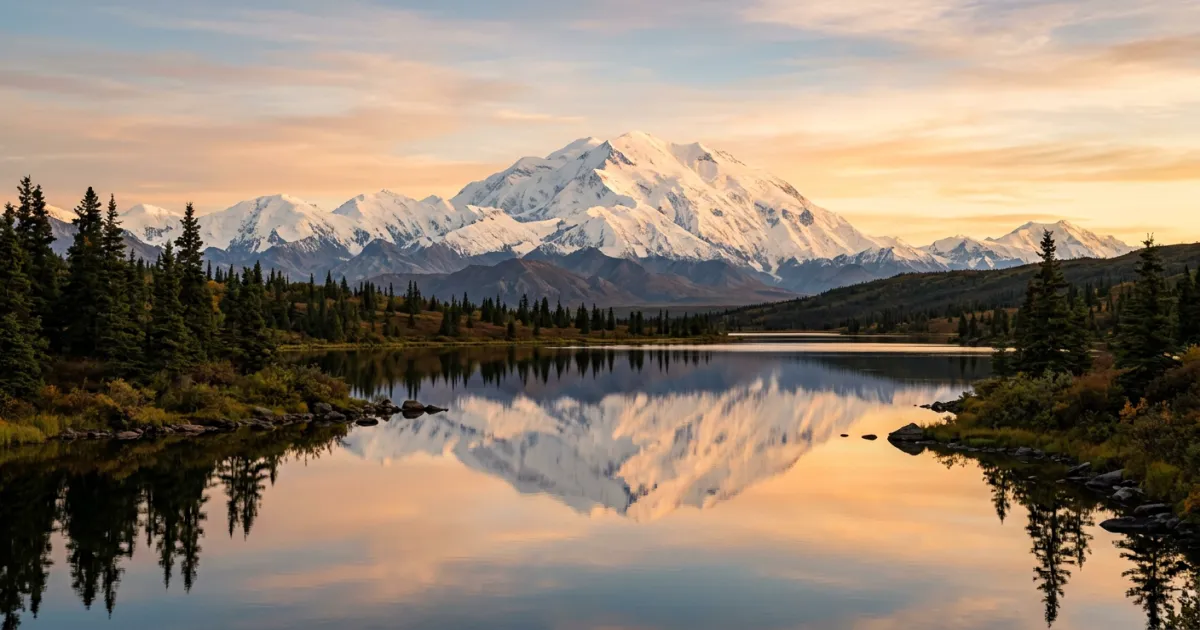
Alaska is the largest state in the U.S. by a staggering margin. At 663,300 square miles, it is more than twice the size of Texas and spans four time zones. From tidewater glaciers and temperate rainforests in the southeast to Arctic tundra in the north, planning a trip to Alaska requires understanding a state that operates on a completely different scale than anywhere else in the country. This guide covers everything you need to know for a 2026 visit, including timing, costs, transportation, wildlife, and a sample 10-day itinerary.
Quick Facts
| Detail | Info |
|---|---|
| State Size | 663,300 square miles (larger than Texas, California, and Montana combined) |
| Best Time to Visit | Mid-May through mid-September |
| Ideal Trip Length | 7 to 14 days |
| Daily Budget (Mid-Range) | $300 to $500 per person |
| Main Gateway Airport | Anchorage (ANC) |
| Time Zone | Alaska Time (AKST/AKDT), 1 hour behind Pacific |
| Summer Daylight | Up to 22 hours in Anchorage, 24 hours in Fairbanks (June) |
For help organizing your trip details, try our general trip planning guide or use the Yopki AI Travel Planner to build a custom itinerary.
Best Time to Visit Alaska
Alaska’s tourism season is compressed into a short window. Most visitors arrive between mid-May and mid-September, and for good reason. Outside of that window, many lodges close, roads become impassable, and ferry service is reduced.
Peak Season: June to August
This is when Alaska delivers its fullest experience. Daytime temperatures range from 55 to 75 degrees Fahrenheit in most areas, all parks and lodges are open, and wildlife viewing is at its best. June offers the longest daylight, with up to 22 hours of light in Anchorage and nearly continuous daylight in Fairbanks. July is the warmest month. August brings slightly shorter days but better salmon runs and fewer mosquitoes than June. The trade-off is cost and crowds. Hotels in popular areas book months in advance, and prices peak across the board.
Shoulder Season: May and September
Shoulder months offer real savings. Hotel rates drop 30 to 40 percent compared to peak summer, and popular tours are easier to book. Late May brings spring wildflowers and migrating birds. September is one of the best months for photography, with fall colors sweeping through Denali and the Interior. September also marks the start of Northern Lights season, as skies darken enough for aurora viewing. The downside: some seasonal lodges and tours close by mid-September, and weather becomes less predictable.
Winter: October to April
Winter Alaska is a different world. Fairbanks sees as few as 3.5 hours of daylight in December. But winter has its own appeal. The Northern Lights are visible from roughly late September through late March, with peak viewing from December through February. Dog sledding, ice fishing, and snowmobiling replace summer activities. Chena Hot Springs near Fairbanks is a popular winter destination. Just know that many roads, parks, and businesses close for the season.
How Long to Spend in Alaska
Alaska rewards longer trips. Distances are vast, and rushing between destinations means missing the point.
- 5 to 7 days: Enough for one region. Most people choose Anchorage plus Denali, or a cruise through the Inside Passage. You will feel the time constraint.
- 10 to 14 days: The sweet spot. You can combine two or three regions, build in flexibility for weather delays, and actually settle into the pace of the state.
- 3+ weeks: Ideal for travelers who want to reach remote areas like Kodiak Island, the Arctic, or the Aleutian Chain.
Use a vacation itinerary template to map out your days and keep logistics organized.
Alaska Trip Budget
Alaska is one of the most expensive destinations in the United States. Everything from food to fuel costs more because of the state’s remote location and limited supply chains. Here is what to expect in 2026.
Budget Breakdown by Travel Style
| Category | Budget ($150-$250/day) | Mid-Range ($300-$500/day) | Luxury ($800-$2,000+/day) |
|---|---|---|---|
| Lodging | Hostels, camping ($30-$80) | Hotels, B&Bs ($180-$350) | Lodges, resorts ($500-$1,200+) |
| Food | Groceries, simple meals ($30-$50) | Restaurants, mix ($60-$100) | Fine dining ($150+) |
| Activities | Hiking, free parks ($0-$30) | One paid tour/day ($80-$200) | Flightseeing, heli tours ($300-$600) |
| Transport | Shared rides, bus ($20-$40) | Rental car ($120-$200) | Private transfers, bush planes ($200+) |
Key cost notes: Gas costs $4.50 to $6.00 per gallon in Alaska, well above the Lower 48 average. Rental cars during summer run $100 to $200 per day depending on vehicle class and booking timing. A single flightseeing tour over Denali or a glacier can cost $300 to $500+ per person. Bear viewing day trips from Homer or Anchorage typically run $600 to $900 per person.
Track your spending with a travel budget template to avoid surprises.
Cruise vs. Land Tour: Which Is Right for You?
This is one of the biggest decisions in Alaska trip planning. Both options have clear strengths, and many travelers combine them.
Alaska Cruise (Inside Passage)
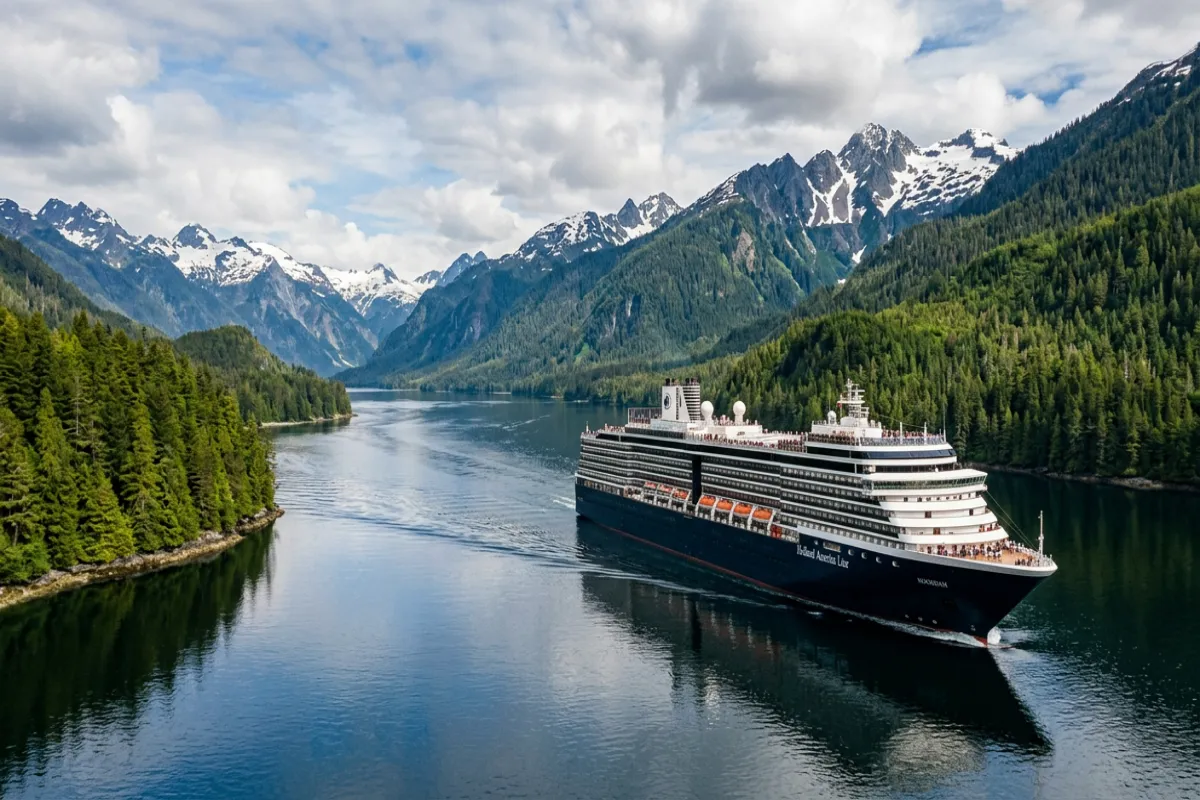
Most Alaska cruises sail the Inside Passage, a protected waterway running from Seattle or Vancouver through southeastern Alaska. Ships stop at ports like Juneau, Skagway, and Ketchikan, and many routes include glacier viewing at Glacier Bay or Hubbard Glacier.
Pros: Unpack once and let the ship do the work. Meals, lodging, and entertainment are bundled into the fare. You will see tidewater glaciers, whales, and coastal wildlife from the deck. Cruises are often the most cost-effective way to see multiple Alaskan ports.
Cons: You will not see interior Alaska from a cruise ship. No Denali, no tundra, limited bear and moose sightings. Port stops are typically 6 to 8 hours, which limits how deep you can explore each town. Peak season cruises sell out early.
Land Tour
A land-based trip gives you access to Alaska’s interior: Denali National Park, the Kenai Peninsula, Fairbanks, and beyond. You set your own pace and choose your own stops.
Pros: Full flexibility. You can linger at Denali for days, drive the Seward Highway, take a bush plane to Katmai, or stay at a remote fishing lodge. Land travel puts you closer to bears, moose, and caribou. Cultural experiences and small-town Alaska are more accessible.
Cons: More expensive overall. You handle your own lodging, meals, and transportation. Distances between destinations are significant. Driving from Anchorage to Denali takes about 4.5 hours. From Anchorage to Seward is 2.5 hours. Road conditions can be rough in remote areas.
Cruise-Tour Combination
Many cruise lines offer “cruise-tours” that combine a 7-day cruise with a 3 to 7-day land tour into the interior. This is an excellent option for first-time visitors who want to see both coastal and interior Alaska. Typical routes run from the Inside Passage to Denali via the Alaska Railroad.
Getting There and Getting Around
Flying In
Ted Stevens Anchorage International Airport (ANC) is the main gateway, with direct flights from Seattle, Minneapolis, Denver, Dallas, Chicago, and other major hubs. Fairbanks International Airport (FAI) serves as the gateway to interior and Arctic Alaska. Juneau (JNU) is the capital but is only accessible by air or sea, with no road connection to the rest of the state.
Rental Cars
A rental car gives you the most flexibility for exploring the road system. The main highways connecting Anchorage, Denali, Fairbanks, Seward, and Homer are paved and well-maintained. Book early for summer. Expect to pay $100 to $200 per day, and check whether your rental agreement allows driving on gravel roads (some do not).
Alaska Railroad
The Alaska Railroad runs from Seward through Anchorage to Fairbanks, with stops at Denali National Park. The Coastal Classic route from Anchorage to Seward is one of the most scenic train rides in North America, passing through mountains, along glacial valleys, and past wildlife. GoldStar service (first class) includes a domed observation car and meals. Book summer trains well in advance.
Alaska Marine Highway (Ferry System)
The state ferry system connects coastal communities from Bellingham, Washington, through the Inside Passage to ports across Southcentral Alaska. Ferries carry vehicles and passengers and offer an affordable alternative to cruises. The ride from Bellingham to Juneau takes roughly 2.5 days.
Bush Planes
Many of Alaska’s most spectacular destinations have no road access. Bush planes are the lifeline to places like Katmai National Park (bear viewing), Lake Clark, and remote lodges. Flights operate on small aircraft, often floatplanes, and schedules depend on weather. Expect to pay $300 to $800+ per person for round-trip bush plane access.
Where to Stay
Anchorage
Alaska’s largest city (population roughly 290,000) serves as the practical base for most trips. It has the widest selection of hotels, restaurants, and car rental agencies. Downtown Anchorage has mid-range hotels and walkable dining. The city sits between the Chugach Mountains and Cook Inlet, and you can spot moose on city trails. Summer hotel rates run $180 to $400 per night.
Fairbanks
The gateway to interior and Arctic Alaska. Fairbanks is the launching point for Denali from the north side, the Dalton Highway to the Arctic, and winter aurora viewing. Hotels are slightly cheaper than Anchorage. Chena Hot Springs Resort, about 60 miles outside the city, is popular year-round.
Juneau
The state capital, accessible only by air or sea. Juneau is the jumping-off point for Glacier Bay National Park and the Mendenhall Glacier. It is a common cruise port and has a compact, walkable downtown with hotels, restaurants, and the Alaska State Museum.
Wilderness Lodges
For a true Alaska experience, wilderness lodges offer guided fishing, bear viewing, hiking, and kayaking in remote settings. These range from rustic cabins to luxury all-inclusive properties. Expect $400 to $1,500+ per night, often including meals and guided activities. Popular lodge areas include the Kenai Peninsula, Katmai, Lake Clark, and Kodiak Island.
Must-See Destinations and Experiences
Denali National Park
Home to Denali (formerly Mount McKinley), the highest peak in North America at 20,310 feet. The park covers 6 million acres of wilderness. Only one road enters the park, and private vehicles are restricted beyond Mile 15. From there, you take park buses deeper into the backcountry. A bus ride to the Eielson Visitor Center (Mile 66) takes about 4 hours each way but offers some of the best wildlife viewing in the state. Grizzly bears, caribou, Dall sheep, wolves, and moose are commonly spotted. On a clear day, the view of Denali from the park road is unforgettable. Plan at least 2 to 3 days here.
Glacier Bay National Park
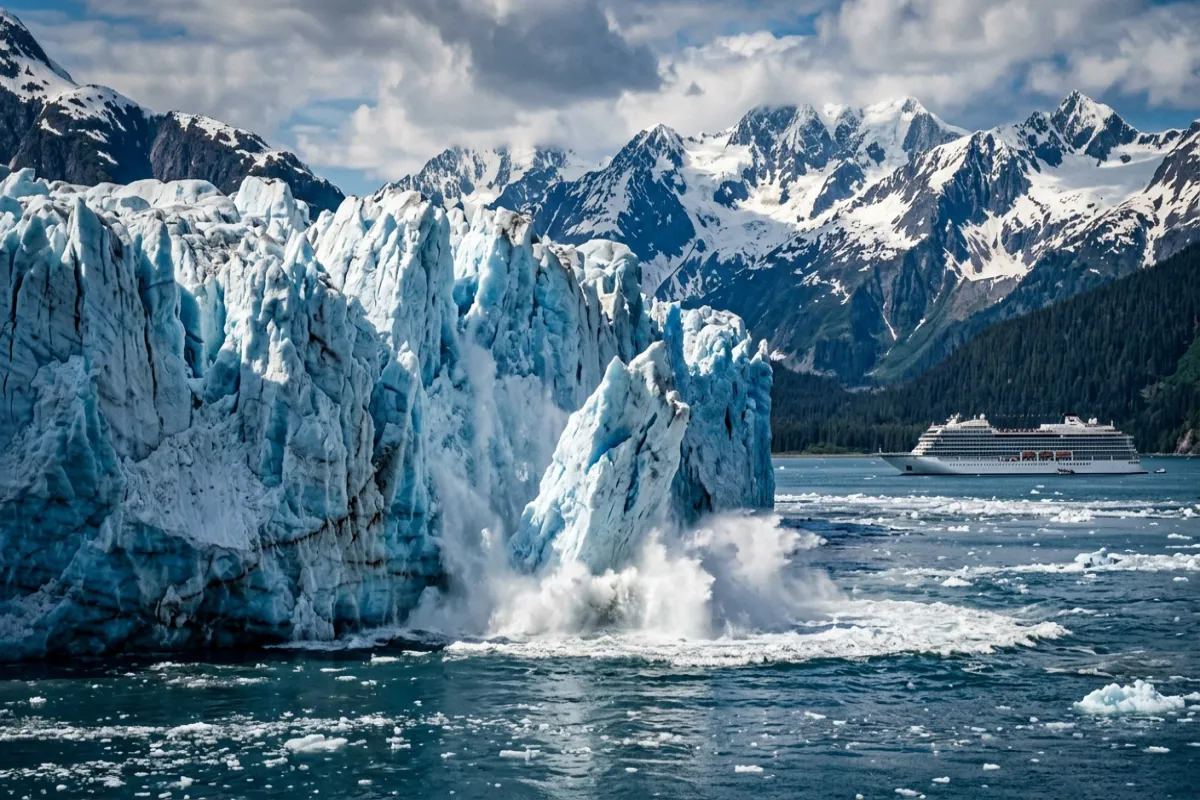
A UNESCO World Heritage Site accessible by boat or plane from Juneau. Most visitors arrive by cruise ship or take a day boat from the small community of Gustavus. The park contains 1,045 square miles of ocean, including 7 tidewater glaciers that actively calve icebergs into the water. Humpback whales, sea otters, harbor seals, and puffins are regularly seen. Kayaking in the bay is a bucket-list experience for paddlers.
Kenai Fjords National Park
Located near the town of Seward, about 2.5 hours south of Anchorage. Kenai Fjords is famous for Exit Glacier, one of the most accessible glaciers in Alaska (you can walk right up to the toe), and for boat tours that cruise past calving glaciers, whale pods, sea lion rookeries, and puffin colonies. A full-day boat tour runs $200 to $300 per person and is worth every dollar.
Northern Lights (Aurora Borealis)
Visible from late September through late March, with peak viewing from December through February. Fairbanks is one of the best places in the world to see the aurora due to its location under the “aurora oval.” Clear, dark skies away from city lights improve your chances. Chena Hot Springs and several lodges outside Fairbanks offer dedicated aurora viewing packages. Note that you will not see the Northern Lights during summer visits because of the extended daylight.
Whale Watching
Humpback whales feed in Alaska waters from April through November. The best whale watching is in Southeast Alaska (Juneau, Sitka) and Kenai Fjords. June through August is peak season. Tours from Juneau often guarantee sightings. You may also spot orcas, gray whales, and minke whales. Expect $150 to $250 per person for a half-day tour.
Bear Viewing at Katmai National Park
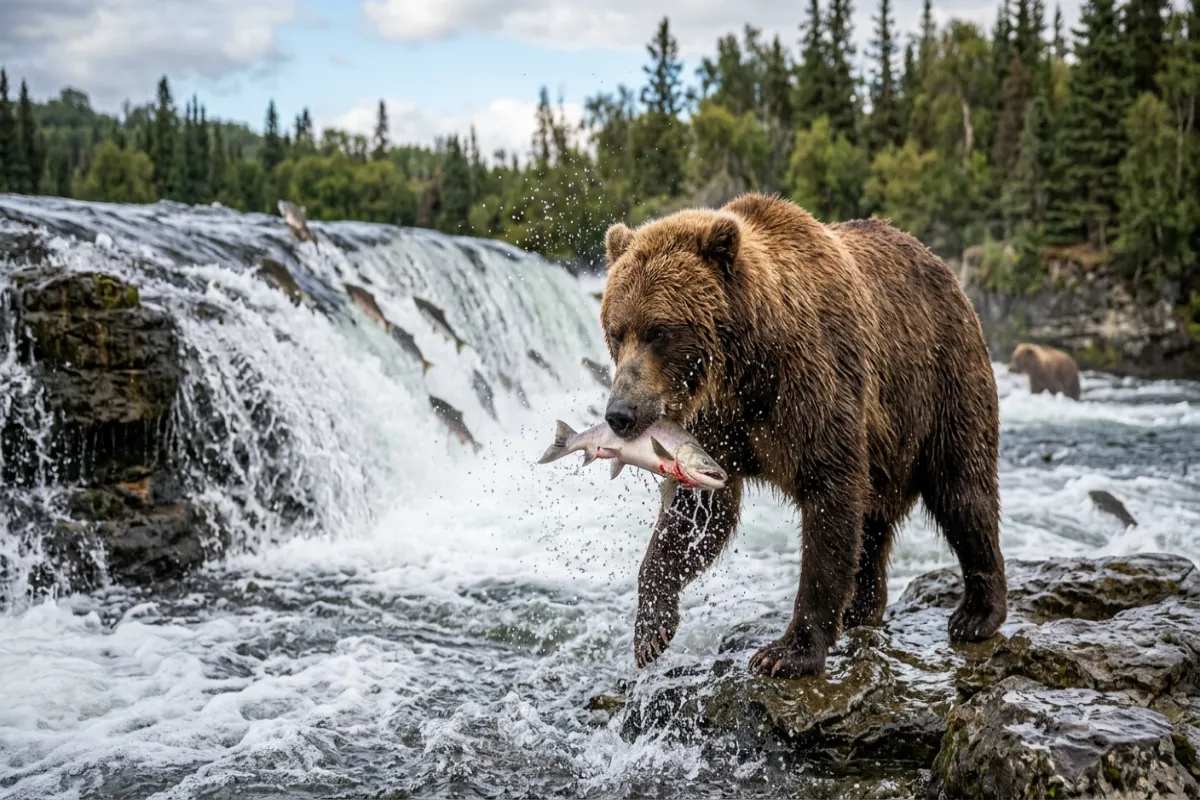
Katmai is home to roughly 2,200 brown bears, one of the highest concentrations in the world. The iconic viewing spot is Brooks Falls, where bears stand in the river catching salmon as they leap upstream. Peak salmon season at Brooks Falls is July. Katmai has no road access; you fly in by bush plane from Anchorage, Homer, or King Salmon. Day trips cost $600 to $900 per person. Book months in advance.
Wildlife in Alaska
Alaska is home to some of the densest wildlife populations in North America. Knowing what to expect and how to stay safe enhances the experience.
What You May See
- Brown/grizzly bears: Found throughout the state. Katmai, Denali, and Kodiak are top viewing spots.
- Black bears: Common in forests across Southcentral and Southeast Alaska.
- Moose: The largest members of the deer family. Frequently seen near Anchorage, along highways, and in Denali. A bull moose can weigh 1,600 pounds.
- Humpback whales: Feed in Alaska waters May through November. Best seen from tour boats in Southeast Alaska and Kenai Fjords.
- Bald eagles: Alaska has the largest population of bald eagles in the U.S. You will see them perched on trees, docks, and rooftops, especially in coastal towns.
- Caribou: Large herds migrate across the interior and Arctic regions. Denali offers good viewing opportunities.
- Dall sheep: White mountain sheep found in high-altitude areas of Denali and the Chugach range.
- Sea otters, harbor seals, and sea lions: Common along the coast, especially in Kenai Fjords and Glacier Bay.
Wildlife Safety Rules
- Stay at least 300 yards from bears and 25 yards from moose and all other large animals.
- Never approach, feed, or follow wildlife.
- Carry bear spray when hiking outside of towns, and know how to use it.
- Make noise on trails to avoid surprising bears. Talk, clap, or call out at blind corners.
- Store food properly in bear-resistant containers or lockers at campsites.
- A cow moose with calves can be extremely aggressive. Give them extra space.
- Keep dogs on leash in bear country.
Practical Tips for Your Alaska Trip
Daylight Hours Vary Dramatically
In Anchorage, June brings nearly 22 hours of daylight. In December, you get about 5.5 hours. Fairbanks experiences even more extreme variation, with 24-hour daylight around the summer solstice. Bring an eye mask for summer sleeping. Conversely, winter visitors should prepare for very short days.
Mosquitoes Are Serious
Alaska mosquitoes are legendary, especially in June and July in the interior and near standing water. They are not just annoying; they can make outdoor experiences miserable without preparation. Bring DEET-based repellent (30% or higher), head nets for hiking, and long sleeves. Mosquitoes are less of an issue in coastal areas with wind and in August when populations decline.
Layer Your Clothing
Weather changes quickly in Alaska. A sunny morning can turn to rain and wind within an hour. Pack a moisture-wicking base layer, an insulating mid-layer (fleece or down), and a waterproof outer shell. Bring warm hats and gloves even in summer if you plan to be on glaciers or at elevation. Waterproof hiking boots are essential.
Cell Service Is Limited
Major cities (Anchorage, Fairbanks, Juneau) have reliable cell coverage. Outside of towns, coverage drops off quickly. The Parks Highway between Anchorage and Fairbanks has gaps. Denali National Park has minimal to no cell service past the visitor center. Download offline maps, carry a physical road map, and consider a satellite communicator (like a Garmin inReach) for remote hiking or backcountry trips.
Book Early
Popular lodges, campsites, train rides, and tours sell out months before summer. Denali bus tickets, Katmai bear viewing permits, and Alaska Railroad GoldStar service should be booked 3 to 6 months ahead. Rental cars in summer are in high demand and prices spike for late bookers.
Tipping
Standard U.S. tipping applies. Tip tour guides, fishing guides, and boat captains 15 to 20 percent. Hotel housekeeping gets $3 to $5 per night.
Sample 10-Day Alaska Itinerary
This itinerary covers Southcentral Alaska, the most popular region for first-time visitors.
Days 1-2: Anchorage
Arrive at Ted Stevens Anchorage International Airport. Pick up your rental car. Explore downtown, visit the Anchorage Museum, and walk the Tony Knowles Coastal Trail (11 miles along Cook Inlet). If you have a layover at Anchorage airport, check our Anchorage layover guide for tips on making the most of your time. On Day 2, drive to the Alaska Wildlife Conservation Center (about 45 minutes south on the Seward Highway) to see bears, moose, bison, and musk oxen up close.
Days 3-4: Seward and Kenai Fjords
Drive the Seward Highway from Anchorage to Seward (2.5 hours), one of the most scenic drives in America. On Day 3, take a full-day boat tour of Kenai Fjords National Park to see glaciers, whales, puffins, and sea lions. On Day 4, hike to Exit Glacier and explore the town of Seward.
Days 5-7: Denali National Park
Drive from Seward back through Anchorage and north to Denali (about 5.5 hours total, or break it up with a stop in Talkeetna). Spend Day 6 on a bus tour deep into the park (the ride to Eielson Visitor Center offers the best chance of seeing Denali on a clear day, plus wildlife viewing). Day 7: hike one of the park’s trails, go rafting on the Nenana River, or take a flightseeing tour over the mountain.
Days 8-9: Fairbanks
Drive from Denali to Fairbanks (about 2 hours). Visit the University of Alaska Museum of the North, take a sternwheeler riverboat cruise, and explore the historic gold mining town of Fox. If visiting in September, watch for the Northern Lights. In summer, experience the midnight sun.
Day 10: Return
Fly out of Fairbanks International Airport (FAI), or drive the 6-hour Parks Highway back to Anchorage for your departure flight.
Planning Tools
These resources help you organize the details:
- How to Plan a Trip (step-by-step framework)
- AI Travel Planner (build a custom Alaska itinerary)
- Vacation Itinerary Template (organize your day-by-day plans)
- Travel Budget Template (track Alaska trip spending)
- How to Plan a Trip to Hawaii (similar state-level guide)
Frequently Asked Questions
Is Alaska safe for tourists?
Yes. Alaska is generally safe for visitors. The main risks are wildlife encounters and wilderness conditions, not crime. Follow bear safety guidelines, stay on marked trails, and be prepared for changing weather. Remote areas have limited emergency services, so plan accordingly.
Do I need a passport to visit Alaska?
No, if you are a U.S. citizen traveling by air. Alaska is a U.S. state. However, if your cruise departs from or returns to Canada (such as Vancouver), you will need a passport. A passport card is sufficient for cruise travel between the U.S. and Canada.
Can I see the Northern Lights in summer?
No. The extended daylight from May through August makes aurora viewing impossible. For Northern Lights, visit between late September and late March. Fairbanks is the top viewing location.
How far in advance should I book?
For summer travel, book lodging, rental cars, and popular tours 4 to 6 months ahead. Denali bus reservations open on December 1 for the following summer and sell out fast. Cruise cabins should be booked 6 to 12 months in advance for the best selection and pricing.
Is a cruise or a land tour better for a first visit?
It depends on your priorities. A cruise is easier to plan, more affordable per day, and ideal for seeing coastal Alaska. A land tour offers more flexibility and access to the interior, including Denali. A cruise-tour combination gives you the best of both worlds. See the detailed comparison above.
What should I pack?
Layers are essential: moisture-wicking base, fleece mid-layer, waterproof jacket and pants. Waterproof hiking boots, warm hat, gloves, sunglasses, sunscreen, and insect repellent with DEET. Binoculars for wildlife viewing. An eye mask for sleeping during long summer days. A portable charger and offline maps for areas without cell service.
Are there any roads to the Arctic?
Yes. The Dalton Highway runs 414 miles from Fairbanks to Deadhorse near Prudhoe Bay on the Arctic Ocean. It is mostly gravel and very remote with limited services. Not all rental car companies allow their vehicles on the Dalton. Check your rental agreement before driving it.