| Anchorage Quick Facts | |
|---|---|
| State | Alaska, USA |
| Currency | US Dollar (USD) |
| Language | English |
| Time Zone | Alaska Time (AKST, UTC-9) |
| Daily Budget | $100 to $400+ per person |
| Best Time | June to August |
| Getting There | Ted Stevens Anchorage International Airport (ANC) |
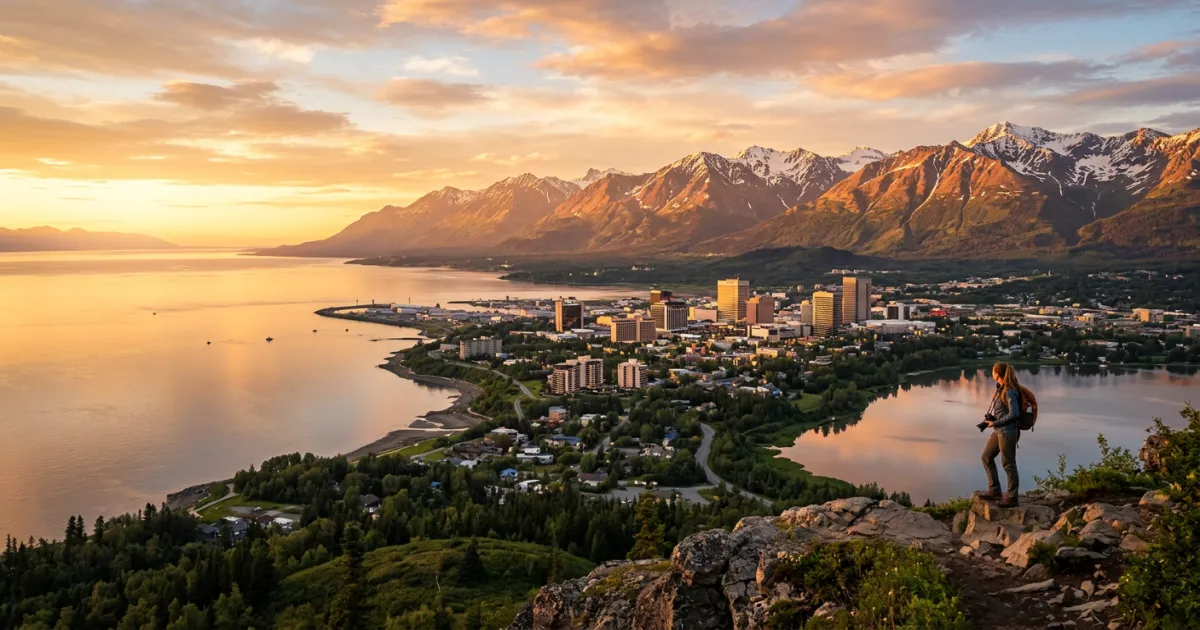
Anchorage is the gateway to Alaska‘s wilderness, sitting between the Chugach Mountains and Cook Inlet with views of Denali on clear days. Nearly half of Alaska’s population lives here, making it the state’s largest city and most practical base for exploring. Within a 90-minute drive you can reach glaciers, spot moose and bears, hike through boreal forest, and fish for world-class salmon. The city itself has an excellent trail system, a vibrant local food scene, and the cultural depth of Alaska’s Indigenous heritage.
For a broader framework for organizing any trip, our how to plan a trip guide covers the fundamentals.
Best Time to Visit Anchorage
June through August is peak season with long days (nearly 20 hours of daylight in June), temperatures in the 60s to 70s F, and all services running. Salmon runs peak in July and August. September brings fall colors and the chance to see the Northern Lights. Winter (November through March) is cold and dark but offers aurora viewing, dog sledding, and the Fur Rendezvous festival. May is shoulder season with thawing conditions and lower prices.
Getting to Anchorage
Ted Stevens Anchorage International Airport (ANC) has direct flights from Seattle, Minneapolis, Chicago, Dallas, Denver, and other US cities. Anchorage is also a hub for Alaska Airlines, which connects to smaller Alaskan communities. A rental car is strongly recommended for day trips. The Alaska Railroad runs scenic routes to Seward, Denali, and Fairbanks.
Top Things to Do in Anchorage
- Portage Glacier and Whittier: Drive 50 miles south through the Anton Anderson Tunnel (the longest highway tunnel in North America) to Whittier. Take a glacier cruise on Prince William Sound to see calving glaciers, sea otters, and puffins ($100 to $180 per person).
- Alaska Wildlife Conservation Center: Rescued bears, moose, musk ox, and bison in a drive-through facility on the Seward Highway. About 45 minutes from Anchorage. $15 per adult.
- Flattop Mountain Hike: The most climbed mountain in Alaska, in Chugach State Park just 20 minutes from downtown. A 3.4-mile round trip hike with panoramic views of Anchorage, Cook Inlet, and Denali on clear days.
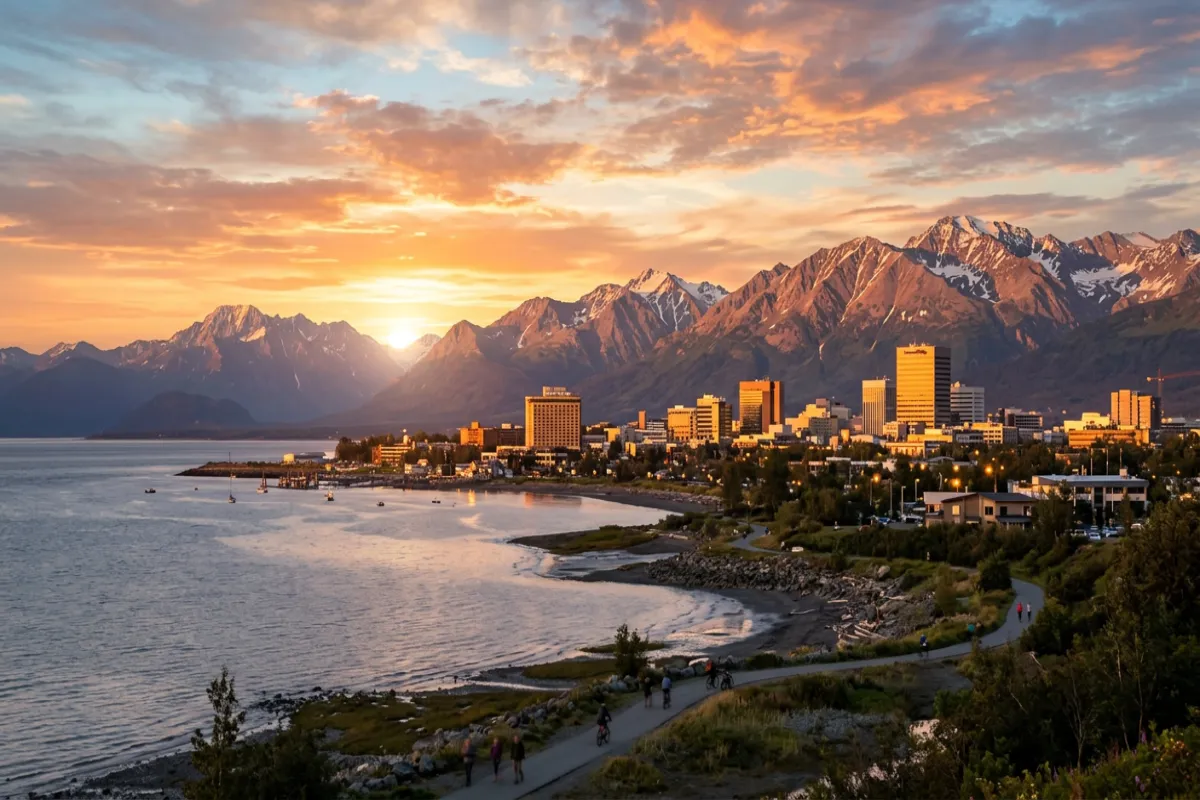
- Tony Knowles Coastal Trail: An 11-mile paved trail from downtown along Cook Inlet. Walk, run, or bike with views of the inlet and chances to spot moose along the way. Free.
- Salmon Fishing: Ship Creek, steps from downtown, has seasonal salmon runs (king salmon June to July, silver salmon August to September). No guide needed. Alaska fishing license required ($25 for one day).
- Anchorage Museum: Excellent museum covering Alaska’s history, Indigenous cultures, and art. The Smithsonian Arctic Studies Center inside is world-class. $20 per adult.
Where to Stay
Downtown Anchorage has the most hotels and walkability to restaurants, the Coastal Trail, and the museum. Hotels range from $120 to $300 per night in summer. Midtown has more affordable chain hotels ($90 to $180). B&Bs and vacation rentals throughout the city offer a more local experience ($80 to $200). Book early for June through August as Anchorage is a cruise and tour staging point with high summer demand.
Sample 3-Day Anchorage Itinerary
- Day 1 – Anchorage: Morning hike at Flattop Mountain. Afternoon at the Anchorage Museum. Walk or bike the Tony Knowles Coastal Trail. Evening dinner at one of Anchorage’s restaurants (try reindeer sausage or king crab).
- Day 2 – Glaciers and Wildlife: Drive the Seward Highway to the Alaska Wildlife Conservation Center and Portage Glacier. Continue to Whittier for a glacier cruise on Prince William Sound. Return to Anchorage.
- Day 3 – Fishing or Denali Day: Option A: Fish for salmon at Ship Creek in the morning, then explore downtown. Option B: Take the Alaska Railroad to Talkeetna (3 hours) for flightseeing around Denali. Or drive to Hatcher Pass for alpine hiking.
Budget Estimate
Alaska is expensive. Budget travelers can manage on $100 to $160 per day with a budget hotel, cooking some meals, and sticking to free hikes and the Coastal Trail. Mid-range travelers should plan for $200 to $350 covering a comfortable hotel, restaurant meals ($15 to $40), a glacier cruise ($100 to $180), and car rental ($60 to $100 per day). Gas and groceries cost more than the lower 48. A fishing license is $25 per day for non-residents.
Planning Tools
Ready to start building your Anchorage trip? Our free AI trip planner can generate a custom itinerary based on your dates, budget, and interests.
Frequently Asked Questions
How many days do you need in Anchorage?
Two to three days covers the city and a day trip to glaciers. Five to seven days lets you add Seward/Kenai Fjords, Talkeetna/Denali, and more exploration. Anchorage works well as a base for a broader Alaska road trip.
Can you see Denali from Anchorage?
On clear days, yes. Denali (20,310 feet) is visible from many points in Anchorage, about 130 miles north. However, the mountain is only fully visible about 30% of days due to clouds. For a closer look, drive to Talkeetna (2.5 hours) or Denali National Park (4.5 hours).
Is Anchorage worth visiting or should I just pass through?
Anchorage deserves at least 2 days. The Coastal Trail, Chugach State Park, and the museum are excellent, and the city’s food scene has grown significantly. Day trips to Portage Glacier and the Wildlife Conservation Center are easily accessible only from Anchorage.