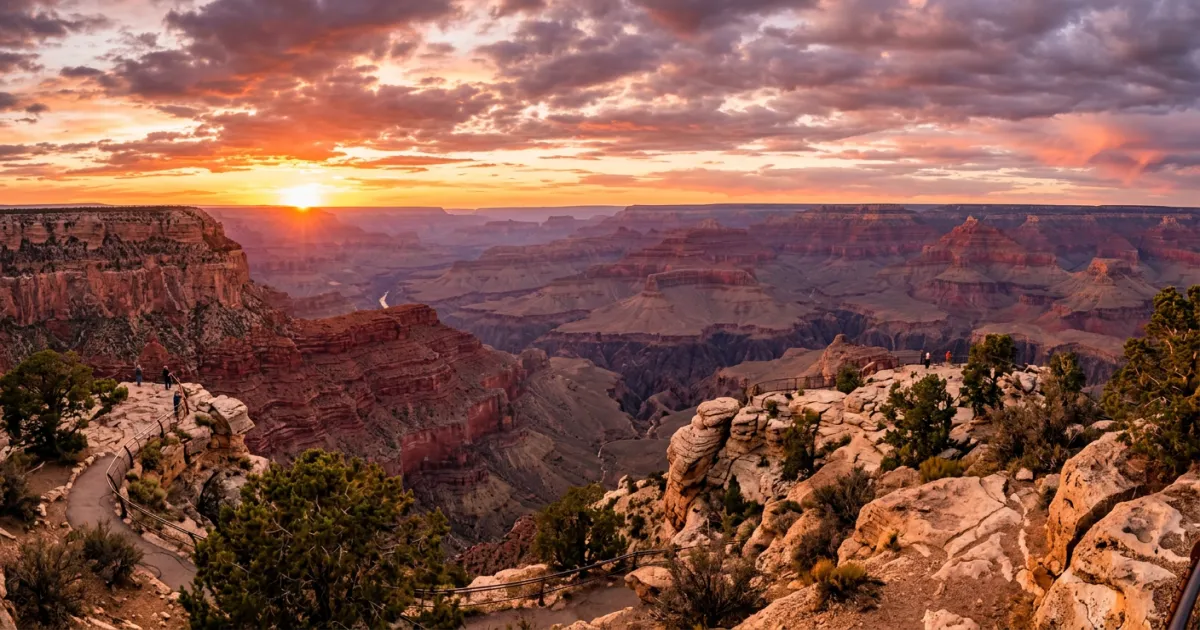
Arizona is a state of dramatic landscapes: the Grand Canyon, Sedona’s red rocks, Monument Valley’s sandstone buttes, Saguaro-studded deserts, and some of the best road trip scenery in the American West. Add vibrant cities like Phoenix and Scottsdale, outstanding Native American culture, and over 300 days of sunshine per year, and Arizona becomes one of the most rewarding states to explore. This guide covers everything you need to plan your trip. For a broader approach, see our step-by-step trip planning guide.
Key Planning Facts
- Location: Southwestern United States, bordering Mexico, California, Nevada, Utah, Colorado, and New Mexico
- Currency: US Dollar (USD)
- Language: English (Spanish and Navajo also widely spoken)
- Best months to visit: October to April for southern Arizona; April to June and September to October for the Grand Canyon and Sedona
- Average daily budget: $100 to $250 per person
- Time zone: Mountain Standard Time year-round (Arizona does not observe daylight saving time, except the Navajo Nation)
- Major airports: Phoenix Sky Harbor (PHX), Tucson (TUS), Flagstaff (FLG, limited)
- Summer warning: Southern Arizona (Phoenix, Tucson) regularly exceeds 100 degrees Fahrenheit (38 degrees Celsius) from June through August. Plan accordingly
Best Time to Visit Arizona
Fall through Spring (October to April)
The best time for southern Arizona (Phoenix, Scottsdale, Tucson, desert areas). Comfortable temperatures (60 to 85 degrees Fahrenheit), clear skies, and peak tourism season. Snowbirds from colder states flock to Arizona during this period, raising hotel prices in the Phoenix/Scottsdale area.
Spring and Fall (April to June, September to October)
The best time for the Grand Canyon, Sedona, and northern Arizona. Comfortable temperatures at elevation, manageable crowds, and good visibility. The Grand Canyon South Rim is pleasant (50 to 75 degrees Fahrenheit) while Phoenix is warming up or cooling down.
Summer (June to August)
Extremely hot in southern Arizona (100 to 115 degrees Fahrenheit in Phoenix). The cheapest time to visit Phoenix and Scottsdale (hotel prices drop 40 to 60 percent). Northern Arizona (Flagstaff, Grand Canyon, Sedona) remains comfortable (70 to 90 degrees Fahrenheit) and is busy. Monsoon season brings dramatic afternoon thunderstorms from July through September.
How Long to Spend in Arizona
5 to 7 days covers the highlights: Grand Canyon (1 to 2 days), Sedona (2 days), and either Phoenix/Scottsdale or Monument Valley. 10 to 14 days lets you add Tucson, Saguaro National Park, Petrified Forest, Antelope Canyon, and the Page area (Horseshoe Bend). An Arizona road trip combines well with Utah parks (Zion, Bryce Canyon) or Las Vegas.
Budget and Costs
Daily Budget Ranges
- Budget: $80 to $140 per person per day. Budget hotels or camping ($30 to $80 per night), casual restaurants, free hiking, national park pass
- Mid-range: $150 to $250 per person per day. Hotels ($120 to $220 per night), restaurant meals, guided tours, rental car
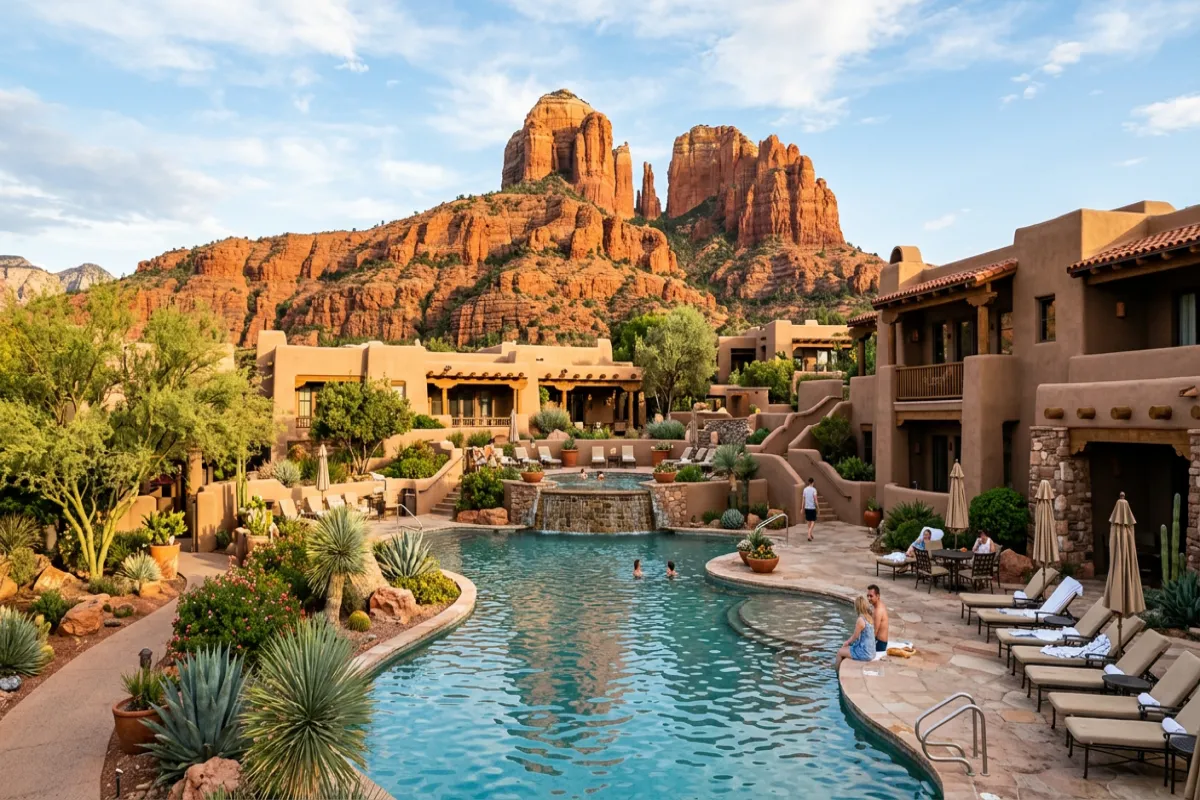
- Luxury: $300 and up per person per day. Resorts in Scottsdale or Sedona ($250 to $600 per night), spa treatments, helicopter tours
Key Costs
- Grand Canyon National Park: $35 per vehicle (7-day pass). America the Beautiful annual pass: $80. Camping at Mather Campground: $18 per night
- Antelope Canyon tour: $60 to $100 per person (guided tour required, Navajo land). Upper Antelope Canyon is the most famous for light beams
- Horseshoe Bend: $10 per vehicle for parking. 1.5-mile round-trip walk to the viewpoint. Free to view
- Sedona jeep tour: $80 to $120 per person (2 hours). Or hike for free on numerous trails
- Monument Valley: $20 per vehicle (Navajo Nation). Guided tours $65 to $150 for access beyond the self-drive loop
- Rental car: $40 to $80 per day. Essential for an Arizona road trip
- Meals: Mexican food: $10 to $18. Casual restaurant: $15 to $30. Scottsdale fine dining: $50 to $100
Use our free travel budget template to plan your trip.
Getting There and Getting Around
Flying In
Phoenix Sky Harbor (PHX) is the main gateway with direct flights from most U.S. cities and some international routes. Tucson International (TUS) serves southern Arizona. Flagstaff Pulliam Airport (FLG) has limited service. Las Vegas (LAS) is a popular starting point for road trips to the Grand Canyon (4.5 hours to South Rim).
Driving
A rental car is essential. Arizona is a road trip state. Key distances: Phoenix to Sedona: 2 hours. Phoenix to Grand Canyon South Rim: 3.5 hours. Phoenix to Tucson: 1.5 hours. Sedona to Grand Canyon: 2 hours. Grand Canyon to Monument Valley: 3 hours. Grand Canyon to Page (Antelope Canyon, Horseshoe Bend): 2.5 hours.
Must-See Attractions and Experiences
Grand Canyon
One of the most awe-inspiring natural wonders on earth. The South Rim is the most accessible and visited. Walk along the Rim Trail (13 miles, paved, multiple viewpoints). Hike into the canyon on the Bright Angel Trail or South Kaibab Trail (strenuous, do not attempt rim-to-river in a single day). Helicopter tours offer aerial perspectives ($200 to $400). Our Grand Canyon guide has detailed planning information.
Sedona
Red rock formations, vortex sites (said to radiate spiritual energy), hiking, art galleries, and some of the most photogenic scenery in Arizona. Cathedral Rock, Bell Rock, and Devil’s Bridge are the most popular hikes. Jeep tours access backcountry areas. The drive from Sedona to Flagstaff through Oak Creek Canyon is one of the most scenic in the state.
Monument Valley
Iconic sandstone buttes on the Navajo Nation, recognizable from countless Western films. A 17-mile self-drive scenic loop is available ($20 per vehicle). Guided Navajo tours access restricted areas and include cultural commentary ($65 to $150). Sunrise and sunset are the most dramatic times. Located on the Arizona-Utah border, about 3 hours from the Grand Canyon.
Antelope Canyon and Horseshoe Bend (Page)
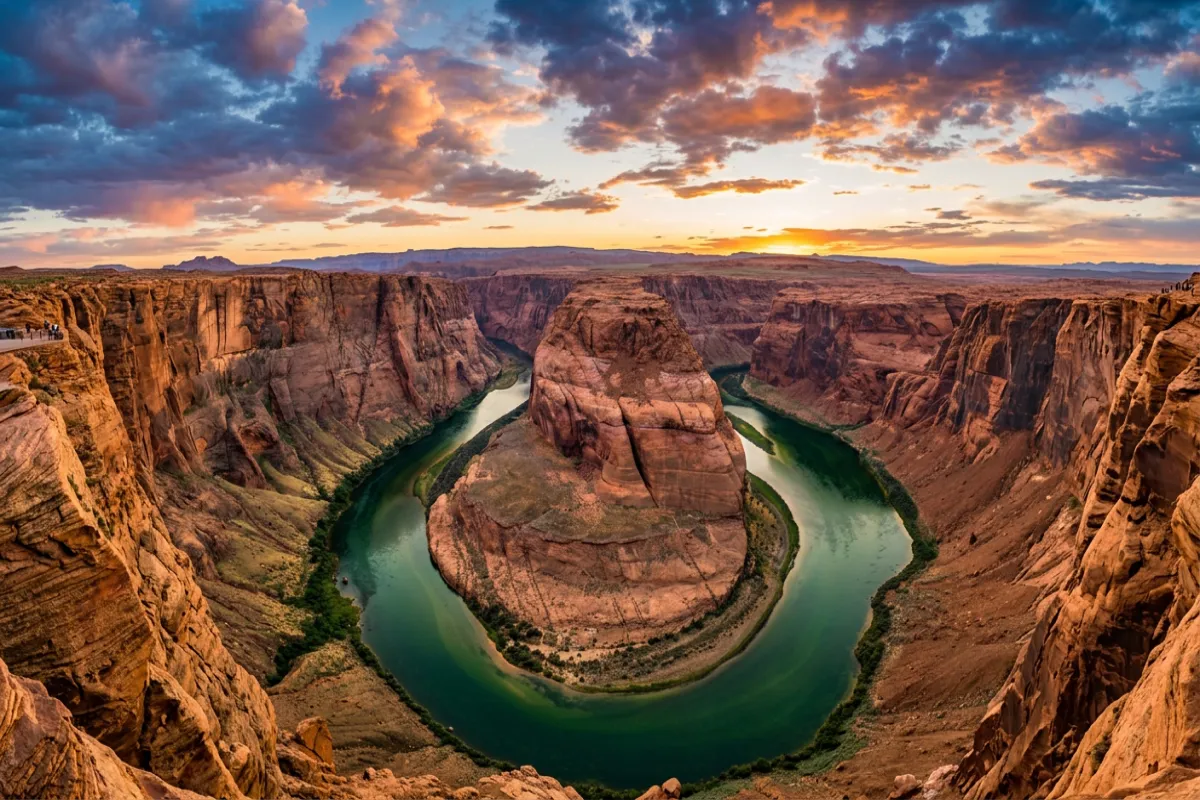
Antelope Canyon is a slot canyon carved by water into sandstone, creating narrow corridors of flowing rock illuminated by light beams. Guided tours required (Navajo-operated, $60 to $100). Upper Canyon is famous for light beams (best April to September, midday). Lower Canyon has fewer crowds. Horseshoe Bend is a dramatic 1,000-foot horseshoe-shaped meander of the Colorado River, accessible by a 1.5-mile walk from the parking lot.
Saguaro National Park (Tucson)
The only place in the world where the giant saguaro cactus grows in dense forest. Two districts flank Tucson (East and West). Short hiking trails, scenic drives, and spectacular sunsets silhouetting saguaros against orange skies. Entry: $25 per vehicle.
Phoenix and Scottsdale
Phoenix: Desert Botanical Garden (excellent introduction to desert plants), Heard Museum (Native American art and culture), Camelback Mountain hike (challenging, panoramic city views), South Mountain Park. Scottsdale: Old Town (galleries, shopping, restaurants), spa resorts, golf courses, and a vibrant food scene.
Food and Dining
- Mexican and Sonoran food: Arizona’s proximity to Mexico means exceptional Mexican cuisine. Sonoran hot dogs (bacon-wrapped with beans and toppings), green chile burritos, chimichangas (invented in Arizona), and fresh tortillas
- Native American cuisine: Fry bread and Navajo tacos (fry bread topped with beans, meat, cheese, and lettuce) are available at Monument Valley and throughout the Navajo Nation
- Southwest fusion: Phoenix and Scottsdale have excellent restaurants blending Mexican, Native American, and contemporary American flavors
- Craft beer: Phoenix and Flagstaff have growing craft beer scenes
Tipping: 18 to 20 percent at restaurants.
Safety and Practical Tips
- Heat: Southern Arizona summers are dangerous. Temperatures exceed 100 degrees Fahrenheit regularly. Carry at least 1 gallon of water per person per day when hiking. Do not hike in Grand Canyon during midday in summer. Heat-related illness is the leading cause of preventable deaths in the Grand Canyon
- Sun: Arizona sun is intense year-round. Wear sunscreen, a hat, and sunglasses daily
- Navajo Nation: Monument Valley and Antelope Canyon are on Navajo land. Respect cultural sites, ask permission before photographing people, and follow all posted rules. The Navajo Nation observes daylight saving time (unlike the rest of Arizona)
- Flash floods: Monsoon season (July to September) brings sudden, intense rain. Slot canyons (Antelope Canyon) and dry washes can flood in minutes. Never enter a slot canyon if rain is forecast
- Wildlife: Rattlesnakes, scorpions, and Gila monsters are present. Watch where you step and put your hands while hiking. Shake out shoes in the morning if camping
- Grand Canyon safety: Stay behind railings at viewpoints. Do not attempt rim-to-river-to-rim in a single day (this is the most common serious mistake). Carry more water than you think you need
Sample 7-Day Arizona Road Trip Itinerary
Days 1 to 2: Phoenix and Scottsdale
Fly into PHX. Day 1: Desert Botanical Garden, Old Town Scottsdale. Day 2: hike Camelback Mountain (morning, before heat), Heard Museum. Evening: dinner in Scottsdale. Drive to Sedona (2 hours).
Days 3 to 4: Sedona
Day 3: hike Cathedral Rock (morning), explore downtown galleries and shops. Day 4: Devil’s Bridge hike or jeep tour. Drive through Oak Creek Canyon to Flagstaff. Continue to the Grand Canyon (2 hours from Sedona).
Day 5: Grand Canyon
Full day at the South Rim. Walk the Rim Trail with viewpoint stops. Hike partway down the Bright Angel Trail or South Kaibab Trail (turn around before it gets too hot). Sunset from Hopi Point or Yavapai Point.
Day 6: Page (Antelope Canyon and Horseshoe Bend)
Drive from Grand Canyon to Page (2.5 hours). Morning: Antelope Canyon guided tour. Afternoon: Horseshoe Bend (1.5-mile walk). If time allows: Lake Powell overlook. Drive toward Monument Valley or overnight in Page.
Day 7: Monument Valley and Departure
Morning at Monument Valley (self-drive scenic loop or guided Navajo tour). Afternoon: drive back to Phoenix (5 to 6 hours) or to Las Vegas (6 hours) for departure.
Planning Your Arizona Trip
Start building your custom itinerary with our free AI trip planner.
For more trip planning resources:
- Plan a Trip to the Grand Canyon
- Plan a Trip to Las Vegas
- Plan a Trip to Zion National Park
- Free Road Trip Itinerary Template
Frequently Asked Questions
What is the best time to visit Arizona?
October to April for southern Arizona (Phoenix, Tucson). April to June and September to October for Grand Canyon and Sedona. Summer is dangerously hot in Phoenix but cooler in northern Arizona.
How many days do I need?
5 to 7 days for the highlights (Grand Canyon, Sedona, one other major attraction). 10+ days to add Monument Valley, Page, Tucson, and Saguaro.
How hot does it get in summer?
Phoenix regularly exceeds 110 degrees Fahrenheit (43 degrees Celsius) in June through August. Northern Arizona (Grand Canyon, Flagstaff, Sedona) stays 70 to 90 degrees. Do not underestimate the heat.
Do I need a car?
Yes. Arizona is a road trip state with no practical public transit between destinations. A rental car is essential.
How far is the Grand Canyon from Phoenix?
About 3.5 hours (230 miles) to the South Rim. From Las Vegas: 4.5 hours. From Sedona: 2 hours. From Flagstaff: 1.5 hours.
Do I need a guided tour for Antelope Canyon?
Yes. Antelope Canyon is on Navajo land and requires a guided tour ($60 to $100). You cannot enter without a guide. Book in advance, especially for the popular midday light beam tours.
Is Monument Valley worth the detour?
Yes. The iconic buttes are breathtaking, especially at sunrise and sunset. The 17-mile self-drive loop costs $20 per vehicle. Guided Navajo tours access restricted areas. Allow a half to full day.
Are there rattlesnakes?
Yes. Rattlesnakes, scorpions, and other desert wildlife are present. Watch where you step and put your hands while hiking. They are rarely aggressive but deserve respect and distance.
Can I hike to the bottom of the Grand Canyon in one day?
The National Park Service strongly advises against hiking rim-to-river-to-rim in a single day. The hike down is deceptively easy; the climb out is brutal, especially in heat. Overnight permits are available for camping at the bottom (Phantom Ranch, book 15 months ahead).
What should I pack?
Sunscreen, hat, sunglasses (essential year-round). At least 1 gallon of water per person per day for hiking. Layers for northern Arizona (temperature varies with elevation). Sturdy hiking shoes. Light, breathable clothing for southern Arizona.