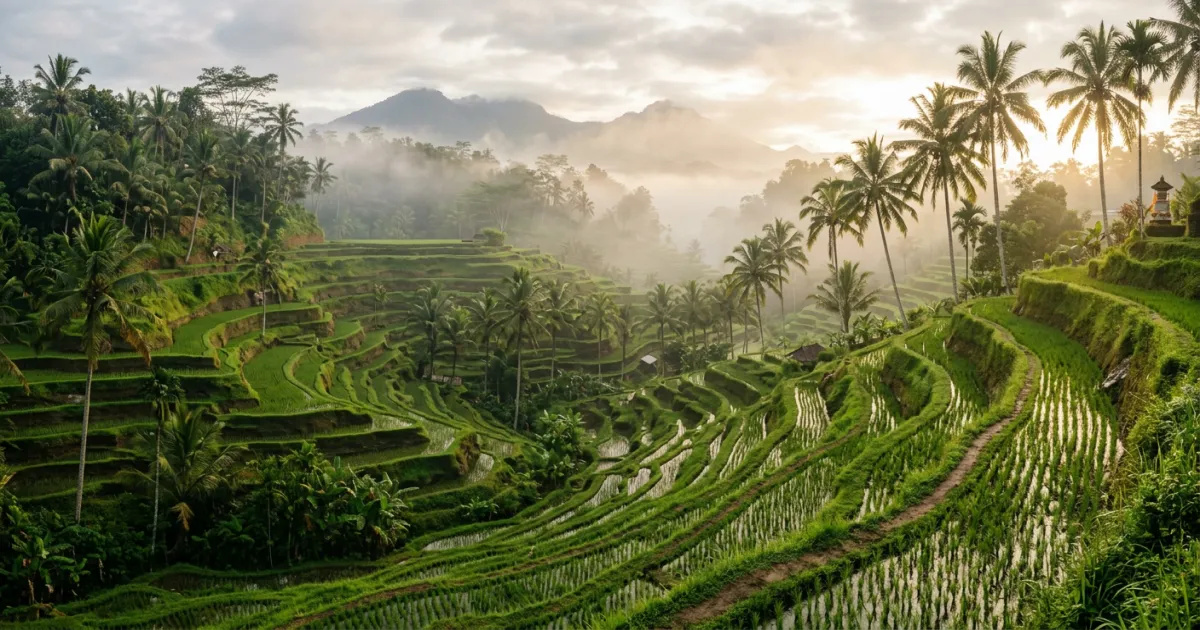
Bali has been drawing travelers for decades, and for good reason. This Indonesian island delivers an extraordinary mix of ancient temples, lush rice terraces, world-class surf, and some of the most affordable travel in Southeast Asia. Whether you are chasing waterfalls in the highlands or watching the sunset from a beach club, Bali rewards every type of traveler.
This guide covers everything you need to plan your 2026 Bali trip, from visa requirements and daily budgets to a ready-to-use 10-day itinerary. If you are still in the early stages of trip planning, our complete trip planning guide walks through the fundamentals.
Quick Facts About Bali
- Country: Indonesia (Bali is one of over 17,000 islands)
- Currency: Indonesian Rupiah (IDR). 1 USD = roughly 15,800 IDR
- Language: Balinese and Indonesian (Bahasa Indonesia). English is widely spoken in tourist areas
- Time zone: WITA (Central Indonesian Time), UTC+8
- Religion: Predominantly Hindu (unlike the rest of Indonesia, which is mostly Muslim)
- Affordability: Very affordable. Budget travelers can get by on $25-50/day, mid-range travelers on $75-150/day
- Airport: Ngurah Rai International Airport (DPS) in southern Bali
Visa Requirements for US Citizens
US passport holders need a visa to enter Bali. The easiest option is the e-VOA (Electronic Visa on Arrival), which costs IDR 500,000 (about $35 USD) and is valid for 30 days. You can extend it once for another 30 days.
Apply for your e-VOA online at least 48 hours before your flight to skip the airport queues. If you have an e-Passport and a pre-approved e-VOA, you can use the Autogates at Bali airport and clear immigration in about 45 seconds.
Requirements:
- Passport valid for at least 6 months from your entry date
- At least two blank visa pages
- Return or onward flight ticket
- Proof of sufficient funds (a bank statement or credit card is usually enough)
For stays longer than 60 days, look into the B211A Tourist/Visit Visa, which is initially valid for 60 days and extendable up to 180 days.
Bali Tourist Tax
All international visitors must pay the Bali Tourist Levy of IDR 150,000 (about $10 USD). This is a one-time payment per entry, regardless of how long you stay. Pay online through the official Love Bali website before you arrive, or pay in Indonesian Rupiah at the arrival terminal. Hotels and tour operators can also collect the levy on your behalf. Enforcement at tourist sites has tightened in 2026, so make sure you have your payment receipt handy.
Best Time to Visit Bali
Bali has two seasons: dry season (April through October) and wet season (November through March).
Dry season (April to October) is the most popular time to visit. Expect sunny skies, low humidity, and ideal conditions for beaches, temple visits, and outdoor adventures. July and August are the busiest months with the highest prices.
Wet season (November to March) brings afternoon downpours, but mornings are often clear. Prices drop significantly, crowds thin out, and the landscape turns even more lush and green. It is still very much possible to enjoy Bali during wet season.
The sweet spot: April to June or September to October. You get dry season weather without the peak-season crowds and prices.
How Long to Spend in Bali
Most travelers find 7 to 14 days ideal for a first trip to Bali. Seven days lets you cover the highlights. Ten days gives you breathing room to slow down and add a day trip to Nusa Penida. Two weeks lets you explore at a relaxed pace and venture to less-visited areas.
One important note: distances in Bali look short on a map, but traffic can double or triple your travel time. A drive that Google Maps says takes 1 hour 15 minutes can easily stretch to 3 hours. Plan for this, especially during afternoon hours. Getting an early start (before 10am) makes a real difference.
Budget Breakdown
Bali is one of the most affordable destinations in Southeast Asia. Here is what to expect in 2026:
Budget Traveler ($25-50/day)
- Accommodation: Hostels and guesthouses at $8-20/night
- Food: Local warungs (family-run eateries) at $2-5/meal
- Transport: Scooter rental at IDR 70,000-150,000/day ($4.50-9.50)
Mid-Range Traveler ($75-150/day)
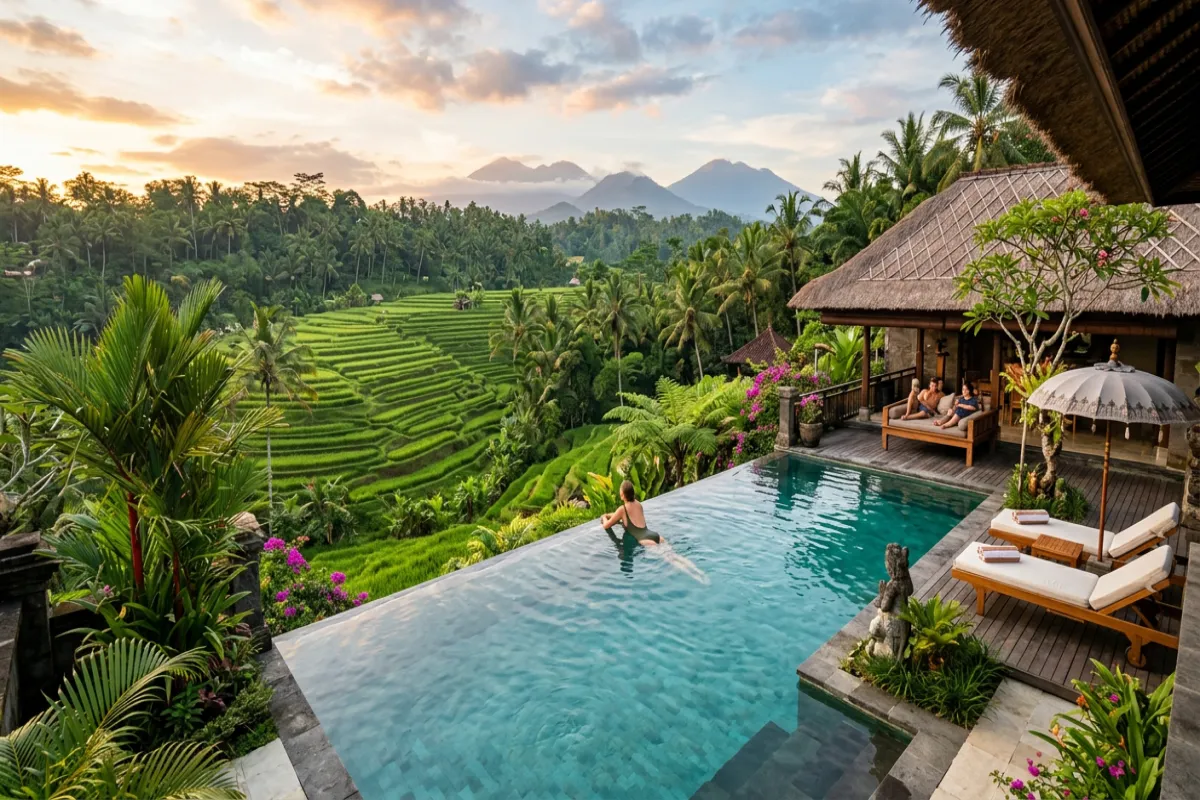
- Accommodation: Boutique hotels and private villas at $30-80/night
- Food: Mix of warungs and mid-range cafes at $8-12/meal
- Transport: Private driver for $30-50/day
Luxury Traveler ($200+/day)
- Accommodation: Five-star resorts at $150-500+/night
- Food: Fine dining at $25-50+/meal
- Transport: Private driver with luxury vehicle
For a 10-day mid-range trip, budget roughly $1,200 to $1,500 per person excluding international flights. Flights from the US typically cost $800-1,200 roundtrip. Track your spending with a travel budget template so you do not run into surprises.
Getting There and Getting Around
Getting to Bali
All international flights land at Ngurah Rai International Airport (DPS) in southern Bali, near Kuta and Seminyak. There are no direct flights from the US, so you will connect through hubs like Singapore, Tokyo, Hong Kong, or Kuala Lumpur. If you have a long connection in Singapore, our Singapore layover guide has you covered.
Getting Around Bali
Private drivers are the most comfortable option, especially for sightseeing days. Expect to pay $30-50/day for a driver with an air-conditioned car. Many drivers double as informal guides and know the best spots.
Scooters are the most common way locals and experienced travelers get around. Rental costs IDR 70,000-150,000/day. However, Bali traffic is chaotic, roads can be narrow and poorly maintained, and accidents involving tourists are common. If you have never ridden a scooter before, Bali is not the place to learn.
Grab (Southeast Asia’s ride-hailing app, similar to Uber) works in Bali but is restricted in some tourist areas due to local taxi driver pushback. Download the app before you arrive.
Uber does not operate in Bali. Grab is the alternative.
Where to Stay in Bali
Bali is not one single destination. Each area has its own personality, and where you base yourself shapes your entire experience.
Ubud: Culture, Rice Terraces, and Wellness
The cultural heart of Bali, set in the lush interior highlands. Ubud is surrounded by rice terraces, dotted with Hindu temples, and packed with yoga studios, art galleries, and vegetarian cafes. Stay here if you want nature, spirituality, and a slower pace. This is where you will find the famous Tegallalang Rice Terrace.
Seminyak: Beaches, Dining, and Nightlife
Bali’s most polished beach area. Seminyak has upscale restaurants, beach clubs, boutique shopping, and a lively nightlife scene. Great sunsets, good surf, and walking distance to everything. Ideal for couples and foodies.
Canggu: Digital Nomads and Surfers
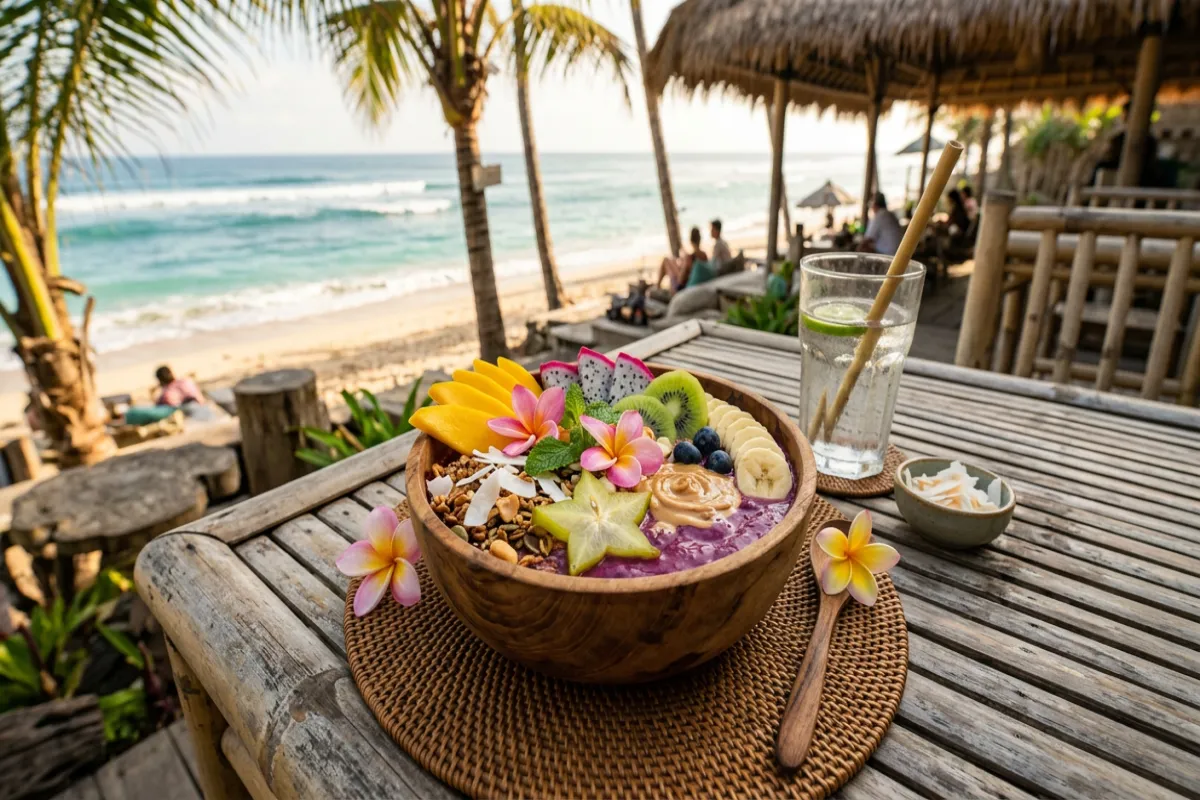
The trendy area that has exploded in popularity over the past few years. Canggu is full of co-working spaces, smoothie bowl cafes, surf breaks, and a younger, more casual vibe than Seminyak. Popular with remote workers and long-term travelers.
Nusa Dua: Luxury Resorts and Calm Beaches
A gated resort enclave on the southeastern coast. Nusa Dua has pristine beaches, large international hotel chains, and a quieter, more manicured feel. Best for families and travelers who prefer organized comfort.
Uluwatu: Cliffs, Surf, and Sunsets
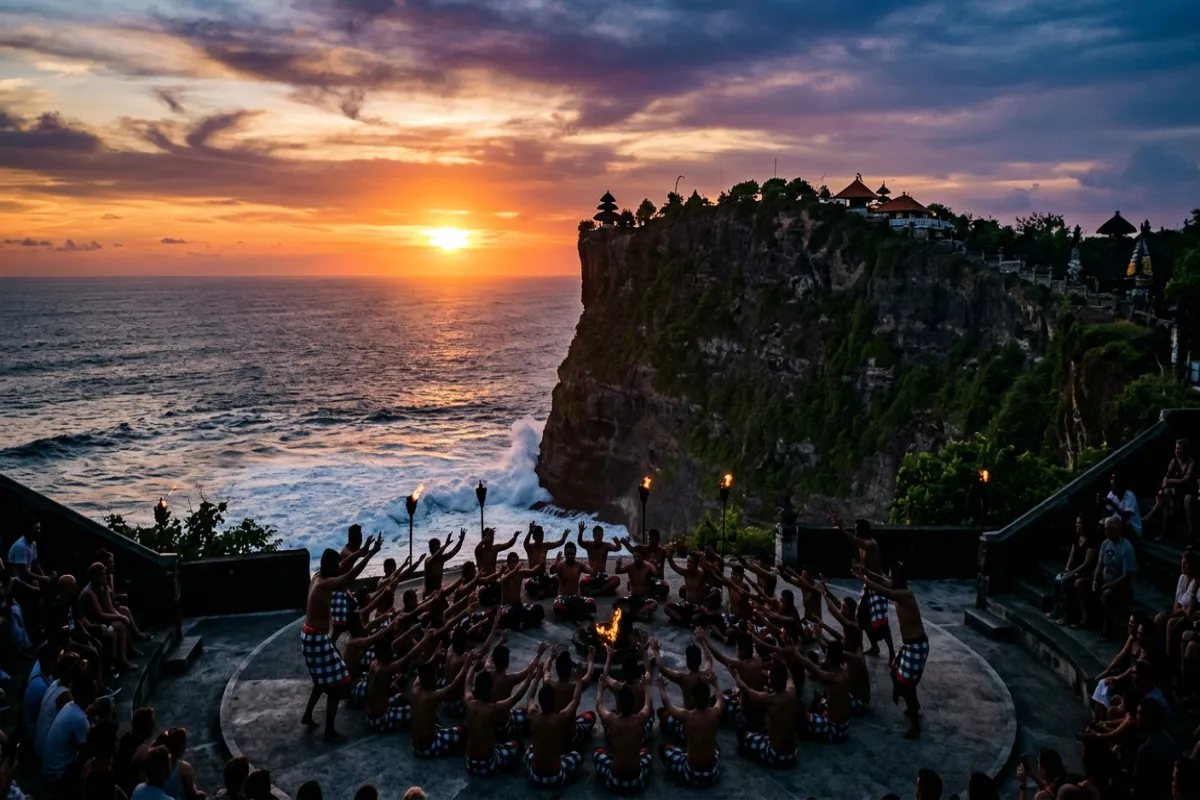
The dramatic southern tip of the Bukit Peninsula. Uluwatu is known for its clifftop temple, world-class surf breaks, and stunning ocean views. It feels more remote and less crowded than the northern beach areas. The Kecak fire dance at Uluwatu Temple at sunset is one of Bali’s most iconic experiences.
Must-See Experiences in Bali
Tegallalang Rice Terraces (Ubud)
The most photographed landscape in Bali. These cascading green terraces just north of Ubud are stunning, especially in the morning light before the crowds arrive. Arrive before 9am for the best experience. There is a small entrance fee.
Temple Visits
Bali has thousands of Hindu temples. The ones worth prioritizing:
- Tanah Lot: A sea temple perched on a rocky outcrop, famous for its sunset silhouette. One of the most visited sites in Bali
- Uluwatu Temple: A clifftop temple 70 meters above the Indian Ocean. Come for the Kecak fire dance performance at sunset
- Tirta Empul: A water temple near Ubud where Balinese Hindus come for ritual purification. Visitors can participate in the cleansing ceremony
Waterfall Chasing
Bali’s interior is loaded with waterfalls, many hidden in lush jungle settings:
- Tegenungan Waterfall: The most accessible, about 30 minutes from Ubud. Beautiful but can get crowded by midday
- Sekumpul Waterfall: Widely considered the most beautiful waterfall in Bali. It requires a steep hike down (and back up), but the twin falls surrounded by jungle are worth every step
Mount Batur Sunrise Trek
An active volcano with a relatively manageable 2-hour hike to the summit. You start around 3:30am and reach the top in time to watch the sunrise over the caldera and Lake Batur. Breakfast eggs cooked in volcanic steam are part of the experience. Book a guided trek, as independent hiking is not permitted.
Nusa Penida Day Trip
A rugged island about 45 minutes by fast boat from Sanur. Nusa Penida is home to Kelingking Beach (the famous T-Rex cliff), Angel’s Billabong, and Broken Beach. The roads are rough and the cliffs are steep, but the scenery is spectacular. Book a day tour or hire a driver on the island.
Snorkeling and Diving
Bali sits in the Coral Triangle, one of the most biodiverse marine regions on Earth. Snorkel with manta rays at Nusa Penida’s Manta Point, dive the USAT Liberty shipwreck at Tulamben, or explore the coral gardens off Amed. The water is warm year-round.
Beach Clubs
Bali’s beach club scene is a destination in itself. Potato Head Beach Club in Seminyak, Sundays Beach Club in Uluwatu, and The Lawn in Canggu are among the most popular. Expect infinity pools, DJs, cocktails, and stunning ocean views.
What to Eat in Bali
Balinese food is rich, flavorful, and incredibly affordable when you eat where locals eat.
- Nasi Goreng: Indonesia’s national dish. Fried rice with sweet soy sauce, egg, vegetables, and your choice of protein. You will find it everywhere
- Mie Goreng: The noodle version of nasi goreng. Equally popular and delicious
- Babi Guling: Balinese roast suckling pig. A ceremonial dish that is one of the island’s signature flavors. Ibu Oka in Ubud is the most famous spot
- Satay (Sate): Skewered and grilled meat with peanut sauce. Simple and satisfying
- Smoothie Bowls: Bali has become the smoothie bowl capital of the world. Canggu and Ubud cafes serve beautiful, elaborate bowls for $4-8
Where to eat: Warungs (small family-run eateries) serve authentic Balinese food for $2-5 per meal. They are the best way to eat well on a budget. Seminyak and Canggu have a thriving restaurant scene with everything from Japanese to Italian to modern Balinese fusion.
Practical Tips for Bali
Temple Dress Code
All visitors must wear a sarong and sash to enter Hindu temples. Most temples rent or lend them at the entrance, but bringing your own is more convenient and hygienic. Cover your shoulders and knees regardless of gender.
Offerings on the Ground
You will see small woven baskets (canang sari) filled with flowers, rice, and incense placed on the ground everywhere in Bali. These are daily offerings to the gods. Do not step on them. Walk around them, even if they are in your path on the sidewalk.
Bali Belly
Stomach issues are common among visitors. Never drink tap water. Be cautious with ice in drinks at smaller establishments (reputable restaurants use filtered ice). Stick to bottled or filtered water, and consider bringing activated charcoal tablets or probiotics from home.
Bargaining
Bargaining is expected and normal at markets and with street vendors. Start at about 30-40% of the asking price and negotiate from there. Be friendly and respectful about it. Fixed-price shops and restaurants do not expect bargaining.
Bali Tourist Tax
Pay the IDR 150,000 ($10) tourist levy online before arrival through the official Love Bali website. Keep your receipt accessible on your phone.
Monkeys
The Sacred Monkey Forest Sanctuary in Ubud is a popular attraction, but the monkeys are wild and will absolutely steal your belongings. Do not bring food, secure your sunglasses, remove dangling jewelry, and keep a firm grip on your phone and camera. They are fast and surprisingly strong.
Sun Protection
Bali is close to the equator. The sun is intense even on cloudy days. Wear reef-safe sunscreen, a hat, and stay hydrated.
Cash and Payments
Cash is still widely used in Bali, especially at warungs, markets, and smaller shops. ATMs are available in tourist areas but charge withdrawal fees. Cards are accepted at hotels, restaurants, and larger shops. Exchange currency at authorized exchange counters, not street vendors.
Sample 10-Day Bali Itinerary
This itinerary balances culture, adventure, and relaxation without rushing. Use a vacation itinerary template to customize it to your interests.
Days 1-3: Ubud (Culture and Nature)
- Day 1: Arrive in Bali, transfer to Ubud (1.5 hours from airport). Settle in, explore Ubud town center, and walk through the Campuhan Ridge Walk at sunset
- Day 2: Morning visit to Tegallalang Rice Terrace (arrive by 8am). Afternoon at Tirta Empul water temple. Evening stroll through Ubud Art Market
- Day 3: Sacred Monkey Forest Sanctuary in the morning. Tegenungan Waterfall in the afternoon. Traditional Balinese dance performance in the evening
Day 4: Mount Batur Sunrise Trek
- 3:30am pickup for the sunrise hike. Watch the sun rise over the caldera. Return to Ubud by midday. Relax and recover in the afternoon with a Balinese massage (starting at about $10 for an hour)
Day 5: Nusa Penida Day Trip
- Early morning fast boat from Sanur to Nusa Penida (45 minutes). Visit Kelingking Beach, Angel’s Billabong, and Broken Beach. Return to Bali by late afternoon. Transfer to Seminyak or Canggu
Days 6-7: Seminyak or Canggu (Beach Life)
- Day 6: Beach day, surf lesson (beginner-friendly waves at Batu Bolong in Canggu), and explore the cafe scene. Sunset at a beach club
- Day 7: Visit Tanah Lot Temple in the morning. Afternoon at the beach or pool. Dinner at one of Seminyak’s top restaurants
Days 8-9: Uluwatu (Cliffs and Surf)
- Day 8: Transfer to Uluwatu. Explore the clifftop beaches (Padang Padang, Dreamland). Afternoon at Sundays Beach Club. Kecak fire dance at Uluwatu Temple at sunset
- Day 9: Snorkeling trip or second surf session. Explore the quieter side of the Bukit Peninsula. Farewell dinner with ocean views
Day 10: Departure
- Final morning at the pool or beach. Transfer to DPS airport (30-45 minutes from Uluwatu). Pick up last-minute souvenirs at the airport
Planning Tools
Make your Bali trip planning easier with these resources:
- AI Travel Planner: Get a personalized Bali itinerary based on your travel dates, interests, and budget
- Vacation Itinerary Template: Organize your day-by-day Bali plan
- Travel Budget Template: Track your Bali spending and stay on target
- How to Plan a Trip: Our complete guide to trip planning fundamentals
Planning a Southeast Asia Trip?
Bali pairs beautifully with other Southeast Asian destinations. Many travelers combine Bali with a stop in Thailand. Our Thailand trip planning guide covers everything you need for that leg of your journey.
Frequently Asked Questions
Is Bali safe for tourists?
Yes, Bali is generally very safe for tourists. Petty theft (bag snatching from scooters) is the most common concern. Use common sense: keep valuables secure, avoid walking alone on empty beaches at night, and be cautious with your belongings around monkeys at the Monkey Forest.
Do I need travel insurance for Bali?
Absolutely. Medical facilities in Bali are limited for serious conditions, and medical evacuation to Singapore or Australia is expensive. Make sure your policy covers scooter accidents if you plan to ride one.
Can I use my phone in Bali?
International roaming works but is expensive. Buy a local SIM card at the airport or a convenience store for about $5-10. Telkomsel has the best coverage across the island. eSIMs are another convenient option if your phone supports them.
Is Bali good for families?
Yes. Nusa Dua is especially family-friendly with calm beaches and resort amenities. Ubud has nature activities kids love. Bali Safari and Marine Park, waterparks, and the Bali Zoo are popular with younger travelers.
What should I pack for Bali?
Light, breathable clothing. A sarong for temple visits. Reef-safe sunscreen. Insect repellent. A light rain jacket (even in dry season). Comfortable walking shoes for temple stairs and waterfall hikes. Flip-flops for everything else.
How far in advance should I book?
Book flights 3-6 months ahead for the best prices. Accommodation in peak season (July-August, December) should be booked 2-3 months out. In shoulder season, 2-4 weeks is usually fine for mid-range stays.