| Cabo San Lucas Quick Facts | |
|---|---|
| Country | Mexico (Baja California Sur) |
| Currency | Mexican Peso (MXN). USD widely accepted in tourist areas |
| Language | Spanish. English widely spoken in tourist zones |
| Time Zone | Mountain Standard Time (MST, no daylight saving) |
| Visa (US) | Not required for stays under 180 days |
| Daily Budget | $80 to $400+ per person |
| Best Time | October to May |
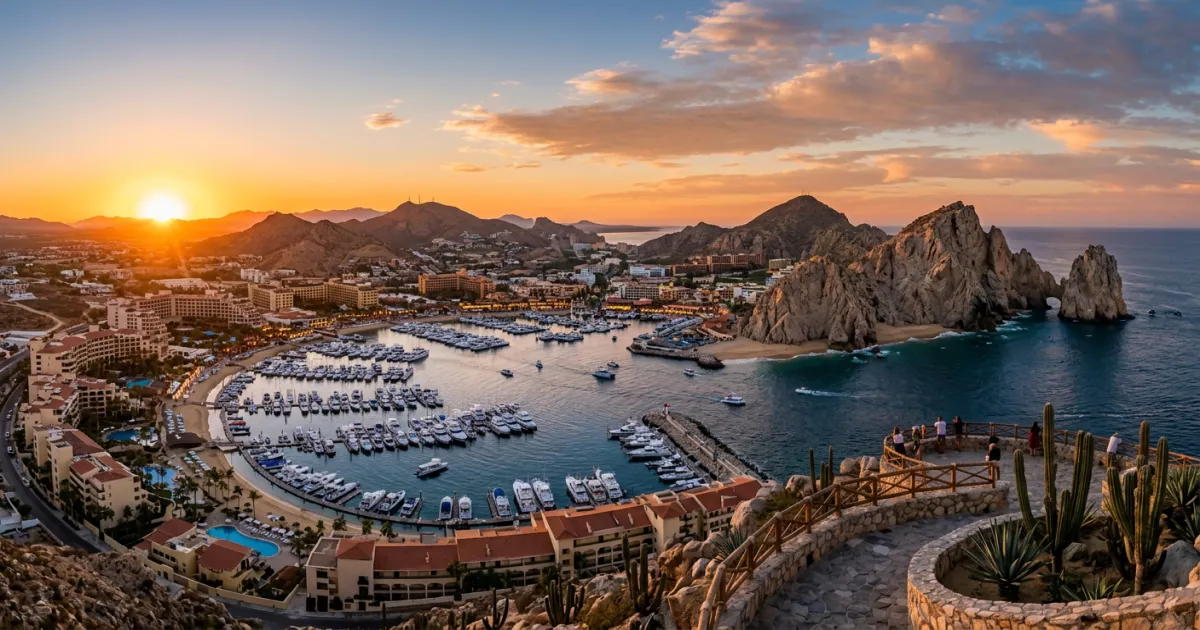
Cabo San Lucas sits at the very tip of Mexico’s Baja California Peninsula, where the Pacific Ocean meets the Sea of Cortez. It is a destination built around dramatic desert-meets-ocean scenery, world-class sport fishing, and a nightlife scene that draws everyone from spring breakers to honeymooners. The iconic El Arco rock formation at Land’s End is one of the most photographed landmarks in Mexico. While Cabo has a reputation as a resort town, there is more to it than pool bars and all-inclusives: whale watching, snorkeling with sea lions, and the quieter arts scene in neighboring San Jose del Cabo all reward travelers willing to explore beyond the marina.
For a broader framework for organizing any trip, our how to plan a trip guide covers the fundamentals.
Best Time to Visit Cabo San Lucas
October through May is the ideal window. Winter months (December through March) bring the best weather with highs in the upper 70s to low 80s F, clear skies, and prime whale watching season (humpback and gray whales pass through from January to March). Summer (June through September) is hotter (90s F), more humid, and falls within hurricane season, though direct hits are rare. September sees the most rain. Spring break (March) is the most crowded and expensive period.
Getting to Cabo San Lucas
San Jose del Cabo International Airport (SJD) is the main airport, located about 20 miles northeast of Cabo San Lucas. Direct flights are available from most major US cities including Los Angeles, Dallas, Denver, Houston, and Phoenix, typically 2 to 3 hours. Airport transfers to Cabo San Lucas take about 30 to 45 minutes by shuttle ($15 to $25 per person) or private transfer ($60 to $80 for up to 4 passengers). Within Cabo, taxis and rideshares handle most transportation. Renting a car is useful if you plan to explore the Corridor between Cabo and San Jose del Cabo.
Top Things to Do in Cabo San Lucas
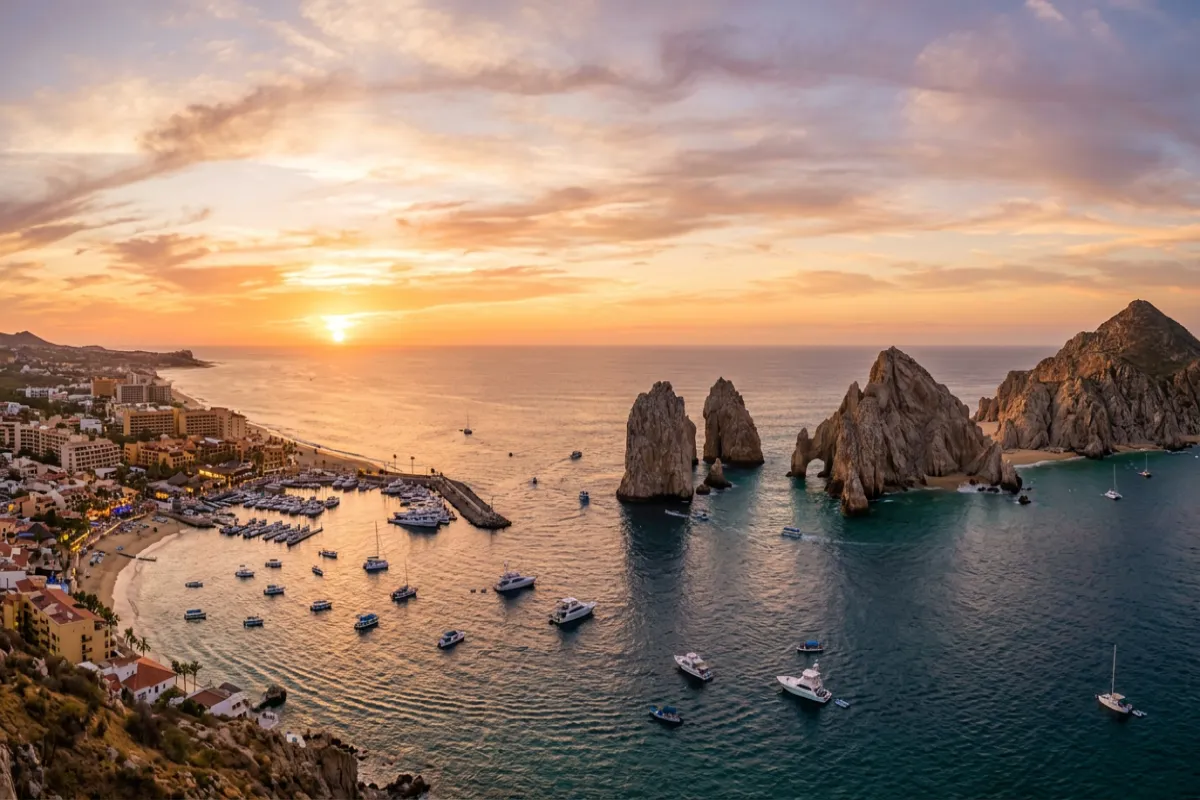
- El Arco (The Arch): The natural rock arch at Land’s End where the Pacific meets the Sea of Cortez. Reachable by water taxi or glass-bottom boat from the marina. Lover’s Beach on the Sea of Cortez side is swimmable; Divorce Beach on the Pacific side is not due to strong currents.
- Whale Watching: From January through March, humpback and gray whales migrate through the waters off Cabo. Tours depart from the marina daily and cost $50 to $100 per person. One of the best whale watching experiences in North America.
- Snorkeling at Chileno Bay: One of the few swimmable beaches on the Corridor with clear water and rocky reefs full of tropical fish. Equipment rentals available on the beach. No entry fee.
- Medano Beach: The main swimming beach in Cabo San Lucas. Busy, lively atmosphere with beach clubs, water sports vendors, and restaurants right on the sand.
- Sport Fishing: Cabo is known as the Marlin Capital of the World. Charters range from $250 for a shared panga trip to $2,000+ for a full-day private boat targeting marlin, dorado, and tuna.
- San Jose del Cabo Art Walk: The historic downtown of San Jose del Cabo (20 minutes from Cabo) hosts a Thursday evening art walk from November through June. Galleries open their doors, and streets fill with vendors and live music. Free.
Where to Stay
The Marina area is the most central location with easy access to restaurants, bars, and tour departure points. This is where most mid-range and luxury hotels cluster. The Tourist Corridor between Cabo and San Jose del Cabo has the upscale resorts and all-inclusive properties, with beach access but less walkability to town. San Jose del Cabo is quieter, more cultural, and less expensive than Cabo San Lucas proper. Budget travelers should look at downtown Cabo guesthouses and Airbnbs. Expect to pay $100 to $200 per night mid-range, $300 to $600+ for resorts and all-inclusives.
Sample 3-Day Cabo San Lucas Itinerary
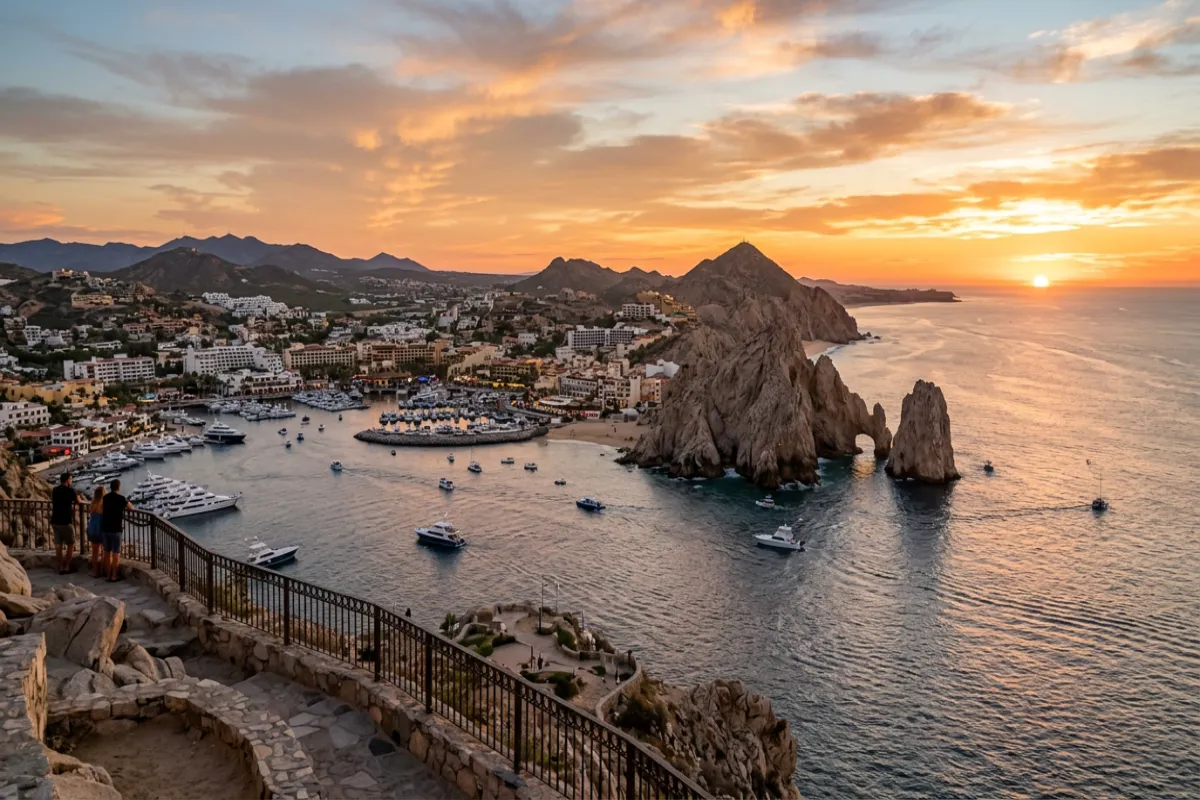
- Day 1 – Beach and Marina: Settle in and head to Medano Beach for a morning swim. Walk the marina for lunch at a waterfront restaurant. Afternoon water taxi to El Arco and Lover’s Beach. Evening cocktails and dinner along the marina boardwalk.
- Day 2 – Ocean Adventure: Morning whale watching tour (winter) or snorkeling trip to Chileno Bay. Spend the afternoon relaxing at a beach club or by the pool. If it is Thursday, drive to San Jose del Cabo for the evening Art Walk and dinner in the historic district.
- Day 3 – Fishing or Exploring: Early morning sport fishing charter or a boat trip to the sea lion colony at the Arch. Alternatively, rent a car and drive the Corridor, stopping at beaches and the blown-glass factory. Farewell sunset dinner at a restaurant overlooking the Pacific.
Budget Estimate
Cabo ranges from affordable to very expensive depending on your style. Budget travelers can manage on $80 to $130 per day staying downtown, eating at taco stands and casual restaurants, and visiting free beaches. Mid-range travelers should plan for $200 to $300 covering a comfortable hotel, one or two tours (whale watching, snorkeling), and restaurant meals. All-inclusive travelers will spend $300 to $600+ per person per day for resort packages. Tipping 10-15% is standard at restaurants. Use ATMs for pesos to get better exchange rates than currency exchange booths.
Planning Tools
Ready to start building your Cabo San Lucas trip? Our free AI trip planner can generate a custom itinerary based on your dates, budget, and interests.
Frequently Asked Questions
Is Cabo San Lucas safe for tourists?
The tourist areas of Cabo San Lucas, the Corridor, and San Jose del Cabo are generally safe. The main risks are petty theft and overcharging by unlicensed taxi drivers. Use hotel-recommended transportation, keep valuables secure, and stay aware of your surroundings, the same as any popular tourist destination. The US State Department rates Los Cabos as a Level 2 (exercise increased caution).
What is the difference between Cabo San Lucas and San Jose del Cabo?
They are two towns about 20 miles apart connected by the Tourist Corridor. Cabo San Lucas is the livelier, more party-oriented town with the marina, nightlife, and Medano Beach. San Jose del Cabo is quieter, more historic, with an art scene, better restaurants, and a more Mexican town feel. Together they form the Los Cabos region.
Do I need pesos in Cabo or can I use US dollars?
US dollars are accepted at most hotels, restaurants, and tour operators in the tourist areas. However, you will usually get a better exchange rate paying in pesos. ATMs (look for Santander or Banorte) give pesos at the bank rate. Avoid currency exchange booths near the marina, which charge high commissions.