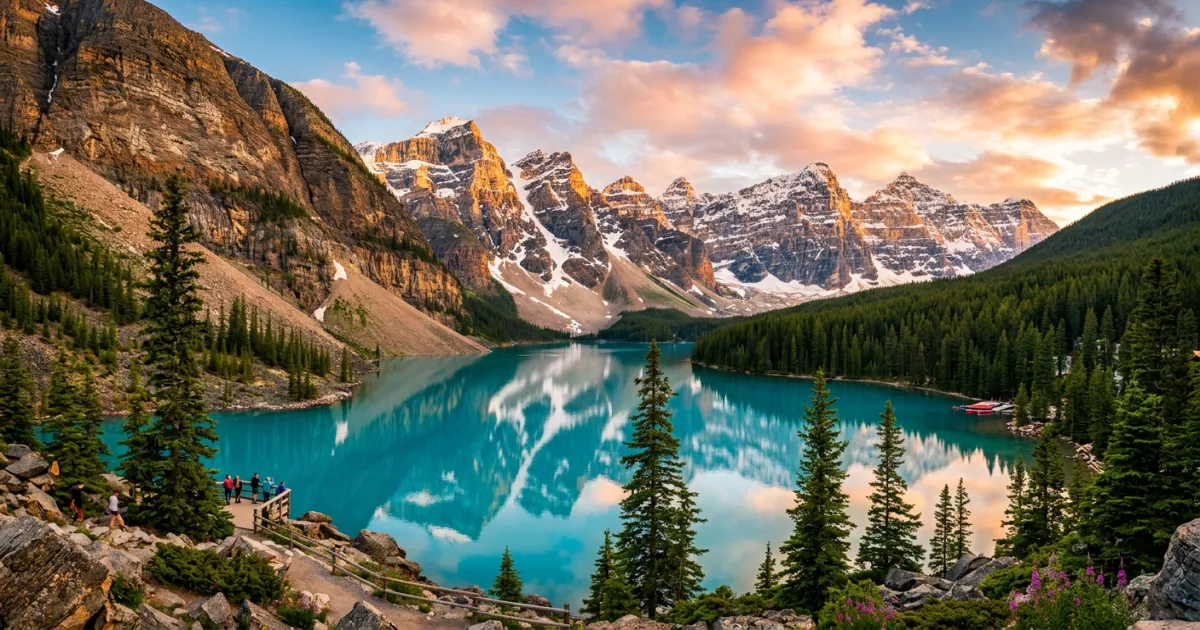
Canada stretches across nearly 10 million square kilometers, making it the second-largest country on Earth. From the turquoise lakes of the Canadian Rockies to the historic cobblestone streets of Quebec City, this country offers an extraordinary range of landscapes, cultures, and experiences. Whether you want to hike through mountain wilderness, explore world-class cities, or eat your way through Montreal, this guide covers everything you need to plan your 2026 trip to Canada.
Quick Facts About Canada
- Visa: U.S. citizens do not need a visa or eTA (Electronic Travel Authorization) to enter Canada. You just need a valid U.S. passport. Citizens of other countries may need an eTA ($7 CAD) or a visitor visa depending on nationality.
- Currency: Canadian Dollar (CAD). The exchange rate often favors U.S. travelers, giving you more spending power.
- Languages: English and French are the two official languages. French is the primary language in Quebec, while English dominates elsewhere. Signs in Quebec are in French first.
- Time Zones: Canada spans six time zones, from Pacific (Vancouver) to Newfoundland (St. John’s). Plan accordingly when booking domestic flights or trains.
- Size: Driving from Vancouver to Halifax takes roughly 58 hours of nonstop driving. Do not underestimate the distances.
Best Time to Visit Canada
The best time depends on what you want to do, but most first-time visitors will find the sweet spot between June and September.
Summer (June to September) is peak season across the entire country. Expect warm weather (20 to 30 degrees Celsius in most regions), long daylight hours, and access to all hiking trails and national parks. This is when festivals light up cities like Montreal, Toronto, and Calgary. Prices are highest and popular spots book up fast, so reserve accommodation and car rentals well in advance.
Winter (December to March) is ideal if you want skiing, snowboarding, or winter activities. Whistler in British Columbia and Mont-Tremblant in Quebec are world-class ski destinations. The Canadian Rockies are stunning under snow, though some roads and trails close for the season. Temperatures can drop well below minus 20 Celsius in many regions.
Shoulder Seasons (May and October) offer lower prices, fewer crowds, and still-pleasant weather in many regions. Fall foliage in Ontario and Quebec during late September and October is spectacular. Spring brings wildflowers to British Columbia and warming temperatures across the prairies.
How Long to Spend in Canada
Canada is too large to cover in a single trip. Here is how to think about trip length:
- 5 to 7 days: Perfect for exploring one region in depth. Spend a week in the Canadian Rockies (Banff, Jasper, Lake Louise), or do a city-focused trip covering Toronto, Ottawa, and Montreal.
- 10 to 14 days: Enough time to combine two regions. A popular route is Eastern Canada, covering Toronto, Niagara Falls, Ottawa, Montreal, and Quebec City by car or train.
- 3+ weeks: If you want to cover both coasts or include the Atlantic provinces, plan for at least three weeks. Many travelers return multiple times to explore different parts of the country.
Budget: What Does Canada Cost?
Canada’s costs are similar to the United States, though the exchange rate often makes things more affordable for American visitors. Here is a daily budget breakdown per person in Canadian dollars:
Budget Travel (CAD $85 to $120/day): Hostels or camping, grocery store meals and street food, public transit, and free attractions like parks and beaches.
Mid-Range Travel (CAD $165 to $245/day): Mid-range hotels or Airbnb, restaurant meals, car rental, and paid attractions and tours.
Luxury Travel (CAD $280 to $420+/day): Upscale hotels, fine dining, private tours, and premium experiences.
Key cost tips:
- A Parks Canada Discovery Pass costs $72.25 CAD per adult and gives unlimited access to all national parks and historic sites for a full year. It pays for itself after just two or three park visits.
- City passes in Toronto, Vancouver, and Montreal bundle popular attractions at a discount.
- Tap water is safe to drink everywhere in Canada, so bring a reusable bottle.
- Gas is sold by the liter (roughly $1.50 to $1.80 CAD per liter in most provinces). A compact car rental starts around $55 to $80 CAD per day.
Use the Yopki travel budget template to plan your expenses before you go.
Getting There and Getting Around
Flying: Major international airports include Toronto Pearson (YYZ), Vancouver (YVR), Montreal Trudeau (YUL), and Calgary (YYC). Direct flights from many U.S. cities are widely available. Domestic flights are the fastest way to cover long distances between regions.
Driving from the U.S.: If you live in a border state, driving into Canada is straightforward. Popular crossings include Detroit to Windsor, Buffalo to Niagara Falls, and Seattle to Vancouver. You will need your passport at the border. Your U.S. car insurance typically covers Canada, but confirm with your provider.
Train: VIA Rail operates passenger rail service across southern Canada. The Toronto-to-Montreal corridor is a popular route (about 5 hours) with comfortable service and scenic views. The cross-country “Canadian” train from Toronto to Vancouver is a bucket-list journey taking roughly four days.
Driving within Canada: A rental car is essential for exploring the Rockies, Atlantic Canada, and rural areas. Distances between cities are vast. Toronto to Montreal is about 540 km (5.5 hours). Calgary to Vancouver is roughly 1,000 km (10 hours) through the mountains. Plan your driving days carefully and do not try to cover too much ground in one day.
For road trip planning, the Yopki road trip itinerary template can help you organize your route and stops.
Canada’s Regions: Where to Go
Canada is best understood as a collection of distinct regions, each with its own character, landscape, and attractions.
West Coast: British Columbia
Vancouver is one of the most beautiful cities in the world, set between mountains and ocean. Walk the seawall in Stanley Park, explore Granville Island’s public market, and take a day trip to Victoria on Vancouver Island via ferry. Whistler, about two hours north, is famous for skiing in winter and mountain biking in summer. The Sea-to-Sky Highway connecting Vancouver to Whistler is one of Canada’s most scenic drives.
The Canadian Rockies: Alberta and British Columbia
This is where you will find the iconic turquoise lakes and jagged peaks that define Canadian postcard imagery. Banff National Park and Jasper National Park are the two flagship parks. Lake Louise, Moraine Lake, and the Icefields Parkway connecting Banff to Jasper are highlights that justify traveling to Canada on their own. The town of Banff offers excellent restaurants, breweries, and mountain culture.
The Prairies: Saskatchewan and Manitoba
Often overlooked by tourists, the prairies offer wide-open skies, friendly communities, and unique experiences. The Calgary Stampede (held every July in neighboring Alberta) is one of the world’s largest rodeos. Churchill, Manitoba is known as the “Polar Bear Capital of the World” and also offers beluga whale watching in summer.
Central Canada: Ontario and Quebec
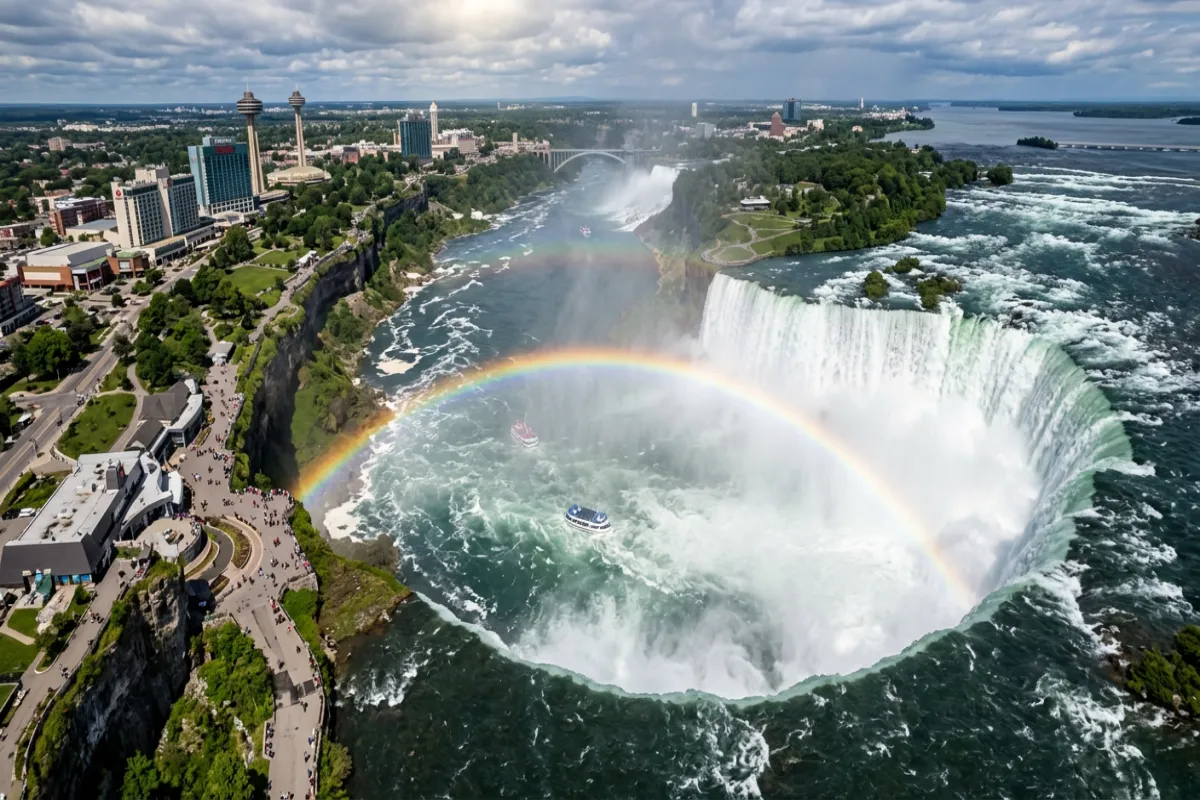
This is where most first-time visitors spend their time. Toronto is Canada’s largest city, home to the CN Tower, diverse neighborhoods, and a thriving food scene. Niagara Falls is just 90 minutes from Toronto and remains one of the most awe-inspiring natural wonders on the continent. Ottawa, the national capital, has world-class museums and the scenic Rideau Canal.
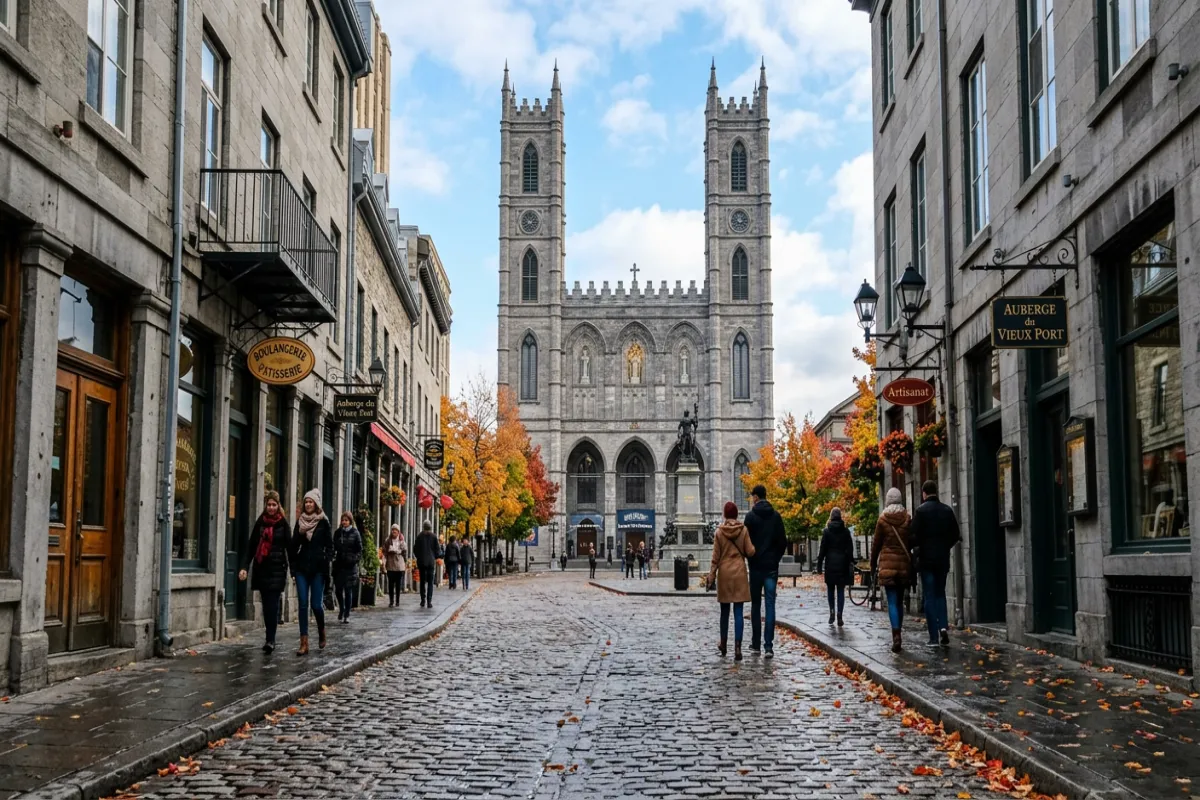
Quebec is where Canada feels most distinctly different from the U.S. Montreal blends European charm with North American energy, featuring incredible food, vibrant nightlife, and neighborhoods like the Plateau and Old Montreal. Quebec City’s Old Town is a UNESCO World Heritage Site with 400-year-old stone buildings, narrow streets, and the iconic Chateau Frontenac.
Atlantic Canada: New Brunswick, Nova Scotia, PEI, and Newfoundland
The Maritime provinces offer rugged coastlines, fresh seafood, and a slower pace of life. Halifax is the largest city, with a lively waterfront and excellent restaurants. Prince Edward Island (PEI) is known for its red-sand beaches, Anne of Green Gables heritage, and some of the best lobster in the world. The Cabot Trail in Cape Breton, Nova Scotia, is considered one of the most beautiful drives in North America. Newfoundland rewards adventurous travelers with icebergs, whale watching, and the colorful row houses of St. John’s.
Northern Canada: Yukon, Northwest Territories, and Nunavut
The vast Canadian North is one of the last great wilderness frontiers. Whitehorse and Dawson City in the Yukon offer gold rush history and access to incredible wilderness. The northern lights (aurora borealis) are visible from August through April, with Yellowknife in the Northwest Territories being one of the best viewing locations on Earth. Northern travel requires more planning, as services and infrastructure are limited.
Must-See Experiences in Canada
- Banff and Lake Louise: Turquoise glacial lakes surrounded by towering peaks. Hike to the Lake Agnes Tea House or paddle a canoe on Lake Louise.
- Niagara Falls: Over 3,000 cubic meters of water per second cascade over the Horseshoe Falls. The Canadian side offers far better views than the American side.
- Stanley Park, Vancouver: A 400-hectare urban park with old-growth forest, a seawall for walking and cycling, and views of the mountains and city skyline.
- Old Montreal: Cobblestone streets, 17th-century architecture, art galleries, and some of the best restaurants in North America.
- Quebec City’s Old Town: Walk the fortified walls, explore the Latin Quarter, and photograph the Chateau Frontenac from the boardwalk along the St. Lawrence River.
- CN Tower, Toronto: At 553 meters, this iconic tower offers panoramic views of the city and Lake Ontario. The glass floor and EdgeWalk (outdoor walk around the tower’s edge) are not for the faint of heart.
- Prince Edward Island: Red cliffs, quiet beaches, and seafood shacks serving the freshest lobster you will ever eat.
- Whale Watching: The Bay of Fundy (New Brunswick/Nova Scotia) and Tadoussac (Quebec) are premier whale-watching destinations. Humpbacks, minkes, and belugas are commonly spotted from June through October.
- Northern Lights in the Yukon: Whitehorse and Dawson City offer dark skies and frequent aurora displays, best viewed between September and March.
Canadian Food You Need to Try
Canada’s food scene goes far beyond stereotypes, though some of those stereotypes are delicious.

- Poutine: French fries topped with cheese curds and hot gravy. Originated in Quebec and now found everywhere in Canada. Skip the fast-food versions and find a proper poutinerie.
- Maple Syrup: Quebec produces roughly 70% of the world’s maple syrup. Visit a sugar shack (cabane a sucre) in spring to see how it is made and taste it fresh.
- Montreal Bagels: Smaller, denser, and sweeter than New York bagels, baked in wood-fired ovens. St-Viateur and Fairmount bakeries have been rivals for decades. Both are excellent.
- Montreal Smoked Meat: Hand-cured, smoked brisket piled high on rye bread with mustard. Schwartz’s deli has been serving it since 1928.
- Butter Tarts: A sweet pastry shell filled with butter, sugar, and eggs. An Ontario specialty with passionate debate over whether the filling should be runny or firm.
- Nanaimo Bars: A no-bake layered dessert from Nanaimo, British Columbia, featuring a chocolate-coconut base, custard filling, and chocolate ganache top.
- East Coast Seafood: Lobster rolls in Nova Scotia and PEI, fresh oysters from New Brunswick, and cod in Newfoundland. Atlantic Canada is a seafood lover’s paradise.
Practical Tips for Visiting Canada
- Language: In Quebec, signs are in French by law. Most people in Montreal are bilingual, but in smaller Quebec towns, French may be the only language spoken. Learning a few basic French phrases goes a long way.
- Metric System: Canada uses the metric system. Distances are in kilometers, temperatures in Celsius, and gas is sold by the liter. A quick reference: 0 degrees Celsius = 32 Fahrenheit, 20 Celsius = 68 Fahrenheit, 100 km/h = about 62 mph.
- Tipping: Tipping culture in Canada is similar to the U.S. Tip 15% to 20% at restaurants, and round up for taxi rides and coffee shops.
- Cell Phone Coverage: Major cities and highways have reliable coverage, but expect dead zones in rural areas, national parks, and northern regions. Download offline maps before heading into remote areas.
- Travel Insurance: Canada does not have reciprocal healthcare agreements with most countries. A hospital visit can cost thousands of dollars without coverage. Travel insurance is strongly recommended, especially if you plan outdoor or adventure activities.
- Wildlife Safety: Bears (both black and grizzly) live throughout much of Canada. Carry bear spray when hiking in the Rockies and follow Parks Canada guidelines for food storage. Keep a safe distance from all wildlife.
- Alcohol: Drinking age varies by province (18 in Alberta, Manitoba, and Quebec; 19 elsewhere). Alcohol is sold at government-run liquor stores in most provinces, not at regular grocery stores (Ontario has been expanding grocery store beer and wine sales).
- Weather Preparation: Even in summer, mountain areas can get cold. Bring layers, rain gear, and sturdy footwear for any outdoor activities.
Sample 14-Day Eastern Canada Road Trip Itinerary
This itinerary covers the most popular destinations in Eastern Canada by car, starting and ending in Toronto.
Days 1 to 2: Toronto
Explore the CN Tower, St. Lawrence Market, the Distillery District, and the diverse neighborhoods of Kensington Market and Chinatown. Take a ferry to the Toronto Islands for skyline views.
Day 3: Toronto to Niagara Falls (130 km, 1.5 hours)
Visit Horseshoe Falls, take the Hornblower boat cruise, and explore the charming town of Niagara-on-the-Lake. Sample wines at one of the Niagara region’s many wineries.
Day 4: Niagara Falls to Ottawa (450 km, 4.5 hours)
Drive to Ottawa and settle in. Evening walk along the Rideau Canal.
Days 5 to 6: Ottawa
Visit Parliament Hill, the Canadian Museum of History, the National Gallery of Canada, and ByWard Market. In winter, skate on the Rideau Canal (the world’s largest skating rink). In summer, enjoy cycling paths along the canal.
Day 7: Ottawa to Montreal (200 km, 2 hours)
Drive to Montreal. Afternoon exploring Old Montreal, the Notre-Dame Basilica, and the waterfront.
Days 8 to 9: Montreal
Walk the Plateau neighborhood, eat bagels and smoked meat, visit Mont Royal park for city views, explore the Jean-Talon Market, and experience the city’s legendary nightlife and dining scene.
Day 10: Montreal to Quebec City (250 km, 2.5 hours)
Drive to Quebec City along the scenic St. Lawrence River route.
Days 11 to 12: Quebec City
Explore the walled Old Town (a UNESCO World Heritage Site), walk the Plains of Abraham, visit the Chateau Frontenac, eat at family-run restaurants in the Latin Quarter, and take a day trip to Montmorency Falls (taller than Niagara Falls) or Ile d’Orleans for farm country and maple products.
Day 13: Quebec City to Thousand Islands (480 km, 4.5 hours)
Drive back toward Ontario, stopping in the Thousand Islands region. Take a boat tour through the islands on the St. Lawrence River.
Day 14: Thousand Islands to Toronto (300 km, 3 hours)
Return to Toronto with a stop in Kingston, a historic city with beautiful waterfront architecture and Fort Henry.
For a detailed day-by-day plan, use the Yopki AI travel planner to customize this route to your interests and travel dates.
Planning Tools
Getting organized before your trip makes everything smoother once you arrive. Here are resources to help:
- How to plan a trip (complete guide) covers the step-by-step process from choosing a destination to booking flights and accommodation.
- Yopki AI Travel Planner builds custom itineraries based on your interests, budget, and travel dates.
- Travel budget template helps you estimate and track expenses for your Canada trip.
- Road trip itinerary template is perfect for planning driving routes through the Rockies, Eastern Canada, or the Atlantic provinces.
Frequently Asked Questions
Do I need a visa to visit Canada from the U.S.?
No. U.S. citizens need only a valid passport to enter Canada. No visa or eTA is required. Citizens of other countries should check the Government of Canada website, as requirements vary by nationality.
Is Canada expensive to visit?
Canada’s costs are comparable to the United States. The exchange rate between USD and CAD often favors American visitors, making things slightly cheaper than they appear. Budget travelers can manage on CAD $85 to $120 per day, while mid-range travelers should plan for CAD $165 to $245 per day.
What is the best region to visit for a first trip?
Most first-time visitors choose either the Canadian Rockies (Banff, Jasper, Lake Louise) for nature, or Eastern Canada (Toronto, Montreal, Quebec City) for a mix of cities and culture. Both are excellent choices for a one- to two-week trip.
Do I need to speak French?
Not necessarily. In Montreal and tourist areas of Quebec, most people speak English. However, in smaller Quebec towns, French may be the primary language. A few basic French phrases will be appreciated everywhere in Quebec.
When can I see the northern lights in Canada?
The best viewing is from September through March in northern locations like Yellowknife (Northwest Territories) and Whitehorse (Yukon). Some displays are visible as far south as southern Alberta and Ontario during strong solar activity.
Can I use U.S. dollars in Canada?
Some tourist-heavy businesses near the border accept U.S. dollars, but the exchange rate will be unfavorable. Use a credit card with no foreign transaction fees or withdraw Canadian dollars from an ATM for the best rates.
Is it safe to travel in Canada?
Canada consistently ranks among the safest countries in the world for travelers. Standard travel precautions apply in cities, and wildlife awareness is important in national parks and rural areas.