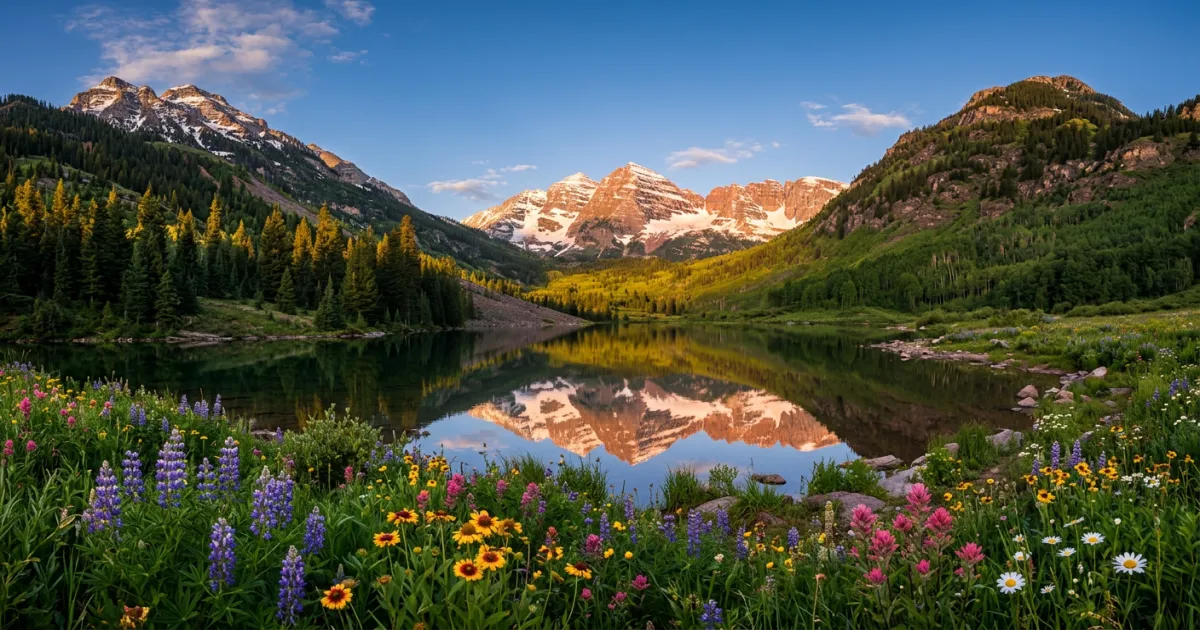
Colorado is one of America’s most spectacular travel destinations, offering everything from world-class skiing to stunning national parks, vibrant cities, and landscapes that will take your breath away (sometimes literally, given the altitude). Whether you are drawn to the Rocky Mountains for a summer hiking adventure or a winter ski trip, this guide covers everything you need to plan a memorable Colorado vacation in 2026.
Quick Facts About Colorado
- Currency: US Dollar (USD)
- Time zone: Mountain Standard Time (MST, UTC-7) / Mountain Daylight Time (MDT, UTC-6)
- Elevation: Colorado is a high-altitude state. Denver sits at 5,280 feet (1,609 meters), and mountain towns range from 7,000 to over 10,000 feet. Several peaks exceed 14,000 feet.
- Climate: Four distinct seasons with over 300 days of sunshine per year. Dry air, intense sun, and rapid weather changes are common.
- Nickname: The Centennial State
- Capital: Denver
- Known for: Rocky Mountains, skiing, craft beer, outdoor adventure, national parks
Best Time to Visit Colorado
Colorado is genuinely a year-round destination, but the best time depends on what you want to do.
June through September is peak season for hiking, mountain biking, rafting, and general sightseeing. Temperatures are warm in the valleys and pleasantly cool in the mountains. July and August are the busiest months, so expect higher prices and crowded trails. Afternoon thunderstorms are common in the mountains during summer, so plan to start hikes early.
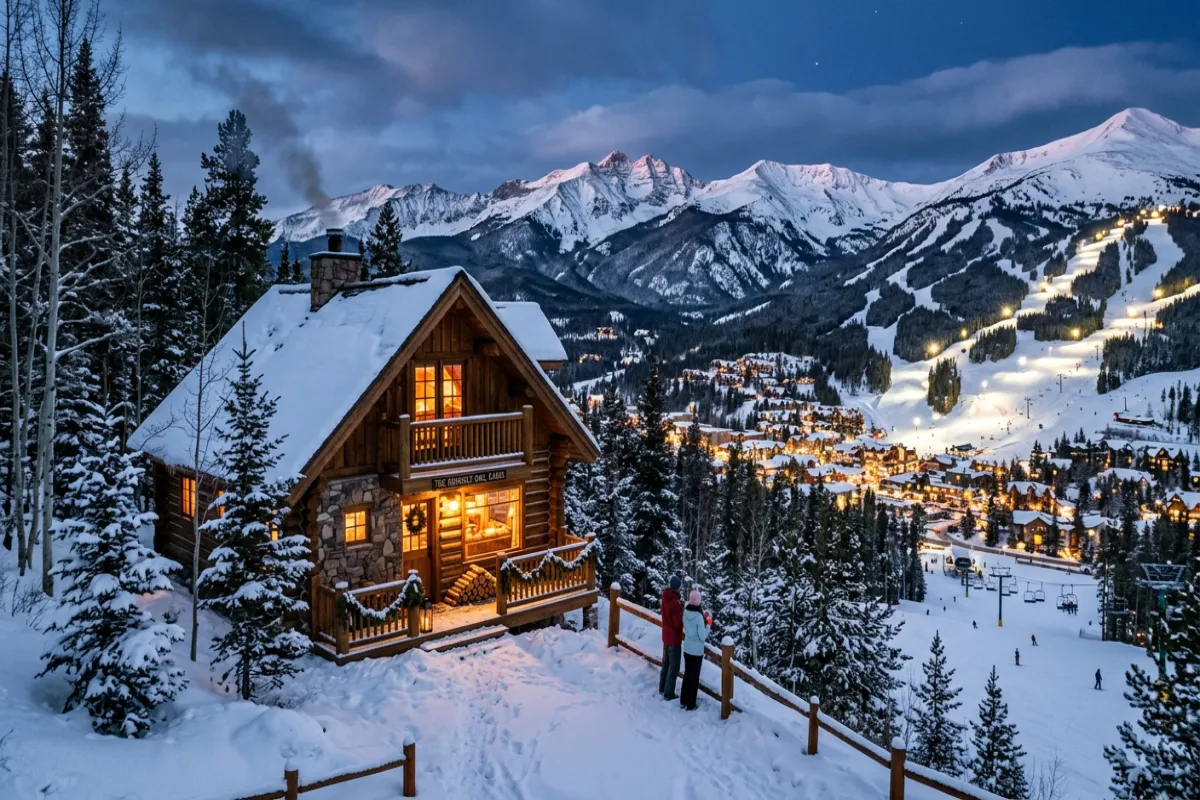
December through March is ski season. Colorado has approximately 30 ski resorts, including legendary destinations like Vail, Aspen, Breckenridge, Steamboat Springs, and Telluride. Ski season prices for lodging and lift tickets are significantly higher than other times of year, especially during holiday weeks and weekends.
September and October bring spectacular fall foliage. Aspen trees turn brilliant gold across the mountainsides, and the crowds thin out considerably. This is a sweet spot for budget-conscious travelers who still want great weather.
Year-round Denver works as a destination in any season. The city rarely gets extreme cold, and its 300+ days of sunshine make it pleasant most of the year. Spring (April and May) and fall (September and October) are shoulder seasons with lower prices and fewer tourists statewide.
How Long to Spend in Colorado
Plan for 5 to 10 days to get a well-rounded Colorado experience. Here is a rough breakdown:
- 3 to 4 days: Enough for Denver and one nearby destination (Rocky Mountain National Park or a ski resort)
- 5 to 7 days: Denver, Rocky Mountain National Park, and a mountain town or two
- 8 to 10 days: A proper road trip covering Denver, the mountains, and Southwest Colorado (Telluride, Mesa Verde, Great Sand Dunes)
- 2 weeks: The full Colorado experience, including lesser-visited gems like the San Juan Mountains, Black Canyon of the Gunnison, and the Western Slope
Colorado is a large state, and driving distances between regions can be significant. Do not try to cram too much into a short trip. It is better to explore one or two regions thoroughly than to spend most of your time on the road.
Colorado Trip Budget
Colorado is a moderately priced destination overall, but costs vary dramatically by season and location. Ski season in resort towns like Aspen and Vail is expensive. Summer in Denver and smaller mountain towns is more affordable.
Daily budget estimates per person:
- Budget ($90 to $150/day): Hostels or budget motels, cooking your own meals or eating at casual spots, free outdoor activities like hiking, and limiting paid attractions. A 7-day road trip at this level runs roughly $700 to $1,050 per person.
- Mid-range ($200 to $300/day): Three-star hotels or vacation rentals, mix of restaurants and self-catering, rental car, and a few paid activities. A week runs roughly $1,400 to $2,100 per person.
- Luxury ($400+/day): Upscale lodges, fine dining, guided tours, and ski-in/ski-out accommodations during winter. Aspen and Vail lodging alone can exceed $375 per night in peak season.
Typical costs to expect:
- Lodging: $80 to $150/night for mid-range hotels in Denver; $150 to $400+ in ski resorts during winter
- Food: $30 to $60/day for casual dining; $80+ for upscale restaurants
- Rental car: $40 to $80/day depending on season
- National park entry: $35 per vehicle at Rocky Mountain National Park (valid 7 days)
- Ski lift tickets: $150 to $250+/day at major resorts (multi-day passes and season passes like the Ikon or Epic Pass offer better value)
Use a travel budget template to track your spending and avoid surprises.
Getting There and Getting Around
Flying in
Denver International Airport (DEN) is the primary gateway to Colorado. It is the third busiest airport in the United States, serving over 82 million passengers in 2025. United Airlines, Southwest Airlines, and Frontier Airlines are the dominant carriers. DEN is well-connected with direct flights from most major US cities and several international destinations.
Smaller regional airports include Colorado Springs (COS), Eagle/Vail (EGE), Aspen (ASE), Durango (DRO), and Montrose (MTJ). These can save driving time if you are heading directly to a specific mountain destination, but flights are more limited and typically more expensive.
If you have a layover at Denver, check our Denver DEN layover guide for tips on making the most of your time.
Driving and rental cars
A rental car is essential for exploring Colorado beyond Denver. The state’s attractions are spread across vast distances, and public transit options outside the Front Range are limited. Major highways include:
- I-70: The main east-west corridor connecting Denver to the ski resorts and western Colorado. Weekend ski traffic on I-70, especially westbound on Friday evenings and eastbound on Sunday afternoons, is notoriously brutal. Leave early (before 6 AM) or travel midweek to avoid multi-hour delays.
- I-25: Runs north-south along the Front Range from Fort Collins through Denver to Colorado Springs and Pueblo.
- US-550 (Million Dollar Highway): One of America’s most scenic and dramatic mountain drives, connecting Ouray to Silverton through the San Juan Mountains.
If you are driving in winter, carry chains or rent an AWD/4WD vehicle. Colorado law (the Traction Law) requires adequate tires or traction devices on I-70 and other mountain highways during winter conditions.
Public transit alternatives
Bustang is Colorado’s state-run intercity bus service. The West Line runs from Denver to Grand Junction along I-70, with stops in Idaho Springs, Frisco, Vail, Glenwood Springs, and other mountain towns. In winter, the Snowstang service offers round-trip rides from Denver to ski resorts including Arapahoe Basin, Loveland, and Breckenridge. There is also a seasonal route from Denver and Boulder to Estes Park and Rocky Mountain National Park.
Within Denver, the RTD light rail connects the airport to downtown and surrounding suburbs. The A Line from DEN to Union Station takes about 37 minutes and costs $10.50.
Where to Stay in Colorado
Your base depends entirely on what you want to do. Here are the top areas:
- Denver (RiNo and LoDo neighborhoods): The state capital is a great starting point. RiNo (River North Art District) is the trendy neighborhood packed with breweries, street art, and restaurants. LoDo (Lower Downtown) is close to Union Station and the sports stadiums. Denver makes an excellent base for day trips to Boulder, Red Rocks, and Rocky Mountain National Park.
- Boulder: A college town with a lively downtown (Pearl Street Mall), surrounded by open space and hiking trails (the Flatirons). About 30 minutes northwest of Denver.
- Estes Park: The gateway town to Rocky Mountain National Park. Small and charming, with plenty of lodges and cabin rentals. Essential if you plan to spend multiple days in the park.
- Breckenridge: A historic mining town turned ski resort, about 90 minutes from Denver on I-70. Popular in both winter (skiing) and summer (hiking, mountain biking). One of the more affordable major ski towns.
- Vail: A purpose-built European-style ski village with world-class skiing and upscale dining. More expensive than Breckenridge but less extreme than Aspen.
- Aspen: The iconic luxury ski destination. Four mountains, designer shopping, and celebrity sightings. Beautiful in summer too, with access to the Maroon Bells. Expect premium prices.
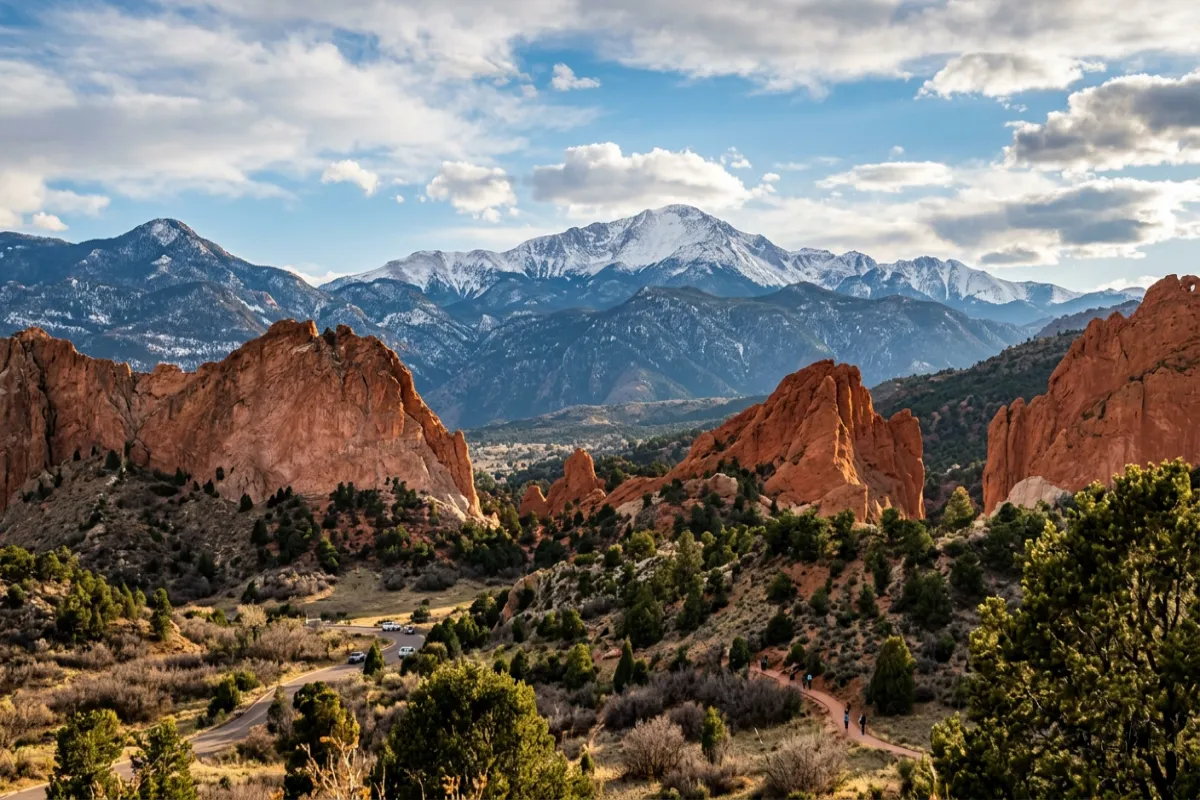
- Colorado Springs: At the base of Pikes Peak with easy access to Garden of the Gods, the Air Force Academy, and Manitou Springs. More affordable than Denver and mountain resort towns.
- Telluride: A stunning box canyon town in Southwest Colorado. Remote and gorgeous, with excellent skiing in winter and film/music festivals in summer. The free gondola connecting town to Mountain Village is a highlight.
Must-Do Experiences in Colorado
National parks and natural wonders
Rocky Mountain National Park: Colorado’s crown jewel. Trail Ridge Road, the highest continuous paved road in the United States, reaches 12,183 feet and offers staggering views. Popular hikes include Emerald Lake, Bear Lake, and Sky Pond. A timed entry reservation is required during peak season (late May through October). Book early because slots fill up fast.
Garden of the Gods: A free public park in Colorado Springs with dramatic red sandstone formations jutting out of the earth against a backdrop of Pikes Peak. Paved paths make it accessible to all fitness levels. Arrive early to beat the crowds and get the best light for photos.
Great Sand Dunes National Park: The tallest sand dunes in North America, rising over 750 feet against the Sangre de Cristo Mountains. An otherworldly landscape that feels completely out of place in Colorado. Hike the dunes in early morning or late afternoon to avoid scorching sand temperatures.
Maroon Bells: Often called the most photographed mountains in North America. These twin 14,000-foot peaks near Aspen are reflected in Maroon Lake for one of the most iconic views in the American West. Vehicle reservations are required in summer; a shuttle bus runs from Aspen Highlands.
Mesa Verde National Park: Home to over 600 cliff dwellings built by Ancestral Puebloans between 600 and 1300 CE. The Cliff Palace and Balcony House tours are fascinating and historically significant. Located in Southwest Colorado near Cortez and Durango.
Pikes Peak: One of Colorado’s famous 14ers (peaks over 14,000 feet). You can drive, take the Pikes Peak Cog Railway, or hike the Barr Trail to the 14,115-foot summit. The summit house serves the famous high-altitude donuts.
Skiing and snowboarding
Colorado has approximately 30 ski resorts with over 72,000 acres of skiable terrain. The state consistently ranks among the best skiing destinations in the world. Top resorts include Vail, Aspen (four mountains), Breckenridge, Telluride, Steamboat Springs, Winter Park, and Copper Mountain. If you plan to ski multiple days or resorts, look into the Epic Pass (covers Vail, Breckenridge, and others) or the Ikon Pass (covers Aspen, Steamboat, Winter Park, and others) for significant savings over daily lift tickets.
Outdoor adventures
Mountain biking: Colorado is a world-class mountain biking destination. Crested Butte is considered the birthplace of mountain biking. Fruita and Grand Junction offer desert riding, while Breckenridge and Winter Park have lift-served downhill trails in summer.
Whitewater rafting: The Arkansas River near Buena Vista is Colorado’s most popular rafting destination, offering everything from gentle family floats to intense Class IV rapids in the Royal Gorge. Clear Creek near Idaho Springs provides easy access from Denver. Outfitters handle all equipment and guide the trips.
Hot springs: Colorado has dozens of natural hot springs. Glenwood Hot Springs is one of the largest hot spring pools in the world. Pagosa Springs claims the deepest geothermal hot spring on Earth. Strawberry Park Hot Springs near Steamboat Springs offers a more rustic, natural setting. Soaking in hot springs after a day of skiing or hiking is a quintessential Colorado experience.
Denver craft beer scene
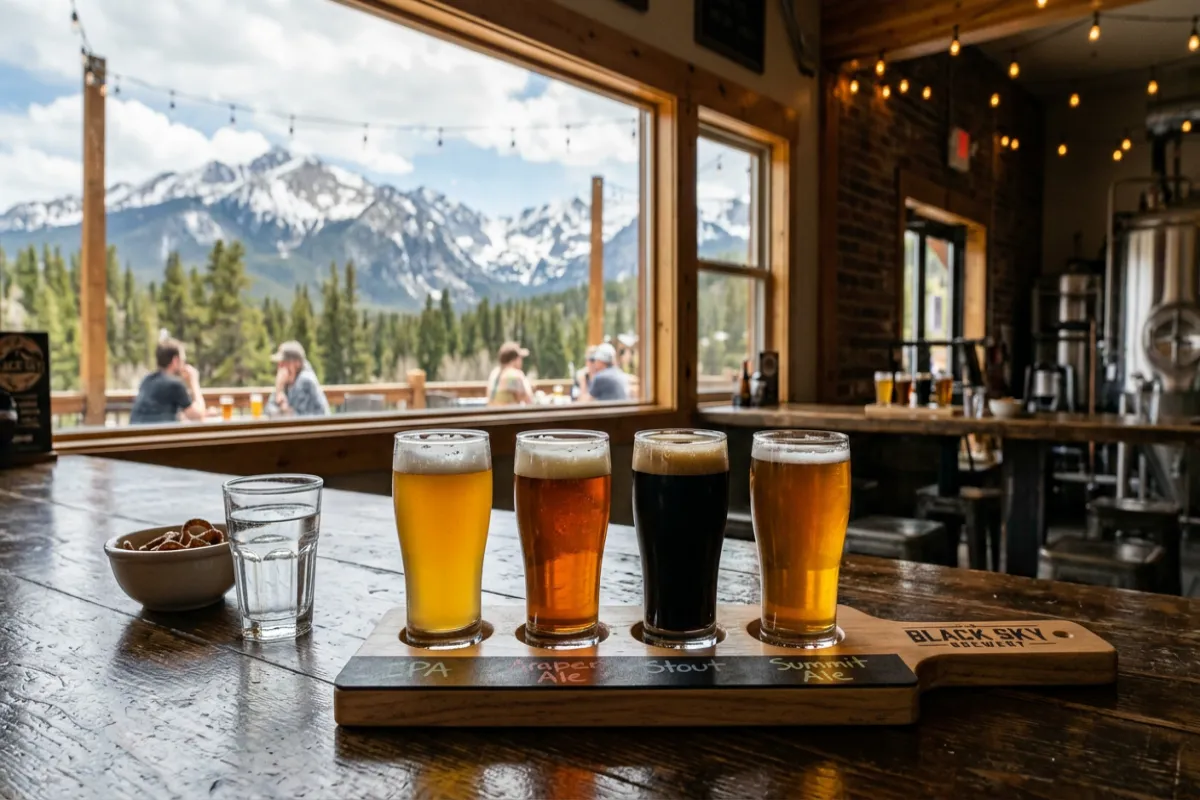
Colorado has over 420 breweries statewide, and Denver is the epicenter of the craft beer movement. The Great American Beer Festival, held annually in Denver, is the largest beer competition in the United States. The RiNo neighborhood alone has dozens of taprooms within walking distance. Notable breweries include Great Divide, Ratio Beerworks, and Odell Brewing. Denver also has a thriving food hall scene where you can pair local beer with diverse cuisine.
Food and Drink
Colorado’s food scene goes well beyond what you might expect from a mountain state.
- Green chile: Colorado takes its green chile seriously. Smothered burritos, green chile cheeseburgers, and green chile on everything from eggs to pizza. The debate over Pueblo chile vs. Hatch chile is real and passionate. Try it at least once.
- Rocky Mountain oysters: Not actual oysters. These are deep-fried bull testicles, a Colorado novelty dish. The Buckhorn Exchange in Denver, Colorado’s oldest restaurant, is a classic spot to try them if you are feeling adventurous.
- Farm-to-table dining in Denver: Denver’s restaurant scene has exploded in recent years. Neighborhoods like RiNo, LoHi, and the Highlands feature chef-driven restaurants sourcing from Colorado’s farms and ranches. The city consistently lands on national “best food cities” lists.
- Ski lodge dining: Mountain resort towns offer surprisingly good dining. Telluride, Aspen, and Vail have restaurants that rival major cities. Expect to pay premium prices, especially during ski season. Many lodges and base area restaurants offer apres-ski specials in the late afternoon.
- Craft beverages beyond beer: Colorado also has a growing distillery and cidery scene. Breckenridge Distillery, Stranahan’s Colorado Whiskey, and numerous cideries in the Grand Valley wine region add to the drinking options.
Practical Tips for Visiting Colorado
Altitude is real. Take it seriously.
This is the single most important piece of advice for Colorado visitors. Denver sits at 5,280 feet, and most mountain destinations are between 7,000 and 10,000 feet. Several popular hikes and ski runs go above 12,000 feet. Roughly 25% of visitors to elevations above 8,000 feet experience some degree of altitude sickness.
Symptoms include headache, nausea, fatigue, dizziness, and shortness of breath, usually appearing within 6 to 24 hours of arrival. To minimize the risk:
- Hydrate constantly. Drink at least 3 to 4 liters of water per day. The dry mountain air dehydrates you faster than you realize.
- Take it easy on day one. Avoid strenuous activity and heavy alcohol consumption for the first 24 to 48 hours at altitude.
- Ascend gradually. If possible, spend a night in Denver before heading to higher elevations. Going straight from sea level to a 10,000-foot ski resort is a recipe for feeling terrible.
- Talk to your doctor about acetazolamide (Diamox) if you have experienced altitude sickness before or plan to go above 10,000 feet quickly.
Sun protection is essential
UV radiation is significantly stronger at altitude. At 10,000 feet, UV exposure is roughly 30% to 40% higher than at sea level. Wear sunscreen (SPF 50+), sunglasses, and a hat even on cloudy days. Skiers and snowboarders are especially vulnerable because snow reflects UV rays. Sunburn at altitude happens much faster than most people expect.
I-70 weekend traffic
If you are driving from Denver to ski resorts on I-70, plan around the traffic. Westbound traffic on Friday afternoons and Saturday mornings can add 2 to 4 hours to what is normally a 90-minute drive to the Summit County resorts. Eastbound traffic on Sunday afternoons is equally bad. Solutions: leave Denver before 6 AM, travel on weekdays, or use the Snowstang bus service.
Cannabis
Recreational cannabis is legal in Colorado for adults 21 and older. However, public consumption (including smoking, vaping, and edibles) is prohibited. You cannot consume cannabis in parks, on sidewalks, or in most hotels. Dispensaries are widely available, but be aware that driving under the influence carries serious penalties. Many ski resorts also prohibit cannabis on their property.
Weather changes fast
Mountain weather in Colorado can shift from sunny and warm to hailing or snowing in under an hour, especially during summer afternoons. Always pack layers, a rain jacket, and warm clothing even if the forecast looks clear. Lightning is a serious hazard above treeline in summer. Plan to be off exposed ridges and summits by early afternoon.
Sample 7-Day Colorado Itinerary
This itinerary works best from late June through September. Adjust for ski season by swapping hiking for skiing and basing in a ski town instead of Estes Park.
Days 1 to 2: Denver
Arrive at Denver International Airport and settle into your hotel in RiNo or LoDo. Use these days to acclimatize to the altitude. Explore the Denver Art Museum, stroll through Larimer Square, and hit a few breweries in RiNo. Take a day trip to Red Rocks Amphitheatre (free to walk the park during the day) and the charming town of Golden. If you are a beer fan, visit the Coors Brewery in Golden for a tour.
Days 3 to 4: Rocky Mountain National Park
Drive to Estes Park (about 90 minutes from Denver) and check into your lodge. Spend two days exploring Rocky Mountain National Park. Drive Trail Ridge Road for panoramic views above treeline. Hike to Emerald Lake (moderate, about 3.6 miles round trip) and explore the Bear Lake area. Watch for elk, which are abundant in the park, especially at dawn and dusk. Book your timed entry reservation well in advance.
Days 5 to 6: Mountain town
Drive to a mountain town like Breckenridge, Vail, or Steamboat Springs (2 to 3 hours from Estes Park, depending on destination). In summer, these ski towns transform into hiking and mountain biking hubs. Ride a gondola or chairlift for views, explore the town, try a guided rafting trip, or soak in nearby hot springs. Breckenridge and Frisco are more affordable options; Vail and Aspen are more upscale.
Day 7: Colorado Springs
Head south to Colorado Springs (about 2 to 3 hours from the mountain towns). Visit Garden of the Gods in the morning for the best light. If time allows, drive or take the cog railway up Pikes Peak. Explore the artsy town of Manitou Springs for lunch before heading back to Denver for your departure.
Want help building a custom Colorado itinerary? Try our AI travel planner to create a personalized day-by-day plan.
Planning Tools and Resources
Getting organized before your trip makes a big difference, especially for a state as large and varied as Colorado. Here are some resources to help:
- How to plan a trip: Our comprehensive guide to trip planning fundamentals, from setting a budget to booking logistics.
- Road trip itinerary template: Colorado is a road trip state. Use this template to map out your route, stops, and timing.
- Travel budget template: Track your Colorado trip expenses across lodging, food, activities, and transport.
- AI travel planner: Get a personalized Colorado itinerary based on your interests, dates, and budget.
If you are combining Colorado with other Western states, check out our Yellowstone trip planning guide for a natural pairing. Many travelers combine Colorado with a Yellowstone loop through Wyoming.
Frequently Asked Questions
Is Colorado expensive to visit?
It depends on when and where you go. Ski season in resort towns is expensive, with lodging and lift tickets driving up costs significantly. Summer travel, especially in Denver and smaller towns, is more affordable. Budget travelers can manage on $90 to $150 per day, while mid-range travelers should plan for $200 to $300 per day.
Do I need a rental car in Colorado?
For most trips, yes. While Denver has decent public transit and Bustang connects some mountain towns, a rental car gives you the flexibility to explore at your own pace. This is especially true if you want to visit national parks, scenic byways, or multiple mountain towns.
How bad is altitude sickness really?
For most people, mild symptoms like headache and fatigue are manageable with hydration and rest. About 25% of visitors to elevations above 8,000 feet experience some symptoms. Serious altitude sickness is uncommon if you ascend gradually and stay hydrated. The biggest mistake is going straight from sea level to a 10,000-foot ski resort and immediately hitting the slopes.
What should I pack for Colorado?
Layers are essential year-round. Even in summer, mountain evenings can drop to the 40s. Pack sunscreen (SPF 50+), sunglasses, a rain jacket, comfortable hiking shoes, and a reusable water bottle. In winter, add warm base layers, waterproof outerwear, gloves, and a beanie. Do not forget lip balm with SPF since the dry air and sun can wreck your lips.
Is Colorado good for families?
Absolutely. Rocky Mountain National Park, Garden of the Gods, the Denver zoo, and Great Sand Dunes are all family-friendly. Many ski resorts have excellent children’s programs. Colorado Springs in particular caters well to families with a range of affordable attractions.
When is the cheapest time to visit Colorado?
The shoulder seasons offer the best value. Late April through May (after ski season, before summer hiking season) and late October through mid-December (after fall colors, before ski season peaks) generally have the lowest prices for flights and lodging.