Quick Facts About Costa Rica
Before diving into the planning details, here are the essentials every traveler should know about Costa Rica.
- Visa: US citizens can stay up to 90 days without a visa. You need a valid passport (at least one day validity on entry, though six months is strongly recommended) and proof of a return ticket.
- Currency: The official currency is the Costa Rican colon (CRC), but US dollars are widely accepted at hotels, tour operators, and restaurants in tourist areas. You will often get a better rate paying in colones at local shops and sodas.
- Language: Spanish is the official language. English is spoken in most tourist areas, but learning a few Spanish phrases goes a long way.
- Time Zone: Central Standard Time (CST), UTC-6. Costa Rica does not observe daylight saving time.
- Safety: Costa Rica is one of the safest countries in Central America. It abolished its army in 1948 and redirected those funds to education and healthcare. Standard travel precautions still apply.
- Tap Water: Safe to drink in most of the country, especially in cities and tourist areas.
Best Time to Visit Costa Rica
Costa Rica has two distinct seasons, and both offer unique advantages for travelers.
Dry Season (December to April)
This is peak tourist season. Expect sunny skies, warm temperatures, and the best conditions for beach trips and outdoor adventures. Temperatures along the coast hover between 80 and 90 degrees Fahrenheit year-round. The trade-off is higher prices and larger crowds, especially during the holidays and spring break in February and March.
Green Season (May to November)
Also called the rainy season, this is actually one of the best-kept secrets for visiting Costa Rica. Mornings are typically sunny and clear, with rain arriving in the afternoon for a few hours. The landscape is at its most lush and vibrant. Hotel rates drop significantly (often 20 to 40 percent lower), crowds thin out, and you get a more authentic experience. The shoulder months of May, June, September, and October are particularly rewarding.
The best strategy? If you want guaranteed sun, visit in January through March. If you want value and fewer tourists, aim for May, June, or early November.
How Long Should You Spend in Costa Rica?
Costa Rica may look small on a map, but do not underestimate travel times. Mountain roads wind through cloud forests, and distances that look short on a map can take several hours by car.
- 5 to 7 days: Enough to explore one coast plus Arenal or Monteverde. A focused but rewarding trip.
- 7 to 10 days: The sweet spot. You can comfortably visit Arenal, a cloud forest, and a beach destination without feeling rushed.
- 10 to 14 days: Enough time to visit both the Pacific and Caribbean coasts, plus the interior highlands.
For first-time visitors, 7 to 10 days lets you experience the country’s highlights without spending your entire vacation in a car. Use our vacation itinerary template to map out your days.
Costa Rica Travel Budget: What It Actually Costs
Costa Rica is the most expensive country in Central America, but it offers excellent value compared to destinations like Hawaii or the Caribbean islands. Here is what to expect in 2026.
Daily Budget Ranges (Per Person)
- Budget ($50 to $80/day): Hostel dorms ($15 to $25/night), meals at local sodas ($5 to $8 per casado), public buses, and free or low-cost nature activities.
- Mid-range ($120 to $200/day): Private rooms in boutique hotels ($60 to $120/night), mix of local and tourist restaurants, a rental car, and guided tours.
- Luxury ($300 to $600+/day): Eco-lodges and resorts ($200 to $500+/night), fine dining, private tours, and spa experiences.
Key Costs to Know
- Flights: Round-trip from major US cities typically runs $250 to $500, with better deals during green season.
- National park entry: $10 to $20 per person.
- Adventure activities: Ziplining, white water rafting, and guided hikes run $50 to $120 per activity.
- Rental car: $40 to $80/day for a 4×4 SUV (highly recommended).
- Departure tax: $29 USD, payable at the airport before check-in.
Track your spending with our travel budget template to stay on target.
Getting There and Getting Around
Airports
Costa Rica has two international airports. Juan Santamaria International Airport (SJO) near San Jose is the main gateway, with the most flight options from North America, Europe, and Latin America. Daniel Oduber Quiros International Airport (LIR) in Liberia serves the Guanacaste region and is ideal if your trip focuses on the northern Pacific beaches.
If you have a layover at SJO, check out our San Jose airport layover guide to make the most of your time.
Getting Around
- Rental car (recommended): A 4×4 or SUV is the best way to explore Costa Rica independently. Many roads outside major highways are unpaved, and river crossings are common on the Nicoya Peninsula and Osa Peninsula. Always opt for full insurance coverage.
- Domestic flights: Sansa Airlines operates small planes between San Jose and popular destinations like La Fortuna, Quepos (Manuel Antonio), Tortuguero, and Drake Bay. Flights are 30 to 45 minutes and save hours of driving.
- Public buses: The bus system is extensive, reliable, and incredibly cheap. Companies like Transportes Mepe and Tracopa connect most towns for $5 to $15 per ride.
- Shared shuttles: Private shuttle companies like Interbus and Grayline offer door-to-door service between tourist hubs for $40 to $60 per person.
Where to Stay in Costa Rica
Accommodation in Costa Rica ranges from backpacker hostels to world-class eco-resorts. Here are the main options by style.
- Eco-lodges: Costa Rica pioneered ecotourism, and eco-lodges remain a signature experience. Many are set deep in the rainforest or cloud forest with wildlife right outside your door. Expect $80 to $250/night.
- All-inclusives: Concentrated in the Guanacaste (Papagayo) region on the northern Pacific coast. Brands like Andaz, Four Seasons, and JW Marriott operate here. Great for beach-focused trips with families.
- Boutique hotels: Found throughout the country, these smaller properties offer personalized service and local character. $60 to $180/night.
- Hostels: Excellent hostel culture in surf towns like Tamarindo, Santa Teresa, and Puerto Viejo. Dorms run $15 to $25/night with social atmospheres.
- Vacation rentals: Airbnb and Vrbo options are abundant, especially for families and groups. A full house near the beach can run $100 to $300/night.
Must-See Destinations
Costa Rica packs an incredible amount of diversity into a country roughly the size of West Virginia. Here are the destinations that deserve a spot on your itinerary.
Arenal Volcano and La Fortuna
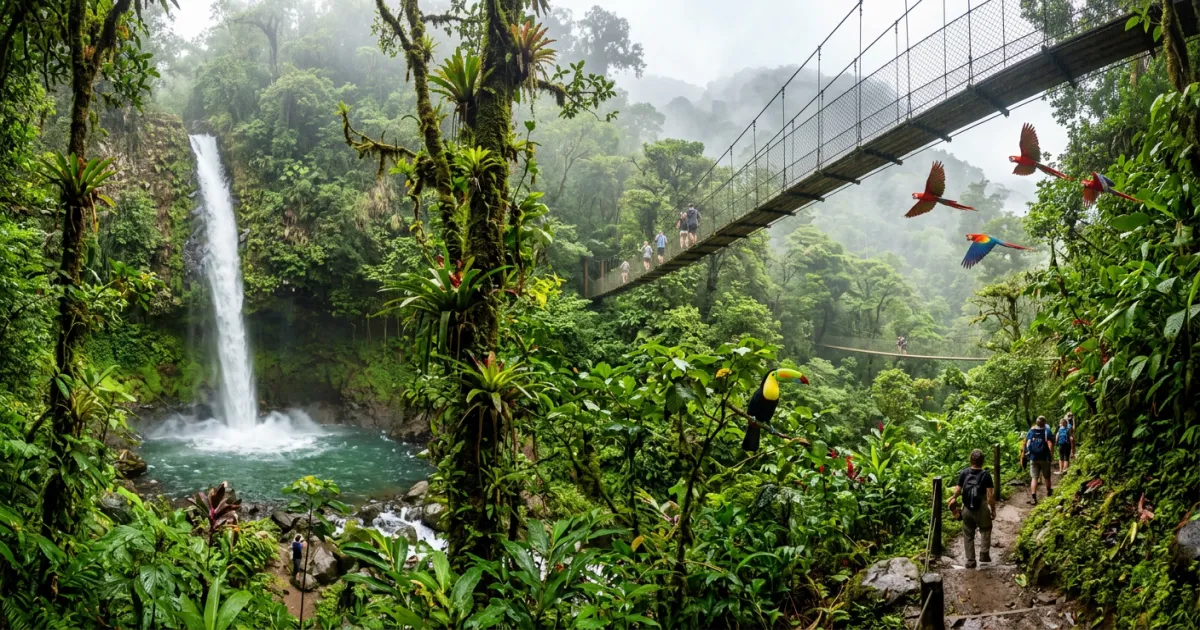
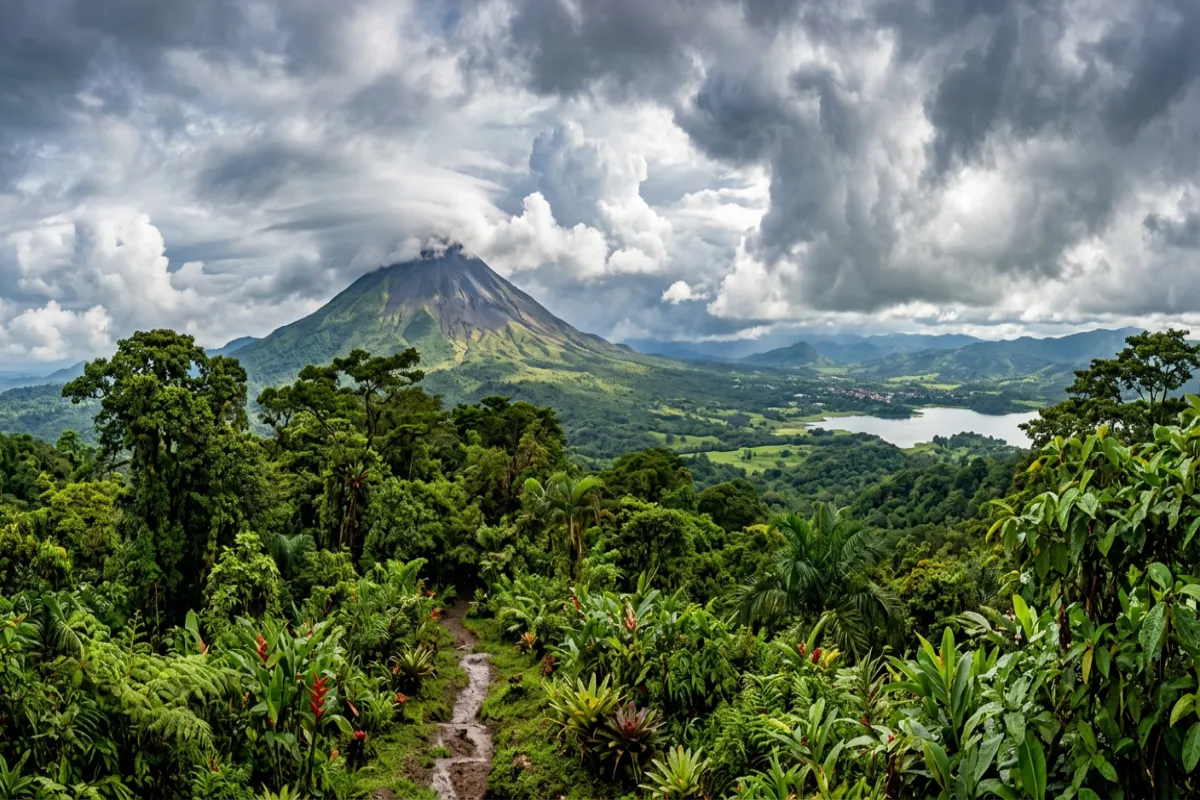
The iconic cone-shaped Arenal Volcano anchors this region. La Fortuna is the base town, offering hot springs (the natural volcanic kind), waterfall hikes, hanging bridges through the canopy, and adventure activities like canyoneering and kayaking on Lake Arenal. This is the most popular inland destination in the country, and for good reason.
Monteverde Cloud Forest
One of the most biodiverse places on Earth. The cloud forest sits at over 4,600 feet elevation and is wrapped in mist almost year-round. Walk the hanging bridges, spot the resplendent quetzal, and take a night tour to see creatures that only emerge after dark. The Santa Elena Reserve is less crowded than the main Monteverde Reserve and equally stunning.
Manuel Antonio National Park
Costa Rica’s most visited national park combines white sand beaches with tropical rainforest. Expect to see white-faced capuchin monkeys, iguanas, sloths, and raccoons right on the trails. Book your entry ticket online in advance because daily visitor numbers are capped.
Tortuguero
Accessible only by boat or small plane, this remote Caribbean destination is often called the “Amazon of Costa Rica.” The canal system winds through dense jungle, and from July to October, green sea turtles nest on the beaches in huge numbers.
Corcovado National Park (Osa Peninsula)
National Geographic once called Corcovado “the most biologically intense place on Earth.” This is Costa Rica’s wildest corner, home to all four species of Costa Rican monkeys, tapirs, scarlet macaws, and even jaguars. It requires more effort to reach (Drake Bay or Puerto Jimenez are the gateways) but rewards you with an experience unlike anywhere else in the country.
Guanacaste Beaches (Tamarindo, Nosara, Samara)
The northern Pacific coast is Costa Rica’s sun-and-surf corridor. Tamarindo is lively with nightlife and surf schools. Nosara is quieter and popular with yoga retreats and experienced surfers. Samara offers a laid-back, family-friendly beach vibe. Group surf lessons cost around $60, and private lessons run $80 to $100.
Rio Celeste
Inside Tenorio Volcano National Park, Rio Celeste is a river with an otherworldly turquoise blue color caused by a natural chemical reaction of volcanic minerals. The hike to the waterfall is about 6 kilometers round trip and is one of the most photographed spots in the country.
Wildlife You Will Encounter
Costa Rica contains roughly 5 percent of the world’s biodiversity in just 0.03 percent of its land area. Wildlife sightings are practically guaranteed.
- Sloths: Both two-toed and three-toed sloths live throughout the country. Manuel Antonio and Monteverde are hotspots. Look for them hanging in cecropia trees.
- Monkeys: Four species call Costa Rica home: howler monkeys (you will hear them before you see them), white-faced capuchins, spider monkeys, and squirrel monkeys.
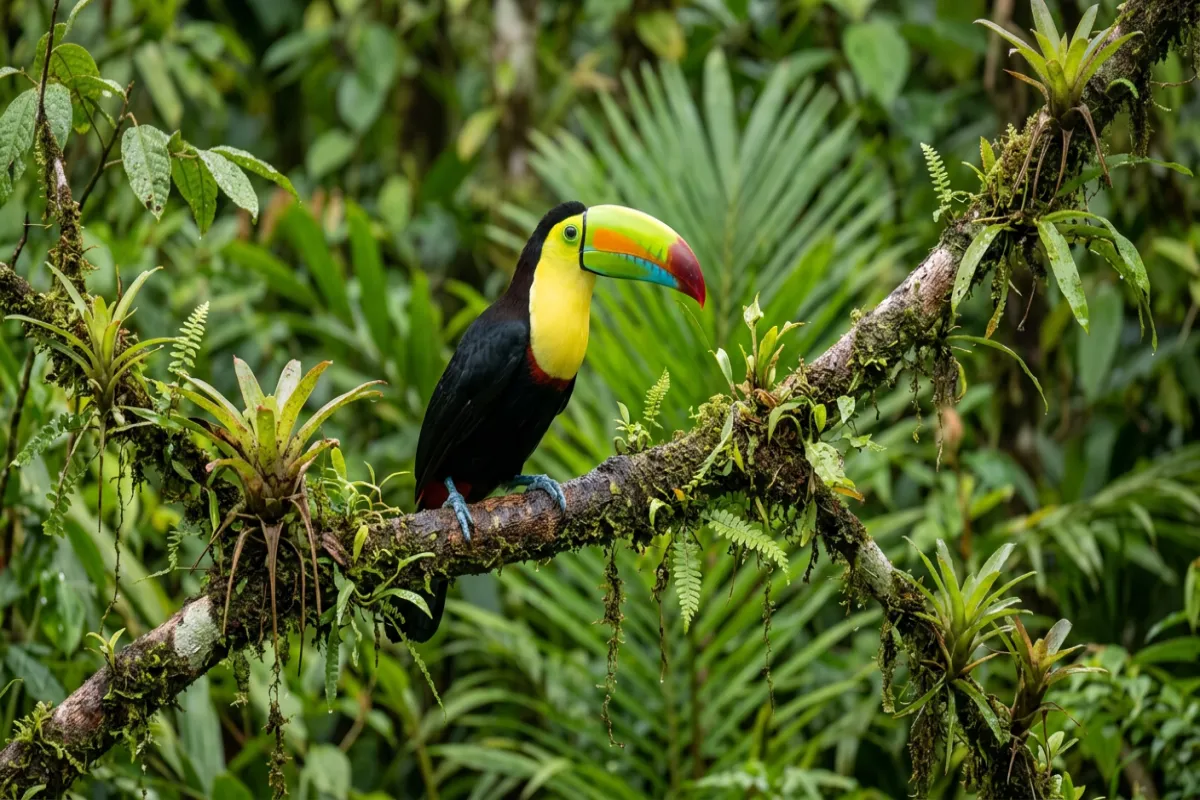
- Toucans: The keel-billed toucan and the smaller fiery-billed aracari are commonly spotted in lowland and mid-elevation forests.
- Sea turtles: Olive ridley, green, hawksbill, and leatherback turtles nest on both coasts. Tortuguero (Caribbean, July to October) and Ostional (Pacific, year-round) are the best viewing spots.
- Resplendent quetzal: The legendary bird of Central American cloud forests. Best spotted in Monteverde and the San Gerardo de Dota valley from January through April during nesting season.
- Scarlet macaws: Bright red, yellow, and blue parrots seen in pairs flying over the canopy, especially around Corcovado and Carara National Park.
Costa Rican Food and Drink
Costa Rican cuisine is hearty, fresh, and built around simple ingredients done well.
- Gallo pinto: The national dish. Rice and black beans stir-fried together, served at breakfast with eggs, sour cream, and tortillas. Every household has its own version.
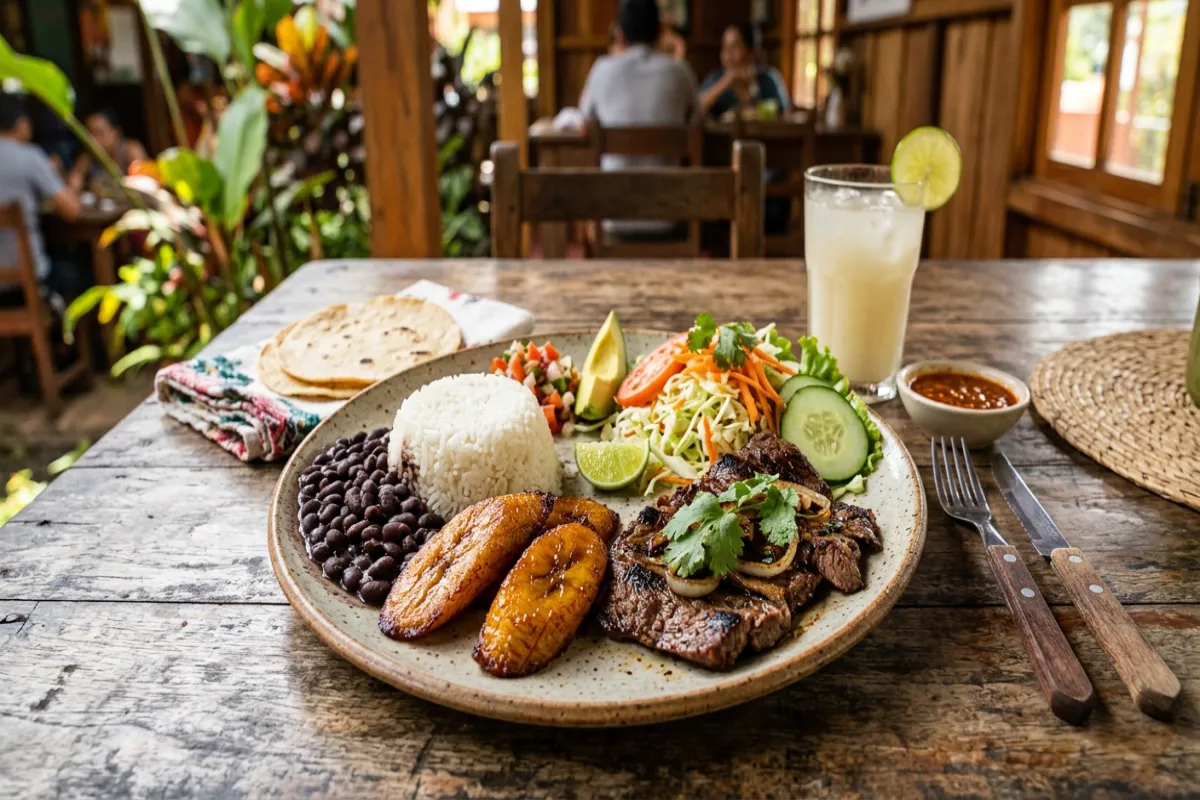
- Casado: The everyday lunch plate. Rice, beans, salad, fried plantains, and a protein (chicken, fish, beef, or pork). Found at local sodas for $5 to $8.
- Ceviche: Fresh fish marinated in lime juice with onions, cilantro, and peppers. The Pacific coast versions are outstanding.
- Fresh fruit: Mangoes, papayas, pineapple, guanabana (soursop), and cas (a tart local fruit used in drinks). Fruit stands are everywhere.
- Coffee: Costa Rica produces some of the world’s finest arabica coffee. Visit a coffee plantation in the Central Valley (near San Jose) for tours and tastings. The Tarrazu and West Valley regions are particularly renowned.
- Agua de sapo: A refreshing traditional drink made from lemon, ginger, and sugarcane. Try it at any soda in the Caribbean region.
Budget tip: Eating at sodas (small family-run restaurants found in every town) is the most affordable and authentic way to eat in Costa Rica. A full casado rarely costs more than $8.
Practical Tips for Your Trip
Pura Vida Culture
“Pura vida” literally means “pure life,” and it is far more than a catchphrase. Costa Ricans use it as a greeting, a farewell, an expression of gratitude, and a way of life. The concept encourages slowing down, appreciating what you have, and staying positive. Embrace this mindset and your trip will be better for it.
Money Tips
- ATMs are available in all major towns. Look for Banco Nacional or BAC San Jose for the best exchange rates.
- Carry some colones for small purchases, bus fares, and tipping. USD works for most tourist transactions, but change is usually given in colones.
- Credit cards are accepted at most hotels and restaurants. Visa and Mastercard have the widest acceptance.
Green Season Advantages
- Hotel rates drop 20 to 40 percent compared to peak season.
- National parks and attractions are less crowded.
- The landscape is at its greenest and most dramatic.
- Mornings are almost always sunny, with rain arriving in the afternoon.
- Wildlife is more active, and rivers and waterfalls are at full volume.
Sun and Rain Protection
- Pack reef-safe sunscreen (SPF 50+). The tropical sun is intense, even on cloudy days.
- A lightweight rain jacket or poncho is essential year-round.
- Quick-dry clothing makes a huge difference when moving between microclimates.
- Bring waterproof bags for electronics during boat tours and jungle hikes.
Health and Safety
- No special vaccinations are required for US travelers, but consult your doctor about hepatitis A and typhoid recommendations.
- Mosquito repellent with DEET is recommended, especially in lowland and Caribbean areas.
- Purchase travel insurance before your trip. Medical care is good in San Jose but limited in remote areas.
Sample 10-Day Costa Rica Itinerary
This itinerary covers Costa Rica’s top highlights without too much driving. It works for first-time visitors and can be adapted to your pace and interests.
Day 1: Arrive in San Jose
Fly into SJO, pick up your rental car, and spend the night near the airport or in the Central Valley. If you arrive early, visit a coffee farm in the Tarrazu region or explore the Mercado Central in downtown San Jose.
Days 2 to 4: Arenal and La Fortuna (3 Nights)
Drive 3 hours to La Fortuna. Spend three days exploring Arenal Volcano, soaking in hot springs (Tabacon and Baldi are the most popular; Titoku is a more affordable alternative), hiking to La Fortuna Waterfall, crossing hanging bridges, and kayaking on Lake Arenal. Consider a guided night walk to spot red-eyed tree frogs, kinkajous, and sleeping birds.
Days 5 to 6: Monteverde Cloud Forest (2 Nights)
Drive 3 to 4 hours (or take the scenic Arenal lake-and-jeep transfer) to Monteverde. Walk the hanging bridges, take a guided birdwatching tour to spot the quetzal, explore the butterfly gardens, and try a night tour. The drive between Arenal and Monteverde is rough but beautiful.
Days 7 to 9: Manuel Antonio (3 Nights)
Drive 4 hours south to the Pacific coast. Visit Manuel Antonio National Park (book tickets online in advance), relax on Playa Espadilla, take a sunset catamaran tour, and try a mangrove kayaking trip. This is the most reliable spot for sloth and monkey sightings.
Day 10: Return to San Jose
Drive 3 hours back to San Jose for your departure flight. If your flight is in the evening, stop in the town of Atenas or Sarchi for a last coffee and souvenir shopping.
Want to extend your trip? Add 3 days on the Caribbean coast in Puerto Viejo for a completely different vibe: reggae culture, Afro-Caribbean cuisine, and the Cahuita National Park coral reef.
Planning Tools
Make your Costa Rica planning easier with these free resources.
- How to plan a trip: Our complete trip planning framework that works for any destination.
- AI travel planner: Get a personalized Costa Rica itinerary built around your dates, budget, and interests.
- Vacation itinerary template: Organize your day-by-day schedule with our free template.
- Travel budget template: Track flights, hotels, activities, and daily spending.
Already planning more trips? See our Hawaii planning guide for another popular warm-weather destination.
Frequently Asked Questions
Do I need a visa to visit Costa Rica?
No. US citizens can stay up to 90 days without a visa. You need a valid passport and proof of a return or onward ticket.
Is Costa Rica safe for tourists?
Yes. Costa Rica is one of the safest countries in Central America and has had no military since 1948. Use common sense precautions like you would anywhere: keep valuables secure, avoid isolated areas at night, and use reputable tour operators.
What is the best time to visit Costa Rica?
Dry season (December to April) offers the most predictable weather. Green season (May to November) offers lower prices, fewer crowds, and greener landscapes. Both are great times to visit.
Do I need a 4×4 rental car?
Strongly recommended. Many roads outside major highways are unpaved, and some river crossings require higher clearance. If you are staying in Guanacaste only and using paved roads, a standard car can work.
How much should I budget for a week in Costa Rica?
A comfortable mid-range trip costs $120 to $200 per person per day, including accommodation, meals, transportation, and activities. Budget travelers can get by on $50 to $80 per day using hostels and public buses.
Can I use US dollars in Costa Rica?
Yes, USD is widely accepted in tourist areas. However, you will usually get a better deal paying in colones at local businesses. ATMs dispense colones throughout the country.
What should I pack for Costa Rica?
Lightweight, quick-dry clothing, a rain jacket, reef-safe sunscreen, insect repellent, a reusable water bottle, sturdy hiking shoes, and sandals for the beach. Pack layers if visiting cloud forests, where temperatures can drop into the 50s and 60s Fahrenheit.