Quick Facts About Egypt
Egypt is one of the most rewarding travel destinations on the planet, and it is surprisingly affordable. Before you start planning, here are the basics you need to know:
- Visa: US citizens get a visa on arrival at any Egyptian airport for $30 USD cash (increased from $25 in March 2026). You can also apply for an e-visa online for $25 before your trip.
- Currency: Egyptian Pound (EGP). The pound has weakened significantly against the dollar in recent years, making Egypt exceptional value for American travelers. ATMs are widely available in cities and tourist areas, but always carry cash for markets, tips, and smaller vendors.
- Language: Arabic is the official language, but English is widely spoken in tourist areas, hotels, and restaurants. You will have no trouble communicating in Cairo, Luxor, Aswan, and the Red Sea resorts.
- Time Zone: Eastern European Time (EET), UTC+2.
- Cost: Very affordable. Budget travelers can manage on $25-40 per day. Mid-range travelers should plan for $50-100 per day including accommodation, meals, entrance fees, and local transport.
If you are in the early stages of trip planning, our general trip planning guide walks you through the process step by step.
Best Time to Visit Egypt
Egypt has a desert climate, and timing your visit correctly makes a huge difference in your experience.
October through April is the best window for visiting Egypt. Temperatures are comfortable, skies are clear, and you can explore outdoor sites without battling extreme heat. November through February is the ideal sweet spot, with daytime highs in Cairo around 65-75F (18-24C) and cool evenings.
Avoid June through August unless you are heading exclusively to the Red Sea coast. Inland temperatures regularly exceed 100F (38C), and exploring the Pyramids or Valley of the Kings in that heat is genuinely miserable. The Giza plateau at midday in summer offers no shade and full sun.
Shoulder months (May, September, October) offer a good compromise: slightly warmer temperatures but fewer crowds and lower prices on flights and hotels.
Ramadan note: Ramadan dates shift each year based on the Islamic calendar. During Ramadan, many restaurants close during daylight hours, though tourist-oriented restaurants in hotels and major areas typically stay open. Evenings come alive after sunset with iftar meals and festive atmosphere.
How Long to Spend in Egypt
Plan for 7 to 10 days as a minimum for a first trip. Egypt’s major highlights are spread across a large country, and you need travel days between destinations.
- 5 days: Enough for Cairo and a quick trip to Luxor, but rushed.
- 7 days: Cairo, Luxor, and either Aswan or the Red Sea. A solid introduction.
- 10 days: The sweet spot. Cairo, a Nile cruise from Luxor to Aswan, Abu Simbel, and time to actually enjoy each place without racing through.
- 14+ days: Add the Red Sea (Hurghada or Sharm el-Sheikh), Alexandria, the Siwa Oasis, or the White Desert.
Use our vacation itinerary template to map out your day-by-day plan.
Egypt Trip Budget Breakdown
Egypt is one of the most budget-friendly destinations you can visit. Here is what to expect at different spending levels for a 10-day trip:
Budget ($25-40/day per person):
- Hostels or basic guesthouses: $8-15/night
- Street food and local restaurants: $5-10/day
- Public transport, shared taxis: $3-5/day
- Site entrance fees: $5-15/day
- Total 10-day estimate: $250-400 per person (excluding international flights)
Mid-range ($50-100/day per person):
- 3-star hotels: $30-60/night
- Mix of local and tourist restaurants: $10-20/day
- Private drivers, occasional taxis: $10-20/day
- Guided tours and entrance fees: $15-30/day
- Total 10-day estimate: $500-1,000 per person
Comfort ($100-200/day per person):
- 4-5 star hotels, Nile cruise: $80-150/night
- Hotel and upscale restaurants: $20-40/day
- Private guides and drivers: $30-50/day
- Total 10-day estimate: $1,000-2,000 per person
Track your spending with our travel budget template.
Getting There and Getting Around
International flights arrive at Cairo International Airport (CAI), the country’s main gateway. Direct flights from New York (JFK) take about 11 hours. EgyptAir operates nonstop routes from several US cities. Other major carriers serving Cairo include Emirates, Turkish Airlines, Lufthansa, and British Airways with connections through their hubs.
Domestic flights are the fastest way to cover long distances within Egypt. EgyptAir and Nile Air operate frequent flights from Cairo to Luxor (1 hour), Aswan (1.5 hours), Hurghada, and Sharm el-Sheikh. Domestic flights are affordable, often $50-100 one way.
Trains connect Cairo, Luxor, and Aswan along the Nile Valley. The overnight sleeper train from Cairo to Luxor or Aswan is a classic Egyptian experience and saves a night of accommodation. First and second class on daytime trains are comfortable and scenic.
Nile cruises are both transportation and experience. Most cruises run between Luxor and Aswan (3-4 nights), stopping at temples along the way. Budget cruises start around $150-200 per person for 3 nights including meals and guided visits. This is one of the best ways to see Upper Egypt.
Private drivers are common and surprisingly cheap. A full-day private car with driver costs $50-100 depending on distance. For groups of 2-4 people, this is often the most comfortable and cost-effective way to get around.
If you have a layover in Cairo, check our Cairo airport layover guide for tips on making the most of your time.
Where to Stay in Egypt
Cairo: Choose between staying near the Pyramids in Giza (great for sunset views and easy pyramid access) or in downtown Cairo (closer to the Egyptian Museum, Islamic Cairo, and nightlife). Zamalek on Gezira Island is a popular upscale neighborhood with a quieter feel. Budget options are plentiful everywhere.
Luxor: Stay on the East Bank for easy access to Karnak and Luxor temples, restaurants, and shops. The West Bank puts you closer to the Valley of the Kings but has fewer dining options. Many travelers do both with a taxi across the Nile.
Aswan: One of the most relaxed cities in Egypt. Hotels along the Nile corniche offer gorgeous views. Aswan is the launching point for Abu Simbel day trips and felucca rides around Elephantine Island.
Red Sea (Hurghada and Sharm el-Sheikh): All-inclusive resorts dominate here. Hurghada is more accessible from the Nile Valley, while Sharm el-Sheikh on the Sinai Peninsula is known for world-class diving at Ras Mohammed National Park. Both offer excellent snorkeling and diving at reasonable prices.
Must-See Places in Egypt
Pyramids of Giza and the Great Sphinx
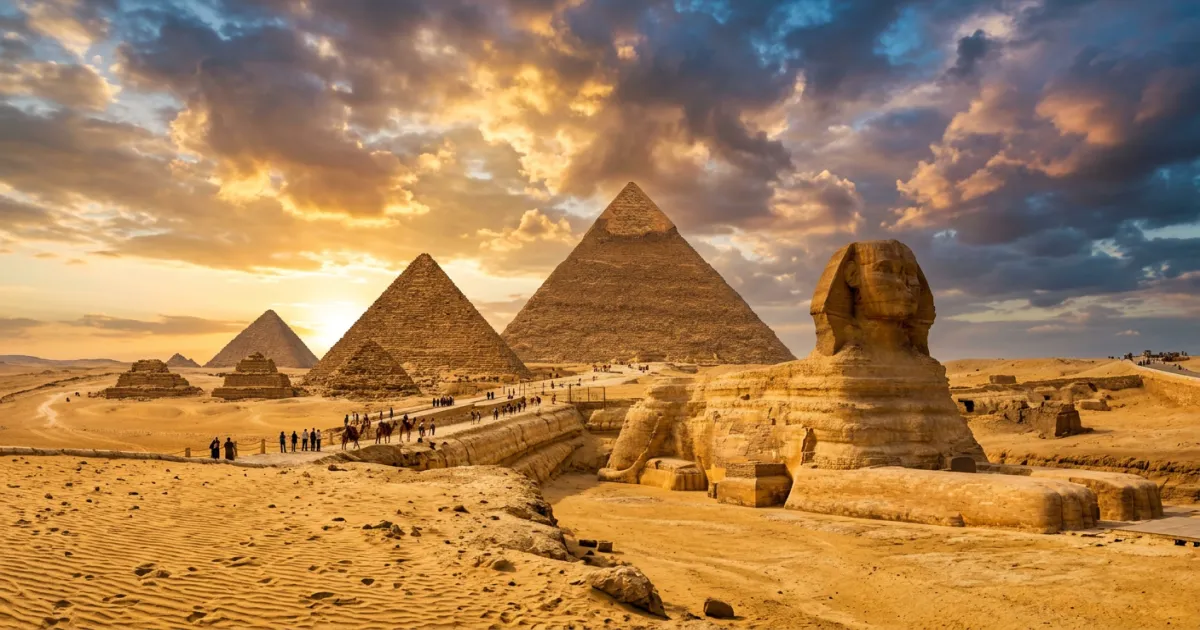
The last surviving Wonder of the Ancient World. The Great Pyramid of Khufu, the Pyramid of Khafre, and the Pyramid of Menkaure along with the iconic Sphinx are the reason most people visit Egypt. Go at sunrise to beat the heat and crowds. You can enter the Great Pyramid for an additional fee. Allow a full morning here.
Grand Egyptian Museum (GEM)
Officially opened in November 2025 after years of delays, the Grand Egyptian Museum sits just 2 kilometers from the Pyramids of Giza. It is the largest archaeological museum in the world, housing over 100,000 artifacts including the complete Tutankhamun collection (over 5,000 items). This is now the definitive museum experience in Egypt and worth at least half a day.
Valley of the Kings, Luxor
The burial ground of pharaohs for nearly 500 years, including the famous tomb of Tutankhamun. Over 60 tombs have been discovered here. Your standard ticket covers entry to three tombs, with popular tombs like Ramesses VI and Seti I requiring separate tickets. The colors on the tomb walls are astonishingly well preserved.
Karnak Temple Complex
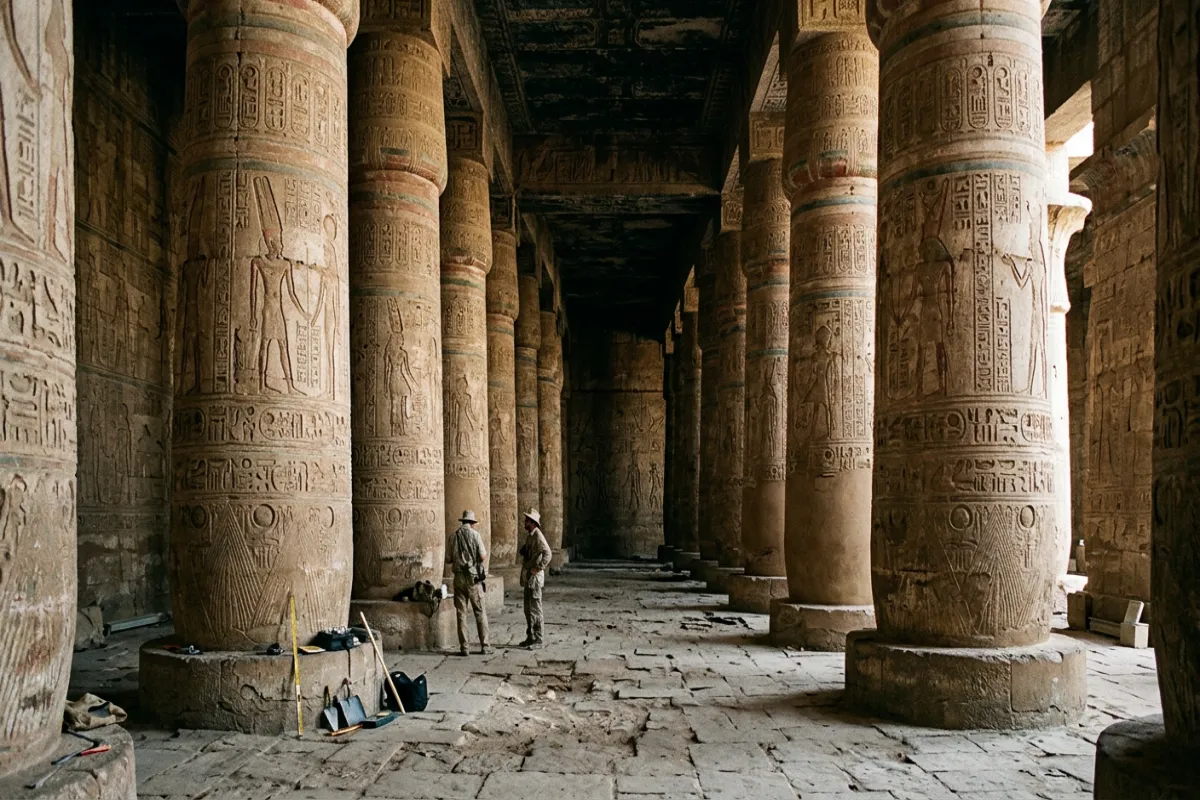
The largest ancient religious site in the world, built over 2,000 years by successive pharaohs. The Great Hypostyle Hall with its 134 massive columns is one of the most impressive sights in all of Egypt. Visit at opening time or late afternoon for the best light and smallest crowds.
Abu Simbel
Two massive rock-cut temples built by Ramesses II on the shores of Lake Nasser, near the Sudanese border. The temples were relocated in a remarkable UNESCO engineering project in the 1960s to save them from rising Nile waters. Most visitors fly from Aswan (30 minutes each way) for a day trip, or join the pre-dawn convoy that departs around 3:30 AM.
Nile Cruise: Luxor to Aswan
A multi-day cruise between Luxor and Aswan is one of the most iconic travel experiences in the world. You will stop at Edfu Temple (one of the best-preserved in Egypt), Kom Ombo (a unique double temple), and smaller sites along the way. Watching the Nile landscape drift past from the sundeck is unforgettable.
Islamic Cairo and Khan el-Khalili Bazaar
The medieval heart of Cairo is a UNESCO World Heritage Site packed with mosques, madrasas, and the famous Khan el-Khalili bazaar. The bazaar has been a center of trade since the 14th century. Come here for spices, perfumes, lanterns, papyrus, and the full sensory experience of a Middle Eastern souk. Haggling is expected and part of the fun.
Egyptian Museum (Tahrir Square)
The original Egyptian Museum in downtown Cairo still houses an enormous collection even after many artifacts moved to the Grand Egyptian Museum. It remains worth a visit for its sheer density of antiquities, though it feels charmingly old-school compared to the new GEM.
Red Sea Snorkeling and Diving
The Red Sea has some of the best coral reefs and underwater visibility in the world. Hurghada and Sharm el-Sheikh are the main hubs, with Dahab offering a more laid-back vibe. Even if you are not a diver, snorkeling trips are cheap and the marine life is spectacular. The water stays warm year-round.
Siwa Oasis
A remote desert oasis near the Libyan border, Siwa feels like a different country entirely. Salt lakes, date palm groves, ancient ruins, and a Berber culture distinct from the rest of Egypt make it a unique detour. It takes about 8 hours by bus from Alexandria or Marsa Matruh. Best for travelers with extra time who want something off the beaten path.
Alexandria
Egypt’s Mediterranean port city offers a completely different atmosphere from the rest of the country. The Bibliotheca Alexandrina (a modern tribute to the ancient Library of Alexandria), the Catacombs of Kom el-Shoqafa, and excellent seafood make it a worthwhile 1-2 day side trip from Cairo (2.5 hours by train).
Egyptian Food You Need to Try
Egyptian food is hearty, flavorful, and incredibly cheap. Here is what to eat:
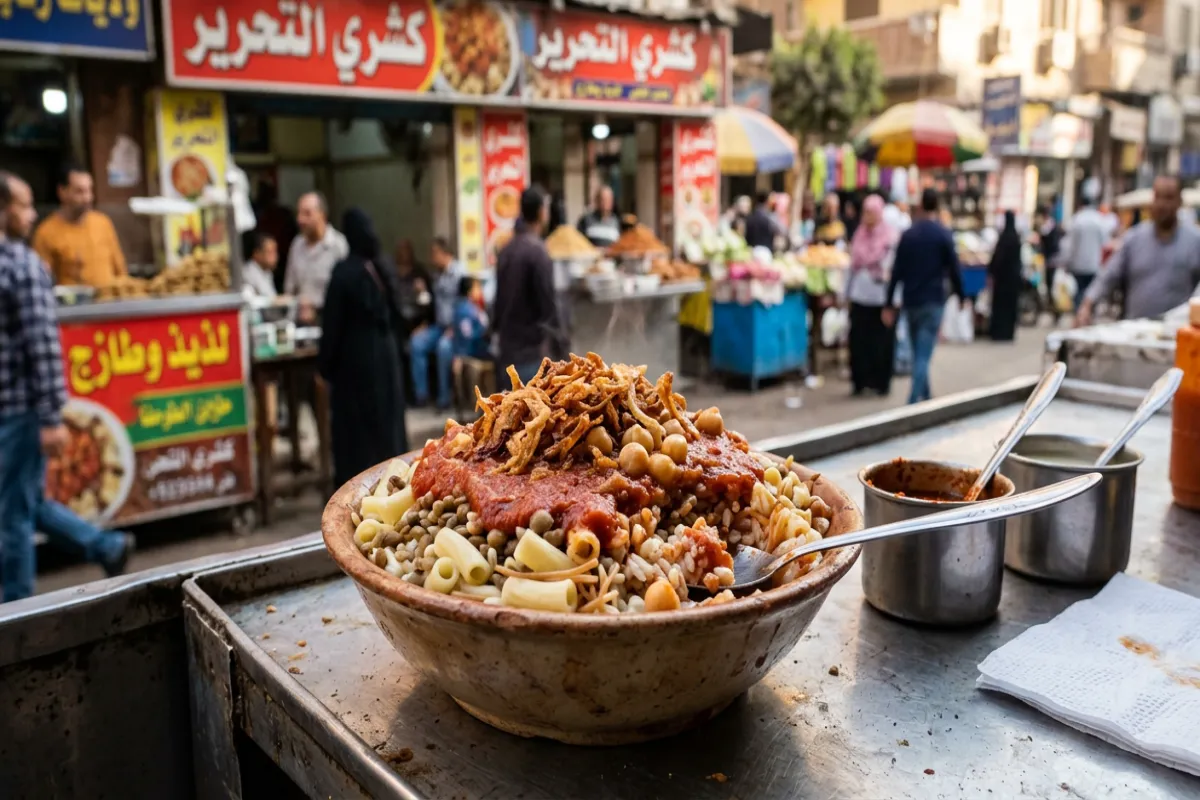
- Koshari: Egypt’s national dish. A carb-lover’s dream of rice, lentils, macaroni, chickpeas, crispy fried onions, and tangy tomato sauce. A huge plate costs less than $1 from street vendors. Every Egyptian has a favorite koshari spot.
- Ful medames: Slow-cooked fava beans seasoned with cumin, lemon, and olive oil. The standard Egyptian breakfast, served with fresh bread. You will find it everywhere from street carts to hotel buffets.
- Ta’ameya (Egyptian falafel): Made from fava beans instead of chickpeas (unlike the rest of the Middle East), giving them a bright green interior and lighter texture. A ta’ameya sandwich costs well under $1.
- Shawarma: Seasoned meat carved from a rotating spit and served in bread with tahini and pickled vegetables. Egyptian shawarma is excellent and costs $1-3 from street vendors.
- Egyptian bread (aish baladi): The round, slightly puffy flatbread served with every meal. “Aish” literally means “life” in Egyptian Arabic, and that is not an exaggeration of how central bread is to the cuisine.
- Fresh juice: Egypt runs on fresh juice. Mango, guava, strawberry, sugarcane, and orange juice stands are everywhere and cost pennies. The sugarcane juice is especially refreshing in the heat.
- Shisha (hookah): Not food, but an essential part of Egyptian cafe culture. Sitting at an ahwa (traditional coffeehouse) smoking shisha and drinking strong Egyptian tea or Turkish coffee is how Egyptians socialize. Apple and grape flavors are the most popular.
Tipping at restaurants: A 10-12% service charge is often included on your bill, but it does not always go to your server. Leaving an additional 5-10% in cash directly for your waiter is customary.
Practical Tips for Visiting Egypt
Baksheesh (Tipping Culture)
Baksheesh is a way of life in Egypt. Everyone from bathroom attendants to parking helpers to the person who “shows you something” at a temple will expect a small tip. This is not a scam; it is genuinely part of the culture. Carry a stack of small bills (EGP 10-20 notes) at all times. Budget $5-10 USD per day for baksheesh and you will navigate Egypt smoothly.
Haggling
Prices in souks and markets are never fixed. Vendors expect you to negotiate, and the first price quoted is typically 3-5 times the actual value. Start at about one-third of the asking price and work from there. Keep it friendly, smile, and be willing to walk away. Walking away is often the most effective negotiation tactic.
What to Wear
Egypt is a conservative Muslim country. Both men and women should dress modestly outside of resort areas. Women should cover shoulders and knees, and carry a scarf for visiting mosques (where head covering is required). Loose, breathable clothing in light colors works best for the heat. Comfortable walking shoes are essential for temple sites and uneven terrain.
Scams and Touts at Tourist Sites
The Pyramids area has some of the most aggressive touts you will encounter anywhere. Common tactics include “free” camel rides that suddenly cost $50, unsolicited “guides” who demand payment, and people placing items in your hands and then charging for them. Be firm with a polite “no, thank you” (la, shukran) and keep walking. Never agree to anything without confirming the price first. Inside the major sites, licensed guides are generally professional and worth hiring.
Water Safety
Do not drink tap water in Egypt. Bottled water is available everywhere for a few cents. Use bottled water for brushing your teeth as well, especially in your first few days. Avoid ice in drinks at smaller restaurants, though hotels and upscale restaurants use filtered water for ice.
Ramadan Considerations
During Ramadan, eating, drinking, and smoking in public during daylight hours is considered disrespectful. Tourist restaurants in hotels typically remain open, but many local restaurants close until sunset. The upside of visiting during Ramadan is that evenings are festive and lively, with special foods and celebrations after iftar (the sunset meal).
Health and Safety
Egypt’s main tourist areas (Cairo, Luxor, Aswan, Red Sea resorts) are safe and well-patrolled. Avoid the North Sinai region and areas near the Libyan border. The US State Department maintains a Level 3 advisory for Egypt, so check current conditions before you travel. Carry copies of your passport and save the US Embassy number in Cairo: +20-2-2797-3300.
Connectivity
Pick up a local SIM card at the airport from Vodafone, Orange, or Etisalat for $5-10. Data is cheap and coverage is good in cities and along the Nile. Wi-Fi is available at most hotels but quality varies widely.
Sample 10-Day Egypt Itinerary
Here is a practical itinerary that covers Egypt’s greatest hits without feeling rushed:
Days 1-3: Cairo
- Day 1: Arrive Cairo. Check in, rest, explore your neighborhood. Evening walk along the Nile.
- Day 2: Pyramids of Giza and Sphinx at sunrise, then the Grand Egyptian Museum (allow 3-4 hours). Sunset dinner overlooking the pyramids.
- Day 3: Egyptian Museum at Tahrir Square in the morning. Afternoon exploring Islamic Cairo and Khan el-Khalili bazaar. Try koshari for lunch at a local spot.
Day 4: Fly to Luxor
- Morning flight Cairo to Luxor (1 hour). Afternoon visit Karnak Temple. Evening sound and light show at Karnak or stroll the corniche.
Days 5-7: Nile Cruise (Luxor to Aswan)
- Day 5: Board your cruise. Morning visit to Valley of the Kings and Hatshepsut Temple on the West Bank before departure.
- Day 6: Cruise stops at Edfu Temple (dedicated to Horus) and Kom Ombo Temple (unique double temple shared by Sobek and Horus).
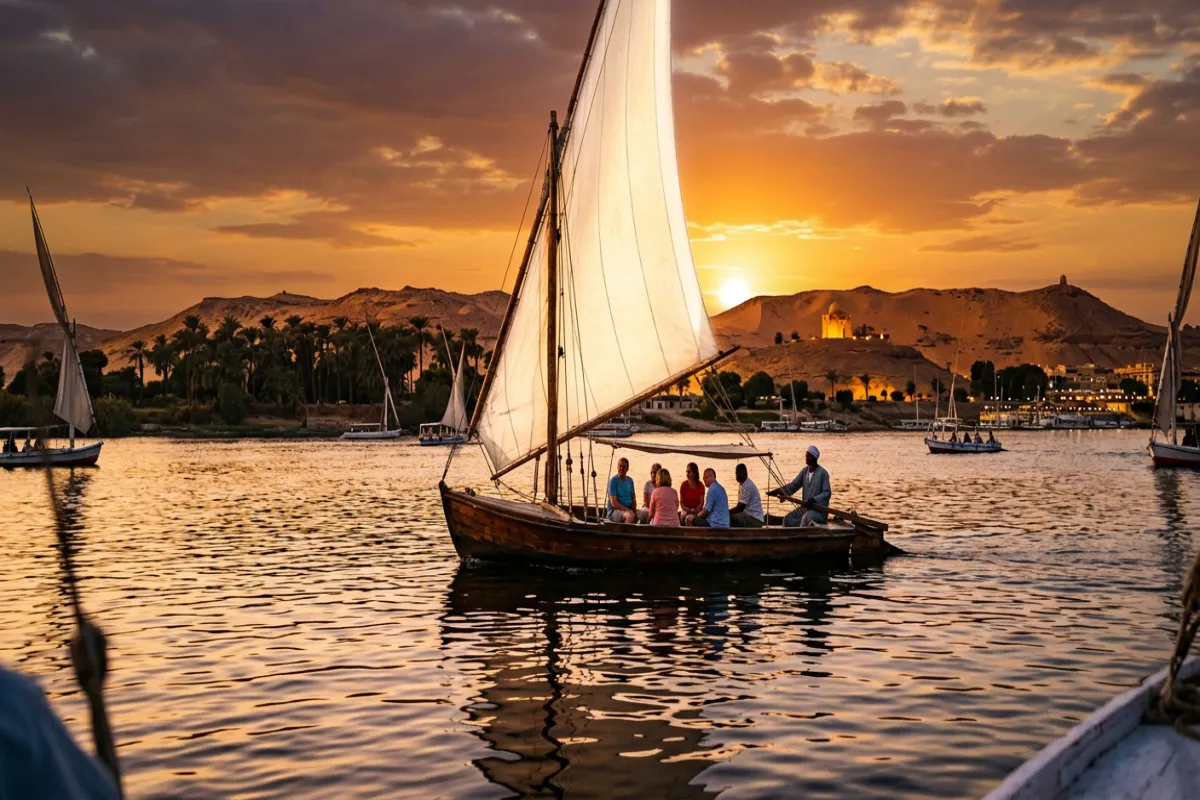
- Day 7: Arrive Aswan. Visit Philae Temple on Agilkia Island and the Aswan High Dam. Evening felucca ride around Elephantine Island at sunset.
Day 8: Abu Simbel Day Trip
- Pre-dawn departure from Aswan (3:30 AM convoy or short flight). Explore both temples of Ramesses II and Nefertari. Return to Aswan by early afternoon. Free evening to explore the Aswan souk.
Day 9: Aswan to Cairo
- Morning flight back to Cairo. Afternoon for last-minute shopping, visiting the Citadel of Saladin, or relaxing at a Nile-side cafe with shisha and tea.
Day 10: Departure
- Depending on flight time, squeeze in any sights you missed or enjoy a final Egyptian breakfast before heading to the airport.
Optional extensions: Add 2-3 days for the Red Sea (Hurghada, fly from Luxor or Cairo), 1-2 days for Alexandria (train from Cairo), or 3 days for Siwa Oasis.
Planning Tools
These free tools will help you organize your Egypt trip:
- AI Travel Planner: Get a personalized Egypt itinerary based on your dates, interests, and budget.
- Vacation Itinerary Template: Map out your day-by-day schedule with our free template.
- Travel Budget Template: Track your Egypt trip costs and stay on budget.
- How to Plan a Trip: Our complete trip planning guide for first-time planners.
- Plan a Trip to Africa: Our broader Africa travel guide if you are considering other destinations on the continent.
Frequently Asked Questions
Is Egypt safe for tourists in 2026?
Yes. Egypt’s main tourist areas including Cairo, Luxor, Aswan, and the Red Sea resorts are safe and visited by millions of tourists every year. Security presence at tourist sites is high. The main concerns are petty crime, scams, and aggressive touts rather than violent crime. Avoid the North Sinai and areas near the Libyan border. Always check the latest State Department advisory before traveling.
How much does a trip to Egypt cost?
Egypt is very affordable. A 10-day trip costs roughly $250-400 per person on a tight budget, $500-1,000 for mid-range travel, or $1,000-2,000 for comfortable travel with private guides. International flights from the US typically run $600-1,200 round trip.
Do I need a visa for Egypt?
US citizens can get a visa on arrival at Egyptian airports for $30 USD (cash, as of March 2026). You can also apply for an e-visa online before your trip for $25. Both are single-entry and valid for 30 days.
What is the best time to visit Egypt?
October through April, with November through February being ideal. Avoid June through August when temperatures regularly exceed 100F (38C) at inland sites.
Is the Grand Egyptian Museum open?
Yes. The Grand Egyptian Museum officially opened on November 1, 2025, near the Pyramids of Giza. It houses over 100,000 artifacts including the complete Tutankhamun collection. It is the largest archaeological museum in the world and a must-visit.
Should I book a guided tour or travel independently?
Both work well in Egypt. Independent travel is easy between major cities using domestic flights, trains, and private drivers. However, a licensed guide at major sites like the Valley of the Kings and Karnak adds enormous value to the experience. Many travelers book a guide for specific days rather than a full package tour. Nile cruises include guides as part of the package.
Can I use credit cards in Egypt?
Hotels, upscale restaurants, and some shops accept credit cards. However, Egypt is still largely a cash economy. You will need Egyptian pounds for markets, street food, local taxis, baksheesh, and most everyday purchases. ATMs are widely available in cities.
What should women wear in Egypt?
Cover shoulders and knees in public areas outside of resorts. Carry a scarf for mosque visits where head covering is required. Loose, lightweight clothing is both culturally appropriate and practical in the heat. In Red Sea resort towns and hotel pools, Western swimwear is normal.