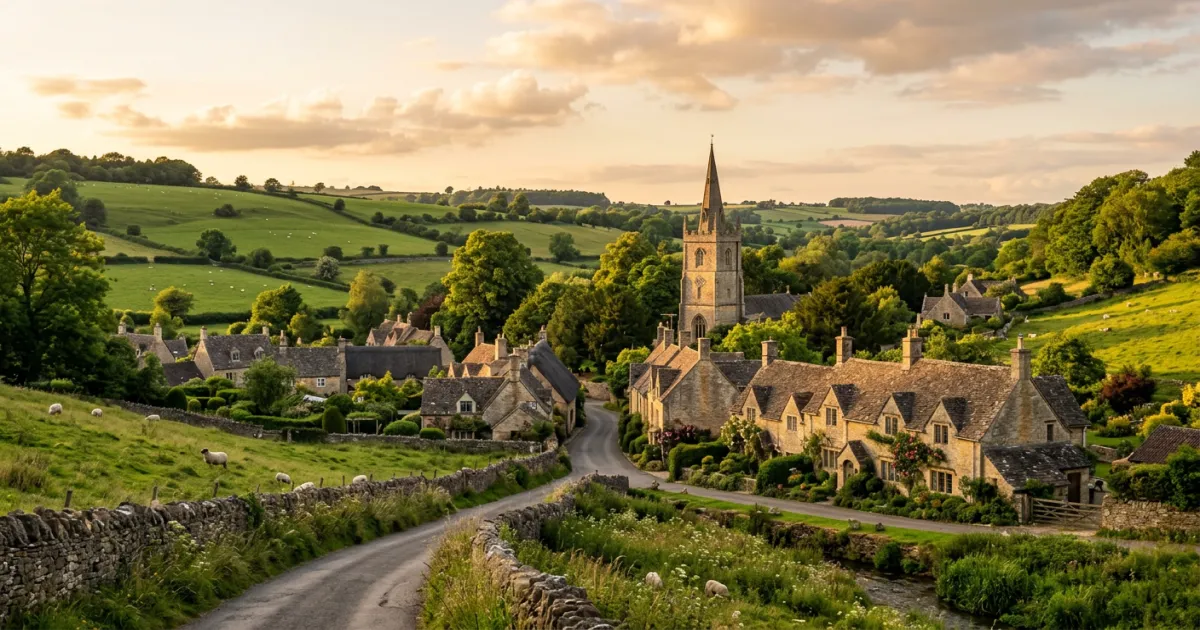
England is one of the most rewarding countries in the world to explore, and it goes far beyond London. From the rolling hills of the Cotswolds to the rugged beauty of the Lake District, medieval cities like York and university towns like Oxford, England packs centuries of history, stunning landscapes, and distinct regional culture into a surprisingly compact country. This guide covers everything you need to plan your 2026 trip.
Quick Facts About England
- Visa: US, Canadian, Australian, and EU citizens can visit for up to 6 months without a visa. Since January 2025, some nationalities need an Electronic Travel Authorisation (ETA) to enter the UK.
- Currency: British Pound Sterling (GBP / £). Cards are accepted almost everywhere, and contactless payment is standard.
- Language: English, though regional accents vary dramatically from Geordie in Newcastle to Bristolian in the southwest.
- Time Zone: GMT (Greenwich Mean Time) in winter, BST (British Summer Time / GMT+1) from late March through late October.
- Emergency Number: 999 (or 112)
- Power: Type G plug (three rectangular pins), 230V. You will need an adapter if coming from the US or Europe.
Best Time to Visit England
England’s weather is famously unpredictable, but there are clear seasonal patterns worth understanding.
May through September offers the warmest and driest weather, with average highs of 17 to 22°C (63 to 72°F). June has the longest daylight hours, with sunset after 9 PM in much of England. July and August are peak tourist season, meaning higher prices and bigger crowds at popular spots like the Cotswolds, Bath, and the Lake District.
Shoulder season (April to May and September to October) is often the sweet spot. You get mild temperatures around 12 to 18°C (54 to 64°F), thinner crowds, and lower accommodation prices. September in particular still feels summer-like, especially in the south.
Winter (November through March) is cold and often gray, with short daylight hours. But accommodation prices drop significantly, and cities like Bath and York have excellent Christmas markets. The countryside is quieter and atmospheric.
No matter when you visit, pack layers and a waterproof jacket. You can genuinely experience all four seasons in a single day in England.
How Long to Spend in England
If your trip is focused on London alone, 3 to 4 days covers the highlights. But to see the real England beyond the capital, plan for 7 to 10 days minimum.
With 7 days, you can combine London with a couple of regional destinations like Bath and the Cotswolds. With 10 days, you can comfortably reach York, the Lake District, or Cornwall. Two weeks lets you do a proper circuit covering southern and northern England without feeling rushed.
Distances in England are manageable. London to Bath is about 90 minutes by train. London to York is around 2 hours. Even the Lake District is only 3 hours from London by train. The country rewards slower travel, so build in time to explore small towns and countryside rather than racing between major cities.
For help structuring your days, try our AI travel planner to build a custom itinerary.
England Trip Budget: What to Expect
England is not a cheap destination, but costs vary dramatically depending on where you go and how you travel. London is significantly more expensive than the rest of the country, while northern England and rural areas offer much better value.
Daily Budget Ranges (Per Person)
- Budget (£55 to £95/day): Hostels or budget B&Bs, supermarket meals and pub lunches, free museums, walking and buses. This is realistic outside London.
- Mid-range (£150 to £275/day): 3-star hotels or quality B&Bs, restaurant meals, paid attractions, trains between cities. The comfortable middle ground for most travelers.
- Luxury (£400+/day): Boutique hotels or country house stays, fine dining, private tours, first-class train travel.
Typical Costs
- Accommodation: Budget hotel/B&B £60 to £120/night outside London, £120 to £200+ in London. Hostels £20 to £45/night.
- Food: Pub meal £12 to £18, restaurant dinner £20 to £40, supermarket meal deal around £4, coffee £3 to £4.
- Attractions: Many top museums are free (British Museum, National Gallery, Tate Modern). Paid attractions typically run £15 to £30 (Stonehenge £22, Roman Baths £20 to £28, York Minster £16).
- Transport: Advance train tickets can cost as little as £10 to £30 for long journeys booked early. Walk-up fares are 2 to 3 times more.
Track your spending with our free travel budget template.
Getting Around England
England has an excellent transportation network, and you have several good options depending on your route and budget.
Trains
The train network, operated under National Rail, connects virtually every city and major town. Trains are the fastest and most comfortable way to travel between cities. London to Manchester takes about 2 hours and 10 minutes, London to York about 2 hours, and London to Bath about 90 minutes.
The most important money-saving tip: Book Advance tickets as early as possible. Advance fares go on sale up to 12 weeks before travel and can save you 50% or more compared to buying on the day. A London to Edinburgh walk-up ticket can cost over £100, while an Advance ticket on the same route might be £30 to £50. Use the Trainline app or National Rail website to find the cheapest options. Note that Advance tickets are for a specific train and are non-refundable, though you can usually change them for a £10 fee.
Driving
Renting a car gives you the most flexibility, especially for exploring the Cotswolds, Lake District, Cornwall, and other rural areas where train service is limited. Car rental starts around £20 to £30 per day. Petrol costs approximately £1.50 to £1.70 per litre.
Remember that the British drive on the left side of the road. Motorways (M-roads) are free in England, unlike toll roads in parts of Europe. Parking in cities can be expensive and stressful, so consider using park-and-ride services available in Bath, Oxford, Cambridge, York, and other popular towns.
If you are planning a road trip, our road trip itinerary template can help you organize your route.
Coaches
National Express and Megabus offer the cheapest intercity travel. Journey times are longer than trains, but fares can be as low as £5 to £15 for routes booked in advance. Megabus in particular runs frequent services between major cities at rock-bottom prices.
Local Transport
In London, the Tube and bus network will get you everywhere. Use a contactless bank card or Oyster card for the cheapest fares with daily and weekly caps. Outside London, most cities have good bus networks, and many town centers are compact enough to explore on foot.
Beyond London: The Best of England
London is world-class, but England’s real character lives in its regions. Here are the destinations worth building your trip around.
The Cotswolds
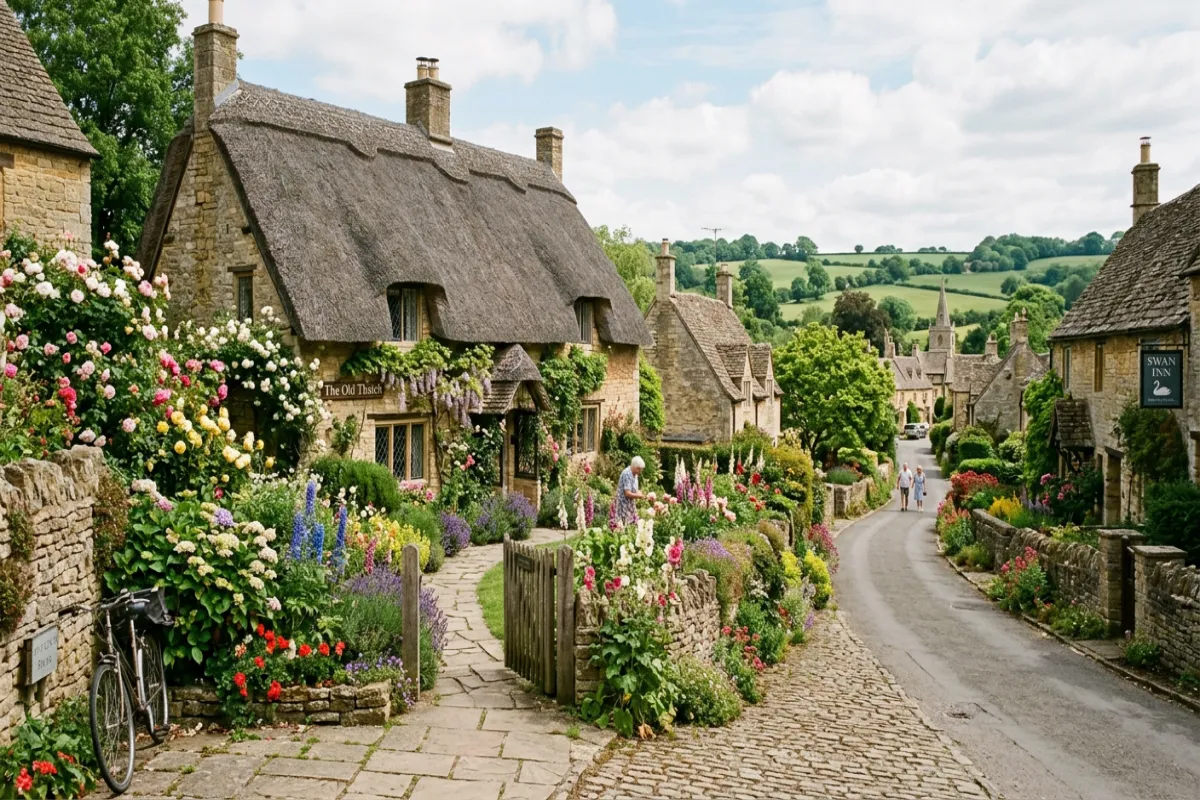
A designated Area of Outstanding Natural Beauty (now called a National Landscape), the Cotswolds is the England of postcards: honey-colored stone cottages, rolling green hills, dry stone walls, and villages that look unchanged for centuries. Highlights include Bourton-on-the-Water, Bibury, Stow-on-the-Wold, and Chipping Campden. The region is best explored by car, as public transport between villages is limited. Allow 2 to 3 days to soak it in.
Bath
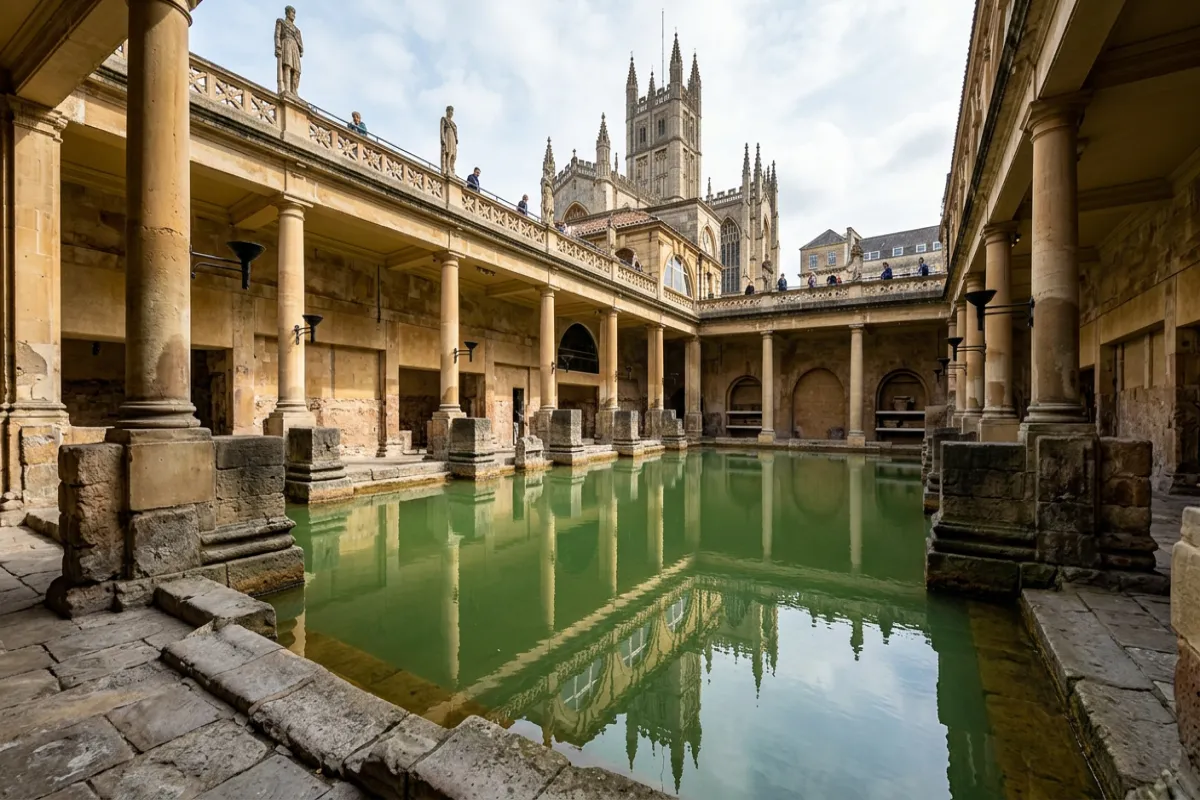
A UNESCO World Heritage city built from golden limestone, Bath is famous for its remarkably preserved Roman Baths, stunning Georgian architecture (the Royal Crescent and The Circus), and the medieval Bath Abbey. It is compact enough to explore in a day but rewarding enough for two. The Thermae Bath Spa lets you bathe in natural hot springs with rooftop views of the city.
Oxford and Cambridge
England’s two great university cities each deserve a day. Oxford’s highlights include the Bodleian Library, Christ Church college (familiar to Harry Potter fans), and the covered market. Cambridge is slightly smaller and arguably prettier, with the Backs (lawns behind the colleges along the River Cam) and punting being the signature experiences. Both are easy day trips from London or stops on a longer route.
York
One of England’s most atmospheric cities, York is surrounded by medieval walls you can walk along. York Minster is the largest Gothic cathedral in northern Europe. The Shambles is a narrow medieval street that feels straight out of the Middle Ages. The JORVIK Viking Centre brings the city’s Norse heritage to life. The city is also a base for exploring the Yorkshire Dales and North York Moors.
Lake District
England’s most dramatic natural landscape, the Lake District is a national park of mountains, lakes, and valleys that inspired Wordsworth and Beatrix Potter. Base yourself in Windermere, Ambleside, or Keswick. Highlights include hiking Catbells for panoramic views of Derwentwater, taking a steam boat on Lake Windermere, and visiting Hill Top (Beatrix Potter’s farmhouse). The scenery ranges from gentle lakeside walks to serious mountain hikes up Helvellyn or Scafell Pike (England’s highest peak at 978 meters).
Cornwall
England’s southwestern tip has a rugged coastline, sandy beaches, excellent seafood, and a laid-back atmosphere that feels a world away from London. St Ives is a picturesque harbor town with an outpost of the Tate gallery. The Eden Project houses tropical gardens inside massive geodesic domes. Tintagel Castle perches dramatically on cliff tops linked to Arthurian legend. Allow at least 3 days, and note that Cornwall is about 5 hours from London by train.
More Destinations Worth Your Time
- Stonehenge: The prehistoric stone circle on Salisbury Plain, dating back around 5,000 years. Book timed entry tickets in advance. Often combined with a visit to nearby Bath.
- Canterbury: Home to Canterbury Cathedral, the seat of the Church of England and a UNESCO World Heritage Site. The medieval old town is charming and walkable.
- Brighton: England’s favorite seaside city, with a pebbly beach, the quirky Royal Pavilion, and a vibrant dining and nightlife scene. Just one hour from London by train.
- Peak District: England’s first national park, sitting between Manchester and Sheffield. Great for hiking, with dramatic landscapes and picturesque villages like Bakewell (home of the Bakewell pudding).
- Manchester and Liverpool: England’s great northern cities. Manchester has world-class music venues, excellent food, and football heritage. Liverpool has the Beatles Story, the Albert Dock, and two impressive cathedrals.
- Hadrian’s Wall: The Roman frontier wall stretching 73 miles across northern England, built in AD 122. Sections are well-preserved and walkable, with forts and museums along the route.
Where to Stay in England
England offers accommodation for every budget and style.
- B&Bs (Bed and Breakfasts): Quintessentially English. Often family-run homes with a few guest rooms and a cooked breakfast included. You will find them everywhere from city centers to remote villages. Expect to pay £60 to £120 per night for a double room. The personal touches and local knowledge from hosts often make B&Bs the highlight of a trip.
- Hotels: International chains and independent hotels are available in every city. Budget chains like Premier Inn and Travelodge offer clean, reliable rooms from £50 to £90 per night.
- Country Inns and Pubs with Rooms: A wonderful option in rural areas. Many traditional pubs rent out rooms upstairs, giving you a characterful base with good food and local ale downstairs. Common in the Cotswolds, Lake District, and Yorkshire.
- Airbnb and Holiday Cottages: Self-catering cottages are popular for families and groups, especially in the countryside. Sites like Sykes Cottages and Cottages.com specialize in English holiday lets.
- Hostels: YHA (Youth Hostels Association) operates a network of hostels across England, including some in stunning locations like the Lake District and Peak District. Private rooms are available alongside dorms.
Must-See Highlights in England
London (The Essentials)
Even if your focus is the wider country, most trips start in London. Key highlights include the British Museum, Tower of London, Westminster and Big Ben, Buckingham Palace, the South Bank walk, and free museums in South Kensington (Natural History Museum, V&A, Science Museum). For a deeper dive into the capital, see our complete London planning guide.
Historic and Cultural
- Roman Baths, Bath: One of the best-preserved Roman sites in Europe. The museum lets you walk above the original baths and see the hot spring that still flows at 46°C.
- Stonehenge: The world’s most famous prehistoric monument. Visitor center provides context, and a shuttle takes you to the stones.
- York Minster and The Shambles: Gothic architecture at its finest, plus medieval streets that inspired Diagon Alley.
- Canterbury Cathedral: Where Archbishop Thomas Becket was murdered in 1170, a pilgrimage site for centuries.
- Oxford Colleges: Walk through the quads of Christ Church, Magdalen, and New College for a glimpse of 800 years of academic history.
- Hadrian’s Wall: Walk along the Roman Empire’s northern frontier, with forts at Housesteads and Vindolanda.
Natural Beauty
- Lake District: Hiking trails from beginner (lakeside paths) to challenging (Helvellyn’s Striding Edge). Derwentwater and Buttermere are among the most scenic lakes.
- Cotswolds Villages: Bibury’s Arlington Row is one of the most photographed streets in England. Bourton-on-the-Water straddles a gentle river.
- Cornwall Beaches: Porthcurno, Kynance Cove, and Fistral Beach rival Mediterranean coastlines (if not the water temperature).
- Peak District: Stanage Edge offers dramatic gritstone escarpments popular with climbers and walkers.
English Food and Drink
English food has transformed over the past two decades, and eating well is one of the genuine pleasures of traveling here.
Classic Dishes to Try
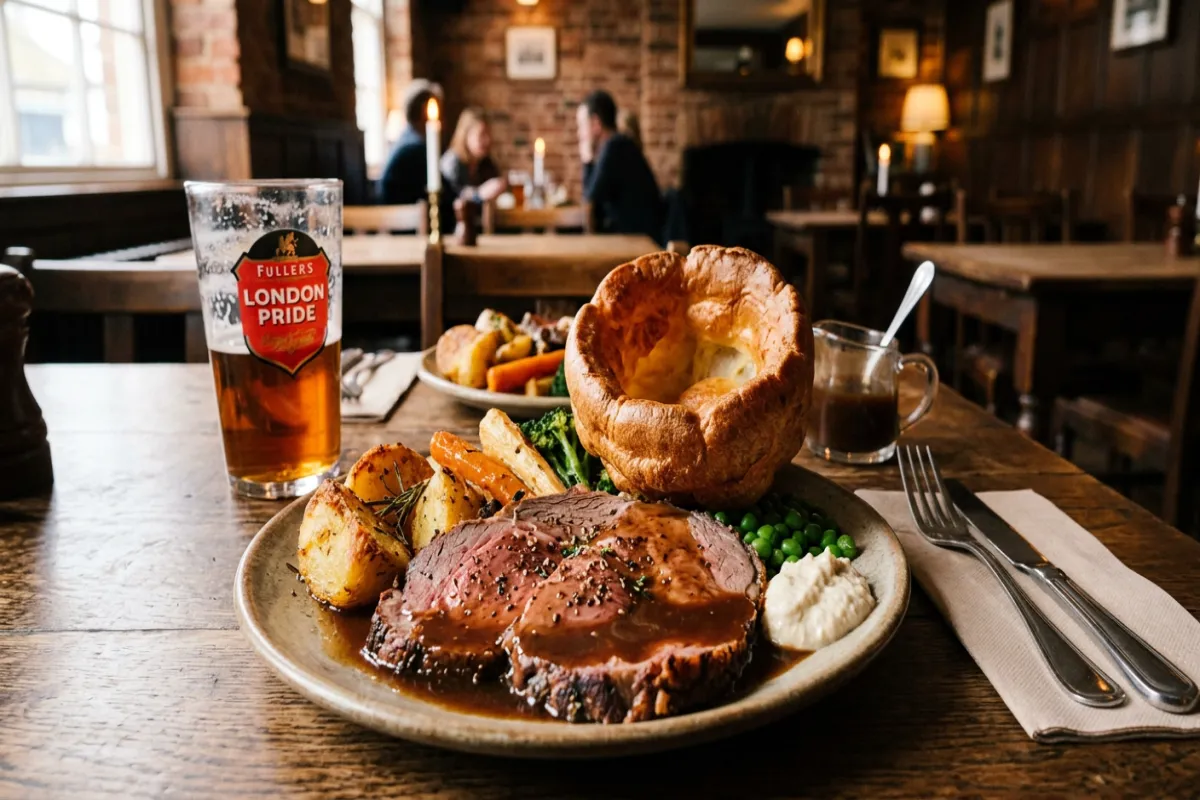
- Sunday Roast: A proper English Sunday lunch with roast meat (beef, lamb, or chicken), roast potatoes, Yorkshire pudding, vegetables, and gravy. Nearly every pub serves one on Sundays, and the best ones are worth planning your day around.
- Full English Breakfast: Bacon, sausages, eggs, baked beans, toast, mushrooms, tomatoes, and black pudding. Most B&Bs serve a version, and it will keep you full until late afternoon.
- Fish and Chips: Battered cod or haddock with thick-cut chips, doused in salt and malt vinegar. Best eaten from a seaside chippy in places like Whitby, Brighton, or any coastal town.
- Cream Tea: Scones with clotted cream and jam, served with a pot of tea. This sparks a genuine regional rivalry: in Devon, the cream goes on first; in Cornwall, the jam goes on first. Both will insist their way is correct.
- Curry: Often called England’s unofficial national dish, curry has deep roots in British culture. Major cities have outstanding Indian, Bangladeshi, and Pakistani restaurants. Birmingham’s Balti Triangle and Manchester’s Curry Mile are famous dining destinations.
Pub Culture
The pub is the heart of English social life and has been for centuries. Beyond drinks, pubs serve food (gastropubs have elevated pub dining considerably), host quiz nights, and function as community gathering places. Real ale, served at cellar temperature from cask (not ice-cold from a keg), is a distinctly English tradition. CAMRA (Campaign for Real Ale) pubs are the best places to try it.
Tipping
Tipping in England is simpler than in the US. In restaurants, 10% is standard if service is not included (check your bill, as many add a discretionary service charge). In pubs, you do not tip at the bar. Tipping taxi drivers is optional, and rounding up the fare is common.
Practical Tips for Visiting England
- Weather preparedness: English weather is genuinely unpredictable. Always carry layers and a waterproof jacket, even in summer. Temperatures can shift 10 degrees in a day, and rain can appear without warning.
- Pubs are social centers: Pubs are far more than bars. They are where locals eat, meet friends, watch sports, and socialize. Do not be afraid to walk into one alone. Many serve excellent food and welcome visitors warmly.
- Queuing is sacred: The British take queues seriously. Always join the back of a line and wait your turn. Cutting in line is considered extremely rude.
- Bank holidays: England has 8 public bank holidays per year. On bank holidays (especially Easter and the late May/August ones), many shops, restaurants, and attractions close or operate reduced hours. Public transport runs on reduced schedules. Plan accordingly.
- Driving etiquette: If you rent a car, be prepared for narrow country lanes, roundabouts (give way to traffic already on the roundabout from the right), and limited parking in historic towns.
- Free museums: Most major national museums in England are free, including the British Museum, Natural History Museum, Tate Modern, Tate Britain, National Gallery, V&A, Science Museum, and Imperial War Museum. Paid special exhibitions are common but the permanent collections are free.
- Electrical adapters: England uses Type G plugs with three rectangular pins. Bring a universal adapter or buy one at the airport.
Sample 10-Day England Itinerary
This itinerary balances London with the best of the English countryside and northern England.
Days 1 to 3: London
Arrive and settle in. Spend three days covering the major highlights: Westminster and the South Bank on day one, the British Museum and Covent Garden on day two, and the Tower of London with a walk through the City and over Tower Bridge on day three. Use evenings to explore different neighborhoods like Soho, Shoreditch, or Borough Market.
Days 4 to 5: Cotswolds and Bath
Pick up a rental car or take the train to the Cotswolds (Moreton-in-Marsh has direct trains from London Paddington in about 90 minutes). Spend a day exploring villages like Bourton-on-the-Water, Stow-on-the-Wold, and Bibury. On day 5, drive to Bath (about 45 minutes), visit the Roman Baths and Royal Crescent, and explore the city. Return the car if continuing by train.
Day 6: Oxford
Take the train from Bath to Oxford (about 75 minutes). Walk through Christ Church and the Bodleian Library, browse the covered market, and climb the tower of the University Church for city views. Overnight in Oxford or continue north.
Days 7 to 8: York
Train from Oxford to York (about 2.5 hours with a change). Spend two days exploring York Minster, walking the medieval city walls, wandering The Shambles, and visiting the National Railway Museum (free). Take a day trip to the Yorkshire countryside if time allows.
Days 9 to 10: Lake District
Train from York to the Lake District (Oxenholme or Windermere, about 2 to 2.5 hours). Base yourself in Ambleside or Keswick. Hike Catbells or walk around Derwentwater on day 9. Explore Windermere, visit Hill Top, or tackle a longer hike on day 10. Return to London by train (about 3 hours from Oxenholme to London Euston) or extend your trip.
This itinerary works well by train, though having a car for the Cotswolds portion makes a real difference. Book Advance train tickets as early as possible to keep costs down.
Planning Tools
Use these free resources to plan your England trip:
- How to Plan a Trip: Step-by-Step Guide for the overall planning process
- AI Travel Planner to build a custom day-by-day itinerary
- Travel Budget Template to track your spending
- Road Trip Itinerary Template if you are renting a car
Also see our guides for planning a trip to London, planning a trip to Scotland, and planning a trip to Europe.
Frequently Asked Questions
Do I need a visa to visit England?
US, Canadian, Australian, and EU citizens do not need a visa for stays up to 6 months. Some other nationalities may need an Electronic Travel Authorisation (ETA) as of 2025. Check the UK government website for the latest requirements for your nationality.
Is England expensive to visit?
London is one of Europe’s most expensive cities, but the rest of England offers much better value. Budget travelers can manage on £55 to £95 per day outside London. The north of England and rural areas are notably cheaper than the south.
Can I get around England without a car?
Yes. The train network connects all major cities and many towns. For rural areas like the Cotswolds and parts of the Lake District, a car is more convenient, but buses and guided tours are alternatives. Most cities are walkable.
What is the best way to save money on trains?
Book Advance tickets through the Trainline app or National Rail website as early as possible, up to 12 weeks ahead. These can be 50% or more cheaper than buying on the day. Travel off-peak (avoiding the 7 to 9 AM and 5 to 7 PM rush) for further savings.
How is England different from the UK?
England is one of four countries that make up the United Kingdom, along with Scotland, Wales, and Northern Ireland. England covers the central and southern portion of the island of Great Britain. Scotland is to the north and has its own distinct culture, legal system, and landscape. When people say “Britain” they typically mean England, Scotland, and Wales together.
Should I tip in England?
In restaurants, 10% is standard if no service charge is included. You do not tip at pub bars. Tipping taxi drivers and hotel staff is appreciated but not expected. England’s tipping culture is much more relaxed than in the US.