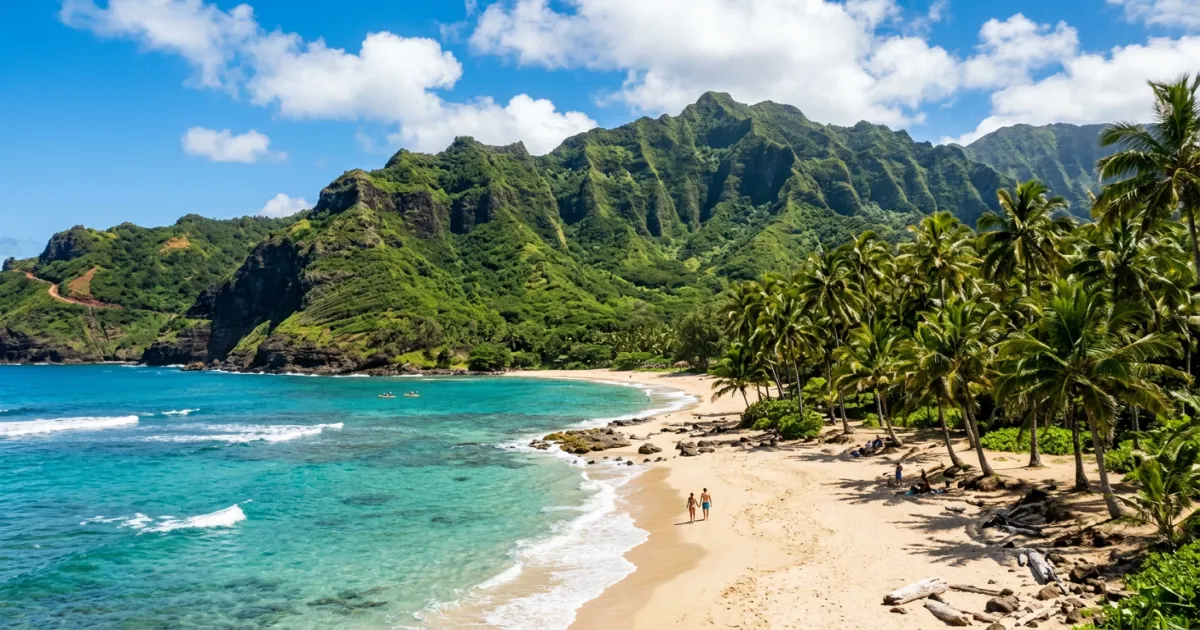
Hawaii is one of those destinations that lives up to the hype. From the volcanic landscapes of the Big Island to the emerald cliffs of Kauai, each island offers something completely different. But that variety can make planning overwhelming, especially if it is your first visit.
This guide breaks down everything you need to know to plan a trip to Hawaii in 2026, including which island to pick, how much to budget, and what not to miss.
Quick Facts
| Visa | None needed (domestic U.S. travel) |
| Currency | U.S. Dollar (USD) |
| Time Zone | Hawaii-Aleutian Standard Time (HST, UTC-10). Hawaii does not observe daylight saving time. |
| Best Time to Visit | April to October (dry season), but Hawaii is a year-round destination |
| Daily Budget | $150 to $400+ per person depending on travel style (as of 2026) |
| Number of Main Islands | 6 visitor-accessible islands |
Which Hawaiian Island Should You Visit
Hawaii has six islands open to visitors, but four get the vast majority of travelers. Choosing the right island (or islands) is the single most important decision you will make when planning your trip.
Oahu: Best for First-Timers and Culture
Oahu draws about 60 percent of all Hawaii visitors, and for good reason. Honolulu is the state capital and offers the most developed tourism infrastructure in the islands. Waikiki Beach is iconic, Pearl Harbor is a must-visit historical site, and the North Shore delivers world-class surfing. Oahu also has the best public transportation system (TheBus), so you can get by without a rental car if you stay near Waikiki. The dining scene is excellent and the most affordable in the state, with plate lunches running $10 to $15. If you want to explore outdoor adventures in Honolulu, Oahu has plenty of hiking trails including Diamond Head and Manoa Falls.
Maui: Best for Beaches and Scenic Drives
Maui is the second most popular island and a favorite for couples and families. The beaches along Ka’anapali and Wailea are among the best in the state. The Road to Hana is one of the most famous drives in the world, winding through 620 curves and past 59 bridges along the lush eastern coast. Haleakala National Park lets you watch the sunrise from above the clouds at over 10,000 feet. Maui tends to be slightly more expensive than Oahu, and a rental car is strongly recommended.
Big Island (Hawaii Island): Best for Adventure and Volcanoes
The Big Island is nearly twice as big as all the other Hawaiian islands combined. It is home to Hawaii Volcanoes National Park, where you can walk across recent lava flows and see the Kilauea caldera. The island has 11 of the world’s 13 climate zones, meaning you can go from tropical beaches to snow-capped Mauna Kea in a single day. Kona on the west side is sunny and resort-oriented, while Hilo on the east is rainier, cheaper, and more local. A rental car is essential here.
Kauai: Best for Nature and Hiking
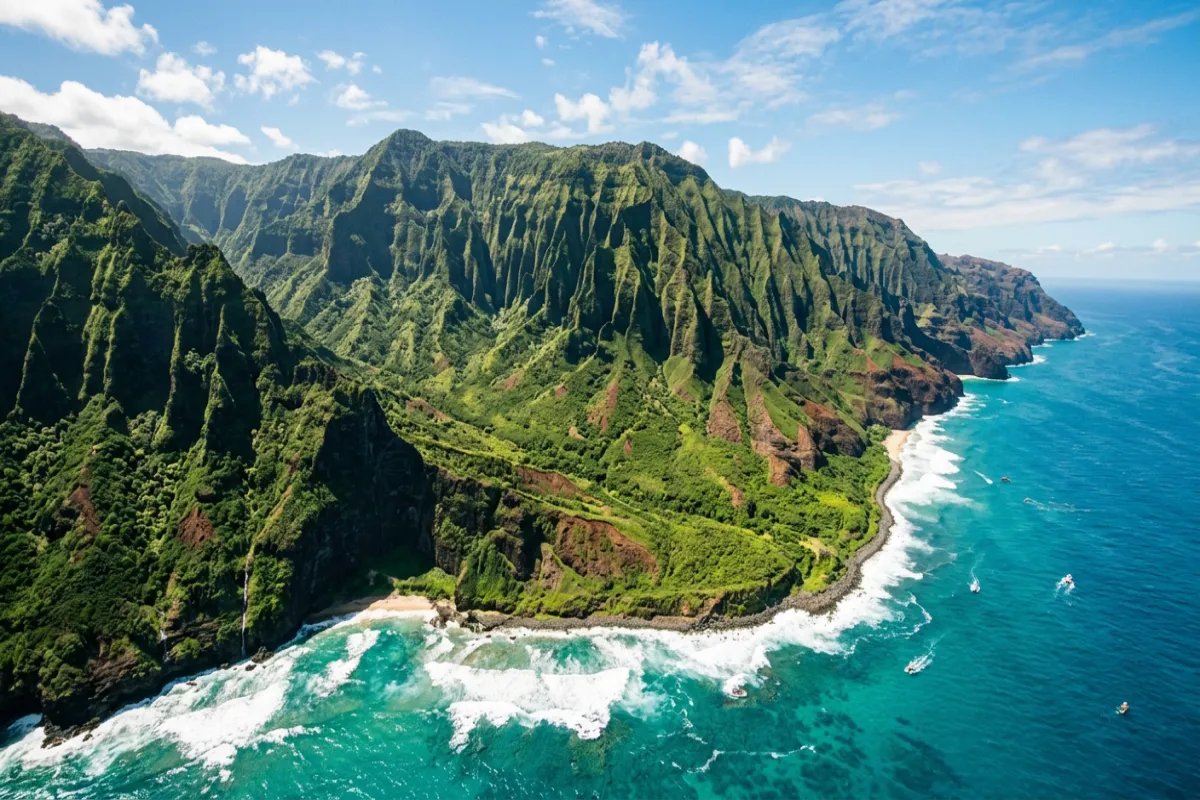
Kauai is the oldest and most lush of the main islands, earning its nickname “The Garden Isle.” The Na Pali Coast, with its dramatic sea cliffs, is only accessible by boat, helicopter, or the challenging 22-mile Kalalau Trail. Waimea Canyon, often called the “Grand Canyon of the Pacific,” stretches 14 miles long and over 3,600 feet deep. Kauai is quieter and more laid-back than Oahu or Maui, making it ideal for travelers who want to disconnect.
Lanai and Molokai
Lanai is a luxury retreat with just one resort (the Four Seasons) and empty beaches. Molokai is the most rural and traditional of the islands, with no resorts and no traffic lights. Both are best suited for repeat Hawaii visitors looking for something off the beaten path.
Best Time to Visit Hawaii
Hawaii is a year-round destination with average temperatures between 75 and 85 degrees Fahrenheit throughout the year. That said, there are meaningful differences between seasons that affect your experience and budget.
Dry Season (April to October): Less rain, calmer ocean conditions, and warmer temperatures. This is the best window for snorkeling, swimming, and beach days. Summer (June to August) is peak season with higher prices and bigger crowds.
Wet Season (November to March): More rain, especially on the windward (north and east) sides of each island. But the leeward (south and west) sides stay relatively dry year-round. This is whale watching season, with humpback whales migrating to Hawaiian waters from December through March. Winter also brings big surf to the north shores.
Best Value Windows: Shoulder seasons in April to mid-May and September through mid-November offer 20 to 40 percent lower airfares and hotel rates compared to peak periods. Late January through March (excluding spring break weeks) can also offer good deals.
How Long to Stay
This depends on how many islands you want to visit, but the most common mistake is trying to do too much.
- One island: Plan 5 to 7 days. This gives you enough time to explore without rushing.
- Two islands: Plan 10 to 14 days, with at least 4 nights per island plus a travel day between them.
- Three or more islands: Only recommended for trips of 2 weeks or longer. Island-hopping sounds fun, but packing, flying, picking up rental cars, and settling into new accommodations eats up valuable vacation time.
If this is your first trip, stick to one or two islands. You can always come back.
Budget and Costs
Hawaii is not a cheap destination, but costs vary significantly depending on your travel style and which island you visit. Here is what to expect as of 2026:
Flights from the Mainland
- West Coast (LA, San Francisco, Seattle): $300 to $500 round trip
- Midwest (Chicago, Denver): $500 to $810 round trip
- East Coast (New York, Miami): $600 to $925 round trip
Booking 2 to 3 months in advance typically saves 20 to 30 percent. Direct flights are available from most major West Coast cities.
Accommodations
- Hostels: $60 to $80 per night (limited options, mainly on Oahu)
- Vacation rentals/condos: $150 to $300 per night
- Mid-range hotels: $250 to $400 per night on Oahu and Maui, $200 to $350 on the Big Island and Kauai
- Luxury resorts: $500 to $1,000+ per night
Important: Most Hawaii hotels charge a mandatory resort fee of $30 to $50 per night on top of the listed room rate. The Transient Accommodations Tax also increased statewide on January 1, 2026, so factor that into your budget. Always check the total price before booking.
Daily Budget Ranges (Per Person)
- Budget: $150 to $175 per day (hostel or shared condo, local food, free activities)
- Mid-range: $250 to $400 per day (hotel, mix of dining, paid activities)
- Luxury: $500 to $1,000+ per day (resort, fine dining, private tours)
Use a travel budget template to map out your expenses before you book.
Getting Around
Inter-island flights: Hawaiian Airlines and Southwest Airlines operate frequent inter-island flights. Flights take 30 to 50 minutes and cost $60 to $150 each way. Book early for the best rates.
Rental cars: A rental car is essential on Maui, the Big Island, and Kauai. On Oahu, you can get by without one if you stay in Waikiki and use TheBus or rideshare services. Rental car prices range from $40 to $100 per day depending on the season and island. Book well in advance, especially for peak travel periods.
Rideshare: Uber and Lyft operate on Oahu and Maui but have limited coverage on the Big Island and Kauai. Do not count on rideshare as your primary transportation on the smaller islands.
Public transit: Only Oahu has a reliable bus system. TheBus covers most of the island and costs $3 per ride or $80 for a monthly pass.
Where to Stay by Island
Oahu
Waikiki is the default base for first-time visitors, with hundreds of hotels, restaurants, and shops within walking distance of the beach. North Shore is quieter and more laid-back, ideal for surfers and those who want a rural feel. Ko Olina on the west side has newer resorts and calmer beaches, great for families with young children.
Maui
Ka’anapali is the most popular resort area, with a long beach and beachfront hotels. Wailea is more upscale and quieter, with luxury resorts and excellent snorkeling at nearby Molokini Crater. Kihei offers more affordable condos and vacation rentals.
Big Island
Kona (west side) is sunny, with resorts, restaurants, and easy access to snorkeling and coffee farms. Hilo (east side) is greener, rainier, and closer to Hawaii Volcanoes National Park. Hotels in Hilo are notably cheaper than in Kona.
Kauai
Poipu (south shore) is the sunniest area, with great beaches and family-friendly resorts. Princeville (north shore) is more dramatic and lush, near Hanalei Bay and closer to the Na Pali Coast trailheads.
Must-Do Experiences
No matter which island you choose, these are the experiences that make Hawaii unlike anywhere else:
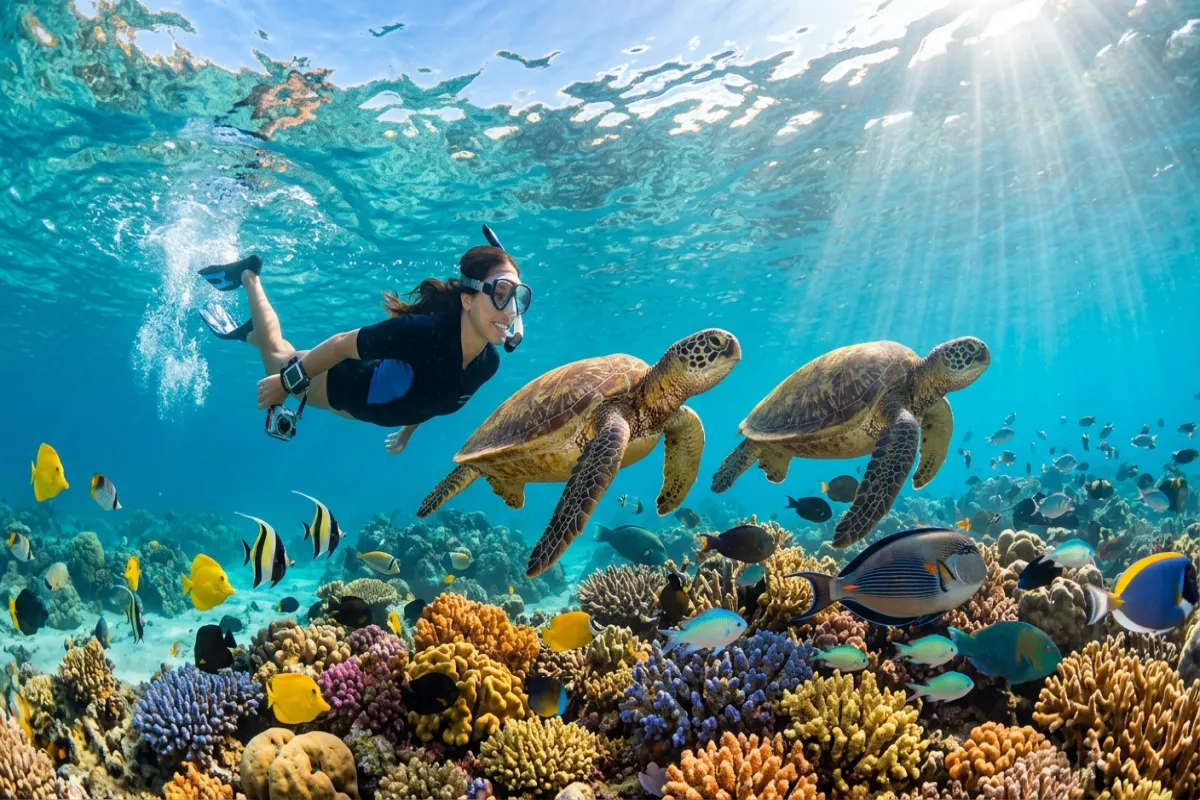
- Snorkeling: Hanauma Bay (Oahu, reservations required for non-residents), Molokini Crater (Maui boat tour), Kealakekua Bay (Big Island), and Tunnels Beach (Kauai)
- Attend a luau: A traditional Hawaiian feast with music and hula dancing. Look for one that emphasizes cultural education over tourist spectacle.
- Na Pali Coast (Kauai): See the 4,000-foot sea cliffs by boat tour, helicopter, or by hiking the Kalalau Trail (permit required).
- Haleakala sunrise (Maui): Watch the sun rise above the clouds at 10,023 feet. Reservations are required and sell out weeks in advance.
- Pearl Harbor (Oahu): Visit the USS Arizona Memorial and the Pearl Harbor Aviation Museum. Free timed-entry tickets are available online but go fast.
- Hawaii Volcanoes National Park (Big Island): Walk through lava tubes, see steam vents, and drive the Chain of Craters Road.
- Road to Hana (Maui): A full-day drive with waterfalls, bamboo forests, and black sand beaches along the way. Start early and take your time.
- Manta ray night snorkel (Big Island): Swim with giant manta rays off the Kona coast after dark. One of the most unique wildlife experiences in the world.
Food and Dining
Hawaii’s food scene blends Polynesian, Japanese, Chinese, Filipino, Portuguese, and American traditions into something entirely its own.
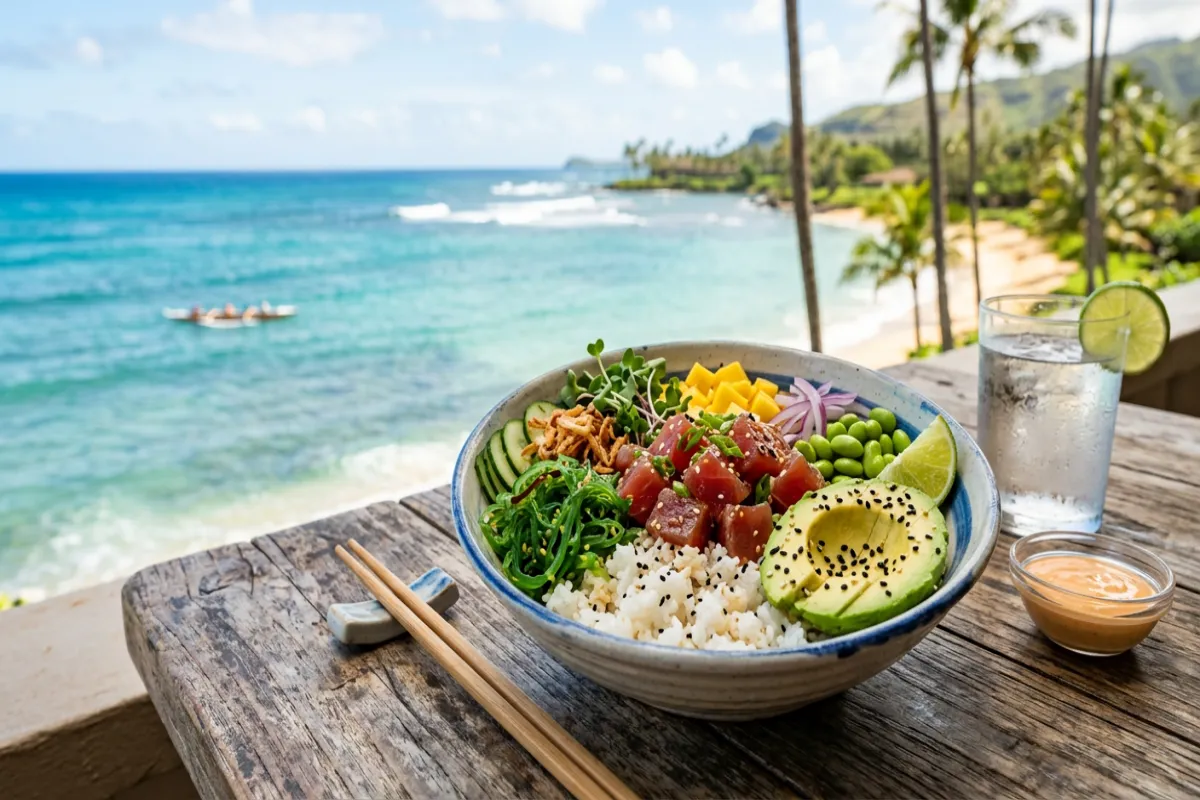
- Poke: Fresh, cubed raw fish (usually ahi tuna) seasoned with soy sauce, sesame oil, and seaweed. Available everywhere from grocery store delis to upscale restaurants. A poke bowl runs $12 to $18 at most casual spots.
- Plate lunch: The quintessential local meal, featuring a protein (teriyaki chicken, kalua pork, or loco moco), two scoops of rice, and macaroni salad. Expect to pay $10 to $15 at local spots.
- Shave ice: Not a snow cone. Finely shaved ice with tropical syrup flavors and optional toppings like mochi, azuki beans, or ice cream on the bottom. Matsumoto’s on Oahu’s North Shore is the most famous spot.
- Malasadas: Portuguese-style fried doughnuts rolled in sugar, brought to Hawaii by plantation workers. Leonard’s Bakery on Oahu has been making them since 1952.
- Farm-to-table: Hawaii has a growing farm-to-table scene, especially on the Big Island and Maui. Kona coffee, Maui pineapple, and locally caught seafood feature prominently on upscale menus.
Grocery costs: Food prices in Hawaii are 30 to 50 percent higher than the mainland U.S. average because most goods are shipped in. Booking accommodations with a kitchen and shopping at local markets (Costco, Foodland, or farmers markets) can save you 30 to 40 percent on food costs compared to eating out for every meal.
Practical Tips
- Reef-safe sunscreen: Hawaii law bans sunscreens containing oxybenzone and octinoxate, which damage coral reefs. Buy reef-safe sunscreen before you arrive, as it can be more expensive on the islands. Look for mineral-based formulas with zinc oxide or titanium dioxide.
- Hiking safety: Hawaii’s trails can be deceptively dangerous. Stick to marked trails, bring plenty of water, and check conditions before heading out. Flash floods are a real risk in valleys and near streams, especially during the wet season. Diamond Head and Hanauma Bay require advance online reservations for non-residents as of 2026.
- Ocean safety: Drowning is the number one cause of visitor deaths in Hawaii. Never turn your back on the ocean, never swim alone, and pay attention to warning signs and flags. Conditions change quickly, especially on north-facing beaches during winter months. If you are not a strong swimmer, stick to calm, protected beaches.
- Respect Hawaiian culture: Learn a few basic Hawaiian words like Aloha (hello, goodbye, love) and Mahalo (thank you). Do not stack rocks (rock cairns disturb the landscape), do not climb on sacred sites, and do not touch or approach Hawaiian monk seals or sea turtles (both are protected species).
- Leave no trace: Hawaii’s ecosystems are fragile. Pack out everything you bring in, stay on designated trails, and do not take lava rocks, sand, or coral home as souvenirs.
- Pack layers: While daytime temperatures stay warm, it can get chilly on morning boat trips, at higher elevations like Haleakala, or after sunset. Bring a light jacket or sweater.
Sample 10-Day Two-Island Itinerary: Oahu + Maui
This itinerary covers the two most popular islands and works well for first-time visitors. Use a vacation itinerary template to customize it for your trip.
Days 1 to 4: Oahu
- Day 1: Arrive in Honolulu, check into Waikiki hotel, walk Kalakaua Avenue, sunset dinner at Duke’s or a beachside restaurant.
- Day 2: Pearl Harbor in the morning (book timed entry in advance), explore downtown Honolulu and Chinatown in the afternoon, plate lunch for dinner.
- Day 3: Hike Diamond Head (reservation required), spend the afternoon at Hanauma Bay for snorkeling (reservation required), shave ice at Waikiki.
- Day 4: Drive to the North Shore. Visit Haleiwa town, watch surfers at Pipeline or Sunset Beach, shrimp truck lunch at Kahuku, and stop at Matsumoto’s for shave ice.
Day 5: Travel Day
- Morning inter-island flight from Honolulu to Kahului, Maui (about 35 minutes). Pick up rental car. Drive to your hotel in Ka’anapali or Wailea. Explore the area and relax.
Days 6 to 10: Maui
- Day 6: Beach day at Ka’anapali or Wailea. Snorkeling right off the beach. Sunset luau in the evening.
- Day 7: Road to Hana. Leave by 7 AM. Stops include Twin Falls, Wai’anapanapa State Park (black sand beach), and the Pipiwai Trail to Waimoku Falls. Consider staying overnight in Hana or driving back (3+ hours).
- Day 8: Haleakala sunrise (book reservations well in advance). Rest in the morning after the early wake-up. Afternoon in Paia town for shopping and lunch. Evening at leisure.
- Day 9: Molokini Crater snorkel boat tour in the morning. Afternoon exploring upcountry Maui (Kula, lavender farm, Surfing Goat Dairy). Farewell dinner at a farm-to-table restaurant.
- Day 10: Final morning at the beach or shopping for souvenirs. Depart from Kahului Airport.
Planning Tools
Ready to start planning your Hawaii trip? These tools can help:
- Use our AI trip planner to build a custom Hawaii itinerary based on your interests, budget, and travel dates.
- Download a vacation itinerary template to organize your day-by-day plans.
- Track your spending with a travel budget template designed for trip planning.
If you are also considering international destinations, check out our guide on planning a trip to Japan, another bucket-list Pacific destination that pairs well with a Hawaii stopover.
Frequently Asked Questions
Do I need a passport to visit Hawaii?
No. Hawaii is a U.S. state, so U.S. citizens and permanent residents only need a valid government-issued photo ID (such as a REAL ID-compliant driver’s license) for domestic flights. International visitors need a valid passport and any applicable visa for U.S. entry.
How many islands should I visit on my first trip?
One or two. Trying to visit three or more islands on a single trip leads to too much time spent in airports and not enough time actually enjoying Hawaii. If you have 7 days, stick to one island. If you have 10 to 14 days, two islands works well.
Is Hawaii expensive?
Yes, relative to most mainland U.S. destinations. A mid-range trip runs $250 to $400 per person per day as of 2026, including accommodations, food, activities, and local transportation. You can bring costs down significantly by booking a condo with a kitchen, eating at local spots instead of resort restaurants, and visiting during shoulder season.
Do I need a rental car in Hawaii?
It depends on the island. On Oahu, you can get by without one if you stay in Waikiki and use public transit and rideshare. On Maui, the Big Island, and Kauai, a rental car is strongly recommended. Many of the best beaches, hikes, and viewpoints are not accessible by public transportation on those islands.
What should I pack for Hawaii?
Light, breathable clothing, reef-safe sunscreen, a good pair of water shoes for rocky beaches, a rash guard for sun protection while snorkeling, a light jacket for cooler evenings and higher elevations, and a reusable water bottle. Skip the formal attire, as Hawaii is casual everywhere.