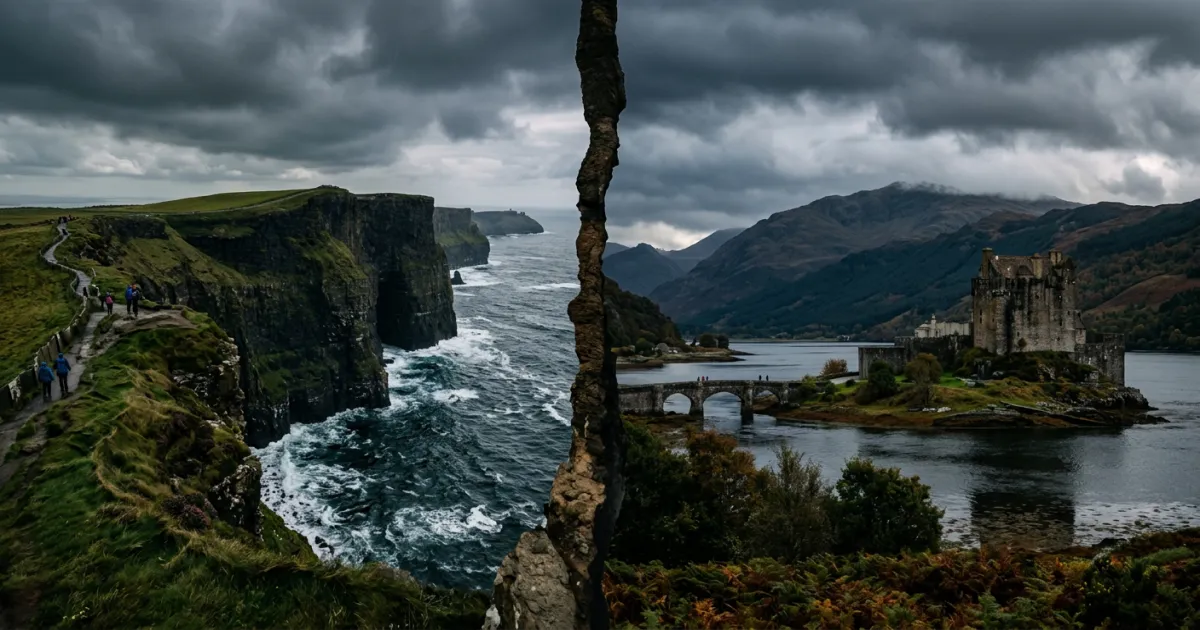
Quick Facts: Ireland and Scotland at a Glance
Planning a trip that covers both Ireland and Scotland is one of the smartest moves you can make for a European vacation. These two Celtic nations sit side by side across the Irish Sea, share deep cultural roots, and yet feel wonderfully different once you arrive. Before you start booking, here are the essentials.
| Ireland (Republic) | Scotland | |
|---|---|---|
| Currency | Euro (EUR) | British Pound (GBP) |
| Driving Side | Left | Left |
| Visa (US/CA/AU) | Not required for stays under 90 days | Not required for stays under 6 months |
| Language | English (Irish Gaelic in some areas) | English (Scots Gaelic in Highlands) |
| Best Time to Visit | May through September | May through September |
| Time Zone | GMT (IST in summer, UTC+1) | GMT (BST in summer, UTC+1) |
| Capital | Dublin | Edinburgh |
Important note on Northern Ireland: Northern Ireland is part of the United Kingdom, not the Republic of Ireland. It uses the British Pound (GBP), not the Euro. If you are driving from Dublin up to the Giant’s Causeway, you will cross from EUR to GBP territory. There is no hard border, but you will need to exchange currency.
For a broader look at planning multi-country European vacations, check out our guide to planning a trip to Europe.
Why Combine Ireland and Scotland in One Trip?
The short answer: geography and culture make it easy. Dublin to Edinburgh is a one-hour flight. Dublin to Glasgow is about the same. You can even take an overnight ferry if you prefer traveling by sea. Once you factor in how close they are, splitting your vacation between the two countries makes far more sense than flying all the way back home between separate trips.
Here is what makes the combination work so well:
- Short travel time between them. Flights from Dublin to Edinburgh or Glasgow take roughly 60 to 75 minutes. Ryanair and Aer Lingus run multiple daily routes, with fares often under $50 one way when booked in advance.
- Shared Celtic heritage, different expression. Both countries have Gaelic roots, but Ireland leans into literary pubs, traditional music sessions, and rolling green farmland. Scotland delivers rugged Highlands, whisky distilleries, and medieval castles perched on cliff edges.
- Same driving side. Both countries drive on the left, so if you rent a car in Ireland and pick up another in Scotland, there is no adjustment period.
- Different currencies keep things interesting. Ireland uses the Euro while Scotland uses the British Pound. Credit cards work everywhere, so this is not a hassle, just something to be aware of for budgeting.
If you want help organizing all the details for a multi-destination trip like this, our AI travel planner can build a day-by-day itinerary for you.
Best Time to Visit Ireland and Scotland
Both countries share a similar maritime climate, which means mild temperatures, plenty of rain, and long summer days. The best window for visiting is May through September, with each month offering something different.
- May and early June: Fewer crowds, wildflowers blooming, and daylight lasting until nearly 10 PM. Temperatures hover around 12 to 17 degrees Celsius (54 to 63 Fahrenheit). This is the sweet spot for many travelers.
- June and July: The longest days of the year. In northern Scotland, you can experience near-midnight twilight around the summer solstice. These are the warmest months, with highs reaching 18 to 20 degrees Celsius (64 to 68 Fahrenheit). Peak tourist season begins.
- August: Edinburgh hosts its famous Fringe Festival, the largest arts festival in the world. The city gets extremely busy and accommodation prices spike, but the atmosphere is electric. Ireland remains green and lush.
- September: Shoulder season pricing kicks in, crowds thin out, and autumn colors start appearing in the Scottish Highlands. Weather can be hit or miss, but you will have more flexibility with bookings.
Weather reality check: Pack layers and waterproof jackets no matter when you go. Both countries can deliver four seasons in a single afternoon. A sunny morning can turn into sideways rain by lunch and clear skies by dinner.
How Long Do You Need?
For a combined Ireland and Scotland trip, plan on 10 to 14 days minimum. Seven days in each country is ideal if your schedule allows it. You can do a rushed version in 10 days (5 per country), but you will feel like you are constantly in the car or on the move.
Here is a rough breakdown:
- 7 days each (14 total): The gold standard. Enough time to see the major highlights without feeling rushed. You can explore at a relaxed pace and take detours.
- 5 days each (10 total): Doable but tight. Focus on one or two regions per country rather than trying to see everything.
- Less than 10 days total: Pick one country to be your main focus and add a 2 to 3 day extension in the other. Trying to cram both into a week will leave you exhausted.
Use our vacation itinerary template to map out your days and make sure you are not over-scheduling.
Budget Planning for Ireland and Scotland
Scotland tends to be slightly more expensive than Ireland, particularly for accommodation in Edinburgh and the Highlands during peak season. Here is what to expect for daily spending per person in 2026.
| Category | Budget | Mid-Range | Comfort |
|---|---|---|---|
| Accommodation | $40-80 (hostels, basic B&Bs) | $120-200 (hotels, nice B&Bs) | $250+ (castle hotels, luxury) |
| Food | $30-50 | $60-90 | $100+ |
| Transport | $15-30 (bus, train) | $50-80 (rental car + fuel) | $80+ (rental car + tolls) |
| Activities | $10-20 | $30-60 | $80+ |
| Daily Total | $95-180 | $260-430 | $510+ |
Flights between countries: Budget airlines like Ryanair offer Dublin to Edinburgh fares starting around $25 to $60 when booked a few weeks ahead. Peak summer prices can reach $80 to $120.
Track all your expenses with our travel budget template so you do not blow past your target halfway through the trip.
Getting Between Ireland and Scotland
This is one of the most common questions for a combined trip, and the answer depends on your style of travel.
By Air (Recommended)
The fastest and usually cheapest option. Dublin (DUB) to Edinburgh (EDI) or Glasgow (GLA) takes about one hour in the air. Airlines serving these routes include Ryanair, Aer Lingus, and EasyJet. Book early for the best fares. Dublin Airport is well-connected to the city center by bus (roughly 30 minutes).
If you are flying through Dublin, you might find our Dublin airport layover guide helpful for making the most of any connection time.
By Ferry
Several ferry routes connect the two countries. Stena Line operates a Belfast to Cairnryan (Scotland) route that takes about 2 hours and 15 minutes. Irish Ferries runs a Dublin to Holyhead (Wales) route if you want to drive through England and into Scotland, though that adds considerable time. The Belfast to Cairnryan option is the most practical for an Ireland-Scotland trip.
Ferries let you bring a rental car across, but check with your rental company first. Many do not allow cross-border vehicle transport, and those that do charge a surcharge.
By Car (Not Recommended for the Crossing)
Driving from Dublin to Edinburgh takes roughly 7 to 8 hours including the ferry crossing. The drive itself through Northern Ireland and across to Scotland is scenic, but it eats an entire day of your vacation. Unless you specifically want to explore Northern Ireland and the Scottish Lowlands along the way, flying saves you time and often money.
Ireland Highlights: What to See and Do
Ireland packs an enormous amount of scenery, history, and culture into a relatively small island. Here are the spots that deserve a place on your itinerary. For a deeper dive, see our full guide to planning a trip to Ireland.
Dublin
Start your trip in the capital. Dublin is walkable, welcoming, and full of character. Spend time at Trinity College to see the Book of Kells (book timed entry tickets in advance), wander through Temple Bar for live music, and visit the Guinness Storehouse for panoramic views from the Gravity Bar. The city has excellent food, from traditional Irish stew to modern restaurants earning international recognition. Two days in Dublin gives you a solid foundation.
The Wild Atlantic Way
This 2,500-kilometer coastal driving route stretches along Ireland’s western seaboard from Donegal in the north to Cork in the south. You do not need to drive the entire thing. The most popular sections include the Cliffs of Moher, the Dingle Peninsula, and the stretch through Connemara. The scenery is raw, dramatic, and unlike anything else in Europe.
Ring of Kerry
A 179-kilometer loop through County Kerry that takes you past mountains, lakes, and coastal villages. Killarney National Park anchors the route with hiking trails and the restored Muckross House. Drive the ring counterclockwise to avoid tour bus traffic (buses go clockwise by convention). Allow a full day.
Cliffs of Moher
These sea cliffs rise 214 meters above the Atlantic Ocean in County Clare. The visitor center provides context, but the real experience is walking the cliff-edge path and watching waves crash far below. Visit early morning or late afternoon to avoid the largest crowds.
Galway
A lively university city on the west coast known for its arts scene, colorful streets, and traditional music pubs. Galway is an excellent base for day trips to the Cliffs of Moher, the Aran Islands, and Connemara. The Saturday market near St. Nicholas’ Church is worth a visit for local food and crafts.
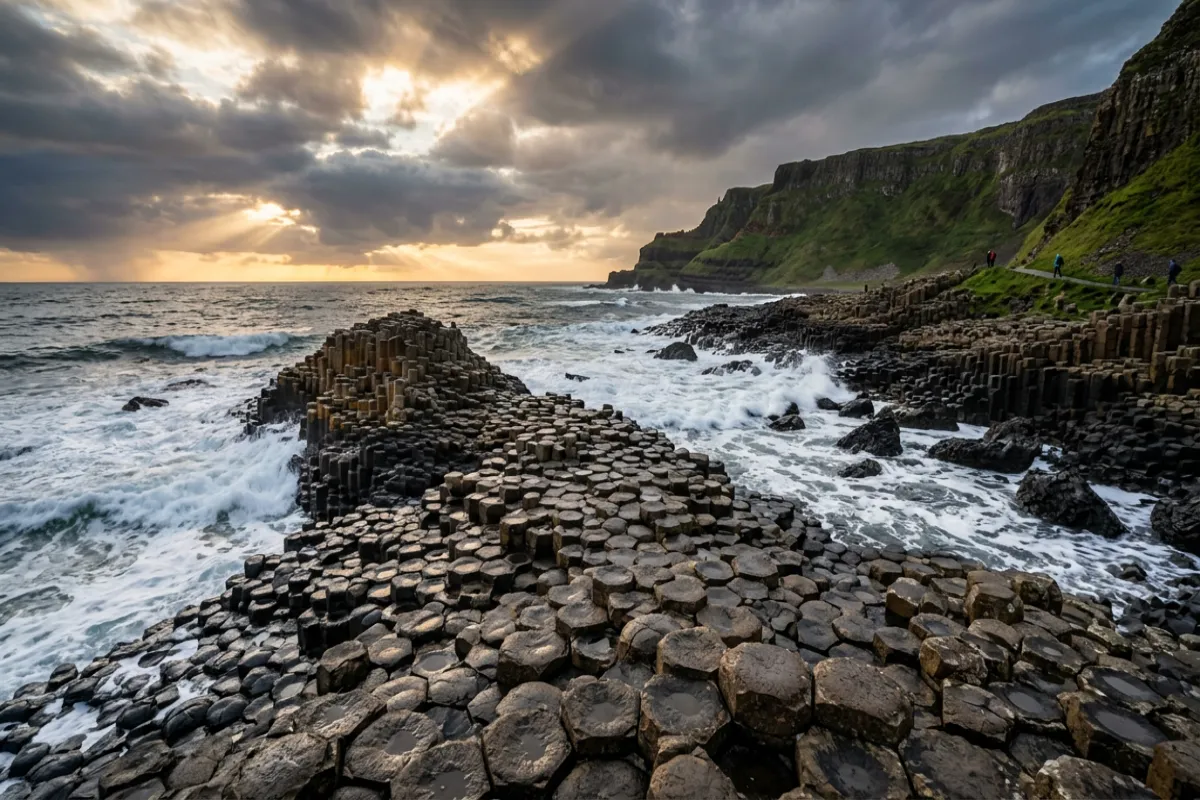
Giant’s Causeway (Northern Ireland)
About 40,000 interlocking basalt columns formed by volcanic activity roughly 60 million years ago. This UNESCO World Heritage Site sits on the Antrim Coast in Northern Ireland, about 2.5 hours north of Dublin by car. Remember: Northern Ireland uses GBP, not EUR.
Scotland Highlights: What to See and Do
Scotland delivers a different flavor of Celtic beauty. Where Ireland is rolling green fields, Scotland adds dramatic mountain peaks, deep lochs, and a slightly wilder edge. Our complete guide to planning a trip to Scotland covers everything in detail.
Edinburgh
Scotland’s capital is one of the most visually striking cities in Europe. Edinburgh Castle dominates the skyline from its volcanic rock perch. The Royal Mile connects the castle to the Palace of Holyroodhouse. Arthur’s Seat offers a vigorous hike with city views. The Old Town’s narrow closes (alleyways) hide pubs, restaurants, and centuries of history. Two days minimum.
The Scottish Highlands
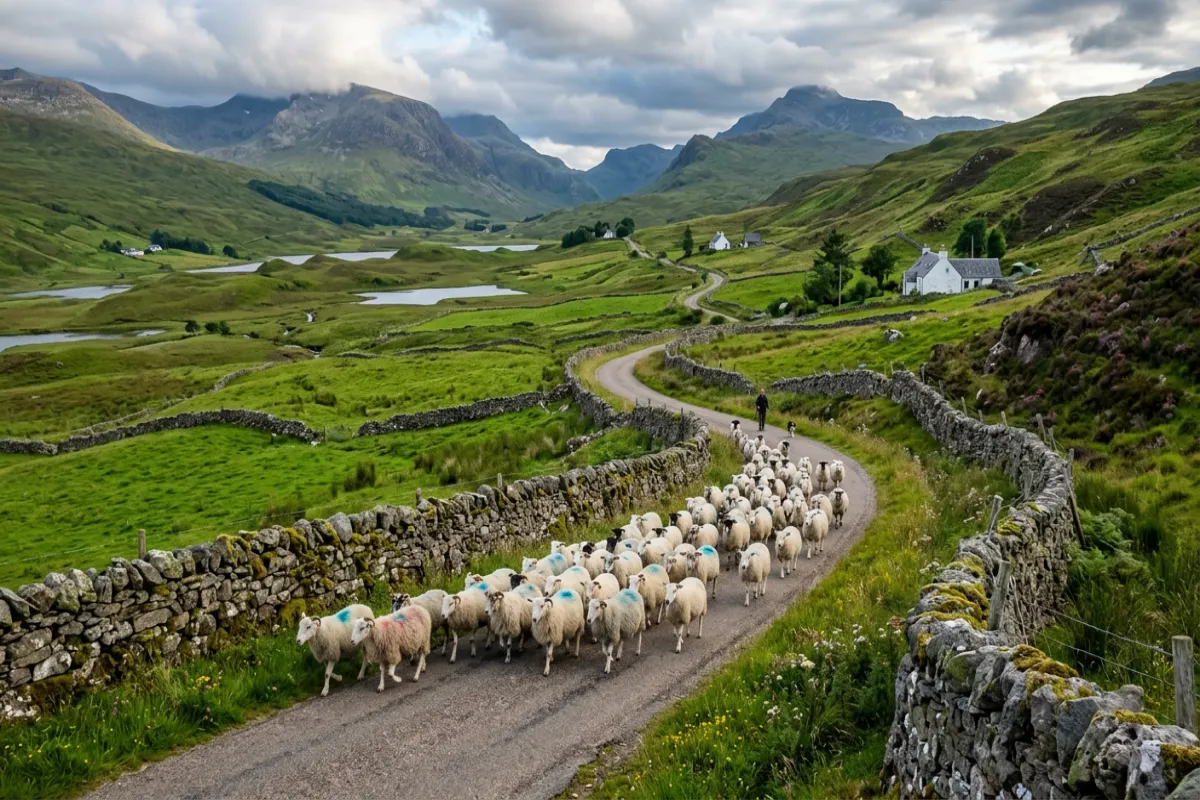
The Highlands are the main reason many people visit Scotland. Ben Nevis (1,345 meters) is the highest peak in the British Isles. Glen Coe is a valley of staggering beauty that has appeared in countless films. Fort William serves as the outdoor adventure capital. The region is vast and sparsely populated, so give yourself at least 2 to 3 days to explore without rushing.
Isle of Skye
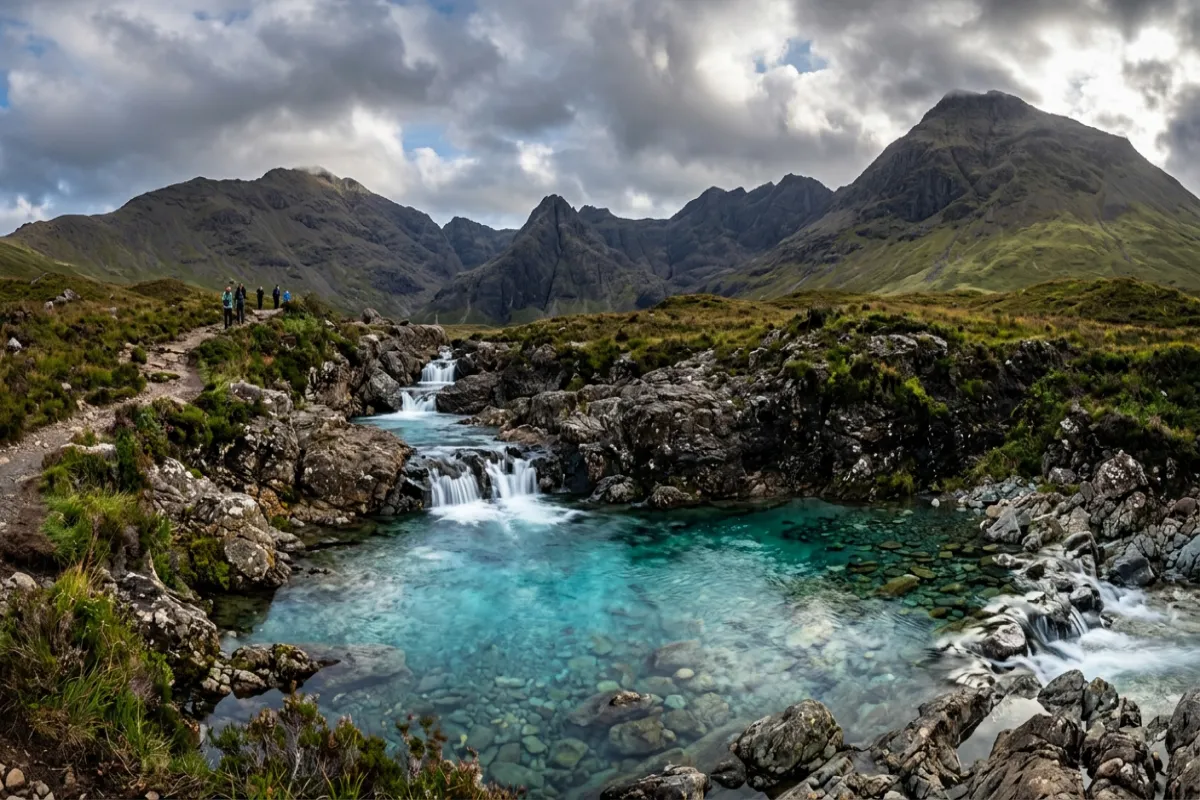
Connected to the mainland by a bridge, Skye feels like stepping into another world. The Old Man of Storr, the Fairy Pools, and the Quiraing offer some of the best hiking in all of the United Kingdom. Roads are narrow and single-track in places, so drive carefully and use passing places. Accommodation on Skye books up fast in summer, so reserve months ahead.
Glasgow
Scotland’s largest city is often overlooked in favor of Edinburgh, which is a mistake. Glasgow has a thriving music scene, the Kelvingrove Art Gallery and Museum (free admission), stunning Victorian and Art Nouveau architecture by Charles Rennie Mackintosh, and some of the best restaurants in Scotland. One to two days is enough to get a feel for the city.
The NC500 (North Coast 500)
Scotland’s answer to Route 66. This 516-mile loop around the northern Highlands starts and ends in Inverness. It passes through remote coastal villages, pristine beaches, and mountain landscapes. Allow 5 to 7 days to drive it properly. If you do not have that much time, even a partial section is rewarding.
Whisky Trail and Loch Ness
Speyside in the northeast is home to roughly half of Scotland’s whisky distilleries. The Malt Whisky Trail links seven distilleries including Glenfiddich, The Glenlivet, and Macallan, all open for tours and tastings. Loch Ness, near Inverness, is worth a visit for its scenery rather than any monster sightings. Urquhart Castle on its shores provides excellent photo opportunities.
Where to Stay in Ireland and Scotland
Both countries offer accommodation that ranges from budget hostels to luxury castle hotels, with a strong tradition of family-run bed and breakfasts in between.
B&Bs (Bed and Breakfasts)
The classic way to stay in both countries. Irish and Scottish B&Bs are typically family-run homes with a handful of rooms, a cooked breakfast included, and hosts who can recommend local restaurants and attractions. Expect to pay $80 to $150 per night for a double room. B&Bs are especially common along driving routes like the Wild Atlantic Way and in Highland villages.
Castle Hotels
Both countries have converted historic castles into hotels. In Scotland, options include Barcaldine Castle near Oban and Dalhousie Castle near Edinburgh. In Ireland, Ashford Castle in County Mayo and Dromoland Castle in County Clare are among the most famous. Prices range from $250 to $800+ per night, but the experience is unforgettable.
City Hotels and Apartments
Dublin, Edinburgh, Galway, and Glasgow all have strong hotel markets. Booking in advance is essential for Edinburgh in August (Fringe Festival) and Dublin during major events. Self-catering apartments work well for longer stays and give you the option to cook some meals, saving on food costs.
Practical Tips for Your Combined Trip
- Currencies: Ireland uses the Euro (EUR). Scotland and Northern Ireland use the British Pound (GBP). Credit and debit cards are accepted almost everywhere. Notify your bank before traveling to avoid fraud blocks. ATMs are widely available in both countries.
- Driving: Both countries drive on the left side of the road. Manual transmission cars are the default for rentals. Request automatic specifically if you need it, and expect to pay more. Fuel is sold by the liter and is more expensive than in North America.
- Weather: Equally unpredictable in both countries. Average summer temperatures range from 14 to 20 degrees Celsius (57 to 68 Fahrenheit). Rain can appear at any time. Pack waterproof layers, comfortable walking shoes, and dress in layers you can add or remove throughout the day.
- Cell service: Check with your carrier about international roaming. Ireland and Scotland are in different countries with different mobile networks. If your plan does not include international coverage, buy a local SIM card in each country or use an eSIM that covers Europe and the UK.
- Tipping: Not as expected as in North America. In restaurants, 10% is appreciated for good service. Pubs do not expect tips for drinks at the bar.
- Plugs: Both countries use Type G plugs (the three-pin British standard). Bring a universal adapter if you are coming from outside the UK/Ireland.
Sample 14-Day Ireland and Scotland Itinerary
This itinerary starts in Dublin and ends in Glasgow, covering the best of both countries without feeling rushed. Adjust based on your interests and pace.
Ireland: Days 1 through 7
Days 1-2: Dublin
Arrive and settle in. Visit Trinity College and the Book of Kells, walk the city center, explore Temple Bar for evening music. Day 2: Guinness Storehouse, Phoenix Park, and the Dublin food scene. Stay central near Grafton Street or Temple Bar.
Days 3-4: South Coast to Kerry
Pick up your rental car and drive south. Stop at Kilkenny (medieval castle and craft breweries) or the Rock of Cashel on the way. Continue to Killarney as your base. Day 4: Drive the Ring of Kerry loop, stopping at viewpoints, Muckross House, and coastal villages.
Day 5: Ring of Kerry and Dingle
Explore the Dingle Peninsula if you did not cover it on Day 4, or take a boat trip to the Skellig Islands (weather permitting, book well in advance). Drive north toward County Clare.
Days 6-7: Cliffs of Moher and Galway
Day 6: Visit the Cliffs of Moher early, then drive the Burren (a lunar-like limestone landscape). Continue to Galway. Day 7: Explore Galway city, visit the market, enjoy traditional music in a pub. Optional day trip to the Aran Islands by ferry. Drop off your rental car at the airport.
Travel Day
Day 8: Fly Dublin to Edinburgh
Take a morning flight from Dublin to Edinburgh (about 1 hour). Arrive by late morning and check into your Edinburgh accommodation. Spend the afternoon walking the Royal Mile and getting oriented. Evening dinner in the Old Town.
Scotland: Days 8 through 14
Days 8-9: Edinburgh
Day 8 (afternoon): Royal Mile, Edinburgh Castle. Day 9: Arthur’s Seat hike in the morning, National Museum of Scotland, explore the New Town and Princes Street Gardens. Evening: find a pub with live folk music.
Days 10-12: The Highlands
Pick up a rental car. Drive north through Stirling (Stirling Castle, Wallace Monument) to the Highlands. Day 10: Glen Coe and Fort William. Day 11: Isle of Skye (Old Man of Storr, Fairy Pools). Day 12: Loch Ness area, Urquhart Castle, optional whisky distillery visit in Speyside. Stay in Inverness or Highland B&Bs along the route.
Day 13: Glasgow
Drive south to Glasgow (about 3 hours from Inverness). Visit Kelvingrove Art Gallery, explore the West End, see the Glasgow Cathedral. Enjoy Glasgow’s food and bar scene in the evening.
Day 14: Glasgow and Departure
Morning: any remaining Glasgow sights or last-minute shopping. Afternoon: depart from Glasgow Airport (GLA) or Edinburgh Airport (EDI, about 1 hour east by car or train).
Planning Tools and Resources
Organizing a two-country trip involves a lot of moving pieces. These resources will help keep everything straight:
- How to Plan a Trip – our step-by-step general planning guide
- AI Travel Planner – get a personalized day-by-day itinerary
- Vacation Itinerary Template – organize your daily schedule
- Travel Budget Template – track spending across two currencies
- Plan a Trip to Ireland – our full Ireland planning guide
- Plan a Trip to Scotland – our full Scotland planning guide
Frequently Asked Questions
Do I need a visa to visit Ireland and Scotland?
Citizens of the United States, Canada, Australia, and most EU countries do not need a visa for short stays in either country. Ireland allows visa-free visits up to 90 days. Scotland (as part of the UK) allows up to 6 months. Check your specific country’s requirements before traveling.
Can I use the same rental car in both countries?
Most rental companies do not allow you to take a car from one country to the other. Even if the ferry crossing is short, cross-border restrictions typically apply. Plan on renting separate cars in each country. Drop off in Ireland before your flight, and pick up a new one in Scotland.
Is it cheaper to fly or take the ferry between Ireland and Scotland?
Flying is usually cheaper and always faster. Budget airline fares start around $25 to $60 one way. Ferry tickets for a foot passenger run around $30 to $50, but the journey takes 2 to 8 hours depending on the route. If you want to bring a car on the ferry, add $100 to $200 for the vehicle.
Which country should I visit first?
Either works. Starting in Ireland and ending in Scotland is slightly more popular because Dublin has more direct transatlantic flights than Glasgow or Edinburgh. But if you find a better deal flying into Edinburgh, start there instead. The itinerary works well in both directions.
Is 10 days enough for both Ireland and Scotland?
It is tight but doable if you focus on the highlights. Give 5 days to each country and accept that you will need to make choices about what to skip. The Highlands and the Wild Atlantic Way each deserve 2 to 3 days on their own, which does not leave much room for cities.
What is the best month to visit in 2026?
June offers the best combination of long daylight hours, warm temperatures, and manageable crowds. May and September are excellent for lower prices and fewer tourists. August is ideal if you want to experience the Edinburgh Fringe Festival, but expect higher prices and packed accommodation.
Do I need travel insurance?
Yes. Travel insurance is strongly recommended for any international trip. Look for a policy that covers medical emergencies, trip cancellation, and lost luggage. Since you are visiting two different countries with two different healthcare systems, having insurance simplifies things significantly if something goes wrong.