Japan is one of the most rewarding travel destinations in the world, blending ancient temples and traditions with futuristic cities and incredible food. Whether you are drawn by cherry blossoms, bullet trains, sushi, or serene gardens, this guide covers everything you need to plan your Japan trip in 2026.
From visa requirements and daily budgets to a sample 10-day itinerary, we have organized all the essentials so you can focus on the exciting part: choosing what to see and do. If you are new to trip planning in general, start with our guide on how to plan a trip for a step-by-step framework.
Quick Facts: Japan at a Glance
| Visa (US Citizens) | Visa-free for up to 90 days (tourism) |
| Currency | Japanese Yen (JPY / ¥). As of 2026, roughly ¥150 = $1 USD |
| Language | Japanese. English signage is common in major cities and transit |
| Time Zone | JST (UTC+9). No daylight saving time |
| Best Time to Visit | Spring (March to May) and Autumn (September to November) |
| Daily Cost (Budget) | $80 to $120 per person |
| Daily Cost (Mid-Range) | $170 to $270 per person |
| Daily Cost (Luxury) | $400+ per person |
Best Time to Visit Japan
Japan has four distinct seasons, and each offers something unique. The two peak travel seasons are spring and autumn, both delivering mild weather and spectacular natural beauty.
Spring (March to May)
Spring is Japan’s most popular travel season, thanks to cherry blossom (sakura) season. In 2026, Tokyo’s cherry blossoms are forecast to begin blooming around March 19, reaching full bloom by March 27. Kyoto follows slightly later, with full bloom expected around April 1. The full bloom window at each location lasts only 5 to 7 days, so timing matters.
Book accommodations 3 to 6 months in advance if you are targeting cherry blossom season. Prices can double or triple during peak bloom weeks.
Summer (June to August)
Summer is hot and humid across most of Japan, with a rainy season (tsuyu) typically running from mid-June through mid-July. However, summer brings vibrant festivals (matsuri), fireworks displays, and the chance to escape to cooler areas like Hokkaido or the Japanese Alps.
Autumn (September to November)
Fall foliage season rivals cherry blossoms for sheer beauty. Leaves change from late October through November, with Kyoto’s temples providing some of the most iconic autumn scenery in the world. Crowds are slightly smaller than spring, and the weather is crisp and pleasant.
Winter (December to February)
Winter is the quietest season for tourism in most of Japan. You will find fewer crowds and lower prices. Northern Japan (Hokkaido, Tohoku) offers world-class skiing and snowboarding, while hot spring (onsen) towns are especially appealing in cold weather.
How Long to Stay in Japan
For a first visit, plan for 10 to 14 days to comfortably cover the highlights without rushing. This gives you enough time to explore Tokyo, Kyoto, Osaka, and one or two day trips.
If time is limited, a minimum of 7 days lets you experience the “Golden Route” of Tokyo, Hakone, Kyoto, and Osaka. Anything less than a week and you will spend too much of your trip in transit.
With 14+ days, you can add destinations like Hiroshima, Nara, Kanazawa, or even venture to Hokkaido or the southern islands of Okinawa.
Budget and Costs
Japan has a reputation for being expensive, but the weak yen in 2026 (hovering around ¥150 to $1 USD) has made it significantly more affordable for visitors from the US and Europe. Here is what to expect as of 2026:
Daily Costs by Travel Style
Budget ($80 to $120/day): Stay in hostels or capsule hotels (¥2,000 to ¥6,000 per night), eat at convenience stores and casual restaurants (¥2,000 to ¥3,500 daily), and use local trains and buses (¥800 to ¥1,500 daily).
Mid-Range ($170 to $270/day): Stay in business hotels (¥8,000 to ¥15,000 per night), enjoy sit-down restaurants (¥4,000 to ¥8,000 daily), and mix trains with occasional taxis.
Luxury ($400+/day): Stay in high-end hotels or ryokans (¥30,000 to ¥100,000+ per night), dine at kaiseki restaurants (¥10,000 to ¥30,000 per meal), and use taxis or private transport.
Flight Costs from the US
Round-trip economy flights from the US to Japan typically range from $700 to $1,300, depending on your departure city and travel dates. West Coast departures (Los Angeles, San Francisco, Seattle) tend to be cheapest, often under $950. East Coast departures (New York, Boston) usually start around $1,000. Booking 2 to 3 months in advance and flying in January or February often yields the best deals.
Use a travel budget template to map out your total trip costs before you book.
Other Costs to Know
- International Tourist Tax: As of 2026, Japan charges a ¥3,000 (approximately $20) departure tax, included automatically in your outbound flight ticket.
- Attractions: Most temples and shrines charge ¥300 to ¥1,000 ($2 to $7) for entry. Museums range from ¥500 to ¥2,000.
- Pocket WiFi or eSIM: ¥500 to ¥1,500 per day for pocket WiFi rental, or $15 to $30 for a 2-week eSIM plan.
Getting There and Around
Getting to Japan
Most international visitors fly into one of Tokyo’s two airports: Narita International Airport (NRT), about 60 to 90 minutes from central Tokyo, or Haneda Airport (HND), which is closer to the city center at about 30 to 45 minutes. If you have a layover at either airport, check out our Tokyo Haneda layover guide or Tokyo Narita layover guide for tips on making the most of your time.
Kansai International Airport (KIX) near Osaka is another option, especially if you plan to start your trip in the Kyoto/Osaka region.
The JR Pass Debate in 2026
The Japan Rail Pass (JR Pass) saw a significant price increase in late 2023, and many travelers now question whether it is worth the cost. Here is the breakdown:
- 7-day Ordinary Pass: approximately ¥50,000 ($330)
- 14-day Ordinary Pass: approximately ¥80,000 ($530)
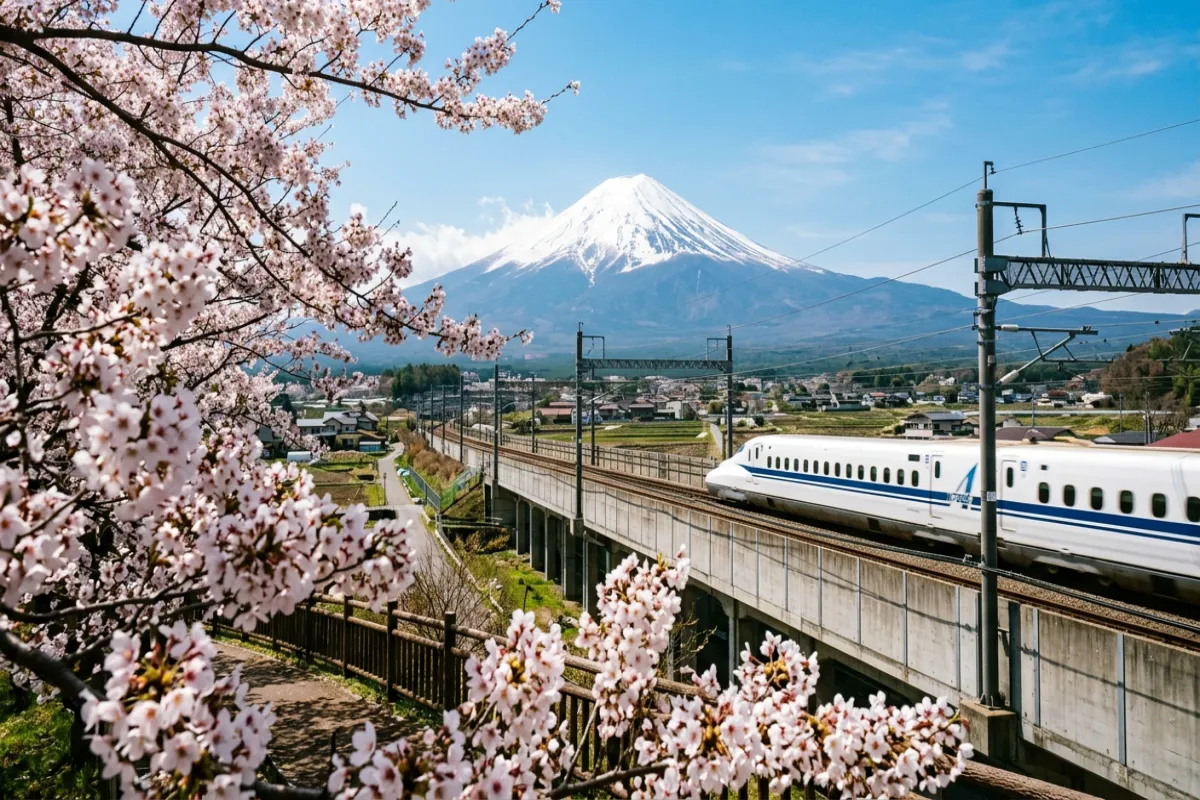
When the JR Pass is worth it: If your itinerary includes multiple long-distance bullet train (shinkansen) rides within the pass window, such as Tokyo to Kyoto, Kyoto to Hiroshima, and Hiroshima back to Tokyo. Individual tickets for that route total roughly ¥44,000, and adding local JR rides pushes it past the ¥50,000 pass price.
When it is NOT worth it: If you are only doing the standard Tokyo to Kyoto to Osaka route with short local trips, individual tickets cost around ¥30,000, well below the pass price. In this case, buy individual tickets or consider a regional pass instead.
Important note: JR Pass holders can now ride Nozomi and Mizuho (the fastest) shinkansen trains, but an additional supplement ticket is required, which can reduce the pass’s value.
IC Cards: Suica and Pasmo
Get a Suica or Pasmo IC card as soon as you arrive. These rechargeable cards work on virtually all trains, subways, and buses across Japan. They also work at convenience stores, vending machines, and many shops. You can add a Suica card to Apple Wallet before you even land in Japan.
Domestic Flights
For longer distances (Tokyo to Sapporo, Tokyo to Okinawa), domestic flights can be faster and cheaper than the shinkansen. Budget carriers like Peach Aviation and Jetstar Japan offer fares starting around ¥5,000 to ¥10,000 one-way.
Where to Stay
Japan offers a wider range of accommodation types than almost any other country. Here are your main options:
Business Hotels
Clean, efficient, and affordable. Chains like Toyoko Inn, APA Hotel, and Dormy Inn offer small but well-equipped rooms for ¥6,000 to ¥15,000 per night. Many include free breakfast. These are the go-to choice for mid-range travelers.
Ryokans (Traditional Inns)
A quintessential Japan experience. Ryokans feature tatami-mat rooms, futon bedding, communal or private onsen baths, and multi-course kaiseki dinners. Prices range from ¥15,000 for a basic ryokan to ¥80,000+ for a luxury property. Try to book at least one night at a ryokan, especially in Hakone or Kyoto.
Capsule Hotels
A uniquely Japanese experience at budget prices (¥2,000 to ¥5,000 per night). Modern capsule hotels are surprisingly comfortable and often include lounge areas and bath facilities. Great for solo travelers.
Hostels
Japan has excellent hostels, especially in Tokyo and Kyoto. Dorm beds run ¥2,000 to ¥4,000 per night, with private rooms available at many properties.
Vacation Rentals
Airbnb operates in Japan, but regulations have tightened significantly. Many listings are limited to 180 days per year, and hosts must be licensed. Availability can be inconsistent, especially in Kyoto where regulations are strictest. Hotels and ryokans tend to be more reliable options.
Must-See Destinations
Tokyo
Japan’s capital is a sensory overload in the best way. Explore the historic Senso-ji temple in Asakusa, the trendy streets of Shibuya and Harajuku, the tech wonderland of Akihabara, and the upscale shopping of Ginza. Do not miss Tsukiji Outer Market for fresh seafood, Meiji Shrine for a peaceful escape, and Shinjuku for nightlife. Allow at least 3 days.
Kyoto
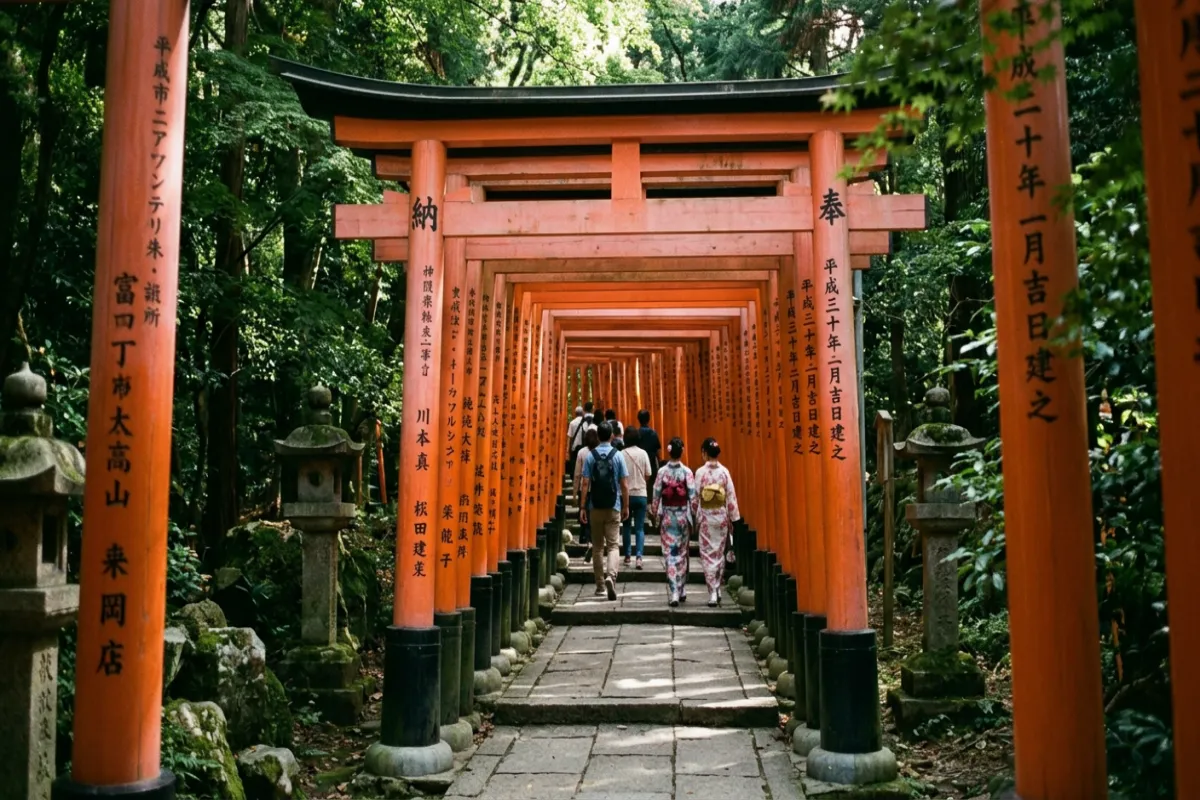
The cultural heart of Japan, home to over 2,000 temples and shrines. Must-visits include Fushimi Inari (the iconic orange torii gates), Kinkaku-ji (Golden Pavilion), Arashiyama Bamboo Grove, and the geisha district of Gion. Kyoto rewards slow exploration. Allow 3 days minimum.
Osaka
Known as Japan’s kitchen, Osaka is a street food paradise. Dotonbori is the vibrant heart of the city, where you can try takoyaki (octopus balls) and okonomiyaki (savory pancakes). Visit Osaka Castle and explore the nightlife in Namba. Allow 2 days.
Hiroshima
The Peace Memorial Park and Museum are profoundly moving and essential for understanding Japan’s modern history. Nearby Miyajima Island, with its iconic floating torii gate, makes for a perfect half-day addition. Hiroshima works well as a day trip from Osaka or Kyoto via shinkansen (about 1.5 to 2 hours).
Hakone and Mount Fuji
Just 1.5 hours from Tokyo, Hakone offers hot springs, open-air museums, and views of Mount Fuji on clear days. The Hakone Loop (train, cable car, ropeway, and pirate ship across Lake Ashi) is a classic day trip. For closer Fuji views, consider the Fuji Five Lakes area.
Nara
A charming day trip from Kyoto (about 45 minutes by train), Nara is famous for its friendly free-roaming deer and the massive bronze Buddha at Todai-ji temple. Plan for half a day to a full day.
Food and Dining
Japanese food is a major reason people visit, and eating well does not require spending a lot. Some of the best meals in Japan come from the most unassuming places.
What to Try
- Sushi: Skip the tourist spots and eat at conveyor belt (kaiten) sushi restaurants for excellent quality at ¥100 to ¥500 per plate.
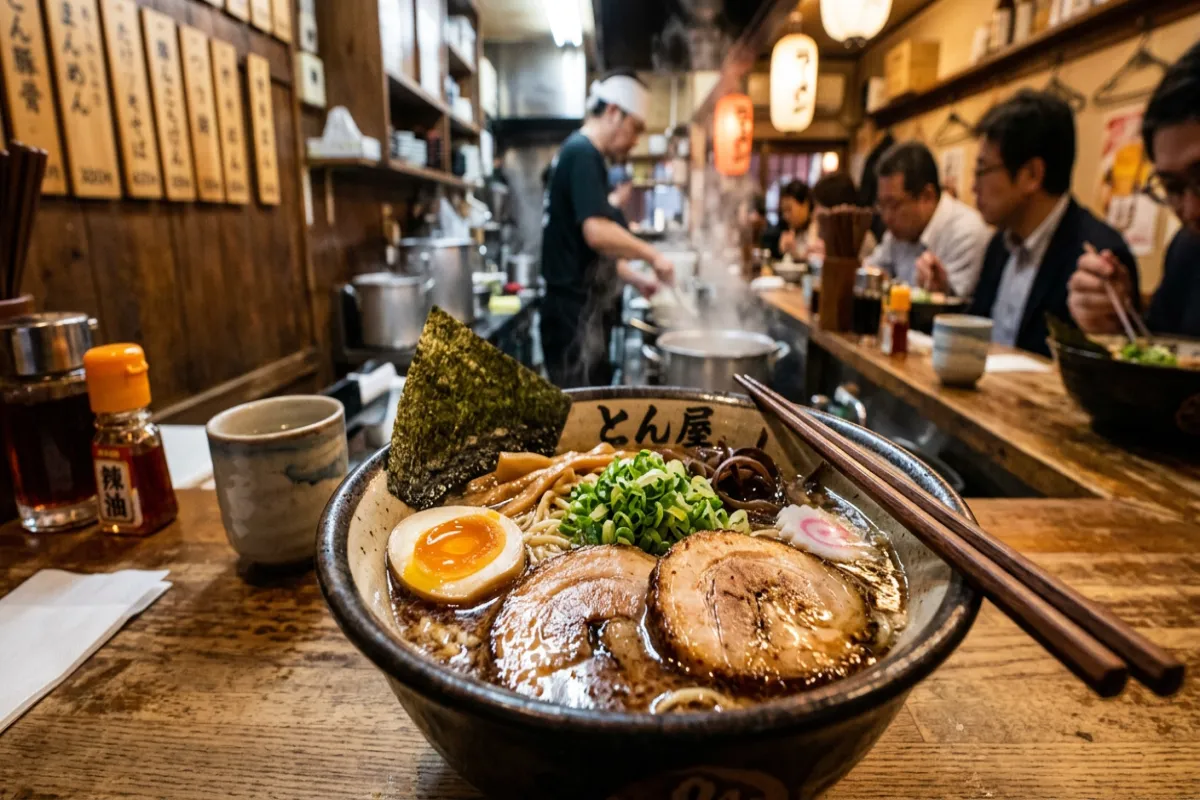
- Ramen: Every region has its own style. A bowl typically costs ¥800 to ¥1,200. Tokyo is known for shoyu (soy sauce) ramen, while Kyushu is famous for tonkotsu (pork bone broth).
- Izakayas: Japanese pub-style dining is a quintessential evening experience. Order small plates and drinks. Budget ¥2,000 to ¥4,000 per person.
- Convenience Store Food: Do not underestimate 7-Eleven, Lawson, and FamilyMart. Their onigiri (rice balls), sandwiches, and bento boxes are fresh, delicious, and incredibly cheap (¥100 to ¥600).
- Depachika (Department Store Food Halls): The basement floors of department stores are food wonderlands with high-quality takeaway options, bento boxes, pastries, and free samples.
Dining Tips
- No tipping: Tipping is not practiced in Japan and can actually be considered rude.
- Reservations: Popular restaurants increasingly require reservations, especially for dinner. Book ahead when possible.
- Dietary restrictions: Vegetarian and vegan dining is improving but still challenging. Many broths and sauces contain dashi (fish stock). The word “vegetarian” in Japanese is “bejitarian” and apps like HappyCow can help locate options.
- Ticket machines: Many ramen shops and casual restaurants use vending machines at the entrance where you buy a meal ticket before sitting down.
Safety and Practical Tips
Safety
Japan is one of the safest countries in the world for travelers. Violent crime is extremely rare, and petty theft is uncommon. You will see people leave bags unattended in cafes and restaurants. The US State Department rates Japan as a Level 1 destination (exercise normal precautions).
Cash Is Still Important
While credit cards and contactless payments are increasingly accepted at hotels, chain restaurants, and larger shops, many smaller restaurants, temples, rural shops, and street food vendors are still cash-only. Carry ¥10,000 to ¥20,000 in cash at all times. 7-Eleven ATMs and Japan Post ATMs reliably accept foreign cards.
Cultural Etiquette
- Shoes off indoors: Remove your shoes when entering homes, ryokans, some restaurants, and temple areas. Look for a step up or a shoe rack at the entrance.
- Trash rules: Public trash cans are rare. Carry a small bag to hold your trash until you find a bin (usually near convenience stores or train stations).
- Quiet on trains: Keep your voice low on public transport. Phone calls on trains are considered very rude. Set your phone to silent (manner mode).
- Bowing: A slight bow is a common greeting. You do not need to bow deeply as a tourist, but a small nod of the head shows respect.
Onsen Etiquette
Hot spring baths (onsen) are a highlight of any Japan trip. Key rules: wash thoroughly before entering the bath, do not bring towels into the water, and be aware that most traditional onsen require bathing without swimwear. Men’s and women’s baths are separated.
Tattoo Awareness
Many traditional onsen and public baths still prohibit entry for people with visible tattoos, due to the historical association with yakuza. This has been slowly changing, and some onsen now welcome tattooed guests or offer private baths. Check policies in advance or look for “tattoo-friendly” listings.
Sample 10-Day Japan Itinerary
This itinerary covers the essential highlights for first-time visitors. Use our vacation itinerary template to customize it for your trip.
Days 1 to 3: Tokyo
- Day 1: Arrive at Narita or Haneda. Get your IC card, check into your hotel, explore Shinjuku and its bustling nightlife.
- Day 2: Senso-ji in Asakusa, Ueno Park, Akihabara. Evening in Shibuya (see the famous scramble crossing).
- Day 3: Meiji Shrine, Harajuku, Omotesando. Afternoon in Tsukiji Outer Market. Evening in Roppongi or Ginza.
Day 4: Day Trip to Hakone
- Take the Romancecar from Shinjuku (about 85 minutes). Do the Hakone Loop: Hakone-Yumoto to Gora by mountain railway, cable car to Owakudani, ropeway to Lake Ashi, pirate ship across the lake. Enjoy Mount Fuji views (weather permitting) and soak in a hot spring before returning to Tokyo.
Days 5 to 7: Kyoto
- Day 5: Shinkansen to Kyoto (about 2 hours 15 minutes). Afternoon at Fushimi Inari Shrine (go early or late to avoid crowds). Evening stroll through Gion.
- Day 6: Arashiyama Bamboo Grove (arrive early morning), Tenryu-ji Temple, monkey park. Afternoon at Kinkaku-ji (Golden Pavilion).
- Day 7: Nijo Castle, Philosopher’s Path, Ginkaku-ji (Silver Pavilion). Consider a tea ceremony experience in the afternoon.
Day 8: Day Trip to Nara
- Train from Kyoto (about 45 minutes). Visit Todai-ji Temple and its Great Buddha, walk through Nara Park with the deer, explore Kasuga Grand Shrine. Return to Kyoto in the evening.
Days 9 to 10: Osaka
- Day 9: Train to Osaka (about 15 minutes from Kyoto). Explore Osaka Castle, then dive into Dotonbori for street food: takoyaki, okonomiyaki, kushikatsu. Evening in Namba.
- Day 10: Optional day trip to Hiroshima and Miyajima Island (about 1.5 hours by shinkansen), or spend the day exploring Osaka’s neighborhoods like Shinsekai and Umeda. Depart from Kansai International Airport, or take the shinkansen back to Tokyo for your flight home.
Planning Tools
Planning a trip to Japan involves many moving parts, from booking trains and accommodations to organizing daily itineraries across multiple cities. The right tools can save you hours of work.
- Use Yopki’s AI trip planner to generate a personalized Japan itinerary based on your dates, interests, and budget.
- Organize your day-by-day plans with our vacation itinerary template.
- Track your spending with a travel budget template designed for international trips.
Planning a trip to a different destination? Check out our guide to planning a trip to Italy for another popular first-time international trip.
Frequently Asked Questions
Do I need a visa to visit Japan from the US?
No. US citizens can visit Japan visa-free for up to 90 days for tourism. Your passport must be valid for the duration of your stay, and you need proof of onward or return travel. There are no COVID-19 testing or vaccination requirements as of 2026.
Is Japan expensive to visit?
Japan is more affordable than many travelers expect, especially in 2026 with the favorable exchange rate (roughly ¥150 to $1 USD). Budget travelers can get by on $80 to $120 per day, while mid-range travelers should plan for $170 to $270 per day. Convenience store meals, ramen shops, and capsule hotels make it possible to eat and sleep well without spending a lot.
Do I need to speak Japanese?
No, but learning a few basic phrases is appreciated. In major cities, train stations, and tourist areas, English signage is common. Google Translate’s camera feature is helpful for reading menus and signs. Most Japanese people will go out of their way to help you even with a language barrier.
Should I buy a Japan Rail Pass?
It depends on your itinerary. Since the 2023 price increase, the 7-day JR Pass (¥50,000 / approximately $330) only makes financial sense if you are taking multiple long-distance shinkansen rides within the pass window. For the standard Tokyo to Kyoto to Osaka route, individual tickets are cheaper. Calculate your specific route costs before deciding.
Is Japan safe for solo travelers?
Extremely safe. Japan consistently ranks among the safest countries in the world for all travelers, including solo travelers and women traveling alone. Public transportation runs reliably until late at night, and you can walk through most neighborhoods at any hour without concern.