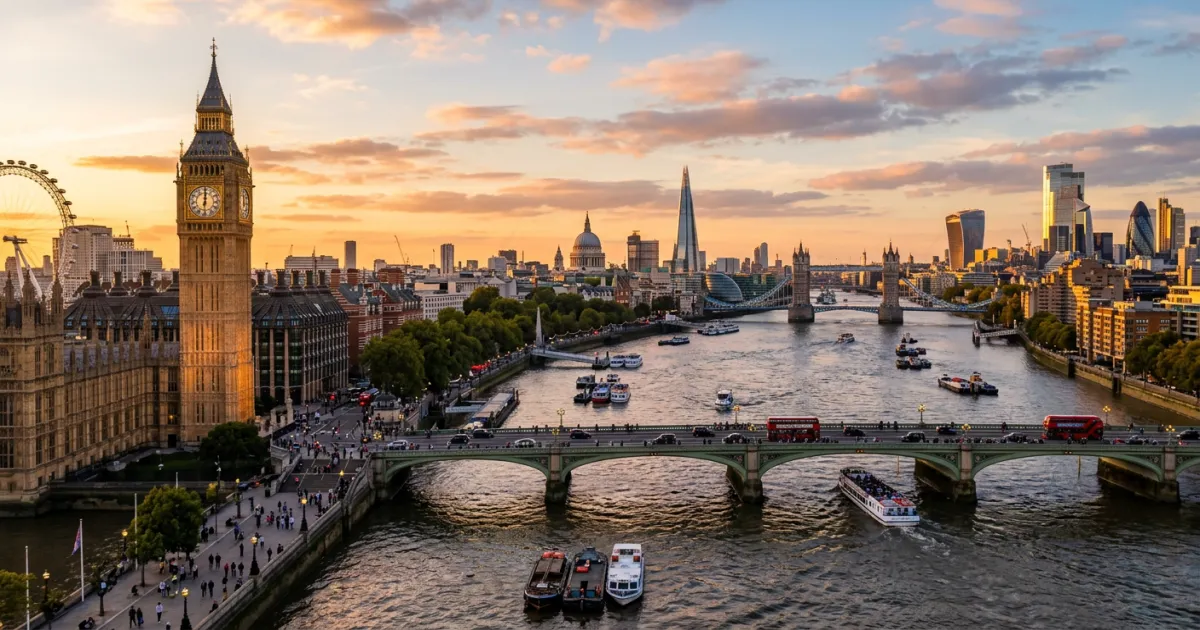
London is one of the world’s greatest cities for travelers. With centuries of history, world-class museums (many of them free), incredible food, and endless neighborhoods to explore, it rewards both first-time visitors and repeat travelers. This guide covers everything you need to plan your 2026 London trip, from budgeting and transportation to a ready-made 5-day itinerary.
If you are new to trip planning, start with our complete guide to planning a trip for a step-by-step framework you can apply to any destination.
London Quick Facts
- Visa: US, Canadian, Australian, and EU citizens can visit the UK for up to 6 months without a visa.
- Currency: British Pound Sterling (GBP). As of early 2026, 1 GBP equals roughly 1.25-1.30 USD.
- Language: English
- Time Zone: GMT (UTC+0) in winter, BST (UTC+1) from late March to late October
- Cost Level: London is one of the most expensive cities in Europe. Budget travelers can get by on 80-120 GBP per day, while mid-range travelers should expect 150-250 GBP per day.
- Tipping: Not mandatory but appreciated. 10-15% at sit-down restaurants is standard. You do not need to tip at pubs when ordering at the bar.
Best Time to Visit London
London is a year-round destination, but some seasons are better than others depending on what you want.
- April to June (Spring): The best time for most travelers. Temperatures range from 11-20C (52-68F), parks are in full bloom, and the city buzzes with outdoor events. Crowds are manageable before summer peaks.
- September to October (Fall): Another excellent window. Summer crowds thin out, temperatures stay pleasant at 12-19C (54-66F), and autumn colors fill the parks. Hotel prices often drop after August.
- July to August (Summer): Warmest weather with highs around 23-25C (73-77F), but this is peak tourist season. Expect longer queues at major attractions and higher accommodation prices.
- November to March (Winter): Cold and often grey, with temperatures around 2-8C (36-46F). However, December brings spectacular Christmas markets and holiday lights across the city. January and February offer the lowest hotel prices of the year.
How Long to Spend in London
Plan for at least 4-5 days to cover the highlights without rushing. This gives you time for major landmarks, a couple of museums, neighborhood exploration, and a day trip. If you want to dig deeper into specific interests like theatre, food, or history, a full week is ideal.
If London is part of a larger European trip, check our guide to planning a trip to Europe for help building a multi-city itinerary. Combining London with a trip to Scotland is a popular and easy add-on.
London Budget Breakdown
London is undeniably expensive, but smart planning helps. Here is what to expect per person per day in 2026:
| Category | Budget | Mid-Range | Comfort |
|---|---|---|---|
| Accommodation | 25-50 GBP (hostel) | 80-150 GBP (hotel) | 200-400+ GBP (luxury) |
| Food | 20-30 GBP | 40-70 GBP | 80-150+ GBP |
| Transport | 8-12 GBP | 12-20 GBP | 30-60 GBP (cabs) |
| Activities | 0-15 GBP (free museums) | 20-40 GBP | 50-100+ GBP |
| Daily Total | 55-110 GBP | 150-280 GBP | 360-700+ GBP |
Use our travel budget template to build a detailed London budget before you go.
Where to Stay in London
London is enormous, so your neighborhood choice matters. Here are five of the best areas for visitors:
South Kensington
Ideal for museum lovers and families. You are walking distance from the Natural History Museum, V&A, and Science Museum, all of which are free. The area is elegant, safe, and well-connected by Tube. Mid-range to upscale hotels dominate here.
Covent Garden
The heart of London’s West End theatre district. Street performers, restaurants, and shops fill the piazza. It is centrally located and walkable to most major sights, but it is one of the pricier neighborhoods for hotels.
Shoreditch
London’s creative hub in East London. Street art, independent coffee shops, vintage markets, and some of the city’s best restaurants. Great for younger travelers or anyone who wants an edgier, more local-feeling experience. More affordable than central areas.
Camden
Famous for Camden Market and its alternative culture. Live music venues, canal-side pubs, and diverse food stalls make it one of London’s most colorful neighborhoods. Budget-friendly accommodation options are more plentiful here.
South Bank
The stretch along the Thames south of the river offers incredible views of Parliament and the City. The Tate Modern, Shakespeare’s Globe, and Borough Market are all here. Hotels range from mid-range chains to boutique options with river views.
Getting Around London
London has one of the best public transport systems in the world. Here is how to use it effectively:
The Tube (Underground)
The fastest way to get around. Use a contactless bank card or phone (Apple Pay, Google Pay) to tap in and out. You get the same fares as an Oyster card, with daily and weekly caps that prevent you from overspending. A single Zone 1 journey costs around 2.80 GBP with contactless.
Buses
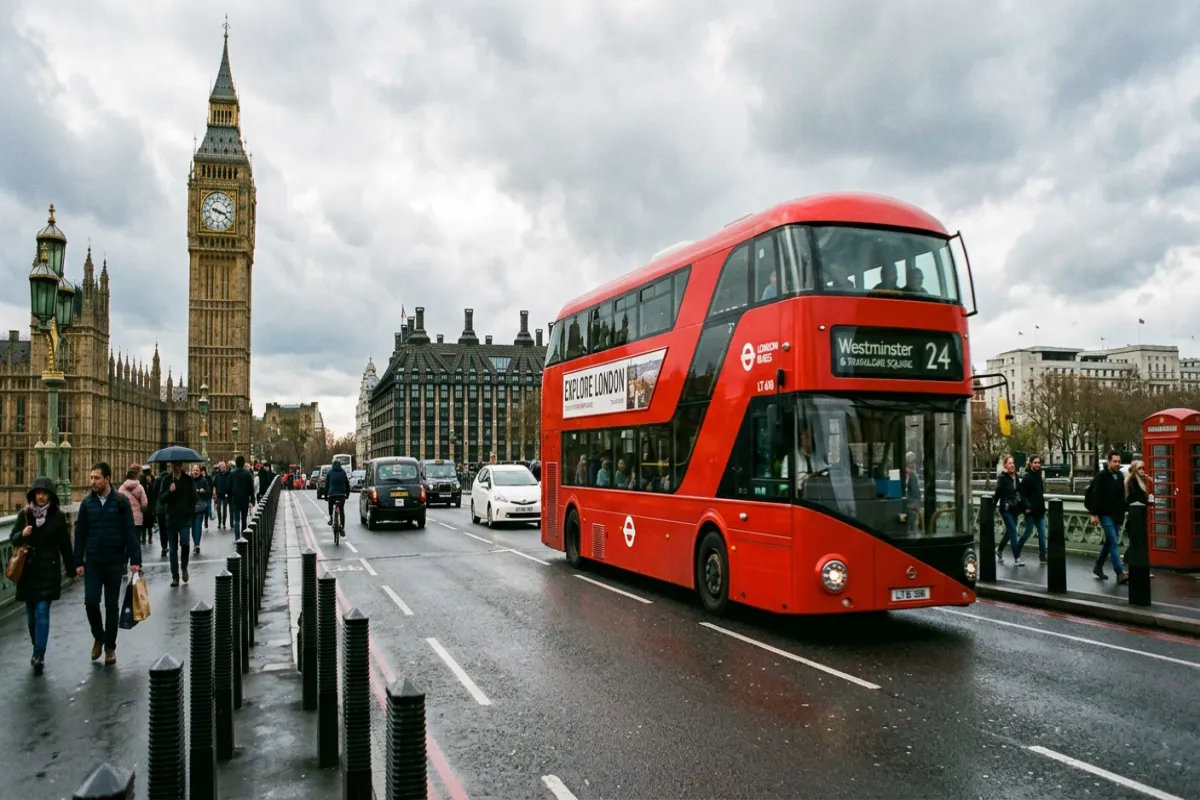
Slower but scenic, especially the heritage Routemaster buses on routes like the 15. Buses are cheaper than the Tube and the only way to see the city at street level. Contactless payment works here too. Cash is not accepted on London buses.
Walking
Central London is surprisingly walkable. The distance from Buckingham Palace to the Tower of London is about 3.5 miles along the Thames, passing most major landmarks. Comfortable shoes are essential.
Black Cabs vs Uber
Iconic black cabs are everywhere but expensive. A cross-town trip can easily cost 15-25 GBP. Uber operates in London and is typically 30-40% cheaper than a black cab for the same route. Both are useful for late nights when the Tube stops running (around midnight on most lines, with Night Tube service on Fridays and Saturdays on select lines).
Heathrow to Central London
The Heathrow Express train reaches Paddington Station in 15 minutes but costs around 25 GBP one way. The Piccadilly Line Tube takes 50-60 minutes but costs under 6 GBP. The Elizabeth Line (Crossrail) offers a good middle ground at roughly 45 minutes and under 13 GBP. For most travelers, the Tube or Elizabeth Line is the best value.
Must-See Attractions in London
Tower of London
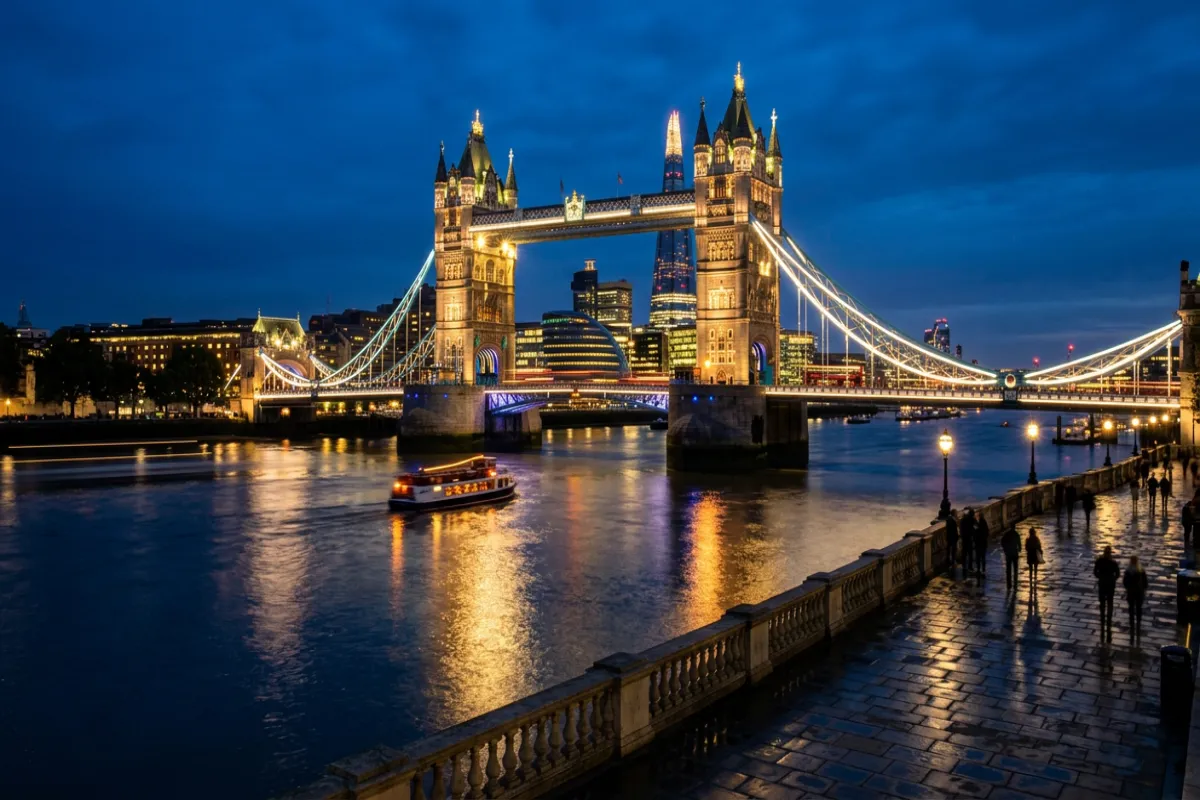
Nearly 1,000 years of history in one fortress. See the Crown Jewels, walk the medieval walls, and hear stories from the Yeoman Warders (Beefeaters). Book tickets online in advance to save money and skip the queue. Adult tickets cost around 33 GBP.
British Museum (FREE)
One of the world’s greatest museums, and it costs nothing to enter. The Rosetta Stone, Egyptian mummies, Parthenon sculptures, and millions of other artifacts span human civilization. Allow at least 2-3 hours, though you could spend days here.
Buckingham Palace and Changing of the Guard
The Changing of the Guard ceremony happens at 11:00 AM. It runs daily from April through July and on alternate days the rest of the year (check the official schedule as it can change). Arrive by 10:15-10:30 for a good viewing spot. The ceremony is free to watch. State Rooms open to visitors during summer months (late July to September) for around 30 GBP.
Big Ben and the Houses of Parliament
The Elizabeth Tower (Big Ben is technically just the bell) and the Palace of Westminster are best viewed from Westminster Bridge or the South Bank. UK residents can arrange tours of Parliament through their MP. International visitors can book tours on select Saturdays and during summer recess.
Westminster Abbey
The coronation church of English monarchs since 1066. Every monarch since William the Conqueror has been crowned here. Adult tickets cost around 29 GBP. The Abbey is free to attend Evensong services, which is a beautiful way to experience the space.
Borough Market
London’s most famous food market, operating in some form since the 13th century. Open Wednesday through Saturday (with limited offerings on Monday and Tuesday). Come hungry and sample artisan cheeses, fresh pastries, street food from around the world, and local produce. Saturday is the busiest day.
Hyde Park and Kensington Gardens
London’s green lung covers 350 acres. Rent a rowboat on the Serpentine, visit the Diana Memorial Fountain, or simply stroll through. Kensington Palace, once home to Princess Diana, sits at the western end with a museum and beautiful gardens.
Camden Market
A sprawling collection of markets along Regent’s Canal. Over 1,000 shops sell everything from vintage clothing to handmade jewelry. The food stalls serve cuisines from around the globe. Open daily, but weekends are liveliest.
Day Trip: Warner Bros. Studio Tour (Harry Potter)
Located about 20 miles northwest of London in Leavesden. See original sets, costumes, and props from the Harry Potter films. Tickets must be booked well in advance (often months ahead) and cost around 53 GBP for adults. A dedicated shuttle bus runs from Watford Junction station, which is about 20 minutes by train from London Euston.
Day Trip: Stonehenge
The prehistoric stone circle sits about 90 miles southwest of London in Wiltshire. You can reach it by organized tour (most convenient), by train to Salisbury then bus, or by rental car. English Heritage manages the site; tickets cost around 22 GBP and should be booked online. Many tours combine Stonehenge with Bath, making for a full-day excursion.
London Food Guide
London’s food scene has transformed over the past two decades. Here is what to eat and where:
Sunday Roast
A British institution. Roasted meat (beef, chicken, lamb, or pork) served with roast potatoes, Yorkshire pudding, vegetables, and gravy. Nearly every pub serves one on Sundays. Some of the best include The Harwood Arms in Fulham, The Guinea Grill in Mayfair, and The Anchor & Hope in Waterloo. Expect to pay 18-28 GBP per plate.
Fish and Chips
Battered and fried cod or haddock with thick-cut chips (fries). Look for places that fry to order rather than keeping fish under a heat lamp. Poppies in Spitalfields and The Golden Hind in Marylebone are consistent favorites. A solid portion costs 12-18 GBP.
Afternoon Tea
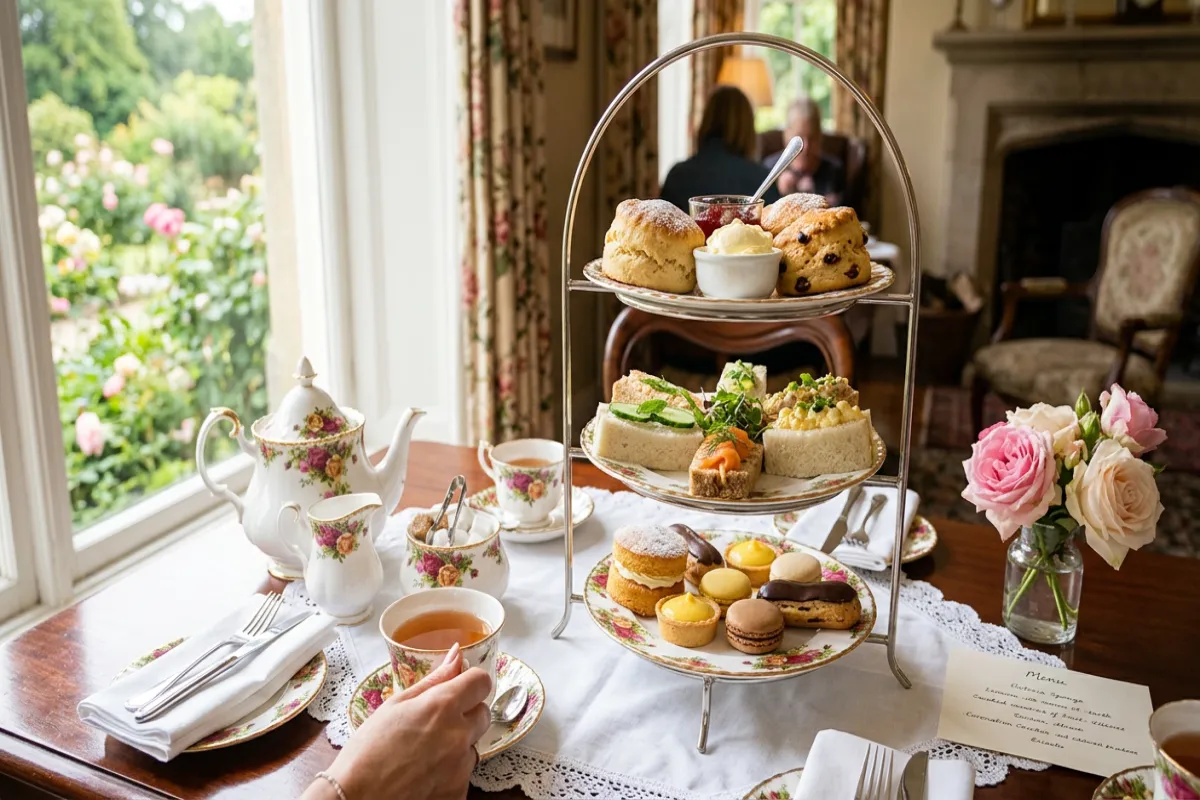
The quintessential London experience. Tiered stands of finger sandwiches, scones with clotted cream and jam, and pastries, served with pots of tea. Classic options include The Ritz (85+ GBP, book weeks ahead), Fortnum & Mason (70+ GBP), or more affordable options at hotel chains for 35-50 GBP. Book in advance for popular spots.
Borough Market
Already mentioned as an attraction, but it deserves emphasis as a food destination. Highlights include Kappacasein’s raclette, Bread Ahead’s doughnuts, and the Ethiopian coffee stand. Budget 15-25 GBP for a satisfying market lunch of samples and small plates.
Brick Lane
The heart of London’s Bangladeshi community and home to dozens of curry houses. The street also has excellent bagel shops (the 24-hour Beigel Bake is legendary), vintage markets on Sundays, and diverse street food. A curry dinner runs 10-18 GBP.
Tipping Etiquette
At sit-down restaurants, 10-15% is standard if service is not already included (check your bill for a service charge). At pubs, you do not tip when ordering at the bar. For table service at pubs, rounding up or leaving a pound or two is fine. Tipping taxi drivers 10% is appreciated but not expected.
Practical Tips for London
- Escalator etiquette: Stand on the right, walk on the left. This is taken very seriously on the Tube. Blocking the left side will earn you sharp looks and pointed comments.
- “Mind the gap”: The warning between the train and the platform edge is real. Some stations have significant gaps, especially on curved platforms.
- Pub hours: Most pubs close at 11:00 PM on weeknights and midnight on weekends, though many central London pubs have late licenses until 1:00 AM or later. Last orders are called about 20 minutes before closing.
- Theatre tickets: The TKTS booth in Leicester Square sells discounted same-day and next-day tickets for West End shows at up to 50% off. The booth opens at 10:00 AM and lines move quickly. Avoid ticket sellers approaching you on the street.
- London Pass: The London Pass bundles entry to 80+ attractions for a flat daily rate (around 90-100 GBP per day). It is worth it only if you plan to visit 3-4 paid attractions per day. For most travelers who mix free museums with one or two paid sites, buying individual tickets is cheaper.
- Weather: Always carry a light rain jacket or compact umbrella. London can shift from sunshine to drizzle multiple times in a single day.
- Adaptor: The UK uses Type G plugs (three rectangular prongs). Bring a universal adaptor or buy one at any corner shop or pharmacy.
- Free museums: The British Museum, National Gallery, Tate Modern, Tate Britain, Natural History Museum, Science Museum, V&A, Imperial War Museum, and Museum of London are all free. Donations are appreciated.
Sample 5-Day London Itinerary
Build a more detailed version of this itinerary with our vacation itinerary template, or let our AI travel planner create a personalized London itinerary for you.
Day 1: Westminster and the Icons
Start at Westminster Abbey (book a morning slot). Walk past Big Ben and the Houses of Parliament, then cross Westminster Bridge to the South Bank. Stroll along the Thames past the London Eye to the Tate Modern. End the day with dinner in the South Bank area or cross back to Covent Garden for West End theatre.
Day 2: The Tower and the East End
Morning at the Tower of London (arrive when it opens at 10:00 AM to beat crowds). Walk across Tower Bridge and explore the south side. After lunch at Borough Market, head to Shoreditch for street art, Brick Lane, and dinner at one of East London’s many excellent restaurants.
Day 3: Museums and Royal London
Watch the Changing of the Guard at Buckingham Palace (arrive by 10:15 AM). Walk through St. James’s Park to the National Gallery on Trafalgar Square (free). Afternoon at the British Museum (free). Evening in Soho or Chinatown for dinner.
Day 4: Day Trip
Choose your adventure: Warner Bros. Studio Tour for Harry Potter fans (book well in advance), Stonehenge and Bath for history lovers, or a train to Oxford or Cambridge for a university town experience. Return to London for a pub dinner and an early night.
Day 5: Neighborhoods and Markets
Spend the morning at Camden Market, then walk along Regent’s Canal to King’s Cross (stop at Platform 9 3/4 for a photo). Afternoon in Hyde Park or visit the V&A and Natural History Museum in South Kensington (both free). Finish with afternoon tea or a Sunday roast, depending on the day.
Planning Tools
Make your London trip planning easier with these resources:
- How to Plan a Trip – Our complete trip planning framework
- AI Travel Planner – Get a personalized London itinerary in minutes
- Vacation Itinerary Template – Organize your daily plans
- Travel Budget Template – Track your London spending
- London Heathrow Layover Guide – If you are connecting through LHR
Frequently Asked Questions
Do I need a visa to visit London?
Citizens of the US, Canada, Australia, and EU/EEA countries can visit the UK for up to 6 months without a visa for tourism. You will need a valid passport. Check the UK government website for the latest entry requirements for your nationality.
Is London safe for tourists?
London is generally very safe for tourists. Petty crime like pickpocketing exists in crowded tourist areas and on the Tube, so keep valuables secure. Avoid walking alone in poorly lit areas late at night, as you would in any major city.
How much spending money do I need for London?
For a mid-range trip, budget around 150-250 GBP per person per day, including accommodation, food, transport, and activities. A budget traveler staying in hostels and eating street food can manage on 80-120 GBP per day. Many of London’s best museums are free, which helps significantly.
What is the best way to get from Heathrow to central London?
The Piccadilly Line Tube is the cheapest option at under 6 GBP (about 50-60 minutes). The Elizabeth Line (Crossrail) offers a faster journey at roughly 45 minutes for under 13 GBP. The Heathrow Express is fastest at 15 minutes but costs around 25 GBP.
Is the London Pass worth buying?
Only if you plan to visit multiple paid attractions each day. Since many of London’s best museums are free, most travelers do better buying individual tickets for the 2-3 paid attractions they want to see. Do the math for your specific plans before purchasing.
Can I use US dollars in London?
No. London uses British Pounds (GBP). Contactless card payments are accepted almost everywhere, from shops and restaurants to market stalls and street performers. Using your debit or credit card with no foreign transaction fees is the best approach. Avoid currency exchange kiosks at airports, which charge high fees.
When is the Changing of the Guard at Buckingham Palace?
The ceremony starts at 11:00 AM and lasts about 45 minutes. It happens daily from April through July and on alternate days during the rest of the year. The schedule can change due to weather or state events, so check the official Household Division website before your visit.