| Martha’s Vineyard Quick Facts | |
|---|---|
| State | Massachusetts, USA |
| Currency | US Dollar (USD) |
| Language | English |
| Time Zone | Eastern Time (ET) |
| Daily Budget | $120 to $500+ per person |
| Best Time | June to September |
| Getting There | Ferry from Woods Hole, Cape Cod (45 minutes) |
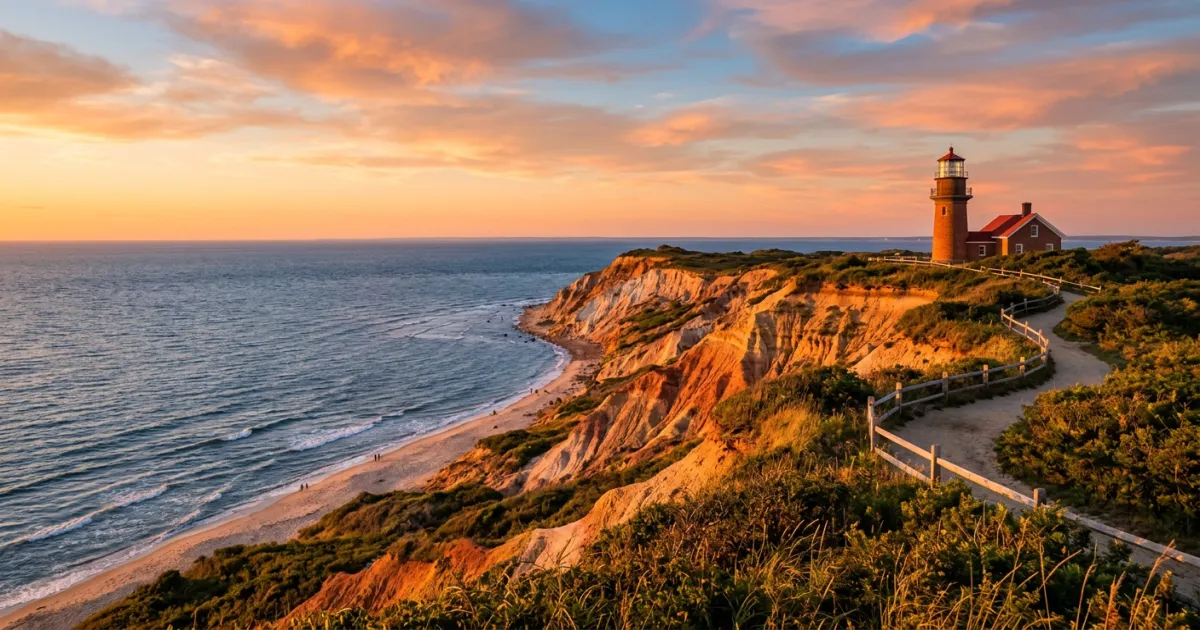
Martha’s Vineyard is a 100-square-mile island off the coast of Cape Cod that has attracted artists, writers, and presidents for over a century. The island has six distinct towns, each with its own character: Edgartown has whaling captain mansions and preppy shops, Oak Bluffs has the gingerbread-style cottages and a carousel, Vineyard Haven is the working port, and up-island towns (West Tisbury, Chilmark, Aquinnah) are rural with farms and the dramatic clay cliffs of Aquinnah. It is a place where you can spend a morning at a farm stand, an afternoon at a pristine beach, and an evening watching the sunset from the cliffs.
For a broader framework for organizing any trip, our how to plan a trip guide covers the fundamentals.
Best Time to Visit Martha’s Vineyard
June through September is the season. July and August are peak with the warmest weather (75 to 85 F), all services running, and the most visitors. June and September are slightly cooler, less crowded, and more affordable. The island essentially shuts down from November through April, with most restaurants, shops, and accommodations closed. Fall (October) has a small following for foliage and quiet beaches.
Getting to Martha’s Vineyard
The Steamship Authority ferry from Woods Hole to Vineyard Haven takes 45 minutes ($19 round trip per adult; car reservations $170+ round trip, book months ahead for summer). Fast ferry from Hyannis or New Bedford (seasonal, $80 to $90 round trip, no cars). Cape Air flies from Boston (BOS), Hyannis, and other regional airports to Martha’s Vineyard Airport (MVY) in about 25 minutes. On the island, the VTA bus system covers all towns ($1.25 per ride). Bikes and mopeds are popular alternatives.
Top Things to Do in Martha’s Vineyard
- Aquinnah Cliffs: Dramatic clay cliffs at the western tip of the island with a lighthouse and panoramic ocean views. The beach below the cliffs (accessible by stairs) is one of the most scenic on the island.
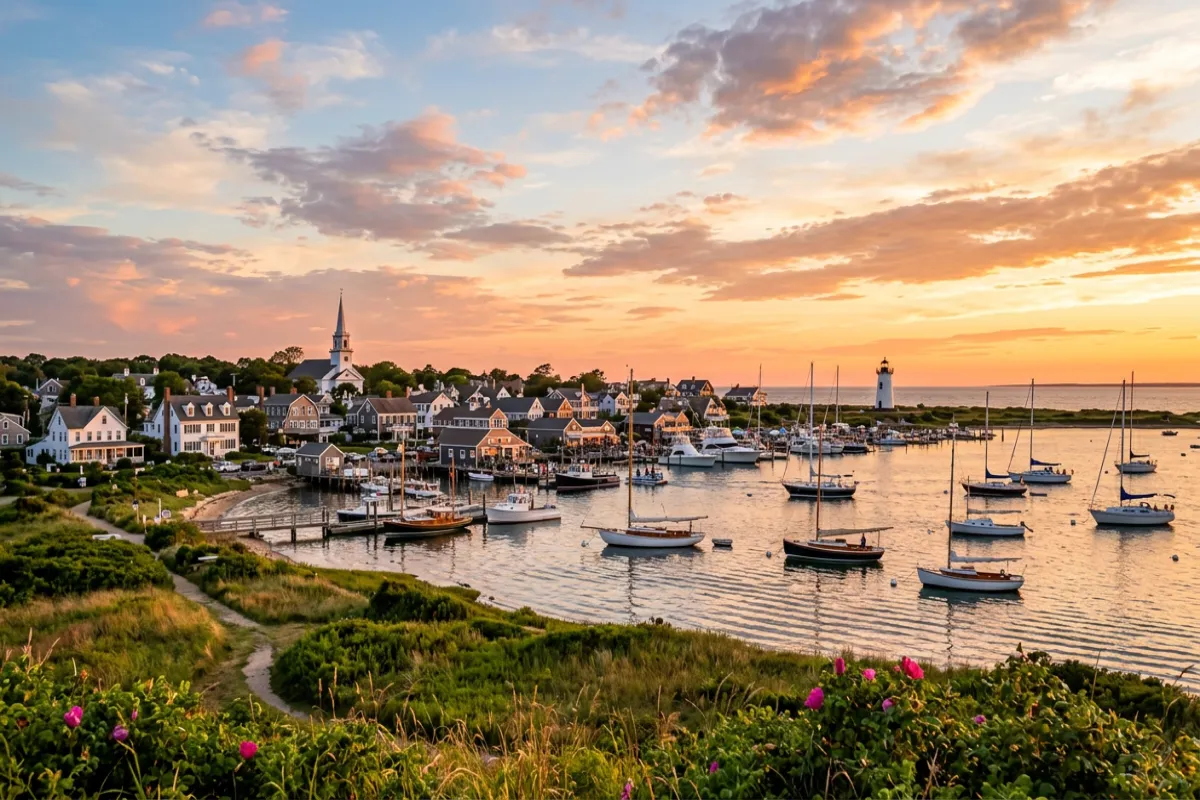
- Edgartown: The most polished town on the Vineyard with white whaling captain houses, a harbor full of sailboats, and boutique shopping along Main Street. The Edgartown Lighthouse is a short walk from downtown.
- Oak Bluffs Gingerbread Cottages: The Camp Meeting Association has hundreds of tiny, colorfully painted Victorian cottages in a cluster. The adjacent Flying Horses Carousel (1876) is the oldest operating carousel in the US.
- Menemsha Harbor: A tiny fishing village on the western shore famous for its sunset views. Buy lobster rolls and fried clams at the shacks along the harbor and eat on the beach while watching the sun go down.
- South Beach (Katama): A 3-mile barrier beach with strong surf on one side and calm warm water on the other. Excellent for walking and body surfing. Free access with limited parking.
- Farm Stands and Local Food: The Vineyard has a strong farm-to-table culture. Morning Glory Farm, Grey Barn Farm, and the West Tisbury Farmers Market (Wednesday and Saturday mornings) sell local produce, cheese, and baked goods.
Where to Stay
Edgartown is the most upscale with inns and hotels ($200 to $600+ per night). Oak Bluffs has a wider range including more affordable guesthouses ($150 to $350). Vineyard Haven is convenient to the ferry ($150 to $300). Up-island (West Tisbury, Chilmark) has vacation rentals in rural settings ($250 to $800 per week). Booking early is essential for summer; popular properties sell out 3 to 6 months ahead. Day trips are a viable alternative to overnight stays.
Sample 2-Day Martha’s Vineyard Itinerary
- Day 1 – Down Island: Ferry to Vineyard Haven. Bus or bike to Oak Bluffs for the gingerbread cottages and carousel. Continue to Edgartown for lunch and a walk through the historic harbor area. Afternoon at South Beach. Evening in Oak Bluffs for dinner and ice cream.
- Day 2 – Up Island: Rent a bike or drive up-island. Morning at the West Tisbury Farmers Market (Wednesday or Saturday). Drive to Menemsha for lobster rolls and harbor views. Continue to Aquinnah Cliffs for the overlook. Return to Vineyard Haven for the ferry.
Budget Estimate
Martha’s Vineyard is expensive. Day-trippers (the most budget-friendly option) can do the island for $60 to $100 including ferry, bus, food, and sightseeing. Overnight budget travelers should plan for $120 to $200 per day with a modest guesthouse and casual dining. Mid-range travelers spend $250 to $400 covering an Edgartown inn, restaurant meals ($20 to $50), and island exploration. Luxury travelers spend $500+ for top inns and fine dining. Restaurant prices are 30 to 50% higher than mainland Massachusetts.
Planning Tools
Ready to start building your Martha’s Vineyard trip? Our free AI trip planner can generate a custom itinerary based on your dates, budget, and interests.
Frequently Asked Questions
Should I bring my car to Martha’s Vineyard?
Most visitors leave their car on the mainland. The island is small enough to navigate by bus, bike, or moped. Car ferry reservations are expensive ($170+ round trip) and must be booked months in advance for summer. Parking in the towns is limited and stressful.
Can you do Martha’s Vineyard as a day trip?
Yes. Take the first ferry over (usually 7 AM) and the last ferry back (usually 9:30 PM in summer). That gives you about 14 hours on the island, enough to see 2 to 3 towns, visit a beach, and have a meal. Many visitors find a day trip satisfying.
How does Martha’s Vineyard compare to Nantucket?
Both are upscale Massachusetts islands with beautiful beaches. Martha’s Vineyard is larger, more diverse, and has more variety (six distinct towns). Nantucket is smaller, more uniformly charming (one main town), and slightly more expensive. The Vineyard has better public transit and is easier to explore without a car.