Quick Facts About Mexico
- Visa: No visa required for US, Canadian, EU, UK, and Australian citizens. You receive a tourist permit (FMM form) allowing stays up to 180 days. You can fill out the FMM online before arrival to save time at immigration.
- Currency: Mexican peso (MXN). The exchange rate hovers around 17 to 19 pesos per US dollar. US dollars are accepted in major tourist areas, but you will always get a better deal paying in pesos.
- Language: Spanish is the official language. English is widely spoken in resort areas like Cancun and Los Cabos, but much less common in smaller cities and rural areas. Learning basic Spanish makes a huge difference.
- Time Zones: Mexico spans multiple time zones. Most of the country follows Central Standard Time (CST), but northwestern states like Sonora follow Mountain Time, and Baja California follows Pacific Time.
- Affordability: Mexico is one of the most affordable international destinations for North American travelers. Street food meals cost $2 to $5, comfortable hotels run $40 to $80 per night, and domestic flights start at $30 one way.
Best Time to Visit Mexico
Mexico is a year-round destination, but the timing of your trip will shape your experience depending on the region you visit.
Dry Season (November to April)
This is peak travel season across most of Mexico. Expect warm days, cool evenings, and almost no rain in central and southern regions. Beach destinations like Cancun, Puerto Vallarta, and Los Cabos see ideal weather with temperatures between 75 and 88 degrees Fahrenheit. This is also when prices are highest and popular destinations fill up quickly, especially around Christmas, New Year, and Easter (Semana Santa).
Rainy Season (May to October)
Afternoon showers are common but rarely last all day. Mornings are typically sunny, and the rain cools things down. Prices drop significantly, crowds thin out, and the landscape turns lush green. Hurricane season runs from June through November along both the Pacific and Caribbean coasts, with September and October carrying the highest risk. Mexico City’s rainy season brings daily afternoon thunderstorms from June to September, but the rest of the day is pleasant.
Regional Variations
The Yucatan Peninsula is hot and humid year-round, with the worst heat from April to June. Mexico City sits at 7,350 feet and enjoys spring-like weather most of the year, rarely climbing above 80 degrees. The Baja Peninsula stays dry almost year-round, making it a solid choice during any month.
How Long Should You Spend in Mexico?
Mexico is enormous, and trying to see everything in one trip is a common mistake. Here is how to think about trip length:
- 5 days: Enough for a single destination. A beach resort in Cancun, a deep dive into Mexico City, or a relaxed stay in Oaxaca.
- 7 to 10 days: The sweet spot for combining two regions. Pair Mexico City with Oaxaca, or split time between the Riviera Maya and a colonial city.
- 14 days: Enough to explore three regions comfortably with travel days built in. This is ideal for a first major trip to Mexico.
If you have never visited Mexico before, a 10 to 14 day trip lets you experience the diversity that makes this country so rewarding, from megacity culture to ancient ruins to Caribbean beaches.
Mexico Travel Budget: What It Actually Costs
Mexico offers exceptional value at every budget level. The range between budget and luxury travel here is wider than almost anywhere else in the world.
Daily Budget Ranges (Per Person)
- Budget ($40 to $60/day): Hostel dorms or basic hotels ($10 to $25), street food and market meals ($8 to $12), local buses and metro ($2 to $5), free walking tours and public beaches.
- Mid-range ($80 to $150/day): Boutique hotels or comfortable Airbnbs ($40 to $80), sit-down restaurant meals mixed with street food ($25 to $45), Uber and ADO buses ($10 to $20), guided tours and attraction entries ($10 to $25).
- Luxury ($200 to $400+/day): Upscale resorts and boutique hotels ($150 to $350+), fine dining and cocktail bars ($70 to $120), private tours and premium experiences ($30 to $80), private transfers.
Key Costs to Know
- Flights from the US: Round-trip flights from major US cities to Mexico range from $150 to $400 depending on the season and destination. Budget airlines like VivaAerobus and Volaris offer fares as low as $100 round-trip.
- Domestic flights: Flying between Mexican cities is surprisingly cheap, often $30 to $80 one way with VivaAerobus or Volaris when booked in advance.
- Museum admissions: Most museums charge 80 to 90 pesos ($4 to $5). Sundays are free at many government-run museums.
- Cenote entry: Most cenotes charge 100 to 300 pesos ($6 to $17) for entry.
- Regional differences: Beach resort areas like Cancun and Los Cabos cost 30 to 50 percent more than inland cities like Oaxaca, Guanajuato, Merida, and San Cristobal de las Casas.
Use a travel budget template to track your spending and avoid surprises.
Getting There and Getting Around
Major International Airports
- Cancun (CUN): The busiest airport for international tourists. Gateway to the Riviera Maya, Tulum, and the Yucatan Peninsula.
- Mexico City (MEX): The country’s main hub and largest airport. Best starting point for exploring central Mexico. Check our Mexico City airport layover guide if you are connecting through MEX.
- Guadalajara (GDL): Gateway to Jalisco, tequila country, and Lake Chapala.
- Los Cabos (SJD): Direct flights from many US cities. Landing strip between desert mountains and ocean.
- Puerto Vallarta (PVR): Main entry point for the Pacific coast and the Bay of Banderas.
Getting Around
- ADO buses: Mexico’s premier long-distance bus company. First-class ADO buses are comfortable, air-conditioned, have Wi-Fi and onboard bathrooms, and run on fixed schedules between major cities. Book at ado.com.mx or at bus terminals. Always choose first-class (primera clase) or luxury (ADO GL/Platino) for long trips.
- Domestic flights: VivaAerobus and Volaris are Mexico’s budget airlines. Fares start at $30 one way. Book directly on their websites for the best prices. Be aware of strict baggage fees.
- Uber and DiDi: Both work well in Mexico City, Guadalajara, Cancun, Merida, Puebla, and other major cities. Safer and more predictable pricing than street taxis.
- Colectivos: Shared minivans that run fixed routes between towns. Extremely cheap ($1 to $3) and a great way to travel short distances in the Yucatan and other regions. Just flag one down on the highway.
- Rental cars: Useful for exploring the Yucatan Peninsula, Baja California, and Oaxaca’s coast at your own pace. Avoid driving at night in rural areas. Get full insurance coverage and be prepared for military checkpoints, which are routine and brief.
Top Destinations in Mexico
Mexico City
One of the world’s great capitals. The historic center, Chapultepec Castle, the National Museum of Anthropology, Coyoacan (Frida Kahlo’s neighborhood), and Roma and Condesa for food and nightlife. The street food scene alone justifies a visit. Plan at least 3 to 4 days here.
Oaxaca
The culinary and cultural heart of Mexico. Famous for mole (seven distinct varieties), mezcal, chapulines (toasted grasshoppers), tlayudas, and the richest indigenous traditions in the country. Visit Monte Alban, explore the markets, and take a mezcal distillery tour. The Day of the Dead celebrations here (late October to early November) are the most authentic in Mexico.
Cancun and the Riviera Maya
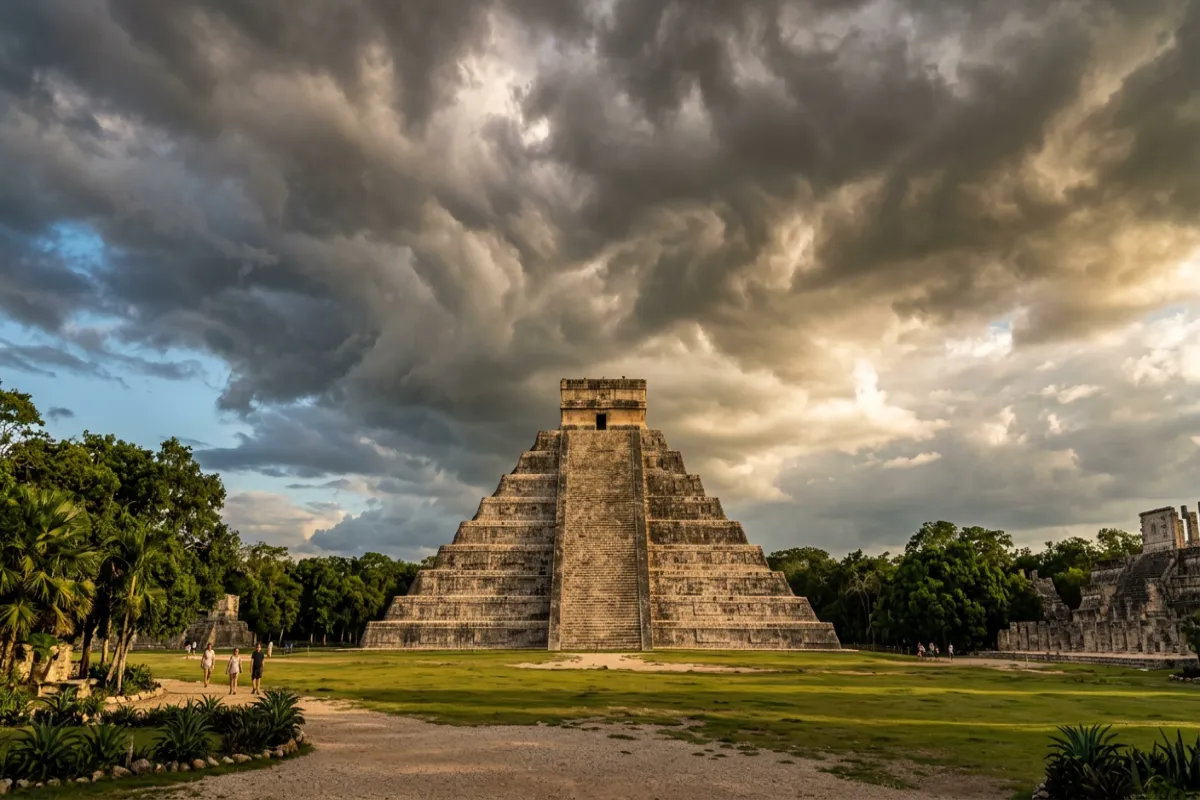
The most popular beach destination in Mexico. Cancun’s Hotel Zone has all-inclusive resorts and turquoise Caribbean water. South along the coast, Playa del Carmen offers a more walkable downtown feel. The ancient Maya ruins of Chichen Itza and Coba are day-trip distance away.
Tulum
Clifftop Maya ruins overlooking the Caribbean Sea, surrounded by cenotes (natural limestone sinkholes filled with crystal-clear water). The beach zone has boutique hotels and restaurants. The town itself is cheaper and more authentic. Cenotes like Gran Cenote and Cenote Dos Ojos are not to be missed.
San Miguel de Allende
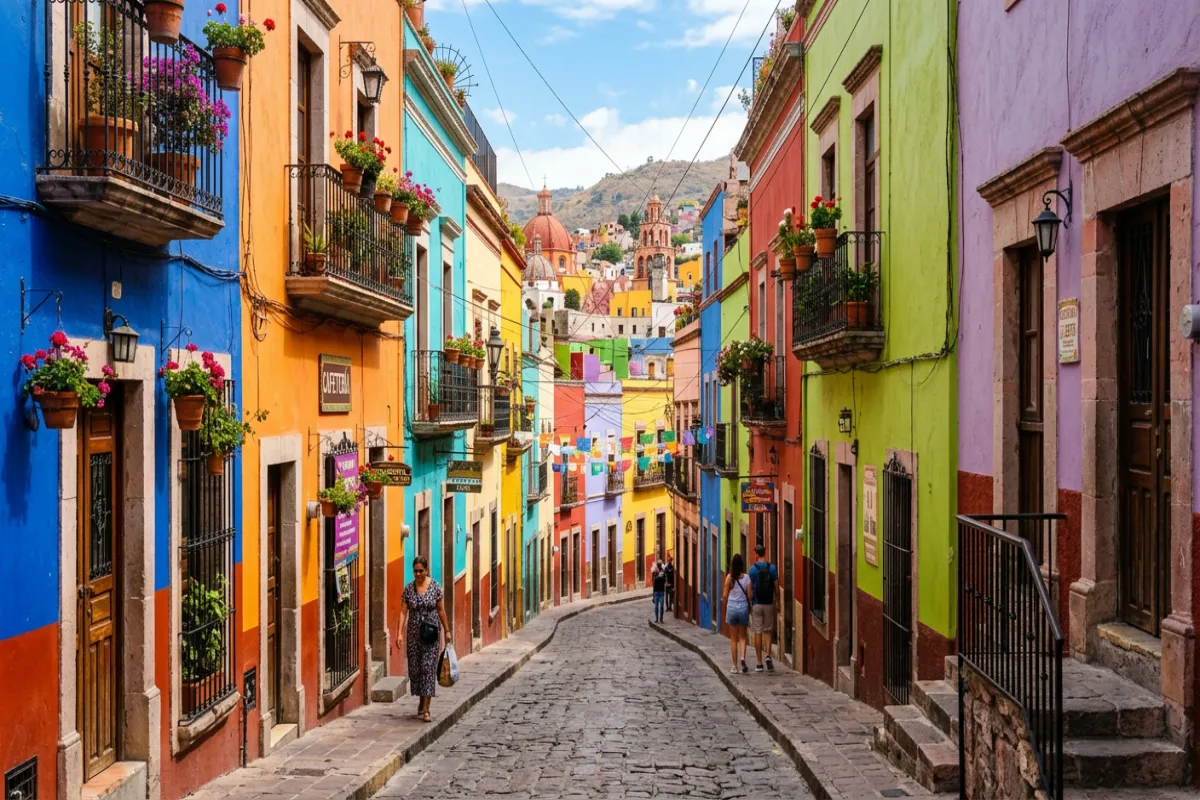
A colonial gem in the central highlands. Cobblestone streets, baroque architecture, and a thriving arts scene. It has become a magnet for expats and digital nomads. The Parroquia church is one of the most photographed buildings in Mexico. Great food scene and easy day trips to nearby hot springs.
Puerto Vallarta
The Pacific coast’s crown jewel. The Malecon boardwalk, old town charm, whale watching (December to March), and excellent seafood. The Romantic Zone (Zona Romantica) is the walkable heart of the city. Great base for boat trips to hidden beaches and snorkeling.
Los Cabos
Where the Sonoran Desert meets the Sea of Cortez. Split between Cabo San Lucas (party scene, sport fishing) and San Jose del Cabo (art galleries, quieter vibe). The Arch of Cabo San Lucas (El Arco) is iconic. World-class sport fishing, golf, and snorkeling.
Guanajuato
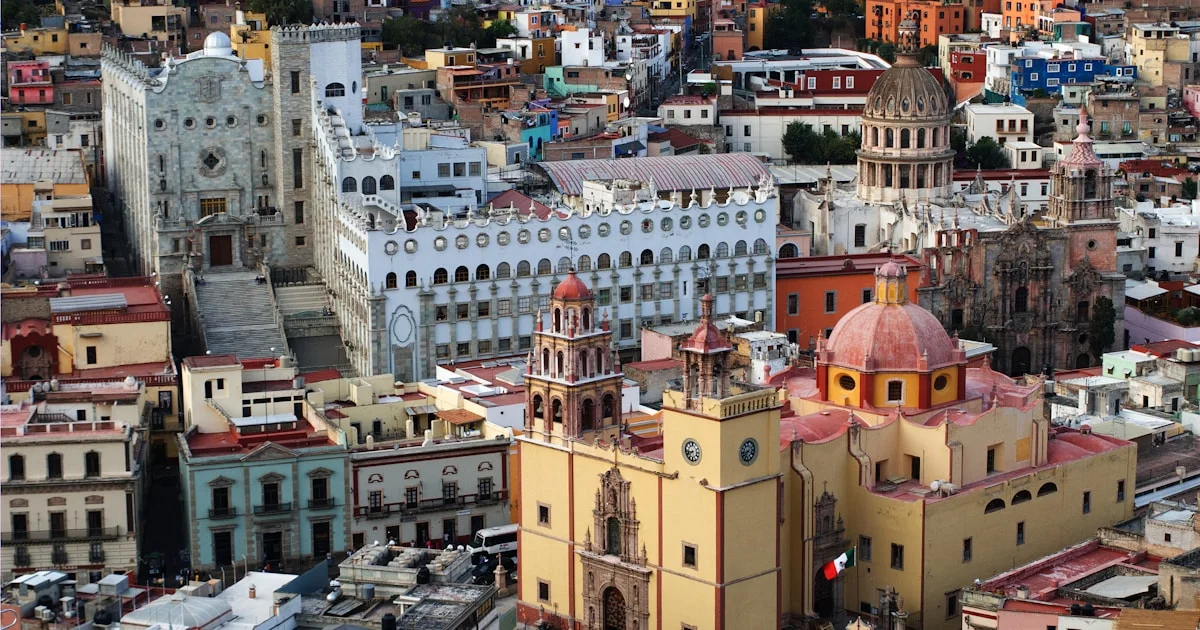
A UNESCO World Heritage city built in a narrow valley. Colorful buildings climb the hillsides in every direction. Underground streets (former river tunnels) run through the city center. The Alhondiga museum, the mummy museum, and the Pipila viewpoint at sunset are highlights. University town energy, live music, and callejoneadas (roving street music groups).
Merida
The cultural capital of the Yucatan Peninsula. Beautiful colonial architecture, a thriving food scene, and the gateway to Uxmal, Celestun (flamingo reserve), and the cenotes of the Yucatan interior. Safer and more affordable than coastal resort towns. Sunday markets in the main plaza are a local institution.
Playa del Carmen
A walkable beach town on the Riviera Maya. Fifth Avenue (Quinta Avenida) is the main pedestrian strip lined with shops and restaurants. Ferry point for day trips to Cozumel island. Good balance between beach resort convenience and authentic Mexican town feel.
Mexican Food and Drink
Mexican cuisine is a UNESCO Intangible Cultural Heritage, and for good reason. The food here goes far beyond what you find at Mexican restaurants abroad.
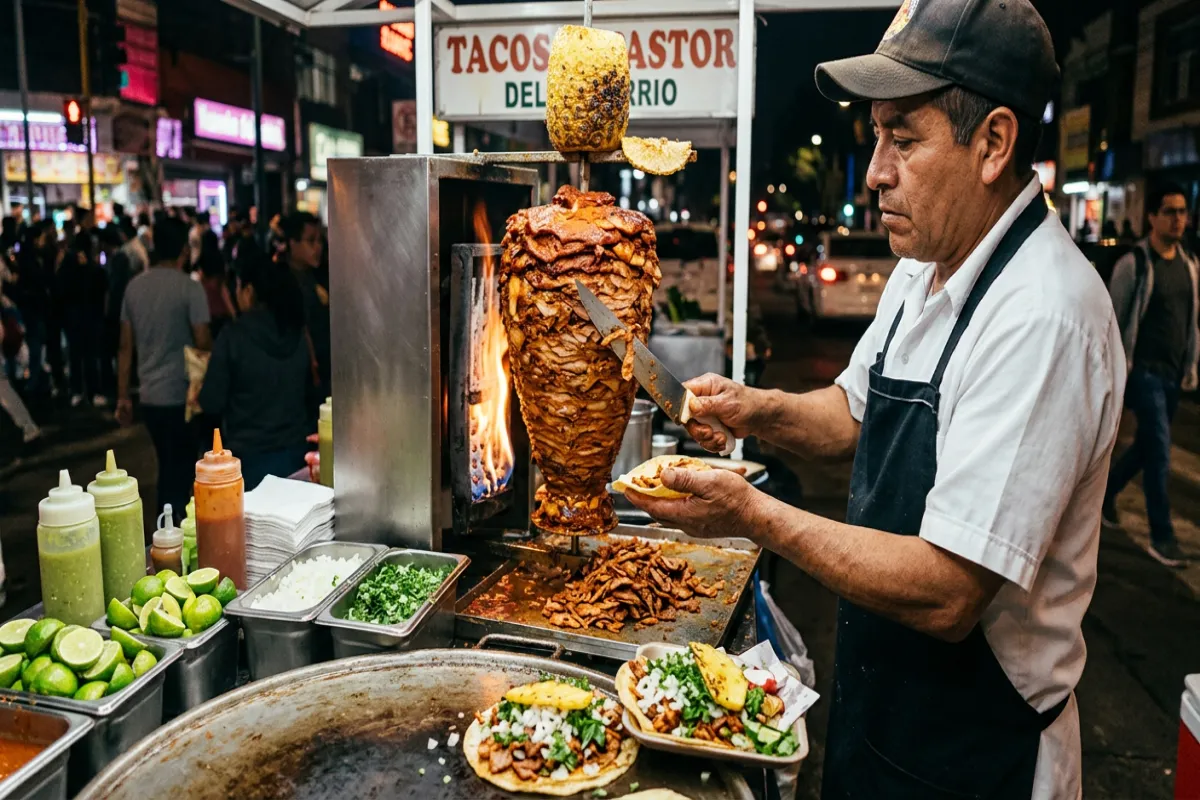
- Tacos: The foundation of Mexican street food. Tacos al pastor (spit-roasted pork with pineapple), carnitas (slow-braised pork), barbacoa (slow-cooked beef or lamb), suadero (pan-fried beef), and campechanos (mixed meats). Street tacos cost 15 to 25 pesos each ($1 to $1.50). The best tacos come from street stands, not restaurants.
- Mole: Complex sauces made from dozens of ingredients including chili peppers, chocolate, nuts, and spices. Oaxaca is the mole capital with seven traditional varieties. Mole negro and mole coloradito are the most celebrated.
- Ceviche and seafood: Fresh ceviche is outstanding along both coasts. Shrimp cocktails (coctel de camarones) in Sinaloa style are a must. Fish tacos in Baja California set the standard for the world.
- Mezcal vs. Tequila: Tequila is a type of mezcal made only from blue agave in specific regions. Mezcal can be made from over 30 agave varieties and has a smokier, more complex flavor. Oaxaca is the mezcal heartland. Always sip, never shoot.
- Agua fresca: Refreshing fruit drinks made fresh daily. Horchata (rice and cinnamon), jamaica (hibiscus), tamarindo, and seasonal fruits. Available at almost every market and street food stand.
- Chapulines: Toasted grasshoppers seasoned with garlic, lime, and chili. A traditional Oaxacan snack that is crunchy, savory, and surprisingly addictive. Available at markets throughout Oaxaca.
- Markets: Every city has a central market (mercado) where you can eat freshly prepared food at a fraction of restaurant prices. Mercado de la Merced and Mercado de Coyoacan in Mexico City, Mercado 20 de Noviembre in Oaxaca, and Mercado Lucas de Galvez in Merida are standouts.
Safety in Mexico
Safety is the most common concern for travelers considering Mexico, and it deserves a straightforward answer.
The US State Department rates Mexico as Level 2 (Exercise Increased Caution) overall, which is the same rating given to France, Italy, and the United Kingdom. However, advisories vary by state. Some states like Guerrero, Tamaulipas, and Colima carry Level 4 (Do Not Travel) warnings, while major tourist destinations like Yucatan, Quintana Roo (Cancun/Tulum), Baja California Sur (Los Cabos), and Jalisco (Puerto Vallarta) carry standard Level 2 warnings.
Practical safety tips:
- Check advisories by state: Visit travel.state.gov and review the advisory for each specific state you plan to visit. The situation varies dramatically from state to state.
- Stick to tourist areas: Major tourist destinations see millions of visitors annually with very few incidents. Cancun, Mexico City’s tourist neighborhoods, Oaxaca, San Miguel de Allende, and the Riviera Maya are generally safe with normal precautions.
- Use rideshare apps: Uber and DiDi are safer than hailing taxis off the street, especially in large cities.
- First-class buses for long distances: ADO, ETN, and Primera Plus are safe and comfortable. Avoid second-class buses for overnight trips.
- Avoid driving at night: Particularly in rural areas and on highways between cities. Drive during daylight hours only.
- Don’t flash valuables: Keep expensive jewelry, watches, and electronics out of sight. Use a money belt or hidden pouch for your passport and large amounts of cash.
- Stay aware: Apply the same common sense you would in any major international city. Most visitors to Mexico travel without incident.
Practical Tips for Your Trip
Money Tips
- Always pay in pesos. Merchants who accept dollars typically use unfavorable exchange rates (15 to 16 pesos per dollar versus the market rate of 17 to 19), costing you 10 to 15 percent more.
- Withdraw pesos from ATMs inside banks (not standalone ATMs on the street) to avoid skimming devices.
- Bring a credit card with no foreign transaction fees. Visa and Mastercard are widely accepted. American Express less so.
- Haggling is expected at markets, craft stalls, and with street vendors. It is not appropriate in restaurants or shops with fixed prices.
Health
- Water: Do not drink tap water anywhere in Mexico. Stick to bottled water (agua purificada) or filtered water. Ask for drinks without ice (sin hielo) at street food stands, though most restaurants use purified ice.
- Montezuma’s revenge: Stomach issues are common for first-time visitors. Your body needs time to adjust to new bacteria. Avoid raw vegetables that may have been washed in tap water, eat at busy food stands (high turnover means fresher food), and bring Imodium and Pepto-Bismol just in case.
- Sun protection: The sun is intense, especially at higher elevations like Mexico City and beach destinations near the equator. Wear sunscreen, a hat, and stay hydrated.
- Altitude: Mexico City sits at 7,350 feet (2,240 meters). Some visitors experience mild altitude sickness (headache, fatigue) for the first day or two. Drink plenty of water and take it easy your first day.
Tipping
- Restaurants: 10 to 15 percent. Check that propina (tip) has not already been added to the bill.
- Hotel housekeeping: 20 to 50 pesos per day.
- Tour guides: 50 to 100 pesos per person for a half-day tour.
- Gas station attendants: 10 to 20 pesos (there is no self-serve gas in Mexico).
Language
Learning basic Spanish phrases makes a massive difference in your experience. “Buenos dias,” “por favor,” “gracias,” and “la cuenta, por favor” (the check, please) will earn you goodwill everywhere. In tourist areas, many people speak some English, but outside of resorts and major hotels, Spanish is essential. Download Google Translate’s Spanish offline pack before your trip.
Don’t Miss the Cenotes
Cenotes are natural sinkholes formed when limestone bedrock collapses, revealing underground pools of crystal-clear fresh water. The Yucatan Peninsula has an estimated 6,000 cenotes. Swimming in a cenote is one of the most unique experiences in all of travel. Gran Cenote near Tulum, Cenote Ik Kil near Chichen Itza, Cenote Suytun near Valladolid, and the cenotes near Homun are all worth visiting. Arrive early to beat the crowds.
Sample 14-Day Mexico Itinerary
This itinerary covers three of Mexico’s most rewarding regions and works well for first-time visitors.
Days 1 to 4: Mexico City
- Day 1: Arrive at MEX airport. Settle into your hotel in Roma or Condesa. Walk the neighborhood, grab tacos al pastor from a street stand, and get oriented.
- Day 2: Historic Center. Zocalo, the National Palace (Diego Rivera murals, free entry), Metropolitan Cathedral, Templo Mayor, and Palacio de Bellas Artes. Lunch at a nearby market.
- Day 3: Chapultepec Park and the National Museum of Anthropology (one of the world’s greatest museums). Afternoon in Coyoacan for the Frida Kahlo Museum (book tickets online in advance). Evening in Roma for dinner and mezcal.
- Day 4: Day trip to Teotihuacan pyramids (45 minutes from the city). Climb the Pyramid of the Sun and Pyramid of the Moon. Return for a farewell dinner in Polanco.
Days 5 to 7: Oaxaca (Fly from MEX)
- Day 5: Fly to Oaxaca (1 hour). Check into your hotel in the historic center. Explore the zocalo, Santo Domingo church, and the Ethnobotanical Garden. Evening walk down Calle Macedonio Alcala.
- Day 6: Morning visit to Monte Alban (ancient Zapotec capital on a mountain plateau). Afternoon mezcal distillery tour in the surrounding villages. Evening dinner featuring mole negro at a traditional restaurant.
- Day 7: Market day. Visit Mercado 20 de Noviembre for grilled meats and Mercado Benito Juarez for chapulines and chocolate. Afternoon cooking class or textile workshop in a nearby village. Try tlayudas for dinner.
Days 8 to 11: Riviera Maya (Fly from Oaxaca to Cancun)
- Day 8: Fly to Cancun. Transfer to Playa del Carmen (45 minutes by ADO bus or shuttle). Settle in, walk Quinta Avenida, and hit the beach.
- Day 9: Day trip to Chichen Itza. Leave early (it is a 2.5-hour drive). Tour the ruins, visit the cenote on-site, and return by late afternoon. Alternatively, visit Cozumel by ferry for world-class snorkeling.
- Day 10: Cenote day. Visit Gran Cenote or Cenote Dos Ojos in the morning (arrive before 10 AM for fewer crowds). Afternoon at Akumal Bay for sea turtle snorkeling (free public access).
- Day 11: Xcaret or Xel-Ha eco-park for a full day of snorkeling, underground rivers, and wildlife. Or keep it independent with beach time and local restaurants.
Days 12 to 13: Tulum
- Day 12: Transfer to Tulum (45 minutes from Playa del Carmen by colectivo). Visit the Tulum ruins first thing in the morning (opens at 8 AM, best light and fewest crowds). Afternoon beach time below the ruins or at the public beach.
- Day 13: Explore Sian Ka’an Biosphere Reserve (UNESCO site) by boat tour. Or rent bikes and visit cenotes around Tulum. Final dinner at a beachfront restaurant.
Day 14: Departure
- Transfer to Cancun airport (2 hours from Tulum by ADO bus or shuttle). Fly home.
Planning Tools
These free resources will help you organize your Mexico trip:
- How to plan a trip – Our step-by-step planning guide that walks you from idea to confirmed bookings.
- Vacation itinerary template – Free downloadable template to organize your day-by-day Mexico schedule.
- Travel budget template – Track your Mexico trip spending with our free spreadsheet.
- AI travel planner – Build a personalized Mexico itinerary in seconds with our free trip planning tool.
- Costa Rica planning guide – Considering a Central American trip? Our Costa Rica guide pairs well with Mexico.
Frequently Asked Questions
Do I need a visa to visit Mexico?
No. Citizens of the US, Canada, EU countries, UK, and Australia can enter Mexico without a visa for up to 180 days. You will need to fill out an FMM (tourist permit) form, which is available online or distributed on your flight. Keep your FMM safe because you need to return it when you leave Mexico.
Is Mexico safe for tourists?
Major tourist destinations are generally safe with normal precautions. The US State Department rates Mexico at Level 2 (Exercise Increased Caution), the same level as France and Italy. Check state-by-state advisories at travel.state.gov before your trip, stick to well-traveled areas, use rideshare apps instead of street taxis, and apply common sense.
What is the best time to visit Mexico?
November through April (dry season) offers the best weather across most of the country. For lower prices and fewer crowds, consider May, June, or early November. Avoid September and October if visiting coastal areas due to hurricane risk.
How much does a trip to Mexico cost?
Budget travelers can get by on $40 to $60 per day. Mid-range travelers should budget $80 to $150 per day. A 10-day mid-range trip for two people (including flights from the US) typically costs $2,500 to $4,000 total.
Can I drink the tap water in Mexico?
No. Always drink bottled or purified water. Most hotels and restaurants use purified water and ice, but ask if you are unsure. Avoid tap water for brushing teeth as well if you have a sensitive stomach.
Do I need to speak Spanish?
Not in major tourist areas, where English is common. However, learning basic phrases will dramatically improve your experience and earn you genuine warmth from locals. Outside of resort areas and major hotels, Spanish is essential for getting around.
What should I pack for Mexico?
Lightweight, breathable clothing. Sunscreen, a hat, and sunglasses are essential. Comfortable walking shoes (cobblestone streets are everywhere in colonial cities). A light rain jacket if visiting during rainy season. Modest clothing for visiting churches. A reusable water bottle with a filter.
Is Uber available in Mexico?
Yes. Uber operates in Mexico City, Guadalajara, Cancun, Merida, Puebla, Monterrey, and many other cities. DiDi is also popular. Both are generally safer and more affordable than street taxis. Note that Uber may not be available in smaller towns.