| Mexico City Quick Facts | |
|---|---|
| Country | Mexico |
| Currency | Mexican Peso (MXN). 1 USD = roughly 17 MXN |
| Language | Spanish. English in tourist areas and upscale restaurants |
| Time Zone | Central Time (CT) |
| Visa (US) | Not required for stays under 180 days |
| Daily Budget | $40 to $250+ per person |
| Best Time | October to May (dry season) |
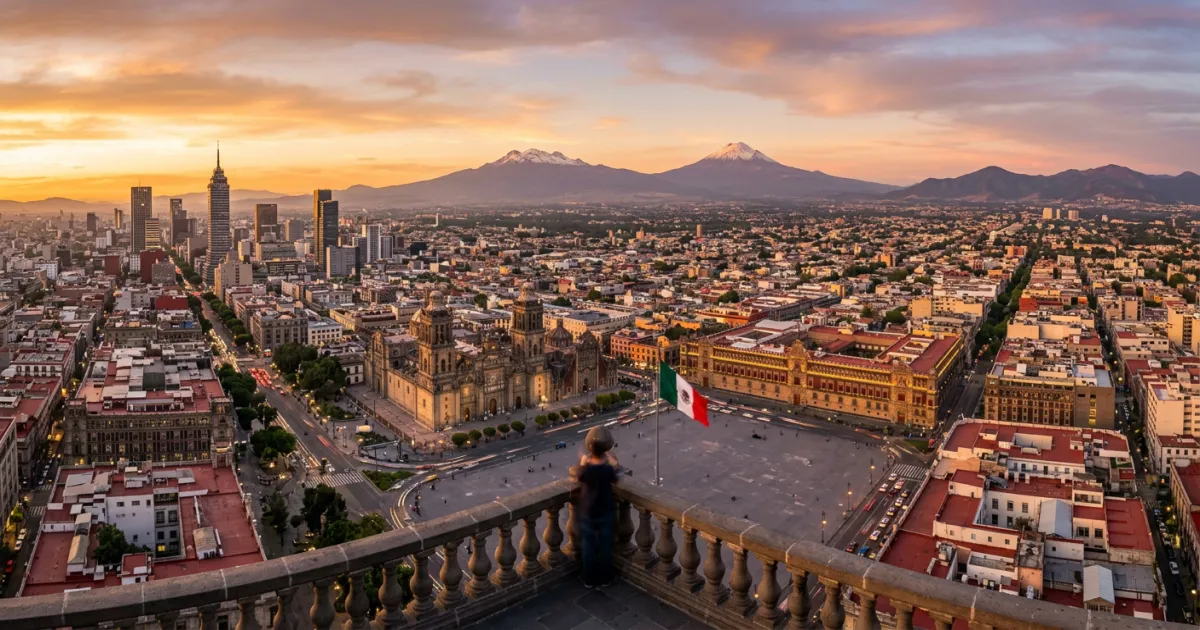
Mexico City is one of the great cities of the world. With over 21 million people in the metro area, it is the largest city in the Western Hemisphere and one of the most culturally rich. The food scene alone justifies the trip: from $0.50 street tacos to Michelin-starred restaurants, Mexico City rivals any food capital on Earth. Add world-class museums (the National Museum of Anthropology is one of the best museums anywhere), ancient Aztec ruins beneath modern streets, stunning colonial architecture, and neighborhoods that each feel like a different city, and you have a destination that could fill weeks.
For a broader framework for organizing any trip, our how to plan a trip guide covers the fundamentals.
Best Time to Visit Mexico City
October through May is the dry season with clear skies and comfortable temperatures (60 to 75 F). The city sits at 7,350 feet elevation, so it never gets truly hot. March through May can be hazy. The rainy season (June through September) brings afternoon downpours that usually clear by evening. December and Semana Santa (Easter week) are the busiest tourist periods.
Getting to Mexico City
Mexico City International Airport (MEX) has direct flights from most major US cities (3 to 5 hours from southern US, 5 to 6 from northeast). The new Felipe Angeles International Airport (NLU) north of the city handles some low-cost carriers. From MEX, the Metrobus or Uber to Roma/Condesa takes 30 to 60 minutes depending on traffic. The Metro is extensive and costs $0.30 per ride. Uber is widely used and affordable.
Top Things to Do in Mexico City
- Museo Nacional de Antropologia: One of the best museums in the world. Houses the Aztec Sun Stone and artifacts from all Mesoamerican civilizations. Allow 3 to 4 hours. Admission about $5.
- Street Food: Tacos al pastor, tlacoyos, tamales, elote, and more. Mercado de la Merced and Mercado de San Juan are the top food markets. Street stands throughout Roma and Condesa serve exceptional food for $1 to $3.
- Roma and Condesa Neighborhoods: Tree-lined streets with Art Deco and Art Nouveau architecture, independent restaurants, bookshops, and cafes. The best area for walking, eating, and people-watching.
- Templo Mayor: The ruins of the main Aztec temple, discovered in 1978 in the heart of downtown. The adjacent museum has over 7,000 artifacts. Next to the Zocalo (main square).
- Coyoacan and Frida Kahlo Museum: The charming southern neighborhood where Frida Kahlo lived. The Blue House (Casa Azul) is now a museum. Book tickets online well in advance.
- Chapultepec Castle and Park: A massive urban park (twice the size of Central Park) with a hilltop castle that served as the residence of Emperor Maximilian. Free on Sundays.
Where to Stay
Roma Norte and Condesa are the most popular neighborhoods for visitors: walkable, safe, with the best restaurants and cafes ($50 to $200 per night). Polanco is upscale with luxury hotels and high-end shopping ($100 to $400). Centro Historico puts you near the Zocalo and museums but is grittier ($30 to $120). Hostels in Roma start at $10 to $20 per night. Airbnbs offer excellent value.
Sample 3-Day Mexico City Itinerary
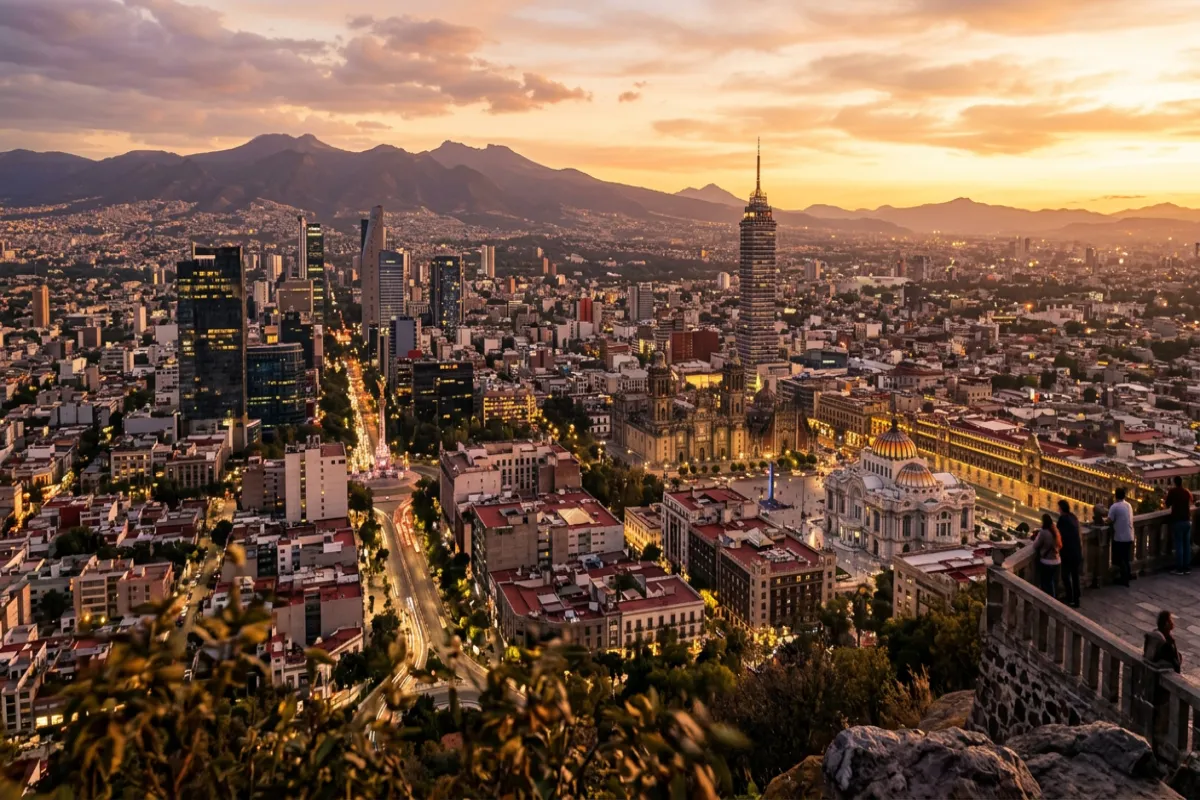
- Day 1 – Centro Historico: Zocalo, Templo Mayor, Palacio de Bellas Artes, and the murals of Diego Rivera. Lunch at a traditional cantina. Afternoon at the National Museum of Anthropology in Chapultepec.
- Day 2 – Roma, Condesa, Coyoacan: Morning walk through Roma Norte for coffee and street food. Afternoon at the Frida Kahlo Museum in Coyoacan (book ahead). Evening in Condesa for dinner and drinks.
- Day 3 – Markets and Day Trip: Morning at Mercado de San Juan or a food tour. Afternoon day trip to the Teotihuacan pyramids (45 minutes north, climb the Pyramid of the Sun). Return for a farewell dinner at a top restaurant.
Budget Estimate
Mexico City is incredibly affordable. Budget travelers can thrive on $40 to $70 per day with hostels, street food, Metro rides, and free museum days (Sundays). Mid-range travelers should plan for $100 to $200 covering a comfortable Roma hotel, restaurant meals ($8 to $20), museum entries, and Uber rides. Fine dining at world-class restaurants like Pujol or Quintonil costs $80 to $150 per person, still a fraction of comparable restaurants in New York or Paris.
Planning Tools
Ready to start building your Mexico City trip? Our free AI trip planner can generate a custom itinerary based on your dates, budget, and interests.
Frequently Asked Questions
Is Mexico City safe for tourists?
The neighborhoods popular with tourists (Roma, Condesa, Polanco, Coyoacan, Centro Historico by day) are generally safe. Use Uber rather than hailing street taxis, avoid walking alone late at night in unfamiliar areas, keep valuables out of sight, and be aware of your surroundings on the Metro. Mexico City is a megacity; exercise the same caution as in any large urban area.
Is the altitude a problem?
Mexico City sits at 7,350 feet. Some visitors experience mild altitude effects (shortness of breath, fatigue, headaches) for the first day or two. Drink plenty of water, avoid heavy alcohol on the first night, and take it easy on your first day. Most people adjust quickly.
How many days do you need?
Three to four days covers the highlights. A week lets you explore more neighborhoods, take day trips (Teotihuacan, Xochimilco, Puebla), and dive deeper into the food scene. Mexico City rewards longer stays.