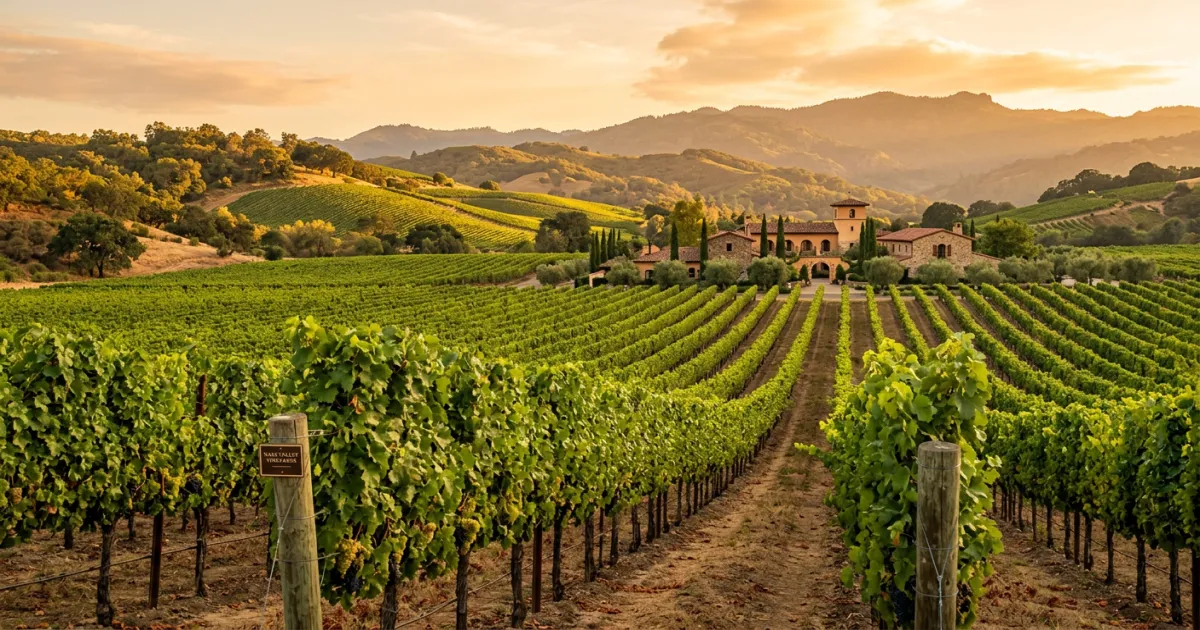
Napa Valley is one of the most celebrated wine regions in the world, drawing millions of visitors each year to its sun-drenched vineyards, award-winning restaurants, and charming small towns. Whether you are a first-time wine taster or a seasoned oenophile, planning a trip to Napa Valley takes some thought. Tasting fees add up quickly, reservations are required almost everywhere, and the valley offers far more than just wine. This guide covers everything you need to know to plan a memorable Napa Valley trip in 2026.
Quick Facts About Napa Valley
- Location: Northern California, about 50 miles north of San Francisco
- Currency: US Dollar (USD)
- Time Zone: Pacific Standard Time (PST/PDT)
- Known For: World-class wine country, Michelin-starred dining, scenic rolling hills
- Valley Size: About 30 miles long and 5 miles wide, with over 400 wineries
- Key Towns: Napa, Yountville, Oakville, Rutherford, St. Helena, Calistoga
Napa Valley produces some of the finest Cabernet Sauvignon in the world, along with exceptional Chardonnay, Merlot, Pinot Noir, and Sauvignon Blanc. The region has 16 distinct American Viticultural Areas (AVAs), each with its own microclimate and terroir.
Best Time to Visit Napa Valley
Napa Valley is a year-round destination, but each season offers a different experience.
May through October is peak season. The weather is warm and sunny, with temperatures ranging from 70 to 95 degrees Fahrenheit. Vineyards are lush and green, and outdoor tastings are at their best. September and October bring crush season, the harvest period when grapes are picked and the winemaking process begins. This is the most exciting time to visit if you want to see the valley buzzing with activity, though it is also the busiest and most expensive.
Spring (March through May) is beautiful, with wildflowers blooming across the hillsides and mustard covering the vineyard floors in bright yellow. Crowds are smaller than summer, and the weather is pleasant. This is an excellent time for first-time visitors.
Winter (November through February) is the quiet season. You will find lower hotel rates, smaller crowds, and a more intimate tasting room experience. The vines are dormant, so the landscape looks different, but many visitors prefer the relaxed pace and easier access to popular wineries.
How Long to Spend in Napa Valley
Two to four days is the sweet spot for a Napa Valley trip. With two days, you can visit six to eight wineries, enjoy a couple of great meals, and get a solid feel for the valley. Three or four days lets you explore at a relaxed pace, try different towns, and add experiences like hot air balloon rides, cooking classes, or a day trip to nearby Sonoma.
Napa Valley combines easily with a San Francisco trip since it is only about a one-hour drive from the city. Many visitors spend a few days in San Francisco and then head north to wine country. If you are arriving through San Francisco, consider exploring the city before or after your Napa visit. Our San Francisco layover guide has tips on what to see near SFO if you have limited time.
Napa Valley Budget: What Does It Cost?
Napa Valley is an expensive destination. Here is a realistic breakdown of daily costs per person in 2026:
| Expense | Budget | Mid-Range | Luxury |
|---|---|---|---|
| Accommodation (per night) | $150-250 | $300-500 | $600-1,500+ |
| Wine Tasting (per winery) | $30-50 | $50-75 | $85-200+ |
| Meals (per day) | $50-80 | $100-200 | $300-600+ |
| Transportation | $0 (own car) | $50-100 (rideshare) | $300-500 (private driver) |
| Daily Total | $280-480 | $550-950 | $1,500-3,000+ |
Tasting fees are the expense that catches most visitors off guard. At $50 to $75 per winery, visiting four wineries in a day means $200 to $300 just in tasting fees for a couple. Many wineries waive the tasting fee if you purchase wine, typically requiring a minimum buy of two bottles or about $75 or more.
Getting There and Getting Around
By Car: The most common approach is driving from San Francisco, Oakland, or Sacramento. From San Francisco International Airport (SFO), the drive takes about 60 to 75 minutes via Highway 101 and Highway 37, or through Highway 80 and Highway 29. From Oakland International Airport (OAK), expect about 60 minutes. Renting a car gives you the most flexibility.
Designated Driver or Tour Service: This is essential. Napa Valley is wine country, and you will be tasting throughout the day. Hiring a private driver ($300 to $500 per day) or joining a group tour ($125 to $220 per person) keeps everyone safe and lets the whole group enjoy the tastings.
Napa Valley Wine Train: This vintage train runs a 36-mile round trip through the valley, offering multi-course meals paired with local wines. It is a unique experience and a great way to see the scenery without worrying about driving.
Bike Tours: Cycling the Silverado Trail or between wineries is a popular option, especially in spring and fall. Several companies rent bikes and offer guided tours. The relatively flat valley floor makes it accessible for most riders.
Rideshare: Uber and Lyft are available in Napa Valley but can be unreliable outside the town of Napa, especially on busy weekends. Do not count on rideshare as your primary transportation between wineries.
Where to Stay in Napa Valley
Each town in the valley has a distinct character. Your choice of base depends on your priorities.
Napa (town): The largest town in the valley, with the most hotel options and price ranges. Downtown Napa has a growing food and arts scene, tasting rooms you can walk to, and the Oxbow Public Market. Best for budget-conscious travelers and first-time visitors.
Yountville: A tiny town with an outsized reputation for dining. Yountville is home to The French Laundry (three Michelin stars), Bouchon Bakery, and several other acclaimed restaurants. It is walkable and charming, but accommodation runs premium.
St. Helena: A picturesque main street lined with boutiques, galleries, and tasting rooms. St. Helena sits in the heart of the valley and is surrounded by iconic wineries. Great for visitors who want a classic small-town wine country feel.
Calistoga: At the northern end of the valley, Calistoga is known for its natural hot springs and mud baths. Several spas offer volcanic ash treatments unique to the area. Calistoga has a more laid-back vibe and is close to some of the valley’s most dramatic scenery.
Sonoma (nearby alternative): Just over the Mayacamas Mountains from Napa, Sonoma Valley offers a more relaxed, less expensive wine country experience. Many visitors split their time between Napa and Sonoma. Hotels in Sonoma run 20 to 40 percent less than equivalent properties in Napa, and tasting fees tend to be lower as well.
Wine Tasting Guide for First-Timers
If you have never done a wine tasting in Napa Valley, here is what to expect and how to make the most of it.
Make Reservations
Nearly all Napa Valley wineries require reservations in 2026. Book two to four weeks ahead for popular estates, especially during crush season (September and October) and summer weekends. Walk-ins are only reliably available at downtown Napa tasting rooms and a few exceptions like V. Sattui.
Limit Your Visits
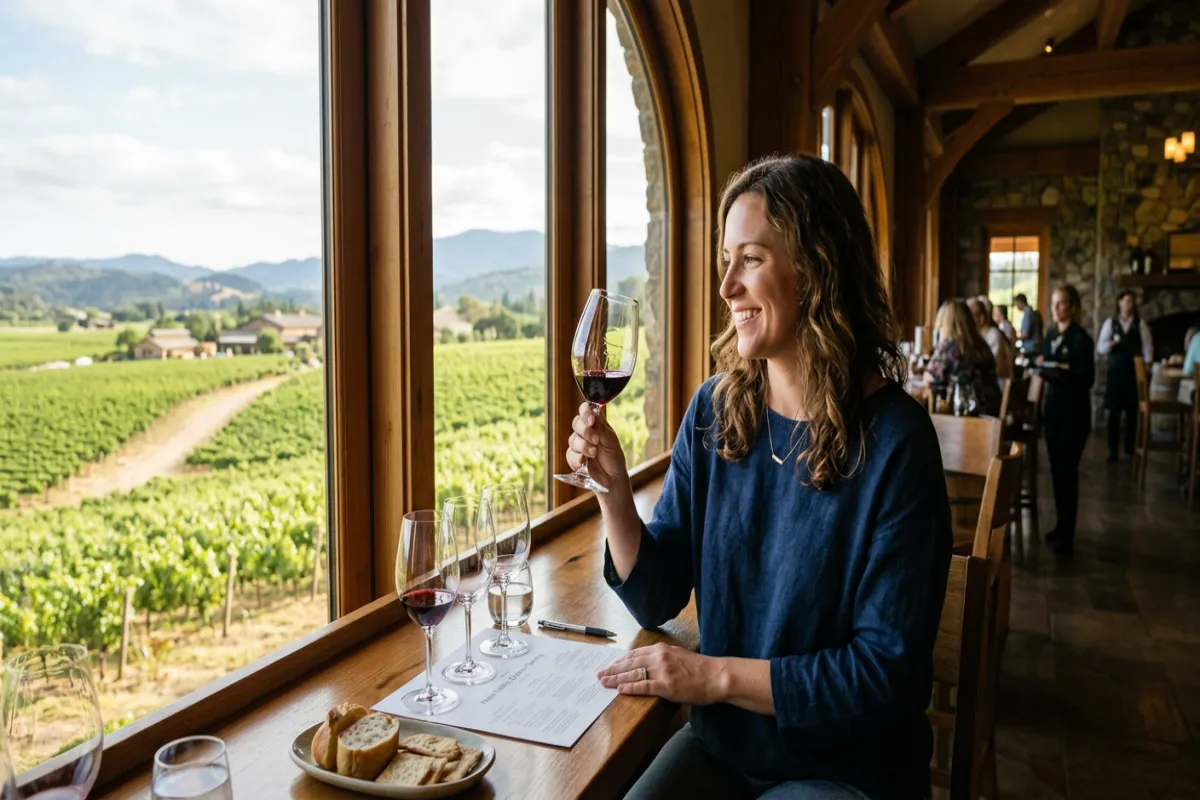
Plan for three to four wineries per day, maximum. Each tasting runs 60 to 90 minutes including check-in and browsing, and you need time for driving and meals. More than four leads to palate fatigue and diminishing enjoyment. Quality over quantity is the motto in Napa.
Pace Yourself
It is completely acceptable to use the spit bucket. Professional wine tasters do it. If you are visiting multiple wineries, spitting lets you evaluate each wine without the cumulative effects of alcohol. Drink water between tastings and eat a solid breakfast before you start your day.
Know Your Varietals
Cabernet Sauvignon is king in Napa Valley, accounting for nearly half of all grapes planted. Other major varietals include Chardonnay, Merlot, Pinot Noir, Sauvignon Blanc, and Zinfandel. Many wineries specialize in Bordeaux-style blends. If you are not sure what you like, tell your pourer and they can guide you.
Big Names vs. Boutique Wineries
Napa has famous estates like Robert Mondavi, Opus One, and Stag’s Leap, but some of the best experiences happen at small, family-owned boutique wineries producing fewer than 5,000 cases per year. Boutique wineries often offer more personal attention, unique wines, and a chance to meet the winemaker. Mix a few well-known names with some smaller producers for a well-rounded trip.
Tipping
Tipping your wine pourer is appreciated but not always expected. A tip of $5 to $10 per person for a standard tasting is generous and will be warmly received, especially at smaller wineries where the staff may also be the owners.
Must-Do Experiences in Napa Valley
Wine Tasting (Obviously)
This is why you are here. With over 400 wineries, the hardest part is choosing. Start with a mix of styles: a grand estate for the spectacle, a cave tour winery for the education, and a small producer for the personal touch.
Michelin-Starred Dining in Yountville
Yountville has one of the highest concentrations of Michelin stars per capita in the United States. The French Laundry, helmed by Thomas Keller, is one of the most celebrated restaurants in the world. Reservations open exactly two months in advance and sell out within minutes. Bouchon Bistro and Bottega are more accessible alternatives that still deliver exceptional food.
Hot Air Balloon Ride
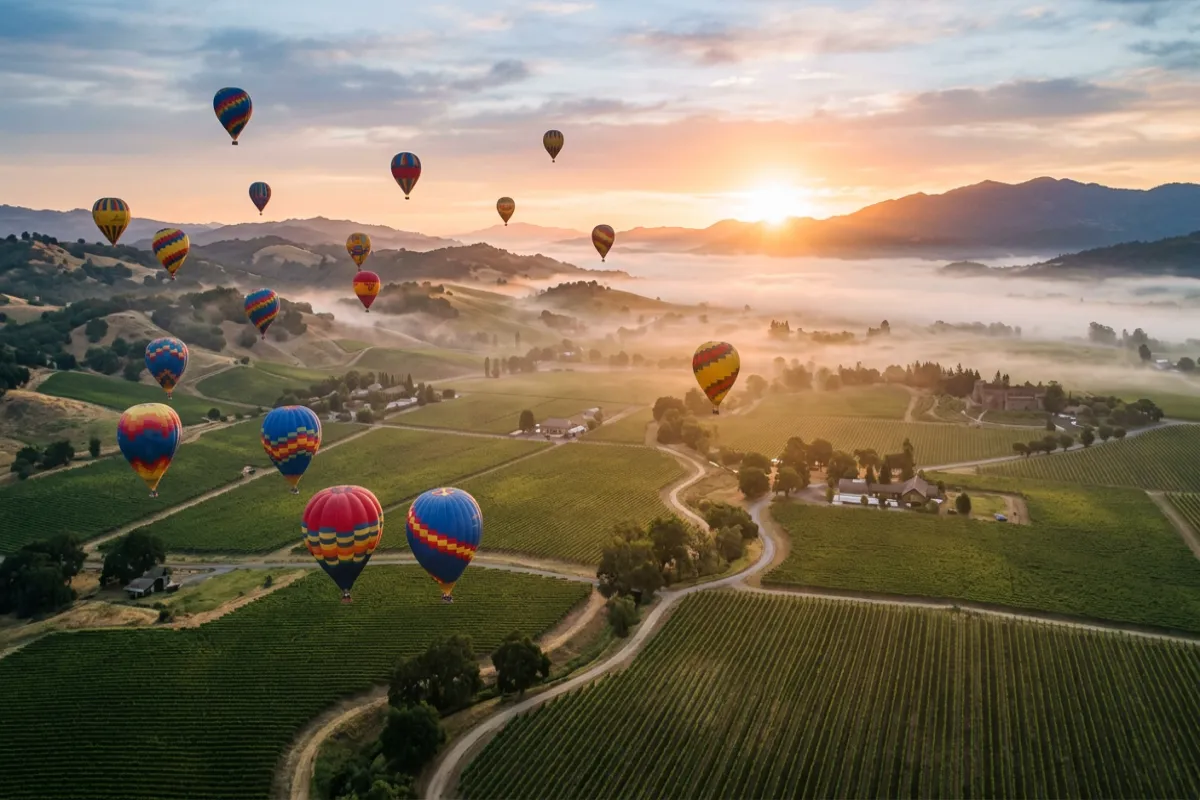
Floating over the vineyards at sunrise is one of Napa’s most iconic experiences. Flights launch around 6:30 AM and last about an hour, followed by a champagne brunch. Expect to pay $250 to $350 per person. Book well in advance, especially for weekend flights.
Oxbow Public Market
Located in downtown Napa, this indoor market features local food vendors, artisan products, wine bars, and specialty shops. It is a great spot for breakfast, lunch, or picking up gifts to take home. Highlights include Hog Island Oyster Bar, Gott’s Roadside, and the Oxbow Cheese and Wine Merchant.
Castello di Amorosa
This 13th-century-style Tuscan castle in Calistoga is unlike any other winery in the valley. Built over 15 years with over 8,000 tons of hand-chiseled stone, it features 107 rooms, a drawbridge, a dungeon, and a medieval church. The wines are excellent Italian-style varietals, and the castle tours are fascinating. The “Royal Pairing” experience takes about 2.5 hours and includes wine paired with food.
Bike the Silverado Trail
The Silverado Trail runs parallel to Highway 29 along the eastern edge of the valley. It is less trafficked, more scenic, and connects dozens of wineries. Several bike rental companies in Napa and Yountville offer self-guided and guided tours along the trail. Spring and fall are the best seasons for cycling.
Olive Oil Tasting
Napa Valley produces exceptional olive oil alongside its wines. Several estates offer olive oil tastings, often paired with bread, cheese, and other local products. It is a nice palate break between wineries.
Cooking Classes
Several culinary schools and wineries offer hands-on cooking classes featuring local, seasonal ingredients. The Culinary Institute of America at Copia in downtown Napa is a popular choice, with classes ranging from pasta making to wine-and-food pairing.
Sonoma Day Trip
If you have an extra day, Sonoma is about 30 to 45 minutes from most parts of Napa Valley. The town of Sonoma has a charming central plaza, and the surrounding wine country has a more rustic, agricultural feel. Tasting fees are generally lower, and the atmosphere is more casual.
Where to Eat in Napa Valley
Fine Dining: Beyond The French Laundry, look at Meadowood (which rebuilt after the 2020 Glass Fire), Press in St. Helena for steak paired with Napa Cab, and Bottega in Yountville for Napa-Italian cuisine.
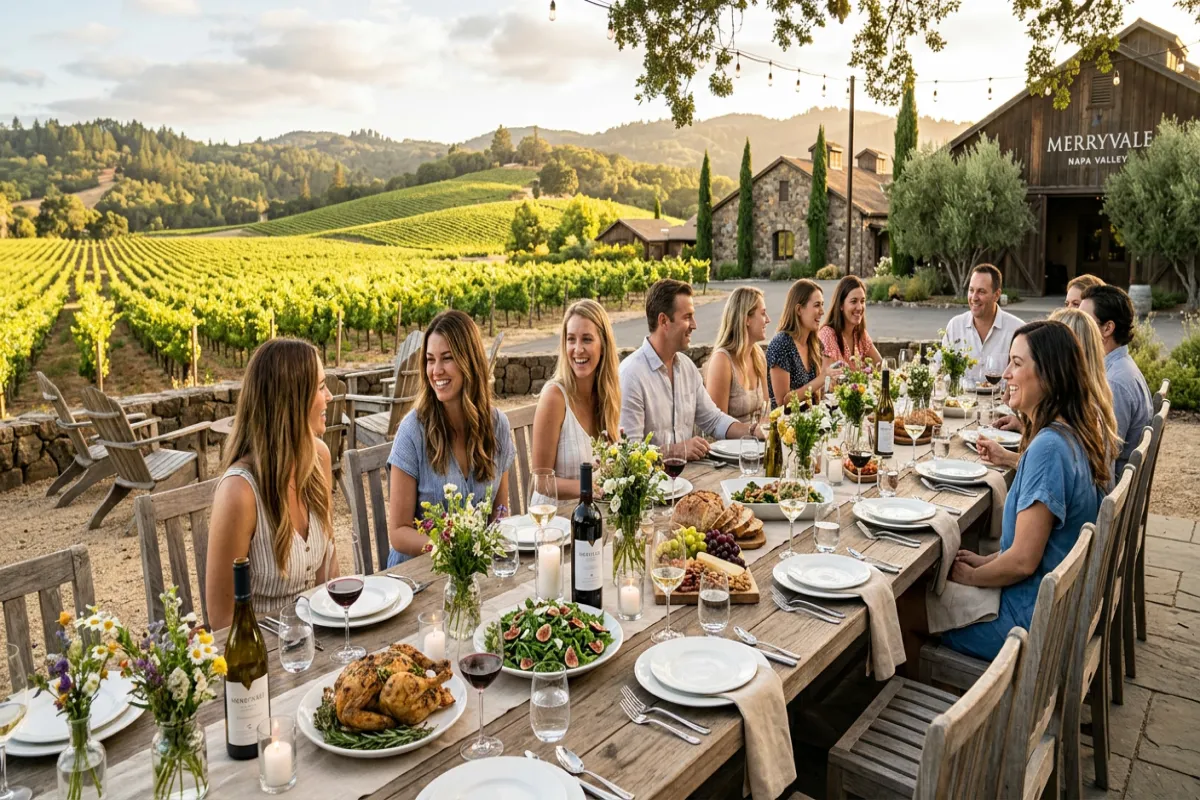
Casual and Mid-Range: Gott’s Roadside in St. Helena is a beloved burger-and-shake stand with wine country flair. Bouchon Bakery serves incredible pastries and sandwiches. Farmstead at Long Meadow Ranch offers farm-to-table dining in a restored barn.
Oxbow Public Market: The best place for a quick, diverse meal. Grab oysters, tacos, wood-fired pizza, or artisan coffee all under one roof.
Farm-to-Table: Nearly every restaurant in Napa Valley emphasizes local, seasonal ingredients. The region’s Mediterranean climate supports year-round agriculture, and you will find menus that change with the harvest.
Practical Tips for Your Napa Valley Trip
- Budget for tasting fees: They add up fast. A couple visiting four wineries will spend $400 to $600 in tasting fees alone. Factor this into your trip budget from the start.
- Do not over-book wineries: Leave room to enjoy each experience. Rushing from one appointment to the next defeats the purpose of wine country.
- Ship wine home: If you buy wine (and you will), most wineries can ship directly to you. You can also use UPS or FedEx stores in Napa to consolidate and ship purchases. Check your state’s shipping laws, as some states restrict wine shipments.
- Hydrate between tastings: Drink plenty of water throughout the day. Most wineries provide water at the tasting bar, and you should take advantage of it.
- Wear comfortable shoes: Many wineries involve walking through vineyards, caves, or grounds with gravel and uneven terrain.
- Skip the perfume and cologne: Strong scents interfere with the wine tasting experience for you and others around you.
- Bring layers: Mornings can be cool and foggy, especially in the southern valley, while afternoons get warm. A light jacket covers you for cave tours, which stay around 58 degrees year-round.
Sample 3-Day Napa Valley Itinerary
Day 1: Arrival and Downtown Napa
- Arrive in Napa Valley by late morning
- Lunch at Oxbow Public Market (try Hog Island Oysters or Gott’s Roadside)
- Walk to two or three downtown Napa tasting rooms (no car needed)
- Visit the Culinary Institute of America at Copia
- Dinner at a downtown Napa restaurant
Day 2: Up-Valley Wine Day
- Optional: hot air balloon ride at sunrise ($280 to $350 per person)
- Morning winery visit in Oakville or Rutherford
- Second winery in St. Helena
- Lunch at Gott’s Roadside or Farmstead at Long Meadow Ranch
- Afternoon visit to Castello di Amorosa in Calistoga
- Relax at a Calistoga hot springs spa
- Dinner in Yountville (Bouchon Bistro, Bottega, or RH Yountville)
Day 3: Silverado Trail and Departure
- Breakfast at Bouchon Bakery in Yountville
- Morning winery on the Silverado Trail (Stag’s Leap District or Pritchard Hill area)
- Second winery or olive oil tasting
- Pick up any shipped wine orders or stop at a UPS store to ship purchases
- Depart for San Francisco or your next destination by mid-afternoon
This itinerary gives you a balanced mix of tasting, dining, and sightseeing without feeling rushed. Adjust based on your interests: swap a winery for a bike ride, add a cooking class, or extend with a Sonoma day trip.
Planning Tools
Getting organized before your trip makes everything smoother. Use our general trip planning guide for a step-by-step framework that works for any destination. Our AI travel planner can help you build a custom day-by-day itinerary based on your interests and travel dates.
For a quick weekend getaway, check out our weekend itinerary template to structure your days. And since Napa is an expensive destination, our travel budget template will help you track tasting fees, dining, accommodation, and transportation costs so nothing catches you off guard.
Frequently Asked Questions
Do I need reservations for wine tasting in Napa Valley?
Yes. Nearly all Napa wineries require reservations in 2026. Book at least two to four weeks in advance for popular wineries, and even further ahead for crush season (September and October). A few downtown Napa tasting rooms and V. Sattui accept walk-ins.
How much should I budget for a 3-day Napa trip?
A mid-range 3-day trip for two people typically costs $1,800 to $3,000, including accommodation, tasting fees, meals, and transportation. Budget travelers can manage around $1,200 to $1,500 by staying in Napa town, visiting wineries with lower tasting fees, and eating at casual spots.
Is Napa Valley worth it on a budget?
Yes, but you need to plan carefully. Look for wineries with tasting fees under $50, visit during winter or spring for lower hotel rates, eat at Oxbow Public Market and casual restaurants, and take advantage of fee waivers when purchasing wine.
Can I do Napa Valley as a day trip from San Francisco?
You can, but it is not ideal. The one-hour drive each way eats into your tasting time, and you will need a designated driver or tour service. A guided day tour ($125 to $220 per person) handles all the logistics and typically includes three to four winery visits. Staying at least one night in the valley gives you a much better experience.
What is the best month to visit Napa Valley?
September and October are the most exciting months due to crush season, but they are also the busiest and most expensive. May and June offer great weather with somewhat smaller crowds. For the best value, visit in March, April, or November.
Should I visit Napa or Sonoma?
Both are excellent, and they are close enough to combine. Napa is more polished, with higher-end wineries and dining. Sonoma is more relaxed, more affordable, and has a wider variety of grape types. First-time visitors to wine country often prefer Napa for the iconic experience, while repeat visitors frequently gravitate toward Sonoma.