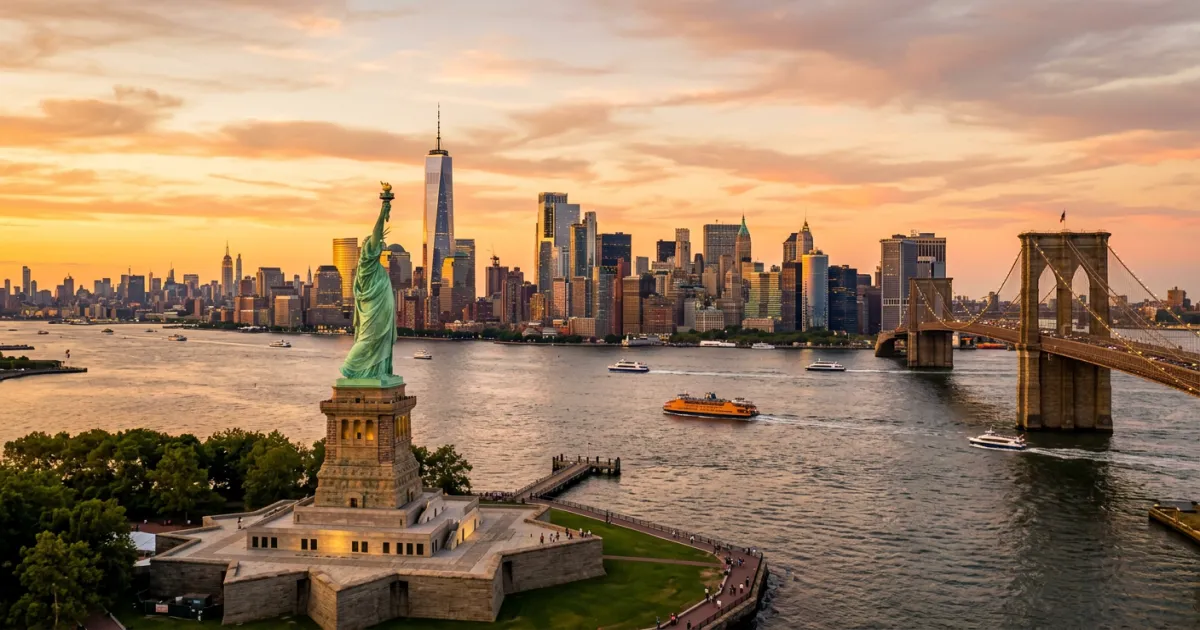
New York City is one of the most exciting destinations in the world, but planning a trip here can feel overwhelming. Between 5 boroughs, 472 subway stations, and thousands of restaurants, where do you even start?
This guide breaks down everything you need to know to plan a trip to NYC in 2026, from picking the right neighborhood to navigating the subway like a local. Whether you have 3 days or a full week, you will leave with a clear plan and realistic budget.
| New York City Quick Facts | |
|---|---|
| Travel Type | Domestic (US) |
| Currency | USD ($) |
| Time Zone | Eastern (EST/EDT, UTC-5/UTC-4) |
| Best Time to Visit | April to June, September to November |
| Budget Daily Cost | $110 to $210 per person |
| Mid-Range Daily Cost | $210 to $375 per person |
| Airports | JFK, Newark (EWR), LaGuardia (LGA) |
Best Time to Visit NYC
New York is a year-round destination, but certain seasons deliver a much better experience for first-time visitors.
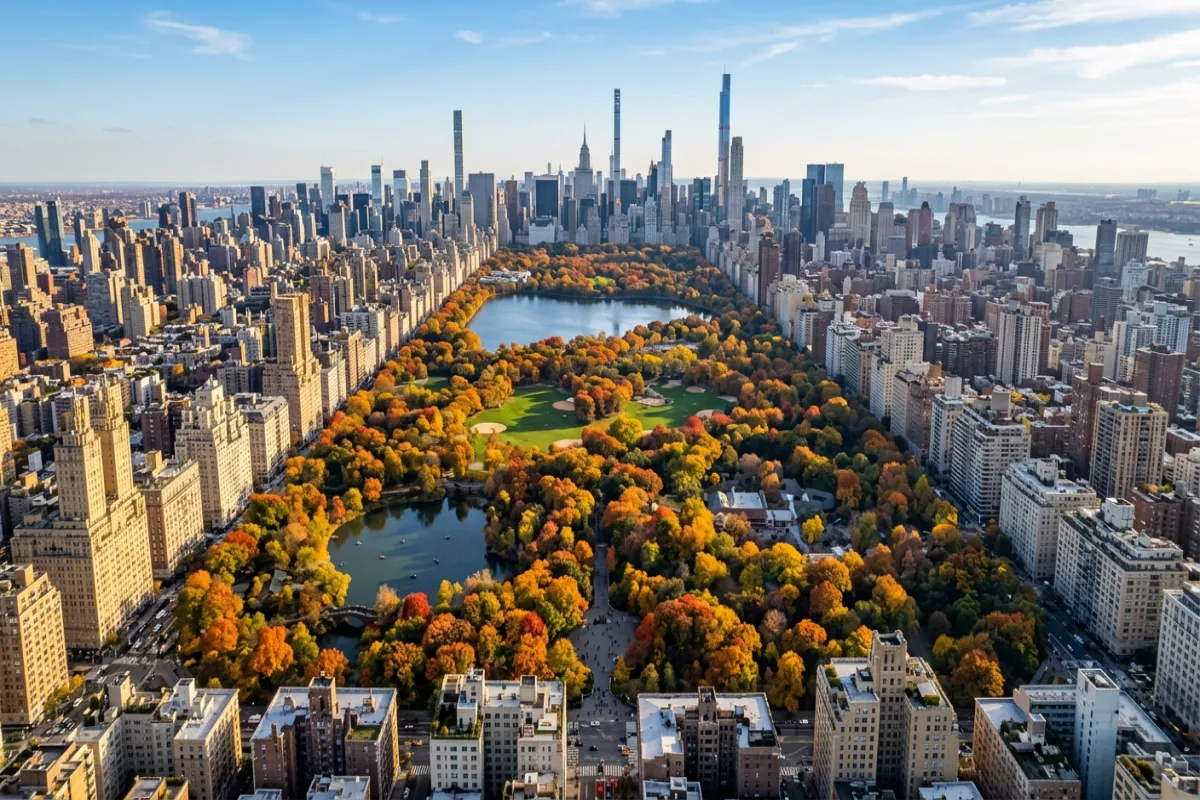
Spring (April to June) is the ideal window. Temperatures range from 55 to 75 degrees Fahrenheit, Central Park bursts into bloom, and outdoor patios reopen across the city. Hotel prices sit below the summer peak, and lines at major attractions are shorter than July and August.
Fall (September to November) is equally excellent. The heat breaks, fall foliage fills Central Park by mid-October, and the cultural calendar kicks into high gear with Broadway openings, New York Film Festival, and gallery shows. This is also New York Fashion Week territory in September.
Summer (June to August) brings hot, humid weather with temperatures regularly hitting 90 degrees or higher. Crowds peak at every major attraction. The upside: free concerts in Central Park, rooftop bars at their best, and long daylight hours. Budget for air-conditioned breaks between outdoor activities.
Winter (December to February) is cold, with temperatures dropping into the 20s and 30s. But the holiday season from late November through early January is genuinely magical, with Rockefeller Center’s tree, holiday markets at Bryant Park and Union Square, and window displays on Fifth Avenue. January and February bring the lowest hotel rates of the year, often $115 per night less than the December peak.
How Long to Stay
You need a minimum of 4 days to cover the essentials without feeling rushed. That gives you time for the major landmarks, a Broadway show, and at least a few neighborhood walks.
The ideal trip length is 5 to 7 days. This lets you explore beyond Midtown, spend a full day in Brooklyn, visit multiple museums without sprinting through them, and actually sit down for a proper meal instead of eating on the go every day.
Do not try to see everything. New York has more to offer than any single trip can cover. Pick your priorities, build in downtime, and save some neighborhoods for a return visit. A relaxed trip to fewer places beats an exhausting marathon through every attraction on the map.
Budget and Costs
New York City is one of the most expensive cities in the United States. Being realistic about costs up front will save you from sticker shock.
Hotels are the biggest expense. Budget hostels and pods run $62 to $180 per night. Mid-range hotels in Midtown or the Upper West Side cost $250 to $380 per night. Luxury properties start at $400 and go well past $1,000. Keep in mind that NYC charges a 14.75% hotel occupancy tax plus facility fees of $29 to $40 per night at many mid-range and upscale hotels.
Flights vary widely by origin city and season. Domestic round trips typically range from $150 to $400. International flights from Europe run $400 to $900 round trip.
Daily spending breaks down roughly like this:
- Budget travelers: $110 to $210 per day (hostel, street food, free attractions, subway)
- Mid-range travelers: $210 to $375 per day (comfortable hotel, sit-down restaurants, paid attractions)
- Luxury travelers: $600 or more per day (upscale hotel, fine dining, private tours)
Use a travel budget template to map out your costs before booking anything. It helps you see exactly where your money goes and where you can save.
Money-saving tips: Visit free museums on their designated free days (the Met is pay-what-you-wish for NY residents). Buy attraction passes like CityPASS or New York Pass if you plan to visit 4 or more paid attractions. Eat lunch at food carts and save sit-down restaurants for dinner. Book hotels in Long Island City or Williamsburg for 40 to 50 percent less than Midtown rates with easy subway access.
Where to Stay by Neighborhood
Your neighborhood choice shapes your entire NYC experience. Here is a breakdown of the best areas for visitors.
Midtown (34th to 59th Street) is the most convenient base for first-time visitors. You are walking distance to Times Square, Central Park, Rockefeller Center, and Broadway theaters. Every subway line runs through Midtown, making it easy to reach any part of the city. The downside: it is the most expensive area and the most crowded.
Lower Manhattan (SoHo, Tribeca, Financial District) offers a trendier, more local vibe. SoHo is perfect for shopping and gallery-hopping. The Financial District has newer hotels with great views and slightly lower rates than Midtown. You are close to the Statue of Liberty ferries, One World Observatory, and the 9/11 Memorial.
Brooklyn (Williamsburg, DUMBO, Brooklyn Heights) delivers the best value with serious character. Hotels here cost 40 to 50 percent less than Manhattan equivalents. Williamsburg is packed with restaurants, bars, and vintage shops. DUMBO offers stunning Manhattan skyline views. The L and A/C trains get you into Manhattan in 15 to 20 minutes.
Upper West Side (59th to 110th Street) is ideal for families. You are right next to Central Park, the American Museum of Natural History, and the Children’s Museum of Manhattan. The neighborhood is quieter and more residential, with great brunch spots along Amsterdam and Columbus Avenues.
Avoid staying in Times Square. Hotels there charge premium rates for a location that is loud, crowded, and surrounded by overpriced chain restaurants. Stay a few blocks away in Midtown East or Hell’s Kitchen for the same convenience at better prices and with better food options.
Getting Around
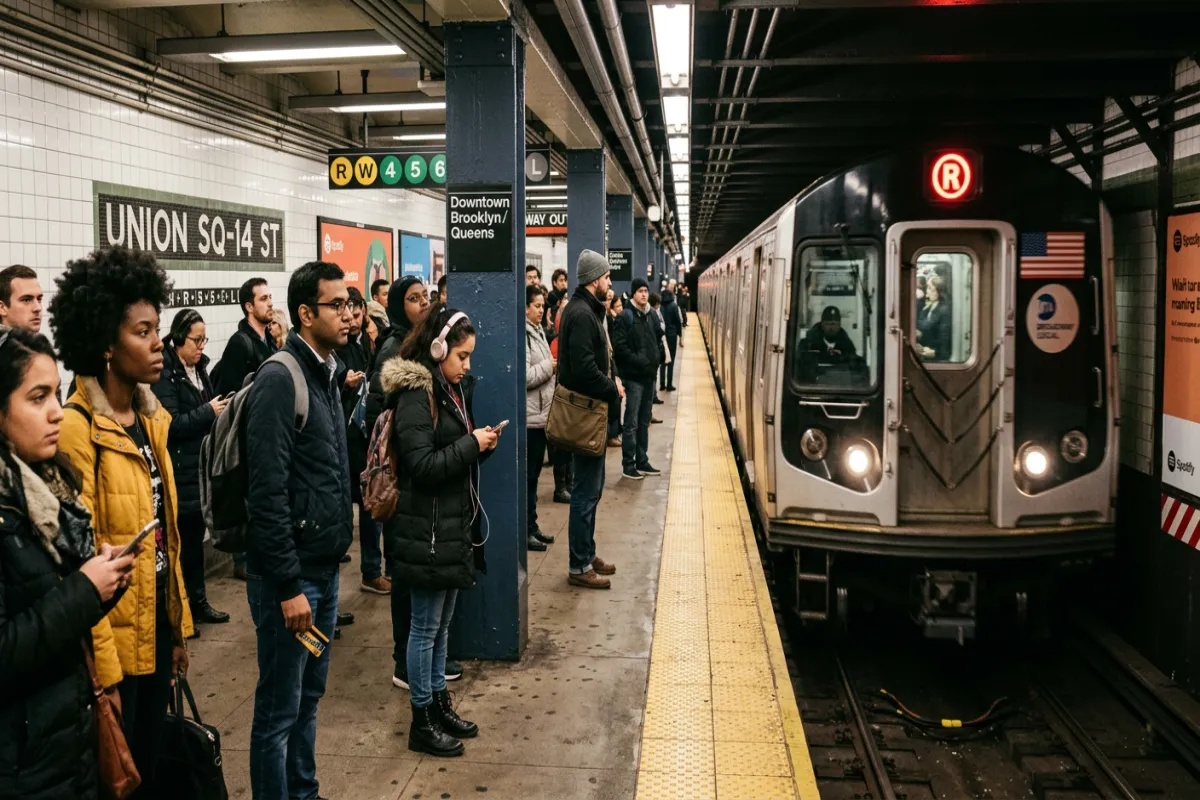
The subway is the fastest and cheapest way to get around New York City. It runs 24 hours a day, 7 days a week, and reaches nearly every neighborhood in the five boroughs.
OMNY has replaced MetroCard. As of 2026, MetroCard sales have ended. The new system is OMNY (One Metro New York), a contactless tap-to-pay system. You can tap your contactless credit card, debit card, smartphone (Apple Pay, Google Pay), or a physical OMNY card at turnstiles. Each ride costs $3.
OMNY weekly fare cap: Once you spend $35 in a seven-day period using the same payment method, all additional rides that week are free. This is the equivalent of the old unlimited weekly MetroCard, but it activates automatically. Important: always tap the same card or device. Using different payment methods resets the cap tracking.
You can buy physical OMNY cards at subway station vending machines, Walgreens, CVS, 7-Eleven, and many bodegas. These cards are reloadable and last several years.
Walking is essential in NYC. Manhattan is a walking city, and you will cover 5 to 10 miles per day without trying. Bring comfortable shoes.
Skip taxis in Manhattan during rush hours. Traffic makes them slower than the subway and far more expensive. Taxis are useful for late-night trips or outer-borough destinations not well served by subway.
NYC Ferry connects Manhattan, Brooklyn, Queens, and the Bronx along waterfront routes. It costs $4 per ride and offers great skyline views. The Soundview route to Wall Street is a scenic alternative to the subway.
Citi Bike bike-share stations are everywhere. A day pass costs about $19 and includes unlimited 30-minute rides. Great for cruising through Central Park or along the Hudson River Greenway.
Must-See Attractions and Activities
These are the experiences that define a trip to New York City. Prioritize based on your interests rather than trying to check off everything.
Central Park: 843 acres of green space in the middle of Manhattan. Walk the Mall, see Bethesda Fountain, row a boat on the Lake, or just sit on a bench and people-watch. Free to enter, open daily from 6 AM to 1 AM.
Statue of Liberty and Ellis Island: Book ferry tickets at least one week in advance through the official Statue City Cruises site. Crown access tickets sell out weeks ahead. Ferries depart from Battery Park in Lower Manhattan. Allow half a day for the full experience including Ellis Island’s immigration museum.
Observation Decks: Top of the Rock at Rockefeller Center provides the best view of the Empire State Building and Central Park. Edge at Hudson Yards is the highest outdoor observation deck in the Western Hemisphere. Summit One Vanderbilt offers an immersive, mirror-filled experience. Book any of these in advance to skip the line.
Brooklyn Bridge: Walk from the Manhattan side to Brooklyn for the best views. Go early in the morning or at sunset to avoid crowds. End your walk in DUMBO for ice cream at the Brooklyn Ice Cream Factory and waterfront views of the Manhattan skyline.
The High Line: An elevated park built on a former freight rail line, stretching from the Meatpacking District to Hudson Yards. Walk the full 1.45-mile route and enjoy public art, gardens, and architecture. Free admission.
Museums: The Metropolitan Museum of Art (the Met) holds over 2 million works and deserves at least 3 hours. MoMA (Museum of Modern Art) houses Van Gogh’s Starry Night and Picasso’s Les Demoiselles d’Avignon. The American Museum of Natural History is a must for families. All three are world-class and worth advance booking.
Broadway: Seeing a show on Broadway is a quintessential NYC experience. Book popular shows months in advance through official channels. For same-day discounts of 20 to 50 percent, visit the TKTS booth in Times Square or use the TodayTix app. Matinees on Wednesday and weekends are available in addition to evening performances.
Chelsea Market: A food hall and shopping destination in a former Nabisco factory. Great for lunch with vendors selling everything from lobster rolls to artisanal doughnuts. Located at the southern end of the High Line, so combine both in one visit.
Food and Dining
New York is arguably the best food city in the United States. Every cuisine on earth is represented, often at multiple price points.
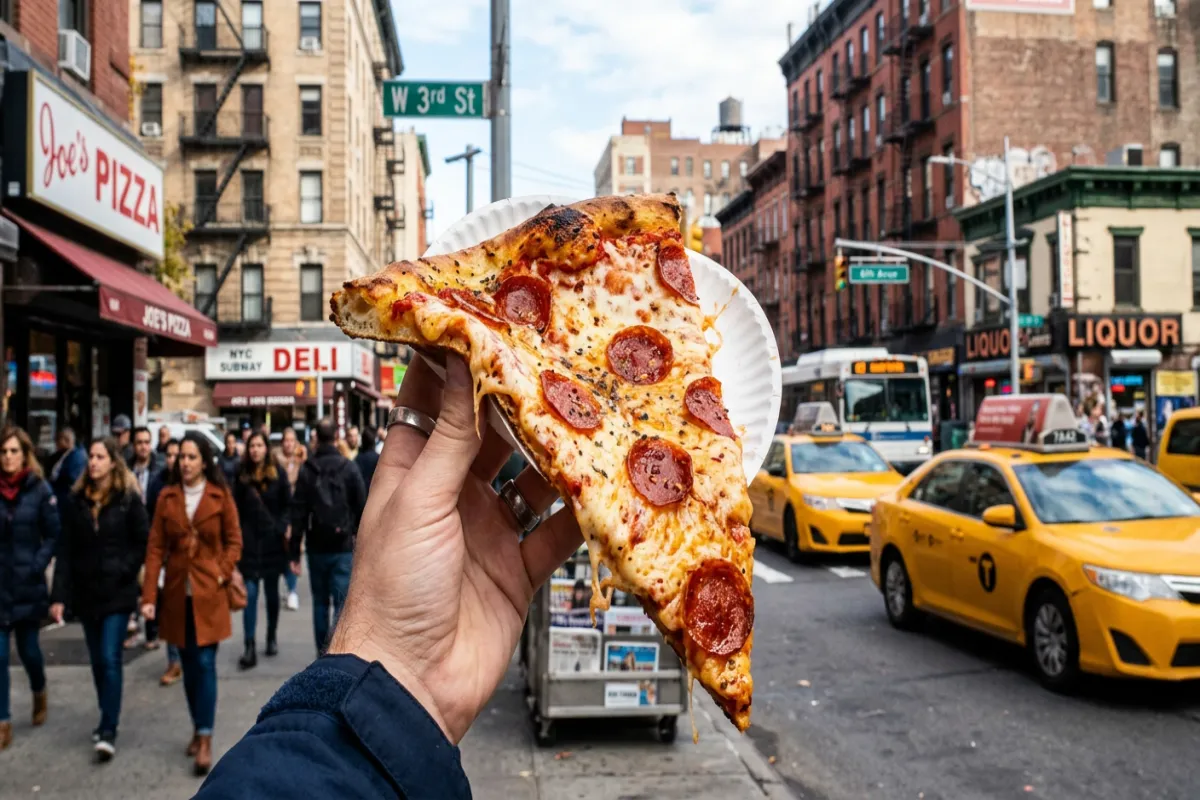
Pizza by the slice is a NYC institution. Joe’s Pizza in Greenwich Village and Prince Street Pizza in NoLita are perennial favorites. A plain slice runs $3 to $5. Dollar pizza shops still exist, though quality varies.
Bagels are the other essential NYC food. Russ and Daughters on the Lower East Side, Ess-a-Bagel in Midtown, and Murray’s Bagels in Greenwich Village are all worth the line. Get a classic lox and cream cheese on an everything bagel.
Chinatown in Lower Manhattan serves some of the best and cheapest food in the city. Soup dumplings at Joe’s Shanghai, hand-pulled noodles at Lam Zhou, and dim sum at Nom Wah Tea Parlor are all under $20 per person.
Food halls offer variety under one roof. Beyond Chelsea Market, check out Gotham West Market in Hell’s Kitchen, Urbanspace Vanderbilt near Grand Central, and DeKalb Market Hall in downtown Brooklyn. These are great options when your group cannot agree on a cuisine.
Fine dining reservations need to be made months in advance for popular spots. Use Resy or OpenTable to book. Budget $100 to $300 per person at top restaurants. Many acclaimed restaurants also offer more affordable lunch menus or bar seating without reservations.
Tipping: 18 to 20 percent is standard at sit-down restaurants in NYC. This is not optional. Bartenders get $1 to $2 per drink. Coffee shops with counter service have tip jars but tipping is not expected.
Practical Tips
These tips will help you blend in and avoid common mistakes that slow first-time visitors down.
Walk fast or move to the right. New Yorkers walk with purpose. If you need to stop and check your phone or look at a map, step to the side. Never stop in the middle of a sidewalk.
Subway etiquette: Let people exit the train before you board. Move to the center of the car. Do not block the doors. Avoid eye contact with performers who board the train. Keep your belongings close.
Stay aware at night. NYC is generally very safe for a major city, but use common sense after dark. Stick to well-lit, busy streets. Avoid empty subway cars late at night. Keep your phone secure, especially on subway platforms.
Times Square is a tourist trap for dining. The area is worth walking through once, especially at night when the lights are most impressive. But do not eat there. Restaurants in Times Square are overpriced and mediocre. Walk 2 blocks in any direction for dramatically better food at lower prices.
Free activities worth your time:
- Staten Island Ferry: free round-trip ride with close views of the Statue of Liberty
- Central Park: explore the Ramble, Bow Bridge, and Belvedere Castle
- The High Line: elevated park with city views and public art
- Brooklyn Bridge walk: free and stunning, especially at sunset
- Grand Central Terminal: admire the Beaux-Arts architecture and the painted ceiling of the Main Concourse
- Washington Square Park: street performers, the iconic arch, and NYU energy
Manhattan congestion pricing: As of 2026, vehicles entering Manhattan south of 96th Street are charged a congestion surcharge. This applies to taxis and rideshares too, adding to your fare. Another reason to use the subway.
Sample 5-Day NYC Itinerary
Use this as a starting framework and adjust based on your interests. Build your custom plan with our AI trip planner or grab a vacation itinerary template to organize your days.
Day 1: Midtown and Times Square
Start at Grand Central Terminal to admire the architecture. Walk to Bryant Park, then head to Rockefeller Center and Top of the Rock for panoramic views. Stroll through Times Square in the evening when the lights are at their peak. Catch a Broadway show to cap off your first night.
Day 2: Lower Manhattan
Take the ferry to the Statue of Liberty and Ellis Island (book tickets in advance). Return to Battery Park, walk through the Financial District to the 9/11 Memorial and Museum. End the afternoon exploring the cobblestone streets of SoHo for shopping and dinner.
Day 3: Central Park and Museum Mile
Spend the morning in Central Park: walk the Mall, see Bethesda Fountain, and explore the Ramble. After lunch, visit the Metropolitan Museum of Art or the American Museum of Natural History (pick one and give it proper time). Evening dinner on the Upper West Side along Amsterdam Avenue.
Day 4: Brooklyn
Walk the Brooklyn Bridge in the morning. Explore DUMBO and Brooklyn Bridge Park for Manhattan skyline photos. Head to Williamsburg for lunch and vintage shopping. Visit the Brooklyn Brewery or walk along the waterfront. Return to Manhattan via the L train for dinner in the East Village.
Day 5: Chelsea, High Line, and Greenwich Village
Walk the High Line from Hudson Yards south to the Meatpacking District. Browse Chelsea Market for lunch. Head south to Greenwich Village, visit Washington Square Park, and wander the tree-lined streets. End with pizza at Joe’s and drinks at a jazz club in the Village.
Planning Tools
These free tools will help you organize your NYC trip:
- AI Trip Planner: Build a personalized NYC itinerary based on your dates, budget, and interests.
- Travel Budget Template: Track your NYC spending across flights, hotels, food, and activities.
- Vacation Itinerary Template: Organize your day-by-day plan with times and locations.
- Complete Trip Planning Guide: Step-by-step process for planning any trip from scratch.
If you have a layover at JFK before or after your trip, check our JFK layover guide for tips on making the most of your time at the airport.
Planning a trip to Europe next? Read our guide on how to plan a trip to Europe for similar step-by-step advice.
Frequently Asked Questions
Is New York City safe for tourists?
Yes. NYC is one of the safest large cities in the United States. Millions of tourists visit every year without incident. Standard big-city precautions apply: stay aware of your surroundings, keep valuables secure, and stick to well-traveled areas at night. The subway is safe during daytime and evening hours. Avoid empty subway cars late at night.
How much money do I need per day in NYC?
Budget travelers can get by on $110 to $210 per day including accommodations, food, transportation, and one or two activities. Mid-range travelers should budget $210 to $375 per day. These figures assume two people sharing a hotel room. Solo travelers will spend more on lodging.
Do I need a car in New York City?
No. A car is a liability in Manhattan. Parking costs $30 to $75 per day in garages, traffic is heavy, and the congestion pricing surcharge adds fees for driving below 96th Street. The subway, buses, walking, and occasional rideshares will get you everywhere you need to go faster and cheaper.
What is the best way to get from JFK to Manhattan?
The AirTrain to Jamaica Station, then the E train to Midtown, is the cheapest option at about $11 total. The LIRR from Jamaica to Penn Station is faster and costs about $15 total including the AirTrain. Taxis charge a flat rate of $70 plus tolls and tip to Manhattan. Rideshares cost $50 to $90 depending on traffic and surge pricing.
How far in advance should I book hotels and flights?
Book flights 2 to 3 months ahead for the best prices on domestic routes. Hotels should be booked at least 4 to 6 weeks in advance, especially for spring and fall visits. Broadway shows and popular restaurants like fine dining spots on Resy should be booked as far ahead as possible. Statue of Liberty crown tickets sell out weeks in advance.