| Oahu Quick Facts | |
|---|---|
| State | Hawaii, USA |
| Currency | US Dollar (USD) |
| Language | English, Hawaiian |
| Time Zone | Hawaii Standard Time (HST, UTC-10, no DST) |
| Daily Budget | $120 to $500+ per person |
| Best Time | April to June, September to November |
| Getting There | Daniel K. Inouye International Airport (HNL) |
Oahu is Hawaii’s most visited island and home to 70% of the state’s population. It is where Waikiki’s iconic beach meets the raw power of the North Shore’s winter surf, where Pearl Harbor’s solemn history sits alongside the lush Windward Coast. Oahu delivers the full Hawaiian experience: world-class beaches, hiking through volcanic ridges, shave ice, plate lunches, and a cultural depth that goes far beyond the resort zone. It is the most accessible Hawaiian island with the most flight options and the widest range of accommodations.
For a broader framework for organizing any trip, our how to plan a trip guide covers the fundamentals.
Best Time to Visit Oahu
April through June and September through November are the sweet spots with warm weather (80s F), smaller crowds, and lower hotel rates. Summer (July to August) is busy with families. Winter (December through March) brings massive surf to the North Shore (great for watching, dangerous for swimming) and whale watching season. Hawaii’s weather is pleasant year-round; the main variable is crowds and prices.
Getting to Oahu
Daniel K. Inouye International Airport (HNL) in Honolulu has direct flights from most major US cities (5 to 6 hours from the West Coast, 9 to 11 hours from the East Coast). A rental car is strongly recommended for exploring beyond Waikiki. The North Shore, Windward Coast, and west side all require a car. TheBus public transit system covers the island but is slow for tourist routes.
Top Things to Do in Oahu
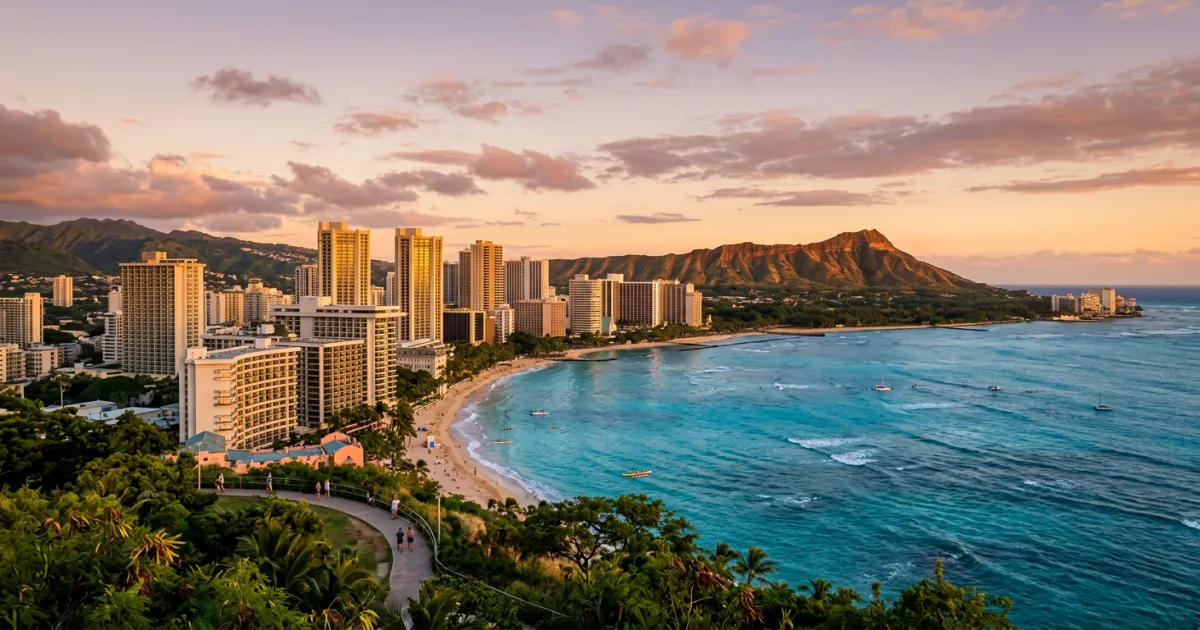
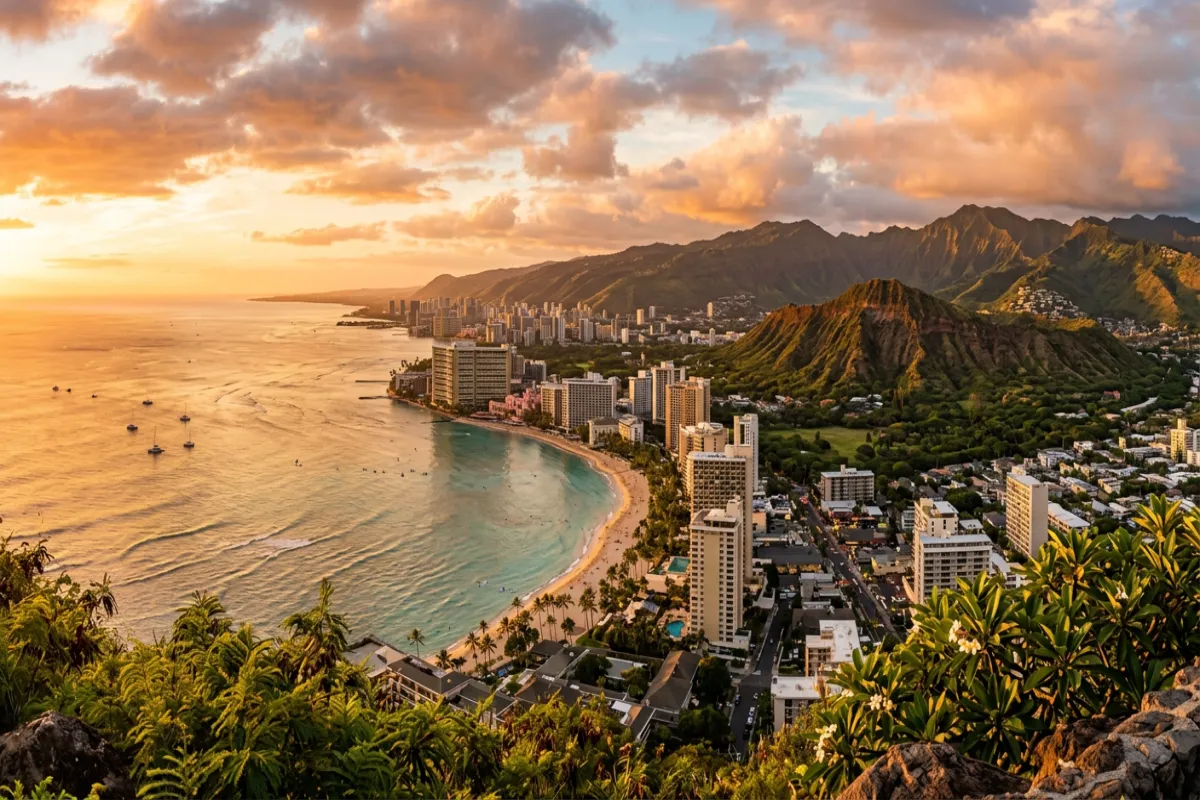
- Waikiki Beach: The iconic crescent of sand with Diamond Head as a backdrop. Great for learning to surf, swimming, and people-watching. Crowded but classic. Outrigger canoe rides from the beach are a fun experience ($25 to $40).
- Pearl Harbor and USS Arizona Memorial: The WWII memorial over the sunken USS Arizona is free (timed tickets required, book online at recreation.gov). The Battleship Missouri, Aviation Museum, and submarine Bowfin are additional paid attractions ($30 to $75 for combo passes).
- Diamond Head Crater Hike: A 1.6-mile round trip hike inside a volcanic crater to a summit with panoramic views of Waikiki, Honolulu, and the Pacific. Best done early morning. $5 per person entry plus $10 parking.
- North Shore: The surfing capital of the world. In winter, watch 30 to 50 foot waves at Pipeline, Sunset Beach, and Waimea Bay. In summer, the same beaches are calm and perfect for swimming. Stop at the shrimp trucks in Haleiwa.
- Kailua Beach: On the Windward Coast, consistently ranked among the best beaches in the US. Turquoise water, soft sand, and less crowded than Waikiki. Kayak to the Mokulua Islands offshore.
- Polynesian Cultural Center: A living museum on the North Shore showcasing the cultures of Hawaii, Samoa, Tonga, Fiji, and other Pacific islands. Evening luau and show. About $60 to $230 depending on package.
Where to Stay
Waikiki has the most hotels, from budget ($100 to $180) to luxury ($300 to $800+). The best value is in hotels a block or two back from the beach. North Shore has vacation rentals ($150 to $400) for a surf-town experience. Kailua has B&Bs and rentals ($120 to $300) in a quieter beach town setting. Ko Olina (west side) has luxury resorts including Aulani Disney ($400+). Book 2 to 3 months ahead for peak seasons.
Sample 5-Day Oahu Itinerary
- Day 1-2: Waikiki and Honolulu: Day 1: Waikiki Beach, Diamond Head hike (go early), and a walk through downtown Honolulu. Day 2: Pearl Harbor (morning, book timed tickets ahead). Afternoon exploring Chinatown and the Ala Moana area.
- Day 3: North Shore: Drive to the North Shore (45 minutes from Waikiki). Watch surfers (winter) or swim at Waimea Bay (summer). Lunch at a shrimp truck in Haleiwa. Stop at Sunset Beach and Pipeline. Dole Plantation on the way back (optional).
- Day 4: Windward Coast: Drive to Kailua for a beach day. Kayak to the Mokulua Islands. Stop at the Lanikai Pillbox Hike for sunrise views (or sunset). Drive through the Pali Highway for dramatic cliff views.
- Day 5: Cultural Day: Morning at the Polynesian Cultural Center (North Shore). Or snorkeling at Hanauma Bay Nature Preserve ($25 entry, closed Mondays and Tuesdays, reservations required). Farewell dinner in Waikiki.
Budget Estimate
Hawaii is expensive. Budget travelers can manage on $120 to $180 per day with a budget Waikiki hotel, plate lunch meals ($10 to $15), and free beaches and hikes. Mid-range travelers should plan for $250 to $400 covering a comfortable hotel, restaurant meals ($20 to $40), Pearl Harbor, a car rental ($50 to $80 per day), and one paid activity. Plate lunches (two scoops rice, macaroni salad, protein) are the best-value meals at $10 to $15.
Planning Tools
Ready to start building your Oahu trip? Our free AI trip planner can generate a custom itinerary based on your dates, budget, and interests.
Frequently Asked Questions
How many days do you need on Oahu?
Five days covers Waikiki, Pearl Harbor, the North Shore, and one other area (Kailua or the Polynesian Cultural Center). Three days works for a focused trip hitting the highlights. A week lets you explore at a relaxed pace and potentially add a day trip to a neighbor island.
Do I need a car on Oahu?
For Waikiki only, no. But to visit the North Shore, Kailua, and other parts of the island, a car is strongly recommended. TheBus covers the island but routes are slow. Parking in Waikiki is expensive ($25 to $40 per day at hotels).
Is Oahu too touristy?
Waikiki is crowded and commercial, but step outside it and Oahu has genuinely beautiful, less-visited areas. The Windward Coast, the west side, and the North Shore (outside of the surf season crowds) feel worlds apart from the resort zone.