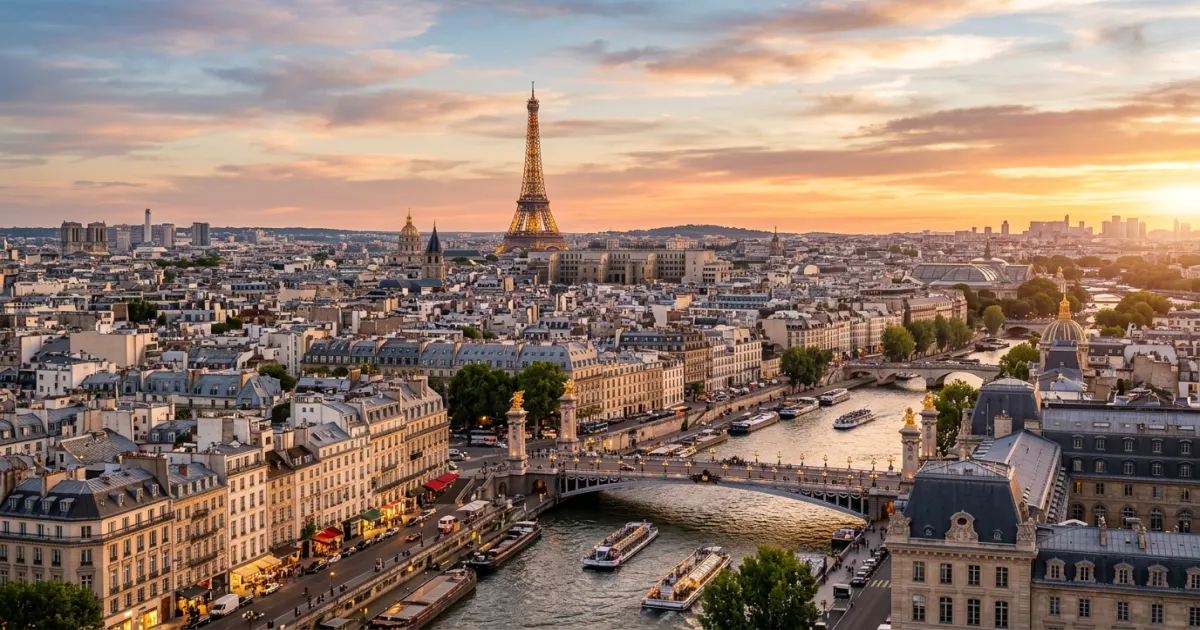
Paris is one of those cities that lives up to the hype. The architecture, the food, the art, the energy of the streets – it all comes together in a way that few other destinations can match. But a great Paris trip does not happen by accident. With the right planning, you can skip the rookie mistakes, stretch your budget further, and actually enjoy the city instead of spending half your time in the wrong ticket line.
This guide covers everything you need to know to plan a trip to Paris in 2026, from choosing the right neighborhood to navigating the Metro like a local.
Paris Quick Facts
- Visa: US, UK, Canadian, and Australian citizens can visit France visa-free for up to 90 days under the Schengen Agreement. Starting in 2026, non-EU visitors will need to register through the ETIAS system (7 euros, valid for 3 years).
- Currency: Euro (EUR). Credit cards are widely accepted, but carry some cash for smaller cafes and markets.
- Language: French. English is common in tourist areas, but learning a few French phrases goes a long way.
- Time Zone: Central European Time (CET), UTC+1. Daylight saving adds one hour from late March to late October.
- Average Daily Cost: Budget travelers can manage on 80 to 120 euros per day. Mid-range travelers should plan for 150 to 250 euros. Luxury trips start around 400 euros and go up from there.
- Best Airport: Charles de Gaulle (CDG) handles most international flights. Orly (ORY) serves some European and domestic routes. If you have a layover at CDG, check our dedicated guide for making the most of your time.
Best Time to Visit Paris
Paris is a year-round destination, but some months are significantly better than others for most travelers.
April through June is the sweet spot. Temperatures sit between 12 and 22 degrees Celsius (54 to 72 Fahrenheit), gardens are in full bloom, and the summer crowds have not arrived yet. Late April brings cherry blossoms along the Seine, and outdoor terraces fill up with locals enjoying the longer evenings.
September and October offer similar advantages. The summer heat fades, tourist numbers drop after the August rush, and cultural life picks back up with new exhibitions and events across the city.
July and August are peak tourist season, but there is a twist: many Parisians leave the city in August for their annual vacations. This means some beloved neighborhood restaurants and shops close for two to four weeks. You get thinner crowds at museums but fewer authentic local dining options.
November through March is low season. Expect cooler temperatures (3 to 10 degrees Celsius), shorter days, and occasional rain. The upside? Hotel prices drop significantly, museum lines are shorter, and the city takes on a cozy, atmospheric quality. Christmas markets run from late November through December.
How Long to Spend in Paris
Plan for a minimum of four to five days. This gives you enough time to visit the major landmarks, explore a couple of neighborhoods on foot, and have a few unhurried meals without feeling like you are racing through a checklist.
Seven days allows for deeper exploration. You can add a day trip to Versailles, spend a full afternoon wandering the Marais without an agenda, visit smaller museums like the Orangerie or Rodin Museum, and actually sit in a cafe long enough to people-watch. If this is your first trip to Europe, a full week in Paris is time well spent.
Use our vacation itinerary template to map out your days once you have decided on your trip length.
Paris Trip Budget Breakdown
Paris is an expensive city, but costs vary dramatically depending on your choices. Here is what to expect in 2026.
Accommodation
- Budget (hostels, basic hotels): 40 to 80 euros per night
- Mid-range (3-star hotels, quality Airbnbs): 120 to 220 euros per night
- Luxury (4-5 star hotels): 350 to 800+ euros per night
Location matters. Hotels in the 1st, 4th, 6th, and 7th arrondissements (central Paris) cost 30 to 50 percent more than comparable options in the 10th, 11th, or 18th. The trade-off is walkability to major sights.
Food
- Bakery breakfast (croissant + coffee): 4 to 7 euros
- Lunch menu (prix fixe at a bistro): 14 to 22 euros
- Dinner at a mid-range restaurant: 30 to 55 euros per person
- Fine dining: 80 to 200+ euros per person
Transportation
- Single Metro ticket: 2.15 euros
- Navigo Easy card (rechargeable): 2 euros for the card, then load individual tickets or a day pass
- Navigo weekly pass: 30.75 euros (Monday to Sunday, unlimited Metro, bus, RER in zones 1-5)
- CDG to central Paris (RER B): 11.45 euros
Track your spending with our travel budget template to avoid surprises.
Where to Stay in Paris: Best Neighborhoods
Choosing the right arrondissement (district) shapes your entire Paris experience. Here are the top picks for visitors.
Le Marais (3rd and 4th Arrondissements)
Best for: First-time visitors, foodies, nightlife, shopping.
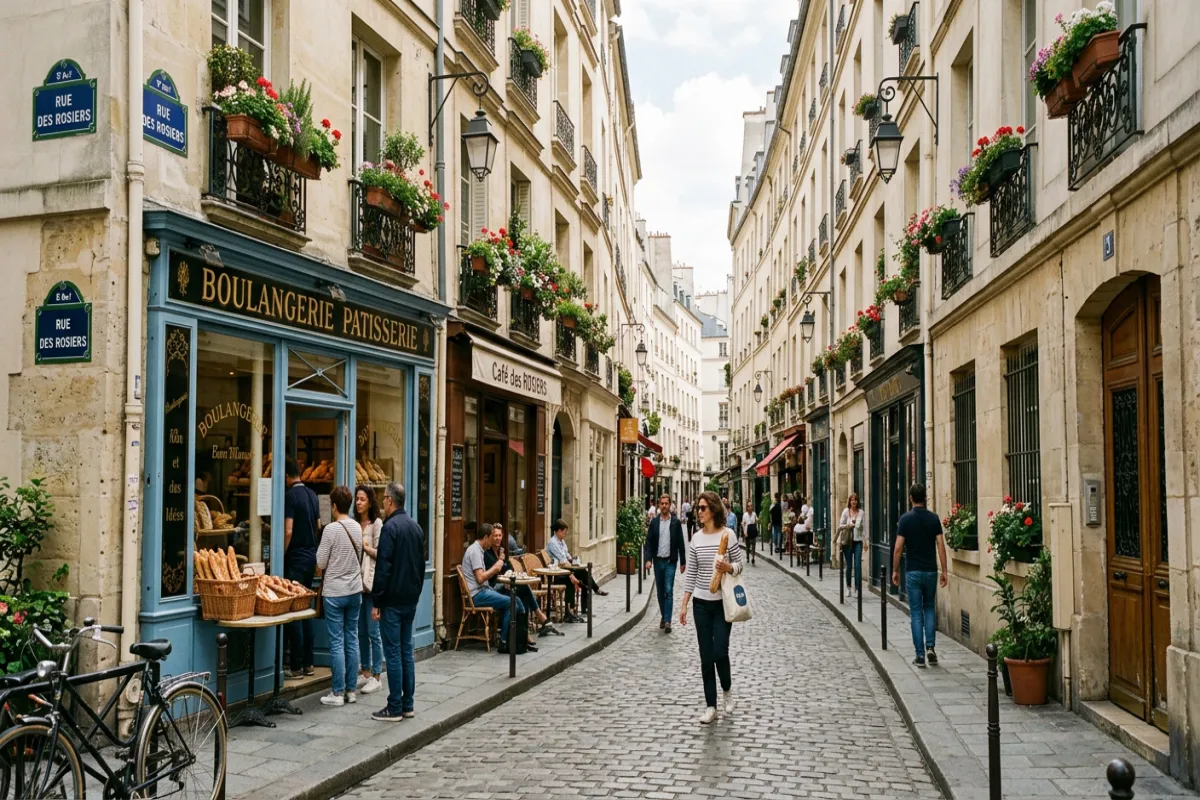
Le Marais is the most popular neighborhood for travelers, and for good reason. Its narrow medieval streets are packed with independent boutiques, galleries, falafel shops on Rue des Rosiers, and historic architecture. Place des Vosges, the oldest planned square in Paris, is here. The neighborhood is walkable to Notre-Dame, the Centre Pompidou, and the Bastille area.
Downsides: Higher hotel prices, crowded on weekends, some areas feel overly touristy.
Saint-Germain-des-Pres (6th Arrondissement)
Best for: Art lovers, literary history, upscale dining, couples.
This Left Bank neighborhood is where Hemingway, Sartre, and Simone de Beauvoir spent their days in legendary cafes like Les Deux Magots and Cafe de Flore. Today it is home to art galleries, antique shops, and some of the best restaurants in Paris. The Luxembourg Gardens are steps away.
Downsides: Expensive across the board. Quieter at night compared to the Marais.
Montmartre (18th Arrondissement)
Best for: Artists, romantics, budget travelers, photographers.
The hilltop village feel of Montmartre is unlike anywhere else in Paris. Sacre-Coeur basilica sits at the top with panoramic city views. The winding streets below are full of small restaurants, wine bars, and artist studios. Place du Tertre still has painters working outdoors daily.
Downsides: Steep hills everywhere. The area around Pigalle can feel seedy at night. Further from central attractions like the Louvre (about 30 minutes by Metro).
Latin Quarter (5th Arrondissement)
Best for: Students, history buffs, bookworms, budget dining.
Home to the Sorbonne university, the Pantheon, and the famous Shakespeare and Company bookshop. The Latin Quarter has an intellectual, youthful energy with affordable restaurants along Rue Mouffetard and the surrounding streets. The Jardin des Plantes botanical garden provides a quiet escape.
Downsides: Some tourist-trap restaurants near the main streets. Can feel busy during university term.
Near the Champs-Elysees (8th Arrondissement)
Best for: Luxury shopping, business travelers, grand hotel experiences.
The 8th arrondissement puts you near the Arc de Triomphe, the Grand Palais, and the high-end shops along Avenue Montaigne. Hotels here tend to be large international chains or historic palace hotels.
Downsides: The Champs-Elysees itself is overrun with chain stores and fast food. The area lacks the neighborhood charm of the Marais or Saint-Germain. Very expensive.
Getting Around Paris
Paris has one of the best public transportation systems in Europe. The Metro should be your primary way of getting around.
The Metro
The Paris Metro has 16 lines and over 300 stations covering the entire city. Trains run from about 5:30 AM to 1:00 AM (2:00 AM on Fridays and Saturdays). During peak hours, trains arrive every 2 to 4 minutes. The system is fast, reliable, and reaches virtually every major sight.
For stays of four days or more, the Navigo weekly pass (30.75 euros) is almost always the best deal. It covers all Metro, bus, tram, and RER trains in the entire Ile-de-France region, including trips to Versailles and the airports. The catch: it runs Monday to Sunday regardless of when you buy it, so it works best if you arrive on a Monday.
For shorter stays, load individual tickets onto a Navigo Easy card. The old paper carnet (book of 10 tickets) has been phased out and replaced by the rechargeable card system.
Walking
Paris is a remarkably walkable city. Many of the best experiences happen on foot, from crossing the bridges over the Seine to wandering through neighborhood markets. The distance from the Louvre to the Eiffel Tower is about 3.5 kilometers (a 40-minute walk along the river), and you will pass a dozen photo-worthy spots along the way.
Velib Bikes
Paris has an extensive bike-sharing system called Velib with over 1,400 stations across the city. A day pass costs 5 euros for mechanical bikes. Electric bikes cost a small supplement per ride. The city has expanded its network of protected bike lanes significantly in recent years, making cycling safer and more practical than ever.
Getting to and from the Airports
From Charles de Gaulle (CDG), the RER B train reaches central Paris in about 35 minutes for 11.45 euros. Taxis charge a flat rate of 55 euros to the Right Bank or 62 euros to the Left Bank. The Roissybus runs to Opera for 16.60 euros.
From Orly (ORY), the Orlyval shuttle connects to the RER B at Antony station. The combined fare is about 12.10 euros. Taxis charge a flat rate of 37 euros to the Right Bank or 44 euros to the Left Bank.
Must-See Attractions in Paris
Eiffel Tower
Book your tickets online at least two to three weeks in advance. Slots sell out quickly, especially for summit access. Tickets cost 29.40 euros for the summit by elevator or 21.50 euros for the second floor. The tower is open daily from 9:30 AM to 11:45 PM in summer, with reduced hours in winter. Sunset visits offer the best photography conditions.
The Louvre
The world’s largest art museum needs at minimum half a day. Trying to see everything in one visit is a mistake. Focus on a few sections, such as the Italian paintings (Mona Lisa, Winged Victory), Egyptian antiquities, or French sculpture. Tickets cost 22 euros and must be booked online with a time slot. The museum is closed on Tuesdays.
Musee d’Orsay
Housed in a stunning former railway station, the Orsay holds the world’s finest collection of Impressionist and Post-Impressionist art. Monet, Renoir, Degas, Van Gogh, and Cezanne are all represented. Tickets cost 16 euros. Closed on Mondays.
Notre-Dame Cathedral
Notre-Dame reopened in December 2024 after a five-year restoration following the devastating April 2019 fire. The cathedral is free to enter, though timed entry tickets are recommended to manage crowds. The restored interior features new lighting and cleaned stonework that reveals the original medieval colors. Expect significant visitor numbers as this remains one of Paris’s most anticipated reopenings.
Sacre-Coeur Basilica
The white-domed basilica at the summit of Montmartre is free to enter. Climb the 300 steps to the dome (7 euros) for one of the best panoramic views of Paris. The surrounding Place du Tertre and vineyard area are worth exploring. Take the Metro to Anvers or Abbesses station, then either walk up the hill or ride the funicular.
Versailles (Day Trip)
The Palace of Versailles is about 40 minutes from central Paris by RER C train. Tickets to the palace cost 21 euros; the estate passport (including the Trianon palaces and gardens) costs 28 euros. Budget a full day. Arrive early (the palace opens at 9:00 AM) to beat the tour bus crowds. The gardens are free except on fountain show days (Tuesdays, Fridays, and weekends from April to October, 10 euros).
Seine River Cruise
A one-hour boat cruise along the Seine is one of the best ways to see Paris from a different angle. Bateaux Mouches and Vedettes du Pont Neuf are the main operators, with tickets starting around 15 euros. Evening cruises offer views of the illuminated monuments. Dinner cruises are available but significantly more expensive (80 to 150 euros).
Arc de Triomphe
Climb to the top of the Arc de Triomphe for a direct view down the Champs-Elysees and across to La Defense. Tickets cost 16 euros. Open daily from 10:00 AM to 11:00 PM (until 10:30 PM October through March). Free on the first Sunday of each month from November through March.

The Paris Food Scene
Eating well in Paris is not optional. It is the point. Here is how to navigate the food scene.
Start With Breakfast
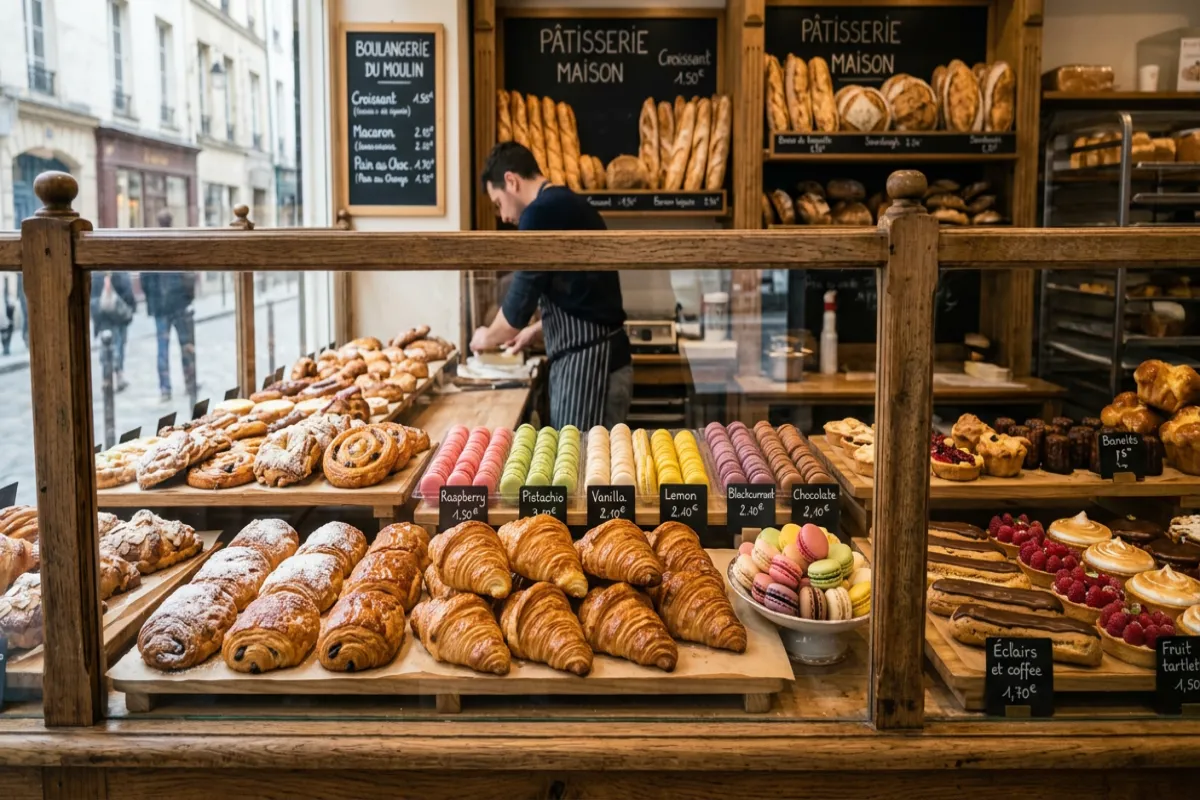
Skip the hotel breakfast buffet and walk to a neighborhood bakery (boulangerie). A fresh croissant (1.20 to 1.80 euros) and a cafe creme at the counter is the Parisian way. Look for bakeries with the “Artisan Boulanger” sign, which means they bake on-site from scratch.
Bistros vs. Brasseries
A bistro is a small, casual restaurant serving traditional French cooking. A brasserie is larger, often with a more varied menu, and typically serves food all day (bistros usually serve only at lunch and dinner). For classic dishes like duck confit, steak frites, or coq au vin, seek out a neighborhood bistro away from the major tourist streets.
Wine Bars (Bars a Vin)
Natural wine bars have exploded across Paris in recent years. These small, often informal spots serve wines from small French producers alongside charcuterie, cheese, and small plates. Le Marais, the 10th, and the 11th arrondissements are particularly rich in quality wine bars.
Cheese and Market Culture
Visit a fromagerie (cheese shop) and ask for recommendations. A good cheese monger will ask what you plan to eat it with and when. For a broader market experience, visit Marche d’Aligre (daily except Monday), Marche Bastille (Thursday and Sunday mornings), or the permanent covered market Marche des Enfants Rouges in the Marais, which is the oldest covered market in Paris.
Michelin Dining
Paris has more Michelin-starred restaurants than almost any other city in the world. A lunch menu at a one-star restaurant can be surprisingly accessible, often 35 to 65 euros for two or three courses. Book well in advance for dinner service at popular spots.
Cafe Culture and Etiquette
Sitting at a Parisian cafe terrace is a ritual, not just a coffee break. A few things to know: prices are higher if you sit on the terrace versus standing at the bar. You are never rushed to leave. Waiters will not bring the check until you ask (“l’addition, s’il vous plait”). Tipping is not required since service is included in the price by law, but rounding up or leaving a euro or two for good service is common and appreciated.
Practical Tips for Visiting Paris
Learn a Few French Phrases
Starting any interaction with “Bonjour” is essential. It is considered rude to skip the greeting. Other useful phrases: “Parlez-vous anglais?” (Do you speak English?), “Merci” (Thank you), “S’il vous plait” (Please), “Excusez-moi” (Excuse me). Even basic effort with French changes how Parisians interact with you.
Dress Smart Casual
Parisians tend to dress well without being flashy. Dark, neutral colors work everywhere. Avoid athletic wear, flip-flops, or overly casual clothing if you want to blend in. A comfortable pair of walking shoes is essential since you will walk 15,000 to 20,000 steps on most days.
Sunday Closures
Many shops and some restaurants close on Sundays. Supermarkets may have limited hours. Museums are generally open on Sundays. The Marais is one of the few neighborhoods where shops stay open seven days a week. Plan your shopping and errands accordingly.
Watch for Pickpockets
Pickpocketing is a real concern at crowded tourist sites, especially the Eiffel Tower, Sacre-Coeur, and on busy Metro lines (particularly Line 1 and Line 4). Use a crossbody bag, keep your phone in a front pocket, and be wary of anyone creating a distraction or crowding you unnecessarily. Common scams include the “gold ring” trick and clipboard petition scams near tourist areas.
Paris Museum Pass
The Paris Museum Pass gives access to over 60 museums and monuments with skip-the-line entry. The 4-day pass costs 74 euros. It pays for itself if you visit the Louvre (22 euros), Orsay (16 euros), Versailles (21 euros), and Arc de Triomphe (16 euros). Buy it online or at participating museums and tourist offices.
Sample 5-Day Paris Itinerary
Day 1: Iconic Paris
Start at the Eiffel Tower (book a morning slot). Walk along the Seine to the Musee d’Orsay for the afternoon. Cross the river to the Tuileries Garden. End with dinner in Saint-Germain-des-Pres.
Day 2: Art and History
Morning at the Louvre (arrive at opening). Afternoon walk through the Palais Royal gardens and up to the Opera Garnier neighborhood. Evening stroll through the covered passages (Galerie Vivienne, Passage des Panoramas). Dinner in the 2nd arrondissement.
Day 3: Montmartre and Le Marais
Morning in Montmartre: Sacre-Coeur, Place du Tertre, the vineyard, and the quieter back streets. Afternoon in Le Marais: Place des Vosges, the Jewish quarter, vintage shops, and galleries. Evening at a natural wine bar in the 11th.
Day 4: Versailles Day Trip
Take the RER C early to Versailles. Spend the morning in the palace, the afternoon in the gardens and Trianon palaces. Return to Paris by late afternoon. Casual dinner in the Latin Quarter near the Pantheon.
Day 5: Your Pace
Visit Notre-Dame in the morning. Walk through Ile Saint-Louis for Berthillon ice cream. Explore the Luxembourg Gardens. Afternoon shopping or visit a smaller museum (Rodin, Orangerie, or Picasso). Farewell dinner at a bistro you have been eyeing all week. Evening Seine river cruise.
Need help building out your daily plan? Our AI travel planner can create a personalized Paris itinerary based on your interests, pace, and budget.
Planning Tools
Getting organized before you go makes a big difference. Here are resources that help:
- How to Plan a Trip – Our complete step-by-step planning framework
- Vacation Itinerary Template – Organize your daily schedule
- Travel Budget Template – Track expenses and stay on target
- AI Travel Planner – Get a custom itinerary in minutes
- Plan a Trip to Europe – If Paris is part of a larger European trip
- Plan a Trip to Italy – Combine Paris with Italy for a classic European itinerary
Frequently Asked Questions
Do I need to speak French to visit Paris?
No, but basic greetings matter. Always say “Bonjour” before asking anything. Many Parisians speak English, especially in tourist areas, hotels, and restaurants. Making the effort to use a few French words changes the dynamic of your interactions for the better.
Is Paris safe for tourists?
Paris is generally safe. The main concerns are petty theft and pickpocketing at busy tourist sites and on the Metro. Violent crime targeting tourists is rare. Use common sense: keep valuables secure, stay aware of your surroundings, and avoid walking alone in poorly lit areas late at night.
How much money do I need per day in Paris?
Budget travelers can get by on 80 to 120 euros per day (hostel, bakery meals, one sit-down restaurant, public transit, free attractions). Mid-range travelers should budget 150 to 250 euros (3-star hotel, restaurants for lunch and dinner, paid attractions, occasional taxi). Luxury travelers will spend 400 euros and up.
What is the best way to get from CDG airport to central Paris?
The RER B train is the fastest and cheapest option at 11.45 euros and about 35 minutes to Gare du Nord or Chatelet-Les Halles. Taxis charge a flat rate (55 or 62 euros depending on destination). Ride-sharing apps like Uber also operate but can be more expensive than taxis during peak hours.
Should I buy a Paris Museum Pass?
If you plan to visit three or more major museums and monuments, the pass usually saves money and time (skip-the-line access is the bigger benefit). The 4-day pass at 74 euros pays for itself quickly with Louvre + Orsay + Versailles alone.
When is the cheapest time to visit Paris?
January through March offers the lowest hotel prices and flight deals, with the exception of Fashion Week periods. November (excluding the holiday season) is also affordable. Expect cooler weather and shorter days, but you will have the city more to yourself.