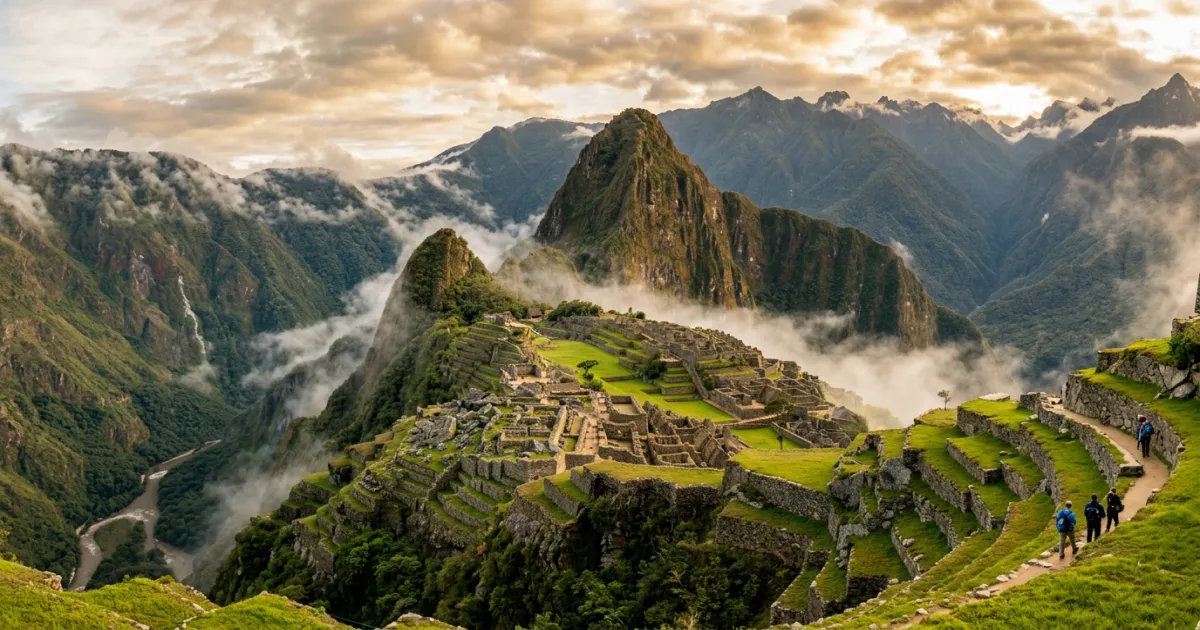
Peru is one of South America’s most rewarding travel destinations, offering everything from ancient Incan ruins perched in the clouds to world-class cuisine in Lima and dense Amazon rainforest teeming with wildlife. Whether you are dreaming of Machu Picchu, tasting ceviche on the coast, or trekking through the Andes, this guide covers everything you need to plan your 2026 trip to Peru.
Quick Facts About Peru
- Visa: US citizens do not need a visa for stays up to 183 days. You just need a valid passport with at least six months of validity remaining.
- Currency: Peruvian Sol (PEN). US dollars are widely accepted in tourist areas, but you will get better rates paying in soles.
- Languages: Spanish is the primary language. Quechua and Aymara are spoken widely in highland regions.
- Time Zone: Peru Standard Time (PET), UTC-5. Peru does not observe daylight saving time.
- Affordability: Peru is one of the most affordable countries in South America for travelers. Budget travelers can get by on $50 to $80 per day.
- Safety: Peru is generally safe for tourists, especially in major tourist areas. Use common sense, avoid flashing valuables, and stick to licensed taxis.
Best Time to Visit Peru
Peru has two main seasons that matter for travelers, and the best time to visit depends on where you plan to go.
Dry season (May through September) is the best time for visiting the highlands, including Cusco, Machu Picchu, and the Sacred Valley. Expect clear skies, sunny days, and cold nights. This is peak tourist season, so book accommodations and Machu Picchu tickets well in advance.
Wet season (December through March) brings rain to the highlands, but it is also the quietest time to visit. Trails can be muddy and some (like the Inca Trail) close in February for maintenance. However, the landscape turns incredibly green and lush.
Shoulder season (April to May and September to October) offers the ideal balance. You get good weather, fewer crowds, and lower prices on flights and hotels. These months are often the sweet spot for a Peru trip.
The coast around Lima stays mild year-round, while the Amazon basin is hot and humid throughout the year with heavier rains from December to April.
How Long Should You Spend in Peru?
Peru is a big country with diverse regions, and rushing through it means missing what makes it special.
- 7 days (minimum): Enough for Lima, Cusco, Sacred Valley, and Machu Picchu. You will be moving quickly.
- 10 to 14 days (ideal): Adds time for Lake Titicaca, Colca Canyon, or the Amazon. You can move at a comfortable pace and actually enjoy each place.
- 3 weeks or more: Lets you explore northern Peru (Chachapoyas, Huaraz), the Nazca Lines, or spend meaningful time in the Amazon.
For most first-time visitors, 12 days hits the sweet spot between seeing the highlights and not feeling rushed. Our trip planning guide can help you figure out the right duration for your travel style.
How Much Does a Trip to Peru Cost?
Peru is one of the most budget-friendly destinations in the Americas. Here is what to expect per person, per day in 2026:
- Budget ($50 to $80/day): Hostels, local menus (menu del dia for $2 to $4), public buses, and self-guided sightseeing.
- Mid-range ($100 to $150/day): 3-star hotels, restaurant meals, guided tours, and domestic flights.
- Luxury ($250 to $400+/day): Boutique hotels, private guides, fine dining, and luxury train rides.
Key costs to budget for:
- Round-trip flights from the US: $400 to $900
- Machu Picchu entrance ticket: $45 to $75 depending on circuit
- Inca Trail 4-day trek: $600 to $900 with a licensed operator
- Train to Aguas Calientes (Machu Picchu town): $60 to $400+ depending on class
- Domestic flights (Lima to Cusco): $60 to $150 one-way
Use our travel budget template to map out your Peru trip expenses before you go.
Getting There and Getting Around
Flying In
Nearly all international flights arrive at Jorge Chavez International Airport (LIM) in Lima. Direct flights are available from major US cities including Miami, Houston, New York, Los Angeles, and Atlanta. Flight time from the US East Coast is roughly 6 to 7 hours.
Domestic Flights
Peru is a large country and domestic flights save significant time. LATAM Airlines and Sky Airline are the main carriers. Key routes include Lima to Cusco (1.5 hours vs. 22 hours by bus), Lima to Arequipa, and Lima to Iquitos (the Amazon gateway city with no road access).
Trains
Peru Rail and Inca Rail operate the scenic train routes between Cusco/Ollantaytambo and Aguas Calientes (the town at the base of Machu Picchu). These are the only way to reach Machu Picchu unless you are trekking. Book trains at least a few weeks ahead during peak season.
Buses
Long-distance buses are comfortable and affordable. Cruz del Sur and Oltursa are the most reputable companies, offering reclining seats, meals, and entertainment on overnight routes. For short distances, colectivos (shared minivans) are cheap and run frequently between towns.
Taxis and Rideshares
In cities, always negotiate your taxi fare before getting in, or use registered taxi apps. Uber and similar apps work in Lima and some larger cities. In Cusco, most of the historic center is walkable.
Dealing with Altitude
Altitude sickness is real and it catches many travelers off guard. Cusco sits at 11,150 feet (3,400 meters) above sea level, and you will feel it.
Symptoms include headache, nausea, shortness of breath, dizziness, and trouble sleeping. Most people experience mild symptoms that pass within 24 to 48 hours.
How to prepare and cope:
- Spend your first 1 to 2 days in Cusco taking it easy. Do not plan strenuous activities on day one.
- Drink plenty of water and avoid alcohol for the first day or two.
- Coca tea (mate de coca) is offered everywhere in the highlands and genuinely helps with mild symptoms. It is legal and widely consumed.
- Consider flying into Cusco and immediately heading to the Sacred Valley (lower elevation around 9,500 feet) before returning to Cusco.
- Acetazolamide (Diamox) is a prescription medication some travelers take preventatively. Talk to your doctor before your trip.
Do not underestimate altitude. Even fit, young travelers can be knocked out by it. Give your body time to adjust and you will enjoy the rest of your trip much more.
Must-See Destinations in Peru
Machu Picchu
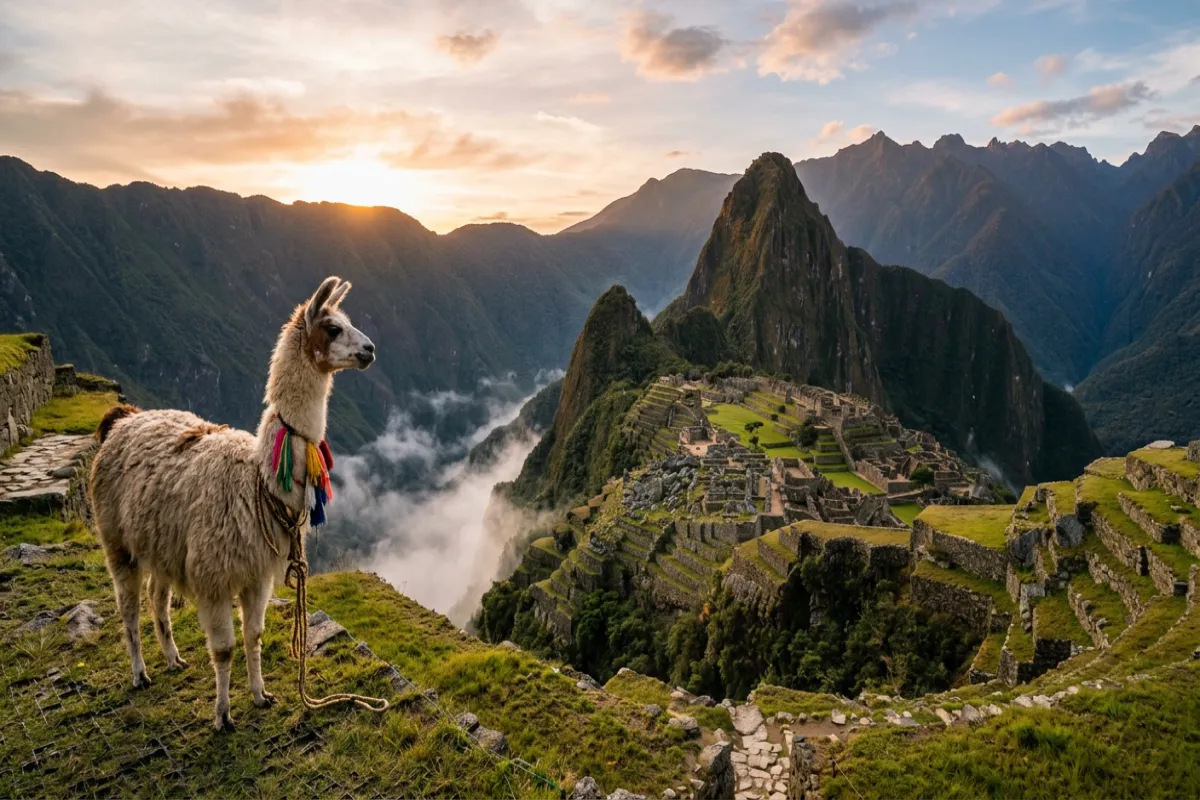
The iconic Incan citadel needs no introduction. Perched at 7,970 feet above sea level and surrounded by cloud forest peaks, it is one of the most awe-inspiring archaeological sites on Earth.
What you need to know for 2026: Daily visitor capacity is capped at 4,500 visitors on most dates, rising to 5,600 during peak season windows (June through early November). Tickets must be purchased in advance through the official government portal (machupicchu.gob.pe) or authorized agencies. No tickets are sold at the entrance. All visitors must be accompanied by a licensed guide, and groups are limited to 16 people. You must choose a specific circuit and entry time slot when booking.
Book early. Peak season tickets (June through August) can sell out within 2 to 4 weeks of release. Booking opens 4 months in advance.
Cusco
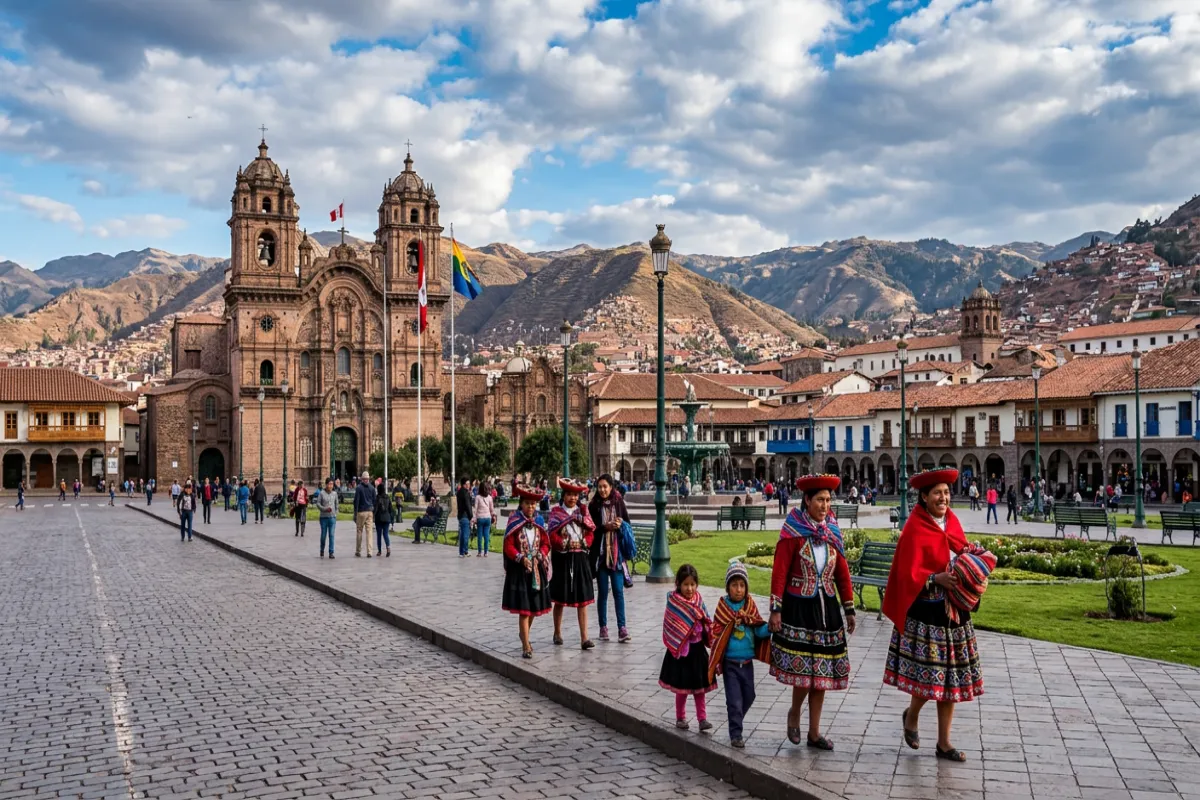
The former capital of the Inca Empire is a stunning city where Incan stone walls support colonial Spanish churches. Wander the cobblestone streets, visit the Plaza de Armas, explore the Sacsayhuaman fortress, and soak in the atmosphere. Cusco is also the gateway to the Sacred Valley and Machu Picchu.
The Sacred Valley
The Urubamba Valley between Cusco and Machu Picchu is filled with Incan ruins, traditional markets, and stunning scenery. Key stops include Ollantaytambo (with its massive Inca fortress), Pisac (known for its market and hilltop ruins), and Moray (circular agricultural terraces). Most travelers spend 1 to 2 days exploring the valley.
Rainbow Mountain (Vinicunca)
This striking, multicolored mountain at 17,060 feet has become one of Peru’s most popular day trips from Cusco. The colors come from mineral deposits in the sedimentary layers. The hike is not technically difficult, but the extreme altitude makes it challenging. Start early and bring warm layers.
Lake Titicaca
The highest navigable lake in the world sits at 12,500 feet on the Peru-Bolivia border. Visit the floating Uros Islands (made entirely of totora reeds) and the traditional island of Taquile. Puno is the main base town on the Peruvian side.
Colca Canyon
One of the deepest canyons in the world (twice as deep as the Grand Canyon), Colca Canyon near Arequipa is famous for Andean condor sightings. Cruz del Condor viewpoint is the best spot to watch these massive birds ride thermal currents in the morning.
Lima
Do not skip the capital. Lima has transformed into one of the world’s great food cities, with multiple restaurants ranked among the best on the planet. The Miraflores and Barranco neighborhoods are walkable, vibrant, and full of great restaurants, cafes, and ocean views. The historic center is a UNESCO World Heritage Site.
If you have a layover in Lima, check out our Lima layover guide for tips on making the most of limited time.
Nazca Lines
These massive geoglyphs etched into the desert floor over 1,500 years ago can only be fully appreciated from the air. Small plane flights over the Nazca Lines run daily from the town of Nazca, about 7 hours south of Lima by bus.
The Amazon
Peru holds a massive portion of the Amazon rainforest. Iquitos (accessible only by air or river) and Puerto Maldonado are the two main gateways. Multi-day lodge stays let you spot wildlife, hike jungle trails, and visit indigenous communities. The Amazon is a completely different world from the highlands.
Peruvian Food: A Highlight of Your Trip
Peruvian cuisine is genuinely one of the best in the world, and food should be a central part of your trip planning.
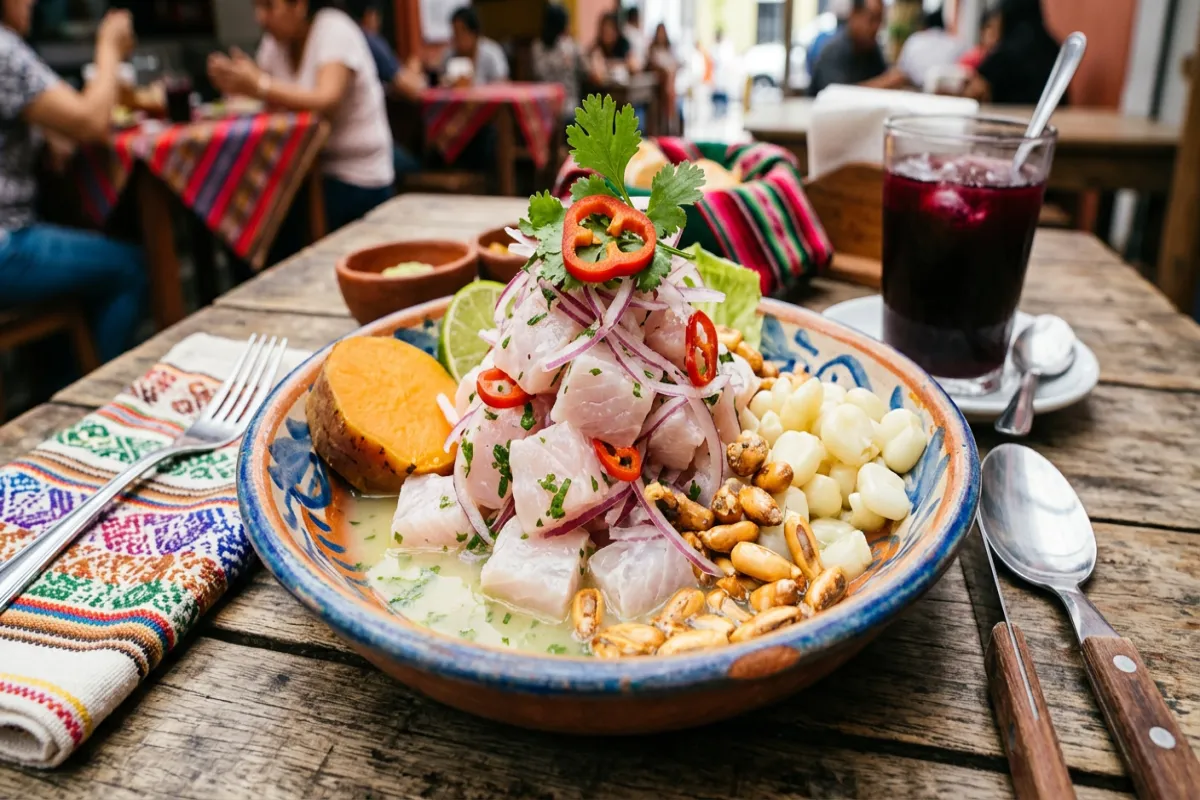
- Ceviche: Peru’s national dish. Fresh raw fish cured in lime juice with onions, chili peppers, and cilantro. Eat it for lunch (never dinner, as Peruvians believe the freshest fish is served midday).
- Lomo Saltado: A stir-fry of beef, tomatoes, onions, and french fries served over rice. It reflects the Chinese-Peruvian fusion (chifa) influence.
- Cuy (Guinea Pig): A traditional Andean delicacy, typically roasted whole. It tastes similar to rabbit. Try it at least once in Cusco or the Sacred Valley.
- Pisco Sour: Peru’s signature cocktail made with pisco (grape brandy), lime juice, egg white, simple syrup, and Angostura bitters. You will find it everywhere.
- Quinoa Soup: A hearty highland staple, especially welcome on cold nights in Cusco or Puno.
- Menu del Dia: The set lunch special offered at local restaurants across Peru. Usually includes soup, a main course, a drink, and sometimes dessert for $2 to $5. This is how locals eat and it is your best budget move.
Lima specifically has experienced a food revolution over the past two decades. Restaurants like Central and Maido have been ranked among the world’s best, and you can find exceptional dining at every price point.
Practical Tips for Traveling in Peru
- Acclimatize before exerting yourself. Do not hike Rainbow Mountain on your first day in Cusco. Give yourself at least 1 to 2 days at altitude before anything strenuous.
- Drink bottled or purified water only. Tap water is not safe to drink in Peru. Most hotels and restaurants serve purified water, but confirm before drinking.
- Book the Inca Trail months ahead. Permits for the classic 4-day Inca Trail sell out 3 to 6 months in advance, especially for peak season (June to August). Only 500 permits are issued per day, and about 300 of those go to guides and porters. If you miss out, excellent alternatives include the Salkantay Trek, Lares Trek, and the Inca Jungle Trail.
- Tipping: 10% is standard at restaurants. Tip your guides and porters on treks, as this is a significant part of their income.
- Negotiate taxi fares. Always agree on the price before getting in. If the price seems high, try another taxi or use an app.
- Learn basic Spanish. Outside of Lima and major tourist hubs, English is not widely spoken. Even a few phrases will go a long way and locals appreciate the effort.
- Carry cash in small bills. Many places, especially markets and smaller towns, do not accept cards. ATMs are available in cities but less common in rural areas. Soles are preferred over dollars at local businesses.
- Get travel insurance. This is especially important for Peru given the altitude, trekking activities, and remote locations. Make sure your policy covers high-altitude trekking and emergency evacuation.
- Protect against the sun. UV exposure at altitude is intense. Sunscreen, a hat, and sunglasses are essential even on cloudy days.
Sample 12-Day Peru Itinerary
This itinerary covers Peru’s greatest hits at a comfortable pace, with built-in time for altitude acclimatization.
Days 1 to 2: Lima
Arrive at Jorge Chavez Airport. Spend two days exploring Miraflores and Barranco neighborhoods, visiting the historic center, and eating your way through the city. Try ceviche at a local cevicheria for lunch and a pisco sour at sunset overlooking the Pacific.
Day 3: Fly to Cusco, Acclimatize
Take an early morning flight to Cusco (about 1.5 hours). Spend the rest of the day resting and adjusting to the altitude. Light walks around the Plaza de Armas, coca tea, and an early dinner. Do not overdo it.
Days 4 to 5: Sacred Valley
Head to the Sacred Valley (lower elevation, which helps with acclimatization). Visit the Ollantaytambo fortress, Pisac ruins and market, Moray terraces, and the Maras salt mines. Stay overnight in the valley.
Day 6: Machu Picchu
Take the train from Ollantaytambo to Aguas Calientes. Visit Machu Picchu with your guide, exploring the main citadel, Temple of the Sun, and Intihuatana stone. Return to Cusco by train in the evening.
Days 7 to 8: Cusco
Now fully acclimatized, explore Cusco in depth. Visit Sacsayhuaman, Qenqo, the San Pedro Market, and the Cusco Cathedral. Consider a day trip to Rainbow Mountain if you are feeling strong. Enjoy the city’s nightlife and restaurants.
Days 9 to 10: Lake Titicaca
Travel to Puno by tourist bus (about 7 hours with stops at La Raya Pass and Andahuaylillas church) or fly. Take a boat tour to the floating Uros Islands and Taquile Island. The high-altitude lake and traditional communities are unforgettable.
Day 11: Return to Lima
Fly from Juliaca (near Puno) back to Lima. Spend your final evening enjoying Lima’s food scene or picking up souvenirs in Miraflores.
Day 12: Departure
Head to the airport for your flight home. If you have time, squeeze in a last ceviche lunch before heading out.
Want to customize this itinerary? Our AI travel planner can help you build a personalized Peru itinerary based on your dates, budget, and interests. You can also start with our vacation itinerary template to organize your day-by-day plans.
Planning Tools for Your Peru Trip
Getting organized before your trip makes everything smoother once you are on the ground. Here are some resources to help:
- How to Plan a Trip: Complete Guide covers the fundamentals of trip planning from start to finish.
- Yopki AI Travel Planner can generate a customized Peru itinerary based on your preferences.
- Travel Budget Template helps you estimate and track your Peru trip costs.
- Vacation Itinerary Template gives you a framework to plan your daily schedule.
- How to Plan a Trip to Costa Rica is another country guide if you are considering a multi-country Latin American trip.
Frequently Asked Questions
Is Peru safe for tourists?
Peru is generally safe for tourists, particularly in popular destinations like Lima, Cusco, and the Sacred Valley. Use normal precautions: avoid walking alone late at night in unfamiliar areas, do not flash expensive electronics, and use registered taxis or ride-hailing apps. Petty theft is the most common issue.
Do I need vaccinations for Peru?
No vaccinations are mandatory for entry. However, Hepatitis A, Typhoid, and Yellow Fever (if visiting the Amazon basin) are strongly recommended. Consult your doctor or a travel clinic at least 4 to 6 weeks before your trip.
Can I drink the tap water in Peru?
No. Drink only bottled or purified water throughout Peru. Most hotels provide purified water, and bottled water is inexpensive and available everywhere.
How far in advance should I book Machu Picchu tickets?
For peak season (June through August), book as soon as tickets become available, which is 4 months before your visit date. Shoulder season dates are more flexible, but booking at least 2 to 3 weeks ahead is still recommended.
Is the Inca Trail worth it?
Absolutely, if you enjoy multi-day trekking. The 4-day classic Inca Trail ends with a sunrise arrival at Machu Picchu through the Sun Gate, which is a truly special experience. If permits are sold out or multi-day trekking is not your thing, the Salkantay Trek offers equally stunning scenery with more availability.
What should I pack for Peru?
Layers are essential. Highland temperatures swing dramatically between day and night. Bring a warm jacket, rain layer, comfortable walking shoes, sunscreen (UV is intense at altitude), a reusable water bottle, and a small daypack. For the Amazon, add insect repellent and lightweight long sleeves.
Do I need travel insurance for Peru?
Strongly recommended. Make sure your policy covers high-altitude trekking, emergency medical evacuation, and trip cancellation. Medical facilities in remote areas are limited, and evacuation from trekking routes can be expensive.