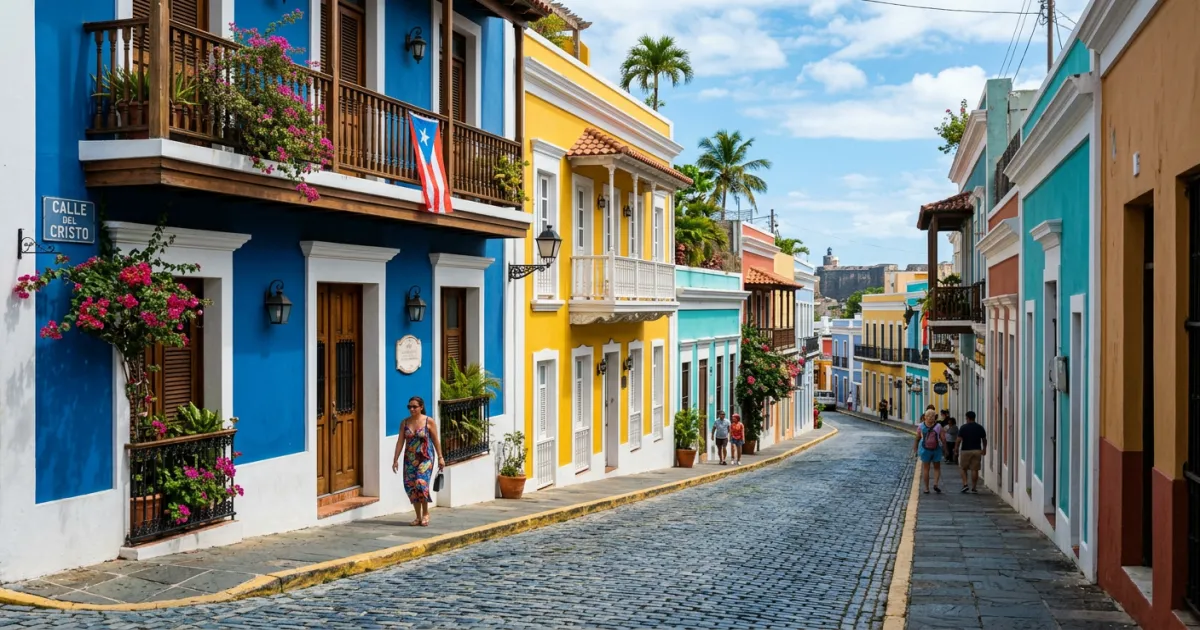
Puerto Rico is one of the easiest Caribbean destinations for US travelers to visit. As a US territory, you do not need a passport, you pay with US dollars, and your cell phone plan works just like it does on the mainland. But beyond the convenience, Puerto Rico offers a depth of culture, nature, and history that rivals any international destination. From the 500-year-old cobblestone streets of Old San Juan to the only tropical rainforest in the US National Forest System, this island packs a remarkable amount into a relatively small space.
This guide covers everything you need to plan a trip to Puerto Rico in 2026, including the best time to visit, how much to budget, where to stay, what to see, and a complete 7-day sample itinerary. If you are in the early stages of planning a trip, this will walk you through everything specific to Puerto Rico.
Quick Facts About Puerto Rico
- Status: US territory (no passport required for US citizens, just a valid photo ID)
- Currency: US Dollar (USD)
- Languages: Spanish and English (Spanish is dominant outside tourist areas)
- Time Zone: Atlantic Standard Time (AST, UTC-4). Puerto Rico does not observe daylight saving time.
- Capital: San Juan
- Size: Roughly 100 miles long and 35 miles wide
- Driving: Right-hand side, US driver’s license valid
- Tipping: Same as mainland US (15-20% at restaurants, $1-2 per drink at bars)
Best Time to Visit Puerto Rico
Puerto Rico has warm weather year-round, with average temperatures between 75 and 85 degrees Fahrenheit. The island has two main seasons that affect your trip planning:
Dry Season (December through April): This is peak tourist season. Expect sunny skies, lower humidity, and the best conditions for beaches and outdoor activities. Hotel prices are at their highest, and popular spots like Old San Juan and Flamenco Beach will be busier. Book accommodations well in advance for this window.
Wet Season (May through November): The wet season brings afternoon rain showers that typically last 30 minutes to an hour before clearing up. June through November is officially hurricane season, with September and October carrying the highest risk. However, visiting during the wet season has real advantages: hotel rates drop significantly, crowds thin out, and the landscape is lush and green. Many travelers visit during the shoulder months of May, June, and early November without any issues.
For the best balance of weather and value, consider visiting in late November or early December, just as the dry season begins but before peak holiday pricing kicks in.
How Long to Spend in Puerto Rico
A 5 to 7 day trip is ideal for a first visit. This gives you enough time to explore Old San Juan, spend a day in El Yunque National Forest, visit at least one bioluminescent bay, and enjoy a few beach days. If you plan to visit the offshore islands of Vieques or Culebra, add at least 2 extra days since getting there requires a ferry or short flight and each island deserves a full day at minimum.
A long weekend of 3 to 4 days works if you want to focus on San Juan and one or two day trips, but you will feel rushed trying to see the whole island in that timeframe.
Puerto Rico Trip Budget
Puerto Rico is generally more affordable than other Caribbean islands, though San Juan tourist areas carry mainland US prices. Here is a rough daily budget breakdown per person:
- Budget ($75-100/day): Guesthouses or hostels, local restaurants and food trucks, public transportation or shared rides, free beaches and hiking.
- Mid-range ($150-250/day): Boutique hotels or vacation rentals, mix of local and upscale restaurants, rental car, guided tours and activities.
- Luxury ($350+/day): Resort hotels in Condado or Dorado, fine dining, private tours, spa experiences.
Groceries and local restaurants outside tourist zones are noticeably cheaper. A plate of rice, beans, and roasted pork at a roadside spot might cost $8-12, while the same meal at a tourist restaurant in Condado could run $25-35. Use a travel budget template to track your spending categories before you go.
Getting There and Getting Around
Flights
Luis Munoz Marin International Airport (SJU) in San Juan is the main gateway. Since Puerto Rico is a US territory, flights from the mainland are domestic. There is no customs or immigration process. You board the plane and land just like flying between any two US cities. If you have a layover in San Juan, the airport is about 10 minutes from the Isla Verde beach area.
Direct flights are available from most major US cities. Flight times range from about 2.5 hours from Miami to 4-5 hours from New York or Chicago. Budget carriers like Spirit, Frontier, and JetBlue often offer competitive fares.
Getting Around the Island
Rental car (recommended): A rental car gives you the most flexibility, especially if you plan to explore outside San Juan. Roads are generally well-maintained, though mountain roads can be narrow and winding. GPS is essential since road signage can be inconsistent. Gas stations are plentiful and fuel prices are comparable to the mainland US.
Publicos: These shared vans and minibuses connect towns across the island at very low cost. They do not run on fixed schedules and can take much longer than driving, but they are a budget-friendly option for getting between major towns.
Ride-sharing: Uber operates in the San Juan metro area and is reliable for getting around the city and to/from the airport. Coverage outside San Juan is limited.
Within Old San Juan: The historic district is very walkable. A free trolley system (the “Trolley del Viejo San Juan”) also loops through the area.
Where to Stay in Puerto Rico
Your base matters in Puerto Rico. Each area has a different feel:
Old San Juan: The historic walled city. Stay here for cobblestone streets, colorful colonial architecture, restaurants, nightlife, and easy walking access to the major forts. Best for first-time visitors who want to soak in Puerto Rican culture and history.
Condado and Isla Verde: The beachfront hotel zone east of Old San Juan. Condado has a more upscale, Miami-like vibe with resorts, high-end restaurants, and a nice beach strip. Isla Verde is slightly more laid-back and closer to the airport. Best for travelers who want beach time combined with city access.
Rincon: On the west coast of the island, Rincon is Puerto Rico’s surf capital. The town has a relaxed, bohemian atmosphere with great sunsets (it faces west). Best for surfers, yoga enthusiasts, and anyone who prefers a quieter, less touristy base.
Vieques: A small island off the southeast coast, accessible by ferry from Ceiba or by small plane. Vieques is home to Mosquito Bay, widely considered the brightest bioluminescent bay in the world. The island has a slower pace, wild horses roaming freely, and relatively undeveloped beaches. Best for travelers who want a true escape.
Culebra: An even smaller island east of Vieques, famous for Flamenco Beach. Very limited development and few hotels. Best as a day trip or for travelers comfortable with basic accommodations who want pristine beaches.

Must-See Attractions and Experiences
Old San Juan
The historic district is a UNESCO-designated area with over 400 restored 16th and 17th century Spanish colonial buildings. The blue cobblestone streets (made from iron furnace slag brought as ballast on Spanish ships) wind past colorful facades, plazas, and churches. Two massive fortifications anchor the district:
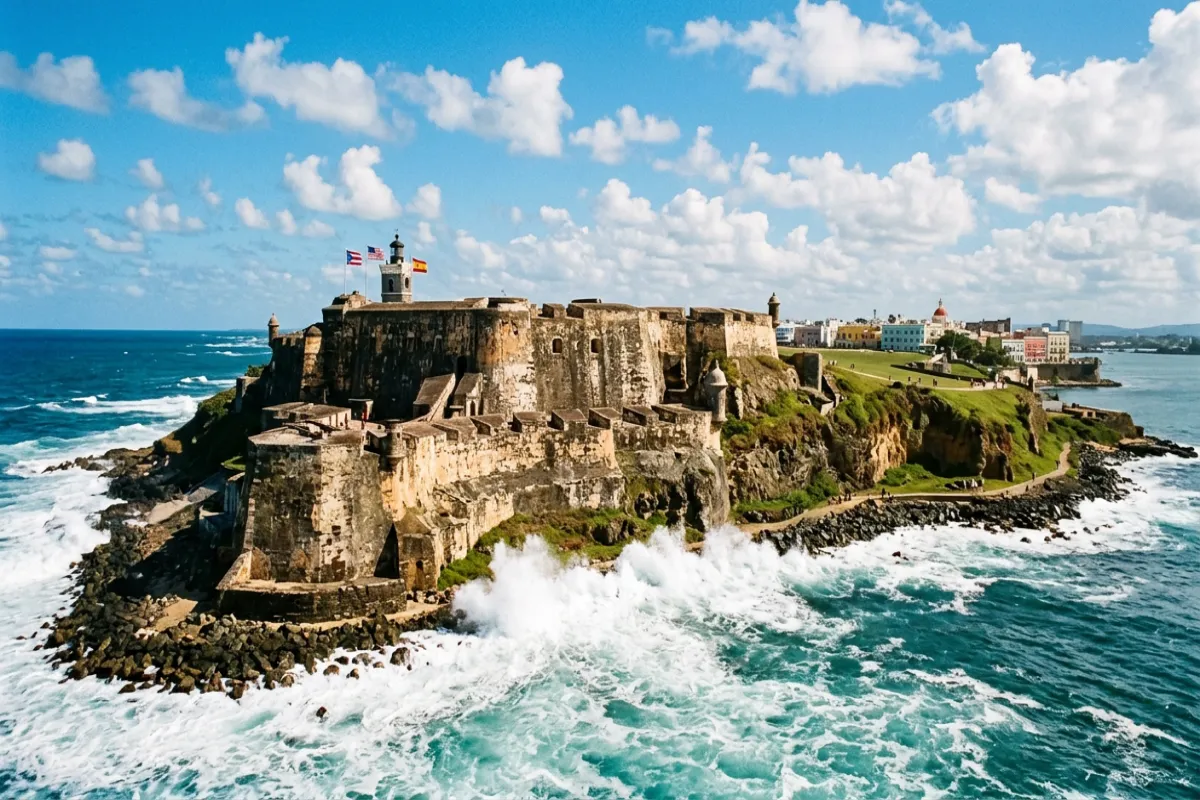
- Castillo San Felipe del Morro (El Morro): A six-level fortress built between 1539 and 1790 to guard San Juan Bay. The sprawling green lawn in front is a favorite spot for flying kites.
- Castillo San Cristobal: The largest fortification built by the Spanish in the Americas. Completed in 1783, it covers 27 acres and features tunnels, dungeons, and panoramic views of the Atlantic.
Both forts are part of San Juan National Historic Site and managed by the National Park Service. Admission covers both forts and is valid for the same day.
El Yunque National Forest
El Yunque is the only tropical rainforest in the US National Forest System. Located about 45 minutes east of San Juan, it receives over 200 inches of rain per year at its highest elevations. Popular trails include La Mina Trail (a paved 1.2-mile path to a waterfall) and the Yokahu Tower observation point with views across the forest to the coast. A recreation permit is required and should be reserved in advance through Recreation.gov, especially during peak season.
Bioluminescent Bays
Puerto Rico has three bioluminescent bays, among the brightest in the world. Microscopic organisms called dinoflagellates glow blue-green when the water is disturbed, creating a surreal effect at night.
- Mosquito Bay (Vieques): The brightest bio bay on Earth according to the Guinness Book of World Records. Tours operate by kayak or electric boat. Book well in advance.
- Laguna Grande (Fajardo): The most accessible from San Juan, about an hour’s drive east. Kayak tours depart in the evening.
- La Parguera (Lajas): On the southwest coast, the least bright of the three but still worth visiting if you are in the area.
Visit during a new moon or when the moon is below the horizon for the most vivid experience. Avoid wearing sunscreen or insect repellent in the water, as chemicals harm the organisms.
Flamenco Beach, Culebra
Consistently ranked among the best beaches in the world, Flamenco Beach is a horseshoe-shaped stretch of white sand with calm, clear turquoise water. Getting there requires a ferry from Ceiba (about 45 minutes) or a short puddle-jumper flight. The beach has basic facilities including restrooms, showers, and food vendors. An old rusted military tank on the sand from when the US Navy used the area for target practice has become an iconic photo spot.
Surfing in Rincon
The west coast town of Rincon is one of the Caribbean’s premier surf destinations. The winter months (November through March) bring the biggest swells, with waves that can reach 15 to 25 feet at spots like Tres Palmas. Beginners can find gentler waves at Sandy Beach and Maria’s Beach. Several surf schools offer lessons for all levels.
Camuy River Cave Park (Parque de las Cavernas del Rio Camuy)
The third-largest cave system in the Western Hemisphere, carved by the Camuy River over millions of years. Guided trolley and walking tours take you through massive caverns and sinkholes. The park is located on the northwest side of the island, about 2 hours from San Juan.
Coffee Country (Central Mountains)
Puerto Rico’s central mountain region produces some of the best coffee in the Caribbean. The town of Adjuntas, Jayuya, and the Hacienda San Pedro near Jayuya offer tours where you can see coffee being grown, harvested, and roasted. The mountain towns also provide cooler temperatures and a glimpse into rural Puerto Rican life far removed from the coastal tourist zones.
Puerto Rican Food and Drink
Puerto Rican cuisine is a fusion of Spanish, African, and Taino influences. Here are the dishes and experiences you should not miss:
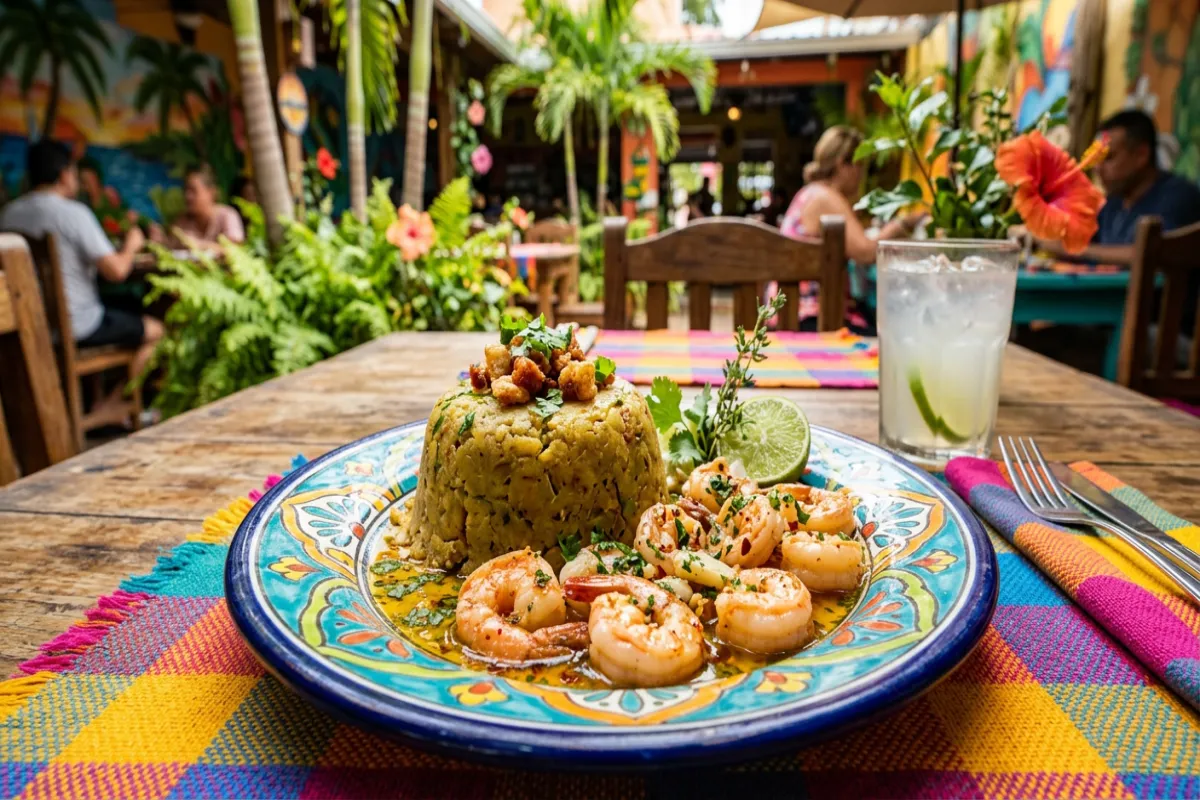
Mofongo: The island’s signature dish. Fried green plantains mashed with garlic, olive oil, and chicharron (pork cracklings), typically served in a pilon (wooden mortar) and topped with a protein and broth. You will find it everywhere from street stalls to fine dining.
Lechon: Whole roasted pig, slow-cooked over a wood fire for hours. The Ruta del Lechon (Pork Highway) in the mountain town of Guavate is a string of open-air restaurants specializing in this dish. It is busiest on weekends and is a favorite weekend outing for locals.
Piraguas: Shaved ice cones drizzled with tropical fruit syrups like tamarind, coconut, and passion fruit. Street vendors sell them island-wide, especially at beaches and plazas.
Bacardi Distillery (Casa Bacardi): Located in Catano, just across San Juan Bay, this is the largest premium rum distillery in the world. Tours include tastings and a look at the production process. A public ferry from Old San Juan gets you there cheaply.
Chinchorreo: This is the Puerto Rican tradition of bar hopping, but with a twist. Instead of city bars, chinchorreo involves driving to roadside open-air bars and food shacks (called chinchorros) in rural areas. It is a weekend activity for locals and one of the most authentic cultural experiences on the island. Popular chinchorreo routes include those in Loiza, Pinones, and along the southern coast.
Local vs. tourist restaurants: Seek out fondas (small family-run restaurants) and kiosks along the road for the most authentic and affordable food. The Pinones boardwalk area east of San Juan has a row of food kiosks serving fried snacks like alcapurrias (meat-filled fritters) and bacalaitos (codfish fritters) for a few dollars each.
Practical Tips for Puerto Rico
- ID requirements: US citizens do not need a passport but should bring a valid government-issued photo ID (driver’s license or state ID). Non-US citizens should check visa requirements as they would for entering any part of the United States.
- Driving: Puerto Rican driving can be intense, especially in San Juan. Expect aggressive lane changes, creative use of shoulders, and motorcycles weaving through traffic. Road conditions outside the metro area vary. Take it slow on mountain roads, which often have sharp turns and limited guardrails. Speed limits are posted in miles per hour.
- Cell phone service: Major US carriers (AT&T, T-Mobile, Verizon) treat Puerto Rico as domestic, so your normal plan applies. Coverage is good in metro areas and along main highways but can be spotty in the mountains and on Vieques/Culebra.
- Stray animals: Puerto Rico has a large population of stray cats and dogs, particularly in beach and urban areas. Satos (street dogs) are generally friendly but avoid feeding or approaching unfamiliar animals.
- Beach safety: Some beaches, particularly on the north coast, have strong currents and undertows. Pay attention to warning flags and posted signs. Beaches on the south and west coasts tend to have calmer waters.
- Hurricane preparedness: If traveling during hurricane season (June through November), monitor weather forecasts and purchase travel insurance that covers weather-related cancellations.
- Power grid: Puerto Rico’s electrical grid has been under repair and upgrade since Hurricane Maria in 2017. Brief power outages can occur, especially during storms. Most hotels and vacation rentals in tourist areas have backup generators.
- Water: Tap water in Puerto Rico is treated and meets EPA standards. It is safe to drink in urban areas, though some travelers prefer bottled water for taste.
Sample 7-Day Puerto Rico Itinerary
Use this itinerary as a starting framework. You can customize it with Yopki’s AI travel planner to match your interests and travel style.
Day 1: Arrive and Explore Old San Juan
Fly into SJU, pick up your rental car, and check into your hotel in Old San Juan. Spend the afternoon wandering the cobblestone streets, snapping photos of the colorful buildings along Calle Fortaleza and Calle San Sebastian. Have dinner at a local restaurant and walk along the Paseo de la Princesa waterfront promenade as the sun sets.
Day 2: Forts and History
Start your morning at El Morro, exploring the six levels of the fortress and the sweeping views of the Atlantic. Walk along the city walls to Castillo San Cristobal. In the afternoon, visit the Cathedral of San Juan Bautista (one of the oldest churches in the Americas) and browse the shops and galleries in the historic district. End the day with mofongo at a fonda in Old San Juan.
Day 3: El Yunque National Forest
Drive 45 minutes east to El Yunque. Hike La Mina Trail to the waterfall and climb the Yokahu Tower for panoramic views. Spend 4 to 5 hours in the forest. On your way back, stop at the Pinones boardwalk for alcapurrias and cold drinks at the food kiosks.
Day 4: Bioluminescent Bay
Spend the day at a beach in Luquillo (a calm, family-friendly beach with food kiosks nearby) or explore the town of Fajardo. In the evening, take a kayak tour of Laguna Grande in Fajardo to experience the bioluminescence. Tours typically depart around 7:30 to 8:00 PM and last about 90 minutes.
Day 5: West Coast and Rincon
Drive across the island to the west coast (approximately 2.5 hours). Stop in the coffee-growing mountains for a hacienda tour if interested. Arrive in Rincon in time for an afternoon surf lesson or snorkeling at Steps Beach. Watch the sunset over the Mona Passage from one of Rincon’s beachfront restaurants.
Day 6: Rincon or Culebra Day Trip
Option A: Spend another day in Rincon enjoying beaches, snorkeling at Tres Palmas Marine Reserve, or exploring the Rincon Lighthouse and surrounding trails. Option B: Take an early ferry or flight from Ceiba to Culebra for a day at Flamenco Beach (plan for a full day, ferries are limited). On your way back east, stop in Guavate for lechon on the Ruta del Lechon.
Day 7: Final Day and Departure
Spend your last morning in Condado or Isla Verde with breakfast at a local bakery. Pick up souvenirs (local coffee, hot sauce, rum) and take a final walk on the beach. Head to SJU for your flight home.
For a printable version of this type of schedule, grab a vacation itinerary template to organize your days before you go.
Planning Tools
Getting organized before your trip saves time and reduces stress on the ground. Here are some resources to help:
- How to plan a trip (step-by-step planning framework)
- AI travel planner (build a custom Puerto Rico itinerary)
- Vacation itinerary template
- Travel budget template
If Puerto Rico inspires you to explore other island destinations, check out our guide on how to plan a trip to Hawaii for another US territory-style trip that does not require a passport.
Frequently Asked Questions
Do I need a passport to visit Puerto Rico?
No. US citizens do not need a passport since Puerto Rico is a US territory. You just need a valid government-issued photo ID such as a driver’s license. Non-US citizens should check their visa status as they would for any US entry.
Is Puerto Rico safe for tourists?
Puerto Rico is generally safe for tourists, especially in the main tourist areas of Old San Juan, Condado, Isla Verde, and resort areas. Use the same common-sense precautions you would in any US city: avoid walking alone late at night in unfamiliar neighborhoods, keep valuables out of sight, and lock your rental car.
What is the best way to get around Puerto Rico?
A rental car is the best option for exploring beyond San Juan. Within the San Juan metro area, Uber and taxis work well. Old San Juan itself is best explored on foot.
Can I use my US cell phone plan in Puerto Rico?
Yes. Major US carriers treat Puerto Rico as a domestic destination. Calls, texts, and data work under your normal plan with no roaming charges.
How much does a trip to Puerto Rico cost?
A budget trip can be done for around $75-100 per person per day (excluding flights), while a mid-range trip runs $150-250 per day. Flights from the mainland US typically range from $150 to $400 round trip depending on your departure city and how far in advance you book.
Is it worth visiting Puerto Rico during hurricane season?
Many travelers visit during the early and late months of hurricane season (June and November) without issues. Prices are significantly lower and crowds are smaller. Just monitor weather forecasts, purchase travel insurance, and have flexible plans in case a storm approaches.