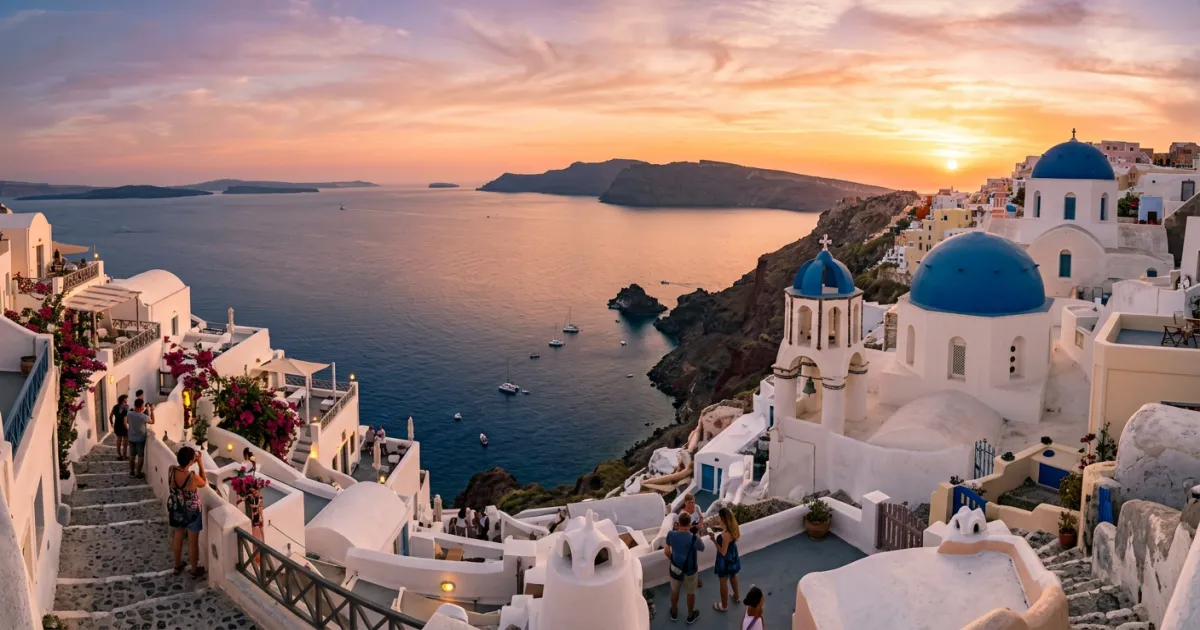
Santorini is one of the most photographed islands in the world, and for good reason. The white-washed buildings, blue-domed churches, and dramatic caldera views make it a bucket-list destination for travelers everywhere. But planning a trip here takes some thought. Santorini is one of Greece’s most expensive islands, and without a plan, you can end up overspending or missing the best experiences.
This guide covers everything you need to know to plan your 2026 Santorini trip, from the best time to visit and where to stay to daily costs, must-see spots, and a sample 4-day itinerary. If you are new to trip planning, start with our complete trip planning guide for a step-by-step framework you can apply to any destination.
Quick Facts About Santorini
- Country: Greece (part of the Cyclades islands in the Aegean Sea)
- Currency: Euro (EUR)
- Language: Greek (English widely spoken in tourist areas)
- Visa: No visa needed for US, UK, Canadian, and Australian citizens for stays up to 90 days (Schengen Area)
- Time Zone: Eastern European Time (EET), UTC+2 (UTC+3 in summer)
- Tap Water: Not recommended for drinking. Stick to bottled water.
- Power: Type C and F plugs, 230V (bring an adapter if traveling from North America)
Best Time to Visit Santorini
The best time to visit Santorini is during the shoulder seasons: May to June and September to October. You get warm weather, manageable crowds, and prices that are 30 to 40 percent lower than peak summer rates.
July and August are the hottest and most crowded months. Temperatures regularly hit 35C (95F), cruise ships pack the ports daily, and hotel prices peak. If you visit during these months, book everything well in advance and expect to pay top prices.
April and early May offer pleasant temperatures around 20 to 25C (68 to 77F), though some businesses may still be opening for the season. Late October and November are the tail end of the tourist season, with cooler evenings and fewer options, but very good deals on accommodation.
Winter (November through March) sees many hotels and restaurants closed, but prices drop 40 to 70 percent for those that remain open. The weather is mild by European standards but rainy, and ferry service is reduced.
September is often considered the single best month to visit. The summer heat has eased, the sea is still warm for swimming, and the light is perfect for photography.
How Long to Spend in Santorini
3 to 5 days is the sweet spot for most visitors. Three days lets you see the main caldera villages, visit a beach, and take a sunset cruise. Four to five days gives you time to add a volcano boat tour, wine tasting, the Fira to Oia hike, and a day to simply relax.
If you are combining Santorini with other Greek islands like Mykonos, Naxos, or Crete, three full days on Santorini is enough to hit the highlights without feeling rushed.
Santorini Budget: What to Expect in 2026
Santorini is one of Greece’s most expensive islands, particularly for accommodation. The caldera-side villages (Oia, Fira, Imerovigli) charge a significant premium for those iconic views. Here is what to expect:
Daily Budget Per Person (2026 Estimates)
- Budget: EUR 65 to 77 (about $77 to $91 USD) per day. Stay in hostels or budget rooms in Kamari/Perissa, eat gyros and street food, use public buses.
- Mid-Range: EUR 350 to 412 (about $412 to $486 USD) per day. Boutique hotel with caldera views, sit-down taverna meals, organized tours.
- Luxury: EUR 1,400+ (about $1,650+ USD) per day. Five-star suites in Oia, private tours, fine dining with caldera views.
Key Costs
- Hotels: Budget rooms from EUR 45 to 100 per night in beach towns. Caldera-view rooms start around EUR 200 to 350 in shoulder season and can exceed EUR 500 to 1,000+ per night in Oia during peak summer.
- Food: Gyros/souvlaki wraps cost about EUR 5 to 6. Taverna meals run EUR 15 to 25 for a main course. A full dinner with wine at a caldera-view restaurant costs EUR 40 to 110 per person.
- Transport: KTEL bus tickets cost EUR 1.60 to 2.40 per ride. Taxis between Fira and Oia cost about EUR 35. Car rentals start around EUR 15 to 30 per day.
- Activities: Volcano boat tours EUR 30 to 50, wine tasting EUR 20 to 40, catamaran sunset cruise EUR 100 to 180.
Use our travel budget template to map out your expected costs before you go.
Getting to Santorini
By Air
Santorini (Thira) Airport (JTR) has direct flights from Athens (about 45 minutes), Thessaloniki, and seasonal routes from major European cities including London, Paris, Rome, and Frankfurt. From Athens, flights are frequent and affordable if booked early, typically EUR 50 to 120 one way with airlines like Aegean, Olympic Air, or Ryanair.
By Ferry
Ferries from Athens (Piraeus port) take 5 to 8 hours depending on the type. High-speed ferries take about 5 hours and cost EUR 60 to 80. Standard ferries take 7 to 8 hours and cost EUR 35 to 45. Ferries also connect Santorini to Mykonos (2 to 3 hours), Crete (2 hours), Naxos (1.5 to 2 hours), and other Cycladic islands.
Book ferries through FerryHopper or directly with Blue Star Ferries or SeaJets. In peak season, book at least a few weeks ahead as popular routes sell out.
Where to Stay in Santorini
Where you stay shapes your entire Santorini experience. The island divides into two distinct zones: the caldera-facing west side (dramatic views, higher prices) and the beach-facing east side (relaxed vibes, better value).
Oia
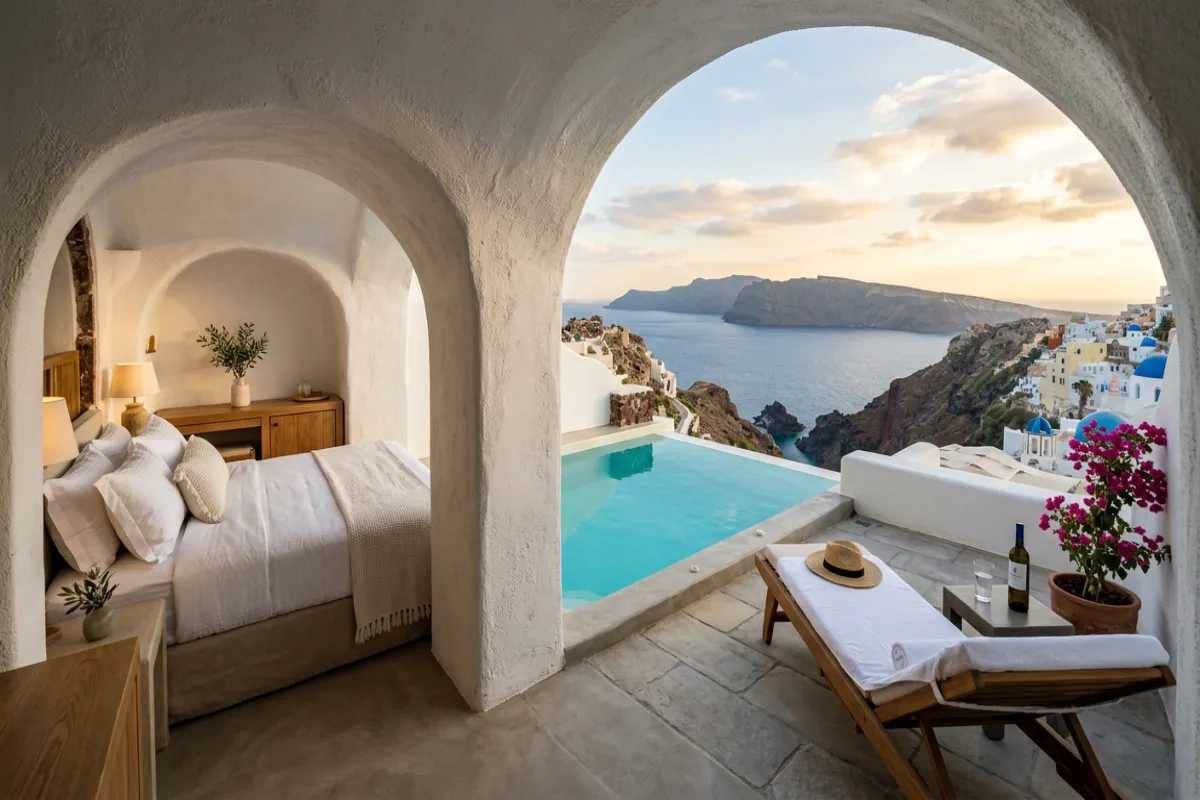
The most famous village on the island, known for its sunset views, luxury cave hotels, and blue-domed churches. Oia is the most expensive place to stay on Santorini. It is stunning but crowded, especially around sunset. Best for couples and photographers who want the classic Santorini experience and are willing to pay for it.
Fira
The island’s capital and transport hub. Fira has the best nightlife, the widest range of restaurants, and the main bus station that connects to everywhere else on the island. Caldera views here cost less than in Oia. Fira is the best base for first-time visitors because you can easily reach all other parts of the island by bus without renting a vehicle.
Imerovigli
Sitting at the highest point of the caldera between Fira and Oia, Imerovigli offers quieter caldera views with fewer crowds. It is walkable to Fira (about 20 minutes on foot) and has excellent boutique hotels. A great choice for travelers who want caldera views without the Oia price tag or the Fira noise.
Kamari and Perissa (Beach Towns)
These two villages sit on opposite sides of Mesa Vouno mountain on the east coast. They offer long black-sand beaches, beachfront tavernas, and significantly lower prices. Budget rooms start around EUR 45 to 80 per night. Both have good bus connections to Fira (about 15 to 20 minutes). Best for budget travelers, families, and beach lovers.
The price difference between caldera and non-caldera accommodation is dramatic. A basic room in Kamari might cost EUR 60 per night, while a comparable room with a caldera view in Oia could cost EUR 300 or more for the same dates.
Must-See Spots and Activities
Oia Sunset
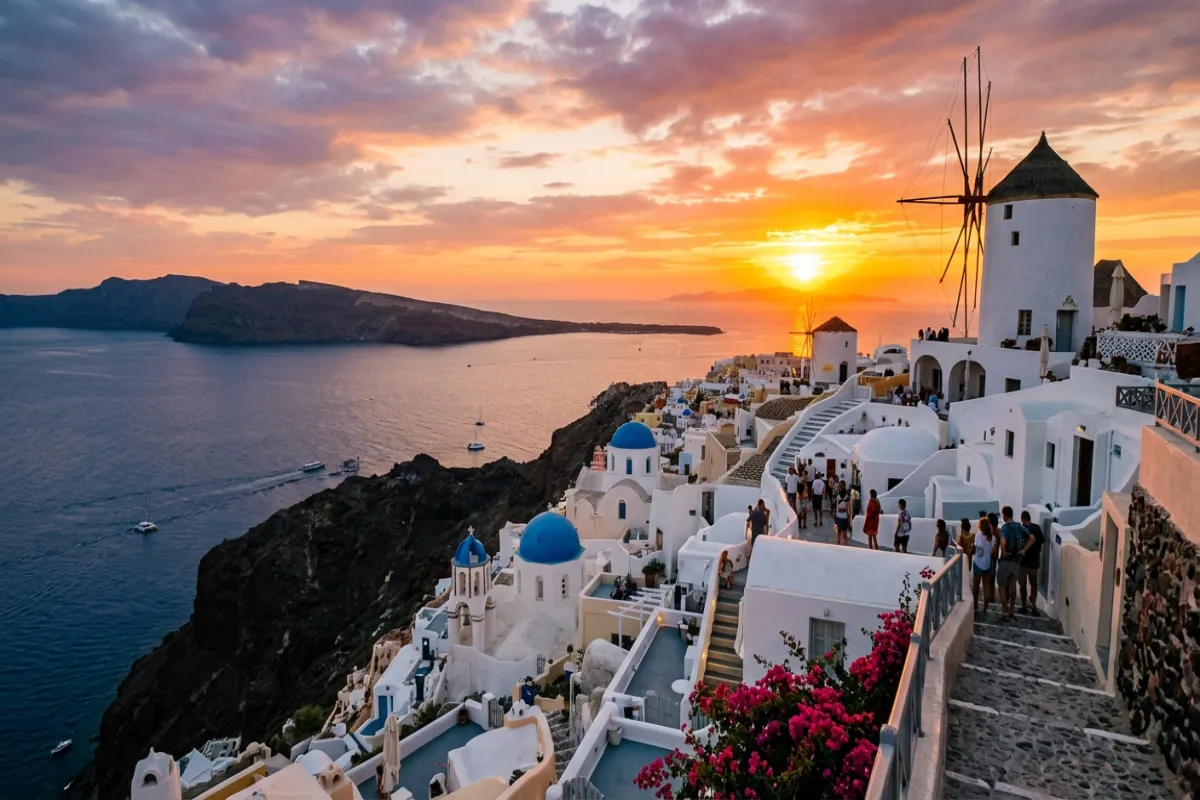
Watching the sunset from Oia is the most iconic Santorini experience. The old castle ruins fill up hours before sunset in peak season. For a less crowded alternative, watch from a restaurant terrace or from the path between Oia and Imerovigli. Book sunset dinner reservations weeks in advance during summer.
Caldera Views and Village Walks
Walking the caldera rim through Fira, Firostefani, and Imerovigli is free and unforgettable. The views over the volcanic crater and the Aegean Sea are what make Santorini unique among Greek islands.
Fira to Oia Hike
This 10-kilometer (6.2-mile) trail along the caldera rim takes 3 to 5 hours and passes through Firostefani, Imerovigli, and several scenic viewpoints before reaching Oia. Start early in the morning to avoid the midday heat, bring water, and wear sturdy shoes. It is the single best free activity on the island.
Akrotiri Archaeological Site
Often called the “Pompeii of the Aegean,” Akrotiri is a Minoan Bronze Age settlement preserved under volcanic ash from an eruption around 1600 BC. The covered site displays multi-story buildings, pottery, and frescoes. Entry costs about EUR 12. It is one of the most important archaeological sites in the Eastern Mediterranean.
Red Beach
Located near Akrotiri, this dramatic beach sits beneath towering red volcanic cliffs. It is small and gets very crowded, but the scenery is striking. Access is a short but rocky walk from the parking area. Combine it with a visit to Akrotiri since they are just minutes apart.
Black Sand Beaches: Perissa and Kamari
These long stretches of dark volcanic sand are the best beaches for swimming and relaxing. Both have sunbed rentals, beachfront restaurants, and clear water. Perissa tends to be slightly less crowded and more popular with younger travelers.
Volcano Boat Tour
Boat tours take you to Nea Kameni, the active volcanic island in the center of the caldera. You can hike to the crater rim and see steam vents. Most tours also include a stop at the hot springs near Palea Kameni, where you swim in warm sulfuric water. Tours run EUR 30 to 50 per person and depart from Fira’s old port or Athinios.
Wine Tasting
Santorini produces exceptional wine, especially Assyrtiko, a crisp white grape variety unique to the island. The volcanic soil and intense sun create distinctive flavors you will not find elsewhere. Top wineries include Santo Wines (caldera views), Venetsanos Winery, and Estate Argyros. Tastings typically cost EUR 20 to 40 per person for 4 to 6 wines.
Ammoudi Bay
This tiny fishing port sits at the base of the cliffs below Oia, reached by 300 steps down from the village. The waterfront tavernas here serve some of the freshest seafood on the island. Try the grilled octopus. Go for a late lunch to avoid the dinner rush.
Santorini Food You Need to Try
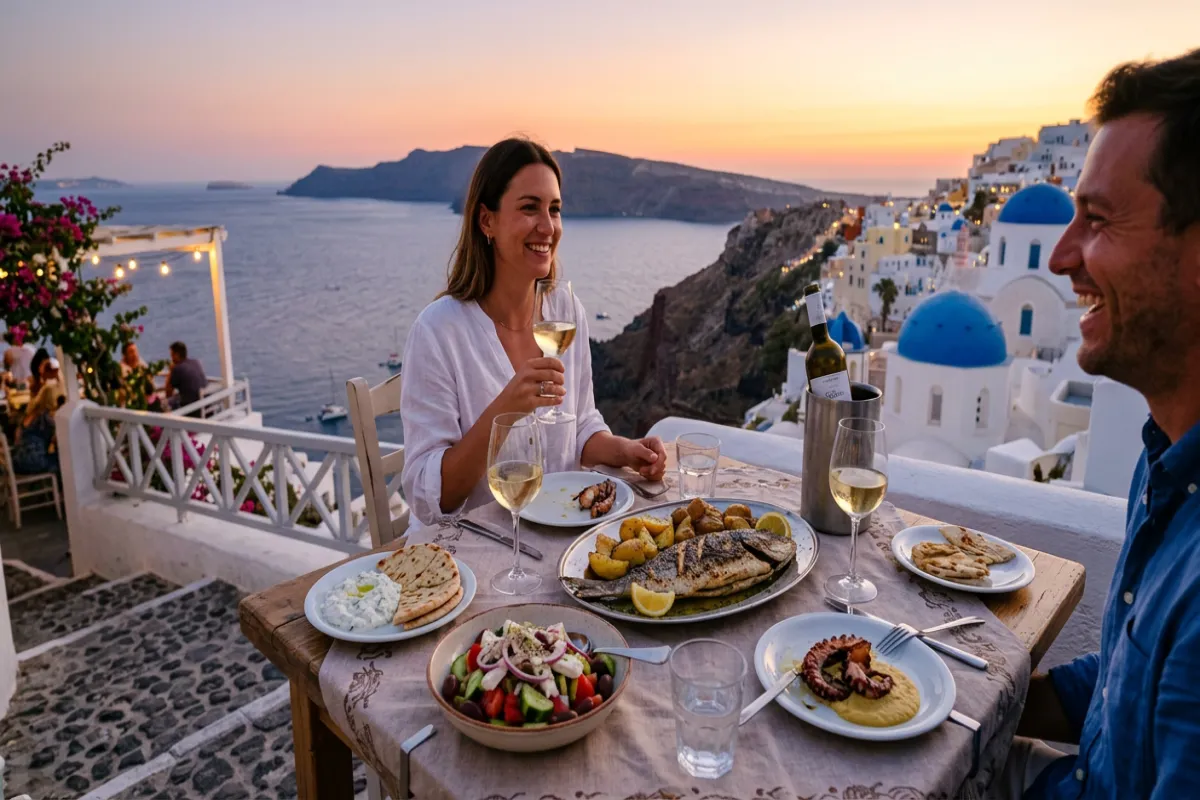
Santorini’s volcanic soil gives local produce a distinctive flavor. Do not leave without trying these dishes:
- Fava: A creamy yellow split pea puree made from locally grown fava beans, typically drizzled with olive oil and lemon. It is the island’s signature dish.
- Tomatokeftedes: Deep-fried tomato fritters made with sweet Santorini cherry tomatoes, herbs, and onion. You will find these on nearly every menu.
- Fresh Seafood: Grilled octopus, fried calamari, and catch-of-the-day fish are staples at tavernas across the island.
- Assyrtiko Wine: The island’s star grape produces a dry, mineral-driven white wine that pairs perfectly with seafood. Try it at any winery or taverna.
- Local Salad: Santorini’s cherry tomatoes and capers are prized throughout Greece. Order a traditional Greek salad made with local ingredients.
For budget meals, head to the gyros shops in Fira. Lucky’s Souvlakis and similar spots serve filling wraps for about EUR 5 to 6. For a splurge, book a caldera-view dinner in Oia or Fira, but reserve ahead since the best tables go quickly.
Practical Tips for Santorini
Getting Around
If you are staying in Fira, Oia, or Imerovigli, you do not need a car. These villages are walkable, and the KTEL bus system connects the main towns and beaches reliably. Buses run every 20 to 30 minutes in peak season from the central Fira station.
ATV and quad bike rentals are popular but come with real risks. Santorini’s roads are narrow, steep, and busy with tourist traffic. Accidents involving ATVs are common, and many travel insurance policies do not cover ATV injuries. If you do rent one, wear a helmet and drive cautiously.
Car rental makes sense if you want to explore the full island at your own pace, especially the less-visited south side. Rentals start around EUR 15 to 30 per day. Parking can be tight in Oia and Fira.
Avoiding Cruise Ship Crowds
Santorini is one of the most popular cruise ship stops in the Mediterranean. When ships are in port (typically 10am to 4pm), Oia and Fira flood with day-trippers. Plan your visits to these villages for early morning or late afternoon to avoid the worst of it. You can check cruise ship schedules for Santorini online to see which days will be busiest.
Booking Tips
- Book Oia sunset restaurant tables at least 2 to 3 weeks in advance during summer
- Reserve caldera-view hotels 3 to 6 months ahead for July and August
- Ferry tickets sell out on popular routes in peak season. Book at least a week ahead.
- Shoulder season (May, June, September, October) offers the best balance of weather, crowds, and prices
Safety and Health
- Santorini is very safe for tourists. Petty theft is rare but use common sense with valuables.
- The sun is intense from June through September. Bring strong sunscreen, a hat, and stay hydrated.
- Wear sturdy shoes. The cobblestone paths and caldera steps can be slippery, especially after rain.
- A Climate Crisis Resilience Fee applies during high season (April to October), ranging from EUR 2 to 15 per room per night depending on hotel star rating.
Sample 4-Day Santorini Itinerary
Day 1: Arrive and Explore Fira
Arrive by ferry or flight and settle into your hotel. Spend the afternoon walking along the caldera path in Fira and Firostefani. Browse the shops, grab a coffee with caldera views, and get your bearings. Have dinner at a taverna in Fira and watch the sunset from the caldera edge.
Day 2: Oia, Ammoudi Bay, and Sunset
Take the morning bus to Oia (20 minutes from Fira). Explore the village’s narrow lanes, visit the blue-domed churches, and walk down the 300 steps to Ammoudi Bay for a seafood lunch. Head back up and find your sunset viewing spot early. After sunset, take the bus back or grab a taxi.
Day 3: Akrotiri, Red Beach, and Wine
Morning bus to Akrotiri to explore the archaeological site (allow 1 to 2 hours). Walk to nearby Red Beach for photos and a quick swim. In the afternoon, visit a winery for an Assyrtiko tasting. Santo Wines and Venetsanos both offer tastings with caldera views. End the day with dinner in Fira.
Day 4: Beach Day, Volcano Tour, or Hike
Choose your adventure: take the bus to Perissa or Kamari for a relaxing black-sand beach day, join a volcano and hot springs boat tour (half day), or hike the Fira to Oia trail (start early). Spend your final evening at a caldera-view restaurant for a farewell dinner.
Want to build a more detailed day-by-day plan? Use our vacation itinerary template to organize your schedule.
Planning Tools
Getting your Santorini trip organized is easier with the right tools:
- Yopki AI Travel Planner: Get a personalized Santorini itinerary based on your dates, interests, and budget. The AI builds a day-by-day plan you can customize.
- Travel Budget Template: Map out your accommodation, food, transport, and activity costs before you book anything.
- Vacation Itinerary Template: Organize your daily schedule with times, locations, and booking confirmations.
- How to Plan a Trip to Greece: Our country-level guide covers visas, island-hopping logistics, mainland highlights, and Greece-wide travel tips.
- How to Plan a Trip to Europe: If Santorini is part of a larger European trip, this guide helps you plan multi-country itineraries.
Frequently Asked Questions
Is Santorini worth the cost?
Yes, but go with realistic expectations. Santorini is expensive compared to other Greek islands. The caldera views, sunsets, and volcanic landscape are genuinely unique. To get the most value, visit in shoulder season and stay in a beach town like Kamari or Perissa while day-tripping to the caldera villages.
Is 3 days enough for Santorini?
Three full days is enough to see the main highlights: the caldera villages, a beach, the sunset, and one or two activities. Four to five days gives you a more relaxed pace and time for wine tasting, the Fira to Oia hike, and a volcano tour.
Do I need a car in Santorini?
Not if you are staying in Fira, Oia, or Imerovigli. The bus system is reliable and affordable. A car is useful if you want to explore the quieter south side of the island or if you are staying in a remote area.
When should I book my Santorini trip?
For peak season (July and August), book hotels 3 to 6 months in advance and flights/ferries at least a month ahead. For shoulder season, 1 to 2 months ahead is usually sufficient, though popular caldera-view hotels still fill up early.
Is Santorini good for families?
Santorini works for families but is better suited to couples and adult travelers. The steep steps and cliffside paths can be challenging with small children. Kamari and Perissa are the most family-friendly bases, with flat beach areas and shallow water for kids.
Can I island-hop from Santorini?
Absolutely. Santorini has ferry connections to most Cycladic islands. Popular combinations include Santorini plus Mykonos (2 to 3 hours by fast ferry), Santorini plus Naxos (1.5 to 2 hours), or Santorini plus Crete (2 hours by fast ferry). Book ferry tickets through FerryHopper for the best schedule overview.