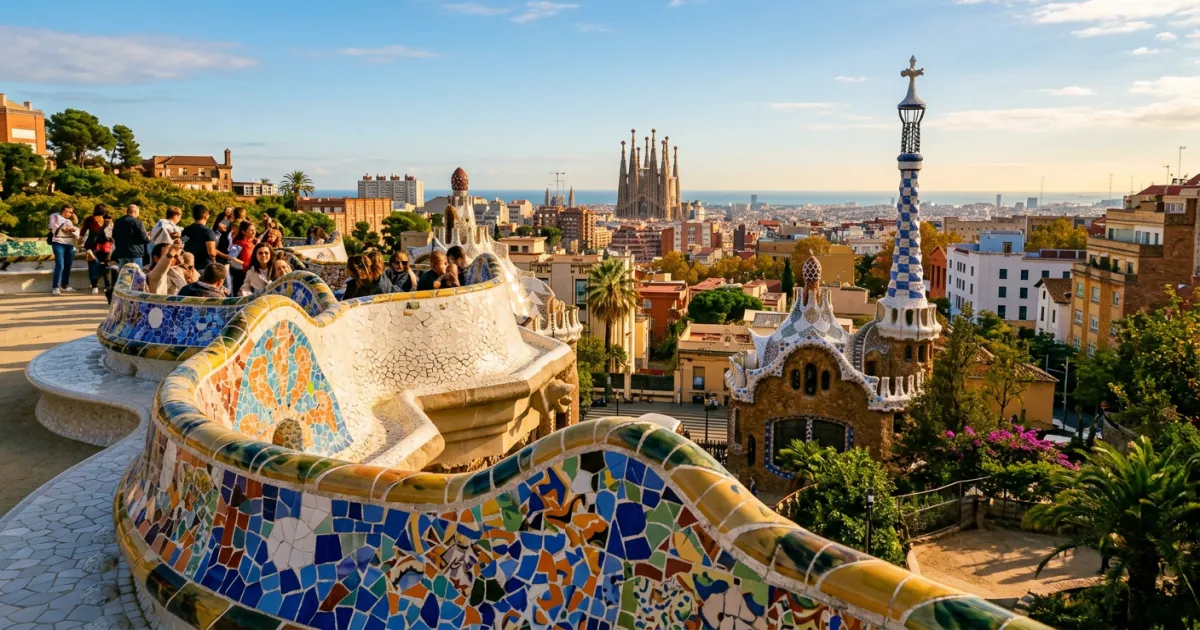
Spain is one of Europe’s most rewarding destinations. From the mosaic-covered buildings of Barcelona to the flamenco stages of Seville, from world-class art museums in Madrid to the fortified hilltop palace of the Alhambra in Granada, Spain delivers a travel experience that blends history, culture, food, and sunshine in a way few countries can match.
This guide covers everything you need to plan a trip to Spain in 2026, including the best times to visit, how much to budget, how to get around, where to go, and what to eat.
Quick Facts About Spain
- Currency: Euro (EUR)
- Language: Spanish (Castilian). Catalan is spoken in Catalonia, Basque in the Basque Country, and Galician in Galicia.
- Time Zone: Central European Time (CET, UTC+1). Spain observes daylight saving time from late March through late October.
- Visa: US, Canadian, UK, and Australian citizens do not need a visa for stays of up to 90 days within the Schengen Area. Starting in 2026, non-EU visitors will need to register through the ETIAS (European Travel Information and Authorisation System) before arrival. The process is done online, costs 7 EUR, and is valid for three years.
- Cost Level: Affordable by Western European standards. Spain is noticeably cheaper than France, Italy, Switzerland, and the Nordic countries, especially outside of Barcelona and Madrid.
- Plug Type: Type C and F (standard European two-pin round plugs). Voltage is 230V.
Best Time to Visit Spain
The best months to visit Spain are April through June and September through October. During these shoulder seasons, you get warm weather, manageable crowds, and lower prices compared to peak summer.
Spring (April to June) is ideal for sightseeing. Temperatures are comfortable in the 18-28 C range (65-82 F), flowers are in bloom, and outdoor terraces are open without the summer crush. This is the best window for visiting cities like Madrid, Seville, and Granada.
Summer (July and August) brings scorching heat to southern and central Spain. Temperatures in Seville, Cordoba, and inland Andalusia regularly exceed 40 C (104 F). Coastal cities like Barcelona and San Sebastian are more bearable but packed with tourists. Accommodation prices spike, and popular attractions have long lines. If you visit in summer, head to the north coast or the islands.
Fall (September and October) is another sweet spot. The summer crowds thin out, prices drop, the sea is still warm enough for swimming, and harvest season means excellent food and wine festivals.
Winter (November to March) is mild in southern Spain, particularly along the Costa del Sol and in the Canary Islands, where temperatures hover around 15-20 C (59-68 F). Northern Spain gets colder and wetter. Winter is the cheapest time to visit and a good option if you want to explore cities without crowds.
How Long to Spend in Spain
10 to 14 days is the sweet spot for a first trip to Spain. This gives you enough time to visit three or four major cities, take a few day trips, and actually relax rather than rushing between destinations.
7 days works if you focus on one region. A week in Andalusia (Seville, Granada, Cordoba) or a week split between Barcelona and the Costa Brava gives you a focused, satisfying trip without feeling rushed.
3 to 5 days is enough for a single-city deep dive. Barcelona or Madrid alone can easily fill four or five days with museums, neighborhoods, food tours, and day trips.
If you are combining Spain with other European countries, check out our guide to planning a trip to Europe for tips on multi-country itineraries.
Spain Travel Budget: What to Expect in 2026
Spain offers excellent value for Western Europe. Your daily costs will depend on your travel style, but here are realistic ranges per person per day in 2026:
Budget (50-70 EUR/day): Stay in hostel dorms or budget guesthouses (20-35 EUR/night), eat at markets and casual restaurants, take advantage of the menu del dia (daily lunch special, typically 12-18 EUR for a three-course meal with a drink), use public transportation, and visit free museum hours.
Mid-Range (100-150 EUR/day): Book three-star hotels or quality guesthouses (60-90 EUR/night), eat at sit-down restaurants and tapas bars, visit major museums and attractions (10-20 EUR each), and mix public transit with occasional taxis.
Luxury (200-350+ EUR/day): Stay in four- and five-star hotels or historic paradores (120-250 EUR/night), dine at acclaimed restaurants, book private tours and premium experiences, and travel by high-speed train in first class.
Money-saving tips: The menu del dia (midday set menu) is one of Spain’s best travel hacks. For 12-18 EUR you get a starter, main course, dessert, and a drink, often including wine. Many major museums offer free entry on certain evenings and Sundays, including the Prado, Reina Sofia, and Barcelona’s MNAC. In cities like Granada and Leon, ordering a drink at a bar often comes with a free tapa.
For help tracking expenses on your trip, try our travel budget template.
Getting to Spain and Getting Around
Flying In
Most international visitors fly into Madrid Barajas (MAD) or Barcelona El Prat (BCN), Spain’s two largest airports. Both have excellent connections from North America, the UK, and the rest of Europe. Madrid is the hub for Iberia, while Barcelona sees heavy traffic from budget carriers like Vueling, Ryanair, and EasyJet.
Other airports with international flights include Malaga (AGP) for the Costa del Sol, Palma de Mallorca (PMI) for the Balearic Islands, and Bilbao (BIO) for the Basque Country.
Trains
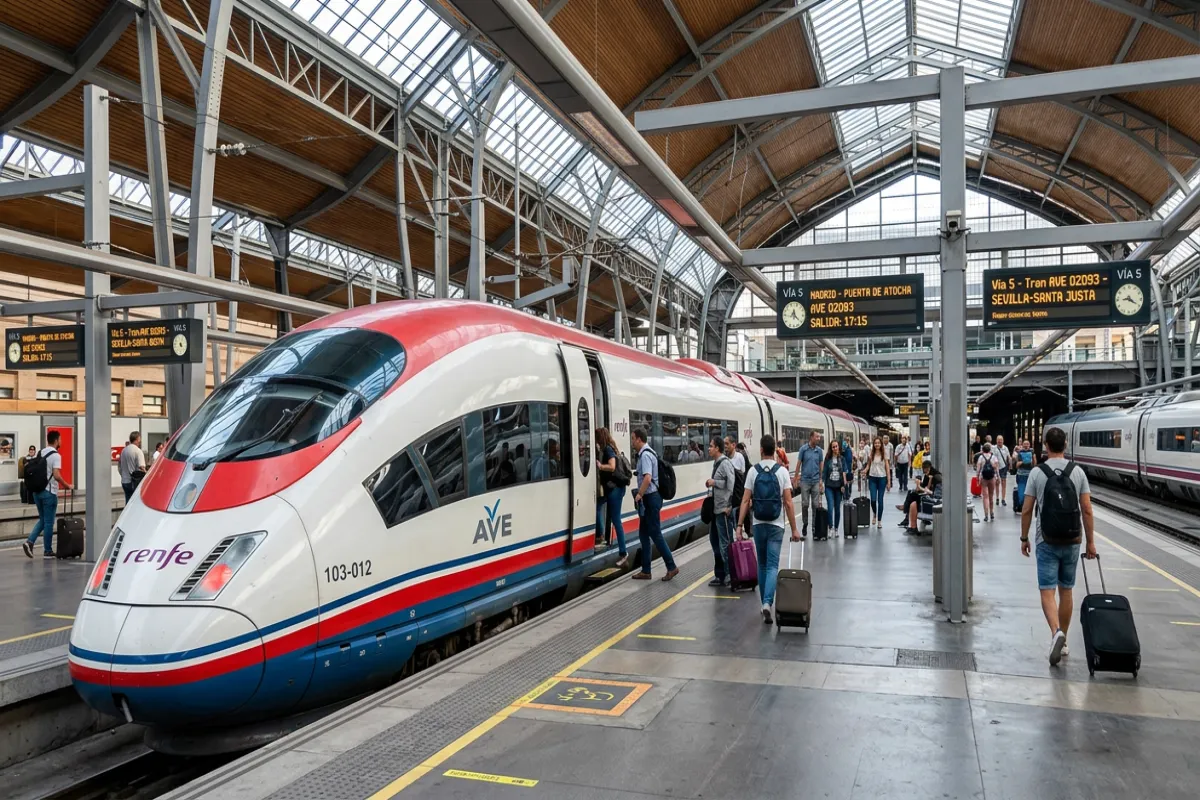
Spain’s high-speed rail network is one of the best in Europe. The AVE (Alta Velocidad Espanola) trains operated by Renfe connect major cities at speeds up to 310 km/h (193 mph). Key routes include:
- Madrid to Barcelona: 2 hours 30 minutes
- Madrid to Seville: 2 hours 20 minutes
- Madrid to Malaga: 2 hours 20 minutes
- Madrid to Valencia: 1 hour 40 minutes
- Barcelona to Seville: 5 hours 30 minutes
Book AVE tickets through renfe.com as early as 90 days in advance for the cheapest fares (Basico class). Prices work like airline tickets: the earlier you book, the less you pay. A Madrid-to-Barcelona ticket booked well ahead can cost as little as 25-35 EUR. Last-minute tickets for the same route can run 80-120 EUR or more.
Renfe also operates Avlo, a low-cost high-speed service on popular routes with fares starting around 7-10 EUR if you book early enough.
Budget Airlines
For longer distances or island hopping, budget airlines like Vueling, Ryanair, and Iberia Express offer cheap domestic flights. Barcelona to Palma de Mallorca or Madrid to the Canary Islands can be as little as 20-40 EUR one way.
Driving
Renting a car makes sense for exploring rural areas like Andalusia’s white villages (Pueblos Blancos), the wine regions of La Rioja, or the coastal roads of the Costa Brava. Major highways (autopistas) are well-maintained but some charge tolls. In cities, driving is more trouble than it is worth due to limited parking, restricted zones, and one-way streets.
Local Transit
Madrid and Barcelona both have excellent metro systems. Most Spanish cities also have reliable bus networks. A 10-trip metro pass (T-Casual in Barcelona, Multi card in Madrid) saves money over single tickets.
Where to Stay in Spain
Hotels: Spain has a wide range of hotels from budget two-star properties to international luxury chains. Expect to pay 60-100 EUR/night for a comfortable mid-range hotel in a major city, and 30-60 EUR in smaller towns.
Paradores: One of Spain’s most unique accommodation options. Paradores are state-run hotels housed in historic buildings such as medieval castles, monasteries, palaces, and fortresses. There are over 90 paradores across the country. Prices range from 80-200 EUR/night and represent excellent value for the quality and setting. Popular ones like the Parador de Granada (inside the Alhambra complex) book up months in advance.
Vacation Apartments: Widely available through platforms like Airbnb and Booking.com. Apartments are a good option for families, longer stays, or anyone who wants a kitchen. Note that some cities (Barcelona in particular) have cracked down on short-term rental regulations.
Hostels: Spain has some of Europe’s best hostels, especially in Barcelona, Madrid, and along the Camino de Santiago. Dorm beds typically cost 18-35 EUR/night depending on the city and season.
Must-See Destinations in Spain
Barcelona
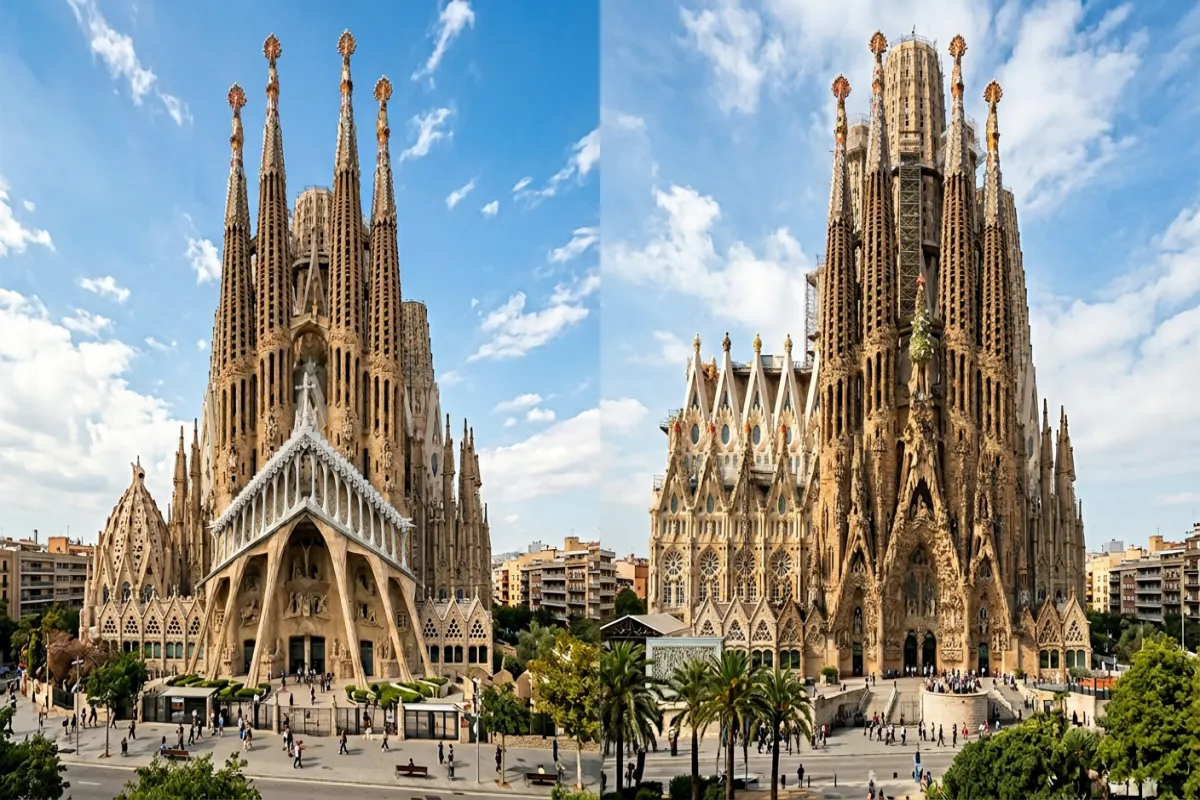
Spain’s second city is an architectural playground. The Sagrada Familia, Antoni Gaudi’s unfinished basilica, is the most visited monument in Spain. Book timed-entry tickets online in advance. Wander through Park Guell for Gaudi’s colorful mosaic terraces and panoramic city views, stroll down La Rambla (but watch your belongings), and explore the narrow medieval streets of the Gothic Quarter. The Boqueria Market is one of Europe’s great food halls.
If you have a layover at Barcelona’s airport, see our Barcelona airport layover guide for tips on making the most of your time.
Madrid
The capital is home to world-class art museums. The Prado Museum houses masterworks by Velazquez, Goya, and El Greco. The Reina Sofia is where you will find Picasso’s Guernica. The Royal Palace (Palacio Real) is the largest royal palace in Western Europe by floor area, though the royal family no longer lives there. Madrid’s food scene is excellent, with traditional tapas bars in La Latina and upscale dining around Salamanca.
Seville
The capital of Andalusia is where many visitors fall hardest for Spain. The Real Alcazar is a stunning Moorish palace complex with intricate tilework and lush gardens. The Seville Cathedral is the largest Gothic cathedral in the world, and its Giralda bell tower offers sweeping city views. Seville is also the heartland of flamenco. Catch a show in the Triana neighborhood for the most authentic experience.
Granada
The Alhambra is Spain’s most popular attraction and one of the most visited monuments in Europe. This 13th-century Moorish palace complex sits on a hilltop overlooking the city, with the snow-capped Sierra Nevada mountains as a backdrop. Book tickets at least 2-3 months in advance, especially for the Nasrid Palaces, which have strict timed entry and sell out quickly. Tickets go on sale up to three months ahead through the official vendor. The Albaicin neighborhood below, with its winding streets and whitewashed houses, is a UNESCO World Heritage Site.
San Sebastian
Widely considered the food capital of Spain (and arguably all of Europe), San Sebastian in the Basque Country has more Michelin stars per capita than almost anywhere on Earth. The pintxos bars in the Parte Vieja (Old Town) are legendary. La Concha Beach, a crescent-shaped bay, is regularly ranked among Europe’s best urban beaches.
The Balearic Islands
Mallorca offers everything from pristine cove beaches and dramatic mountain hiking in the Serra de Tramuntana to charming hilltop villages. Ibiza is famous for nightlife but also has a quieter side with beautiful beaches and a UNESCO-listed old town (Dalt Vila). Menorca is the most laid-back of the three, with unspoiled beaches and a slower pace.
Other Notable Destinations
- Toledo: A medieval walled city just 30 minutes by high-speed train from Madrid. Known as the “City of Three Cultures” for its Christian, Muslim, and Jewish heritage. Makes an excellent day trip.
- Camino de Santiago: The famous pilgrimage route across northern Spain, ending at the Cathedral of Santiago de Compostela. Thousands walk it every year, with the most popular route (the French Way) taking about 30-35 days.
- Valencia: Spain’s third-largest city and the birthplace of paella. The futuristic City of Arts and Sciences complex is a striking contrast to the charming old town.
- Cordoba: Home to the Mezquita, a mosque-turned-cathedral that is one of the most architecturally remarkable buildings in all of Europe.
Spanish Food: What to Eat and When
Food is central to the Spanish travel experience. Understanding the culture around eating will make your trip significantly better.
What to Eat
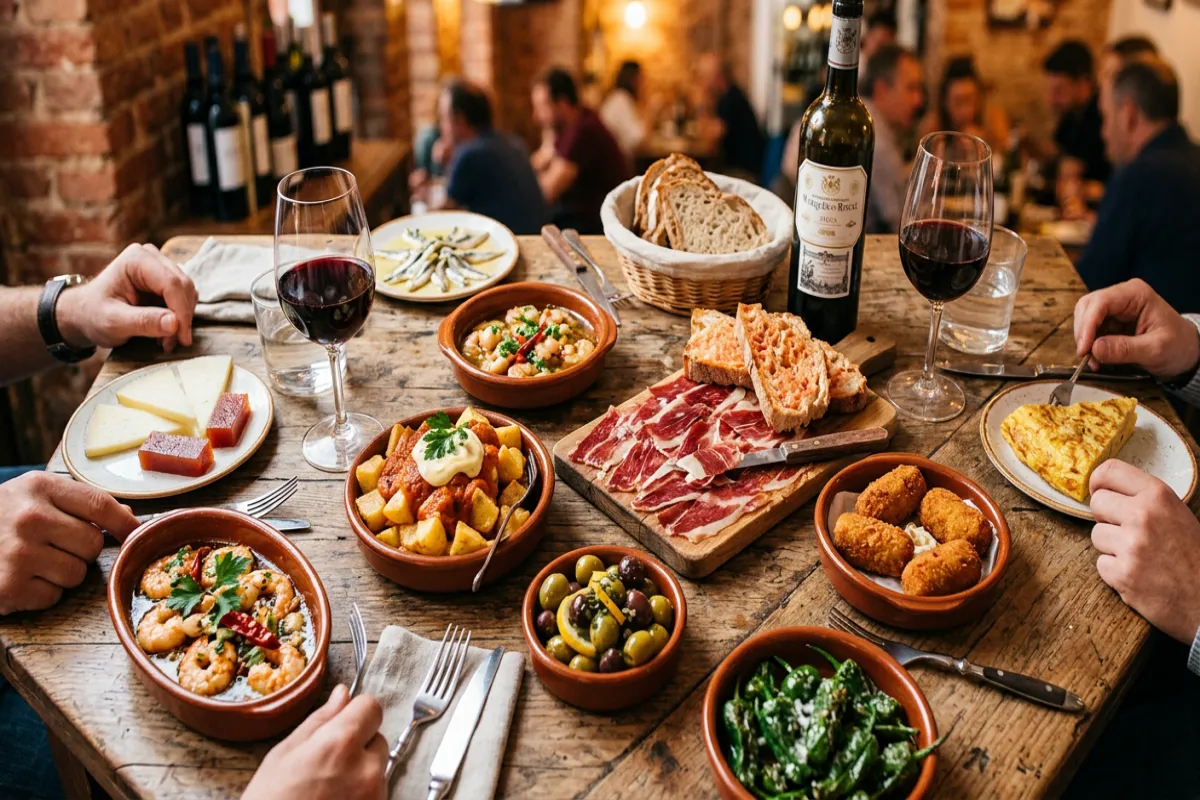
- Tapas: Small shared plates served at bars and restaurants across the country. Classics include patatas bravas (fried potatoes with spicy sauce), tortilla espanola (potato omelet), croquetas (creamy fried bites), and gambas al ajillo (garlic shrimp).
- Paella: Spain’s most famous rice dish, originating in Valencia. Traditional Valencian paella uses rabbit, chicken, and beans. Seafood paella is the version most tourists know. Eat paella for lunch, not dinner, and preferably in Valencia or along the coast. Locals avoid paella at tourist-trap restaurants on La Rambla.
- Pintxos: The Basque Country’s version of tapas. Small bites served on bread, displayed on the bar counter. You pick what you want and pay by the toothpick. The pintxos bars of San Sebastian and Bilbao are legendary.
- Jamon Iberico: Spain’s prized dry-cured ham, made from acorn-fed Iberian pigs. The best grade is jamon iberico de bellota. You will see whole legs hanging in bars and restaurants across the country. Try it sliced thin at a market or tapas bar.
- Churros con Chocolate: Fried dough sticks served with thick, rich hot chocolate for dipping. A beloved breakfast and snack. Chocolateria San Gines in Madrid has been serving them since 1894.
- Sangria: The classic Spanish wine punch made with red wine, fruit, and sometimes brandy. Popular with tourists, though many Spaniards prefer tinto de verano (red wine with lemon soda), which is lighter and cheaper.
When Spaniards Eat
Spanish meal times are later than most visitors expect, and adjusting to the local schedule will improve your experience:
- Breakfast (desayuno): 8-10 AM. Usually light: coffee with toast, a pastry, or a tortilla bocadillo (sandwich).
- Lunch (comida/almuerzo): 2-3:30 PM. This is the main meal of the day. The menu del dia (daily set lunch) is the best value in Spanish dining.
- Dinner (cena): 9-10:30 PM, sometimes later. Dinner is lighter than lunch. Restaurants that open at 7 PM are catering to tourists.
- Tapas time: Spaniards often have tapas and drinks between 1-2 PM before lunch and again between 7-9 PM before dinner.
Practical Tips for Visiting Spain
Siesta Hours
Many smaller shops, businesses, and restaurants close between roughly 2-5 PM, especially outside of major cities. Larger stores and chains in tourist areas often stay open all day, but plan accordingly if you are visiting smaller towns or neighborhoods. Use siesta hours for a rest, a long lunch, or visiting major museums and attractions (which stay open).
Tipping
Tipping is not expected in Spain the way it is in the United States. Service is included in the bill. However, it is common to leave small change or round up the bill at restaurants and cafes. Leaving 1-2 EUR on a casual meal or 5-10% at a nicer restaurant is generous and appreciated but never required.
Safety and Pickpockets
Spain is generally very safe for travelers. Violent crime against tourists is rare. However, pickpocketing is a real concern in Barcelona’s tourist areas, particularly on La Rambla, around the Sagrada Familia, on the metro, and at Barceloneta Beach. Madrid’s busy areas like Sol and Gran Via also see pickpocket activity. Use a crossbody bag, keep your phone in a front pocket, and be aware of your surroundings in crowded places.
Language
English is widely spoken in tourist areas of Barcelona, Madrid, and the major coastal resorts. Outside of these zones, basic Spanish goes a long way. Even a few phrases like “por favor” (please), “gracias” (thank you), “la cuenta” (the check), and “habla ingles?” (do you speak English?) will be appreciated. In Catalonia, signs and menus may be in Catalan rather than Spanish.
Connectivity
Free Wi-Fi is widely available in hotels, cafes, and restaurants. If you want mobile data, pick up a prepaid SIM card from carriers like Vodafone, Orange, or Movistar at the airport or any phone shop. eSIMs from providers like Airalo or Holafly are another convenient option.
Electricity
Spain uses Type C and Type F plugs with 230V. If you are coming from North America, you will need both a plug adapter and to check that your devices support 230V (most modern electronics like phones and laptops do).
Sample 10-Day Spain Itinerary
This itinerary covers Spain’s highlights using the excellent high-speed train network. Adjust based on your interests and pace.
Days 1-3: Barcelona
Explore the Sagrada Familia (book ahead), Park Guell, the Gothic Quarter, and La Boqueria Market. Take an evening stroll along Barceloneta Beach. Spend a half-day at the Picasso Museum or the MNAC. Eat pintxos-style tapas in El Born and have dinner late in Gracia.
Day 4: Train to Madrid
Take the AVE high-speed train from Barcelona to Madrid (2.5 hours). Settle into your hotel, then explore the Retiro Park and have dinner and tapas in La Latina neighborhood.
Days 5-6: Madrid
Visit the Prado Museum and the Reina Sofia (see Picasso’s Guernica). Tour the Royal Palace. Spend an evening at Mercado de San Miguel. Take a day trip to Toledo if time allows (33 minutes by AVE train).
Day 7: Train to Seville
Take the AVE from Madrid to Seville (2 hours 20 minutes). Check in and spend the afternoon walking through the Santa Cruz quarter. See a flamenco show in Triana that evening.
Day 8: Seville
Visit the Real Alcazar and the Cathedral with the Giralda tower. Walk along the Guadalquivir River and cross into Triana for tapas. Visit the Plaza de Espana.
Day 9: Day Trip to Granada
Take the train or drive to Granada (about 2.5-3 hours each way by train, or 2.5 hours by car). Visit the Alhambra (tickets booked months in advance), walk the Albaicin, and enjoy free tapas with drinks at local bars before heading back to Seville.
Day 10: Fly Out or Continue
Depending on your departure city, fly out from Seville or take the train back to Madrid for your flight home. If you have extra days, consider adding San Sebastian (fly from Barcelona or Madrid) for two days of extraordinary food and a beautiful coastline.
Need help organizing your day-by-day schedule? Our vacation itinerary template can help you map out your trip.
Planning Tools
Planning a trip to Spain is straightforward once you know the basics. Here are some tools to help:
- How to plan a trip (step-by-step guide) covers the fundamentals of trip planning from start to finish.
- Yopki AI Travel Planner can help you build a custom Spain itinerary based on your dates, interests, and budget.
- Vacation itinerary template for organizing your daily schedule.
- Travel budget template for tracking your Spain trip expenses.
Frequently Asked Questions
Do I need a visa to visit Spain?
US, Canadian, UK, and Australian citizens do not need a visa for stays up to 90 days. Spain is part of the Schengen Area. Starting in 2026, non-EU visitors will need ETIAS authorization (7 EUR, applied online, valid for 3 years).
Is Spain expensive?
Spain is one of the more affordable countries in Western Europe. It is noticeably cheaper than France, Italy, and the UK, especially for food and accommodation. Budget travelers can manage on 50-70 EUR per day, while mid-range travelers will spend 100-150 EUR per day.
What is the best city to visit in Spain for first-timers?
Barcelona is the most popular starting point for first-time visitors due to its mix of architecture, food, beaches, and nightlife. Madrid is ideal if you prioritize museums and authentic Spanish culture. Seville is the best choice if you want the classic Andalusian experience with flamenco, historic palaces, and warm weather.
How do I get around Spain?
High-speed AVE trains are the best way to travel between major cities. They are fast, comfortable, and affordable when booked in advance through renfe.com. Budget airlines work well for longer distances or island travel. Rent a car only if you plan to explore rural areas.
Is it safe to travel in Spain?
Yes. Spain is very safe for tourists. The main concern is pickpocketing in crowded tourist areas, particularly in Barcelona. Use common sense, keep valuables secure, and you will be fine.
When should I book Alhambra tickets?
Book at least 2-3 months in advance, especially if visiting during spring or fall. Tickets for the Nasrid Palaces have timed entry and sell out quickly. They are released up to three months ahead on the official website.