| US Virgin Islands Quick Facts | |
|---|---|
| Territory | US Virgin Islands (US territory) |
| Currency | US Dollar (USD) |
| Language | English |
| Time Zone | Atlantic Standard Time (AST, no DST) |
| Passport/Visa | Not required for US citizens (domestic travel) |
| Daily Budget | $120 to $500+ per person |
| Best Time | December to April |
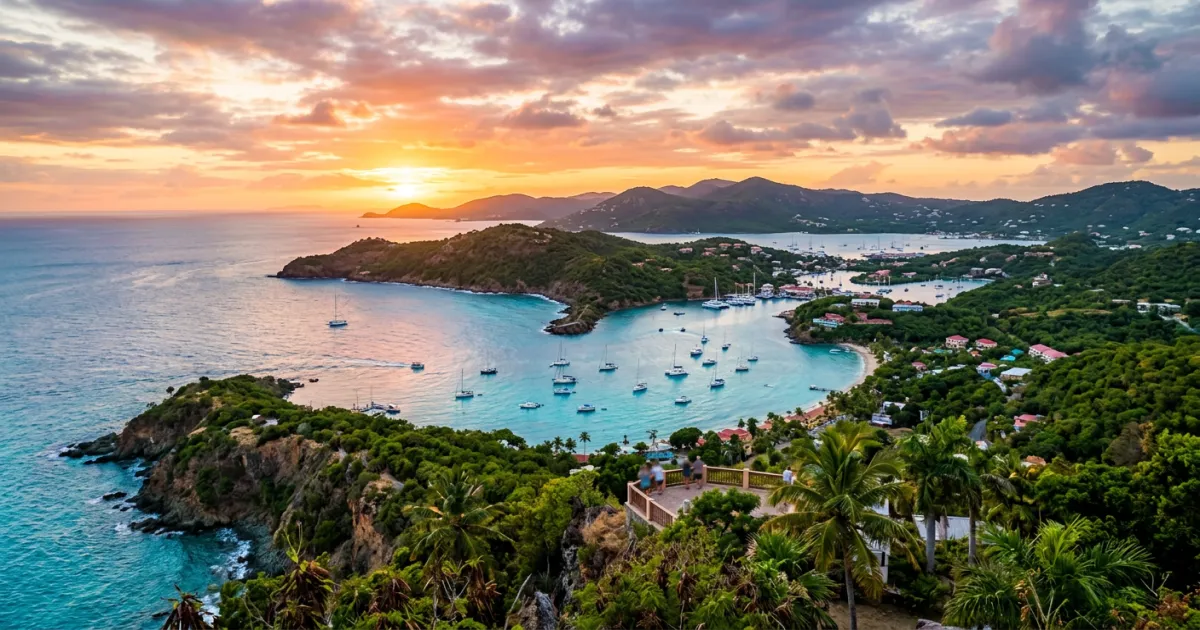
The US Virgin Islands are a group of Caribbean islands where you get tropical beaches, turquoise water, and world-class snorkeling without needing a passport. As a US territory, the USVI uses the US dollar, has no customs hassles for American travelers, and your cell phone plan works the same as on the mainland. The three main islands each have their own character: St. Thomas is the most developed with shopping and nightlife, St. John is two-thirds national park with pristine beaches, and St. Croix is the largest and most culturally diverse with Danish colonial architecture and rum distilleries.
For a broader framework for organizing any trip, our how to plan a trip guide covers the fundamentals.
Best Time to Visit US Virgin Islands
December through April is peak season with the best weather: sunny skies, low humidity, temperatures in the low to mid-80s F, and calm seas. This is also the most expensive and crowded period. May through November is the off-season with higher humidity, brief afternoon rain showers, and lower prices (20 to 40% savings on hotels). Hurricane season runs June through November, with the highest risk in August through October. Shoulder months (May, early June, November) offer a good balance of value and weather.
Getting to US Virgin Islands
Cyril E. King Airport (STT) on St. Thomas has direct flights from Miami, Atlanta, Charlotte, New York, and other US cities. Henry E. Rohlsen Airport (STX) on St. Croix has fewer direct routes. St. John has no airport; you reach it by ferry from Red Hook, St. Thomas (20 minutes, about $14 round trip). No passport needed for US citizens. The ferry between islands is the main way to island hop. Seaplane service connects St. Thomas, St. Croix, and St. John.
Top Things to Do in US Virgin Islands
- Trunk Bay (St. John): Consistently ranked among the world’s best beaches. Crystal-clear water, white sand, and an underwater snorkeling trail with signs identifying marine life. National park entry fee: $5 per person.
- Virgin Islands National Park (St. John): Covers about two-thirds of St. John. Hiking trails through tropical forests, ruins of colonial-era sugar plantations, and dozens of secluded beaches accessible only by trail or boat.
- Magens Bay Beach (St. Thomas): A mile-long crescent of white sand sheltered by surrounding hills. Calm water, good for families. One of the most photographed beaches in the Caribbean. Entry fee: $5 per person.
- Snorkeling and Diving: The USVI has excellent snorkeling right off the beach at many locations. Buck Island (off St. Croix) is a national monument with an underwater snorkeling trail. Cane Bay (St. Croix) has a wall dive starting from shore.
- Christiansted (St. Croix): The largest town in the USVI with Danish colonial architecture, waterfront boardwalks, and the Fort Christiansvaern historic site. Good restaurants and the Cruzan Rum Distillery nearby.
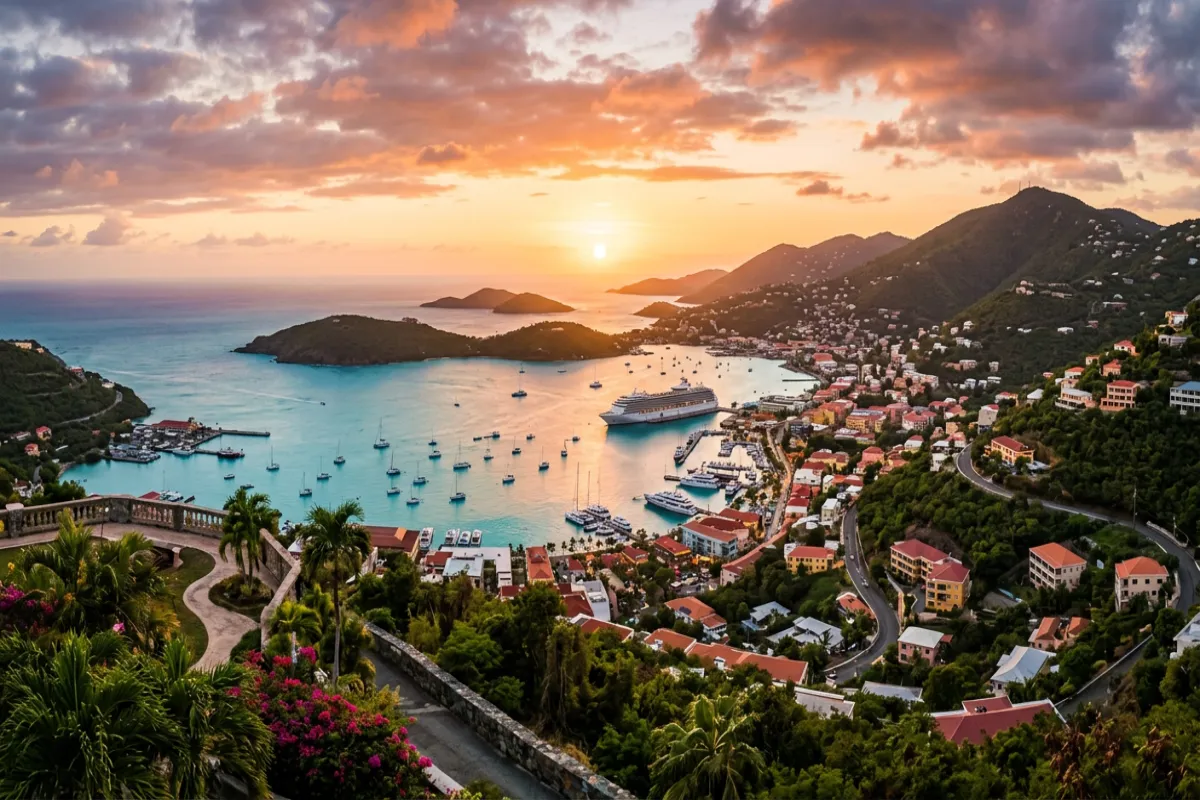
- Charlotte Amalie Shopping (St. Thomas): The capital of the USVI is a duty-free shopping zone. Jewelry, liquor, and perfume are popular purchases. The town also has historic sites including Blackbeard’s Castle.
Where to Stay
St. Thomas has the widest range of hotels from budget to luxury, with the most options near Charlotte Amalie and Red Hook. Expect $150 to $350 per night mid-range. St. John has fewer hotels (the most notable is Caneel Bay, currently being rebuilt). Most visitors stay in vacation rentals ($200 to $500 per night) in Cruz Bay or the surrounding hills. St. Croix has the most affordable options with hotels and inns in Christiansted ($100 to $250 per night). Camping is available at Cinnamon Bay in St. John ($40 to $100 per night for tent or eco-tent).
Sample 5-Day US Virgin Islands Itinerary
- Day 1-2: St. Thomas: Arrive at STT. Spend day one at Magens Bay Beach and exploring Charlotte Amalie. Day two, take a guided snorkel or sail trip around the island, or hike to scenic overlooks for harbor views. Evening on the waterfront.
- Day 3-4: St. John: Take the morning ferry from Red Hook to Cruz Bay (20 minutes). Spend two days exploring: Trunk Bay for snorkeling, hike the Reef Bay Trail through ruins and petroglyphs, and hit Honeymoon Beach or Cinnamon Bay. Eat at the casual restaurants in Cruz Bay.
- Day 5: St. Croix (optional): Fly or seaplane to St. Croix. Tour Christiansted, snorkel at Buck Island, and visit the Cruzan Rum Distillery. Or spend the extra day on St. John or St. Thomas.
Budget Estimate
The USVI is more expensive than many Caribbean destinations. Budget travelers can manage on $120 to $180 per day with a modest hotel or camping on St. John, cooking some meals, and sticking to free beaches and hiking. Mid-range travelers should plan for $250 to $400 covering comfortable accommodations, restaurant meals, ferry tickets ($14 round trip to St. John), and a snorkel or sailing trip ($60 to $120 per person). Luxury travelers will spend $500+ for villa rentals, private charters, and fine dining. Groceries and restaurant prices are 30 to 50% higher than the US mainland due to shipping costs.
Planning Tools
Ready to start building your US Virgin Islands trip? Our free AI trip planner can generate a custom itinerary based on your dates, budget, and interests.
Frequently Asked Questions
Do I need a passport to visit the US Virgin Islands?
No. The USVI is a US territory, so travel from the US mainland is treated as domestic travel. US citizens need only a valid government-issued photo ID (driver’s license works). There are no customs or immigration checks. Your US cell phone plan works normally.
Which US Virgin Island is best for a first visit?
St. Thomas is the easiest for first-timers with the most flights, hotels, and infrastructure. Pair it with a day or two on St. John for the best beaches and snorkeling. St. Croix is worth adding if you have 5+ days and want a more off-the-beaten-path experience.
Is it safe to visit the US Virgin Islands?
Tourist areas are generally safe. Standard travel precautions apply: don’t leave valuables unattended on the beach, lock your rental car, and be aware of your surroundings at night in less-trafficked areas. The USVI has higher crime rates than the US mainland in some neighborhoods, but tourist zones are well-policed.