| Utah’s National Parks Quick Facts | |
|---|---|
| State | Utah, USA |
| Currency | US Dollar (USD) |
| Language | English |
| Time Zone | Mountain Time (MT, no DST in Navajo Nation areas) |
| Daily Budget | $100 to $350+ per person |
| Best Time | April to May, September to October |
| Parks | Zion, Bryce Canyon, Capitol Reef, Arches, Canyonlands (the Mighty Five) |
Utah’s five national parks, known as the Mighty Five, are concentrated in the southern half of the state and offer some of the most dramatic scenery in North America. Zion’s towering red cliffs, Bryce Canyon’s hoodoo formations, Capitol Reef’s remote canyons, Arches’ 2,000+ natural stone arches, and Canyonlands’ vast desert mesa landscape are all connected by scenic highways that make for one of the best road trips in the country. You can hit all five parks in a loop of roughly 900 miles over 5 to 7 days.
For a broader framework for organizing any trip, our how to plan a trip guide covers the fundamentals.
Best Time to Visit Utah’s National Parks
April through May and September through October are the ideal months. Spring brings wildflowers and comfortable hiking temperatures (60s to 80s F) without the intense summer heat. Fall offers cooler air, golden cottonwoods in the canyons, and thinner crowds than summer. Summer (June through August) pushes temperatures above 100 F in lower elevations (Zion, Arches, Canyonlands), making midday hiking dangerous. Winter brings snow to higher elevations (Bryce Canyon sits at 8,000+ feet), but Zion and lower-elevation areas remain accessible year-round.
Getting to Utah’s National Parks
The most common starting points are Las Vegas (LAS) and Salt Lake City (SLC). Las Vegas is about 2.5 hours from Zion, making it ideal if you start the loop from the southwest. Salt Lake City is about 4.5 hours from Arches/Moab, good for starting from the north or east. Smaller airports at St. George (SGU, near Zion) and Grand Junction, CO (GJT, near Arches) offer regional connections. A rental car is mandatory. The parks are spread across a large area with no public transit between them.
Top Things to Do in Utah’s National Parks
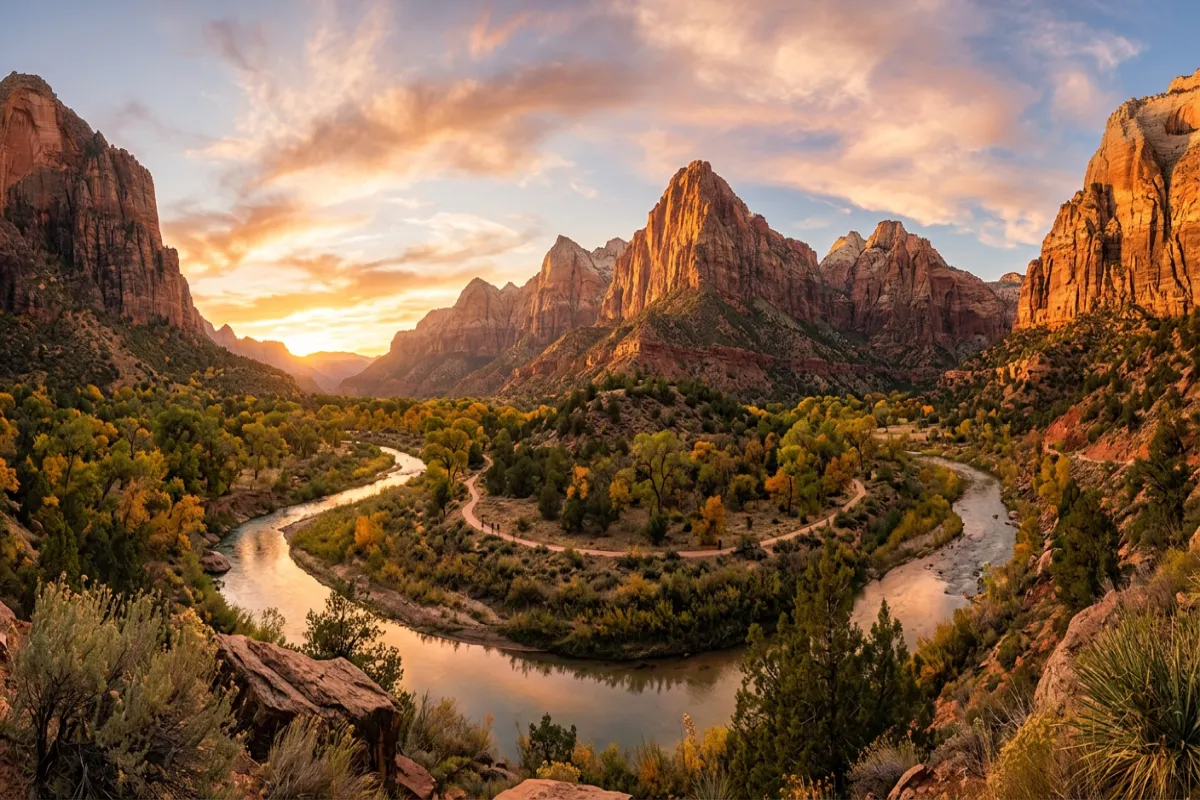
- Zion National Park: Hike Angels Landing (permit required, lottery system) for one of the most thrilling trail experiences in the US. The Narrows, a hike through the Virgin River slot canyon, is equally iconic. Zion Canyon Scenic Drive is accessible by park shuttle only from March through November.
- Bryce Canyon National Park: The Navajo Loop and Queen’s Garden trails take you down among the orange and red hoodoo formations. Sunrise at Sunrise Point is one of the most photographed views in Utah. The park sits at 8,000+ feet, so it is noticeably cooler than the other four.
- Capitol Reef National Park: The least crowded of the five. Drive the Scenic Drive along the Waterpocket Fold, hike to Hickman Bridge, and explore the historic Fruita orchards where you can pick fruit in season (peaches, apples, cherries).
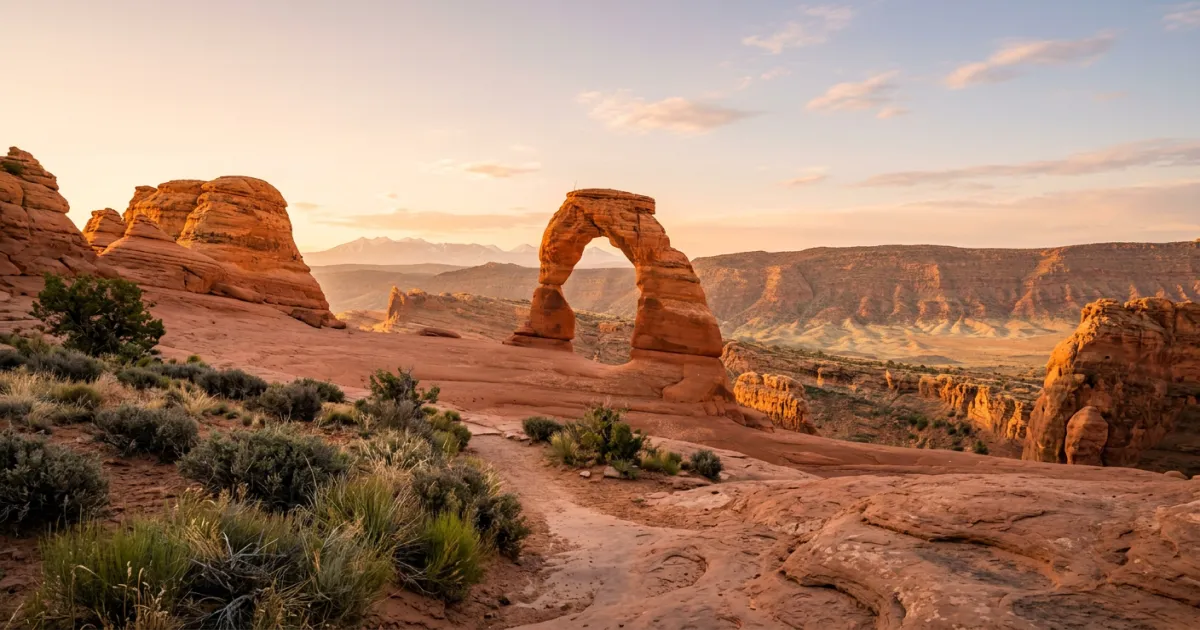
- Arches National Park: Over 2,000 natural stone arches including the iconic Delicate Arch. The hike to Delicate Arch (3 miles round trip) is best done at sunset. Timed entry reservations are required from April through October.
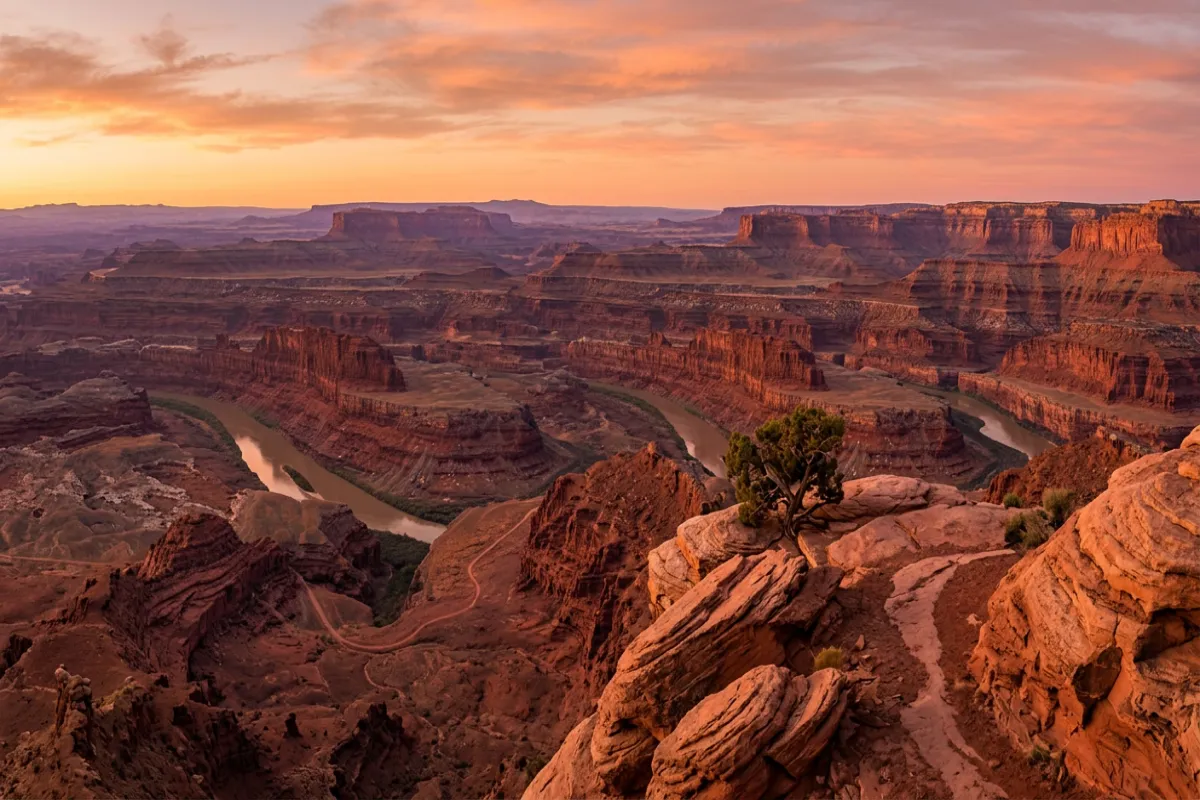
- Canyonlands National Park: Vast and remote. The Island in the Sky district has the most accessible viewpoints (Mesa Arch at sunrise is a must). The Needles district requires more time and offers solitude. Dead Horse Point State Park, just outside, has one of the best overlooks in Utah.
- Scenic Byway 12: The highway connecting Bryce Canyon to Capitol Reef is considered one of the most scenic drives in America. Allow extra time for stops at Calf Creek Falls and the Hogback Ridge.
Where to Stay
Springdale (at the entrance to Zion) has the best selection of hotels, restaurants, and outfitters. Rooms run $150 to $350 per night in peak season. Moab is the base for Arches and Canyonlands with a wide range from hostels to resorts ($80 to $250). Torrey near Capitol Reef has a handful of lodges and B&Bs. For Bryce Canyon, Tropic or the Bryce Canyon Lodge (inside the park) are options. Camping is available in all five parks ($20 to $30 per night). Book lodging 2 to 3 months ahead for spring and fall visits.
Sample 5-Day Utah’s National Parks Itinerary
- Day 1 – Zion: Start in Springdale. Take the park shuttle up Zion Canyon. Hike The Narrows (bottom-up, as far as you want) or tackle Angels Landing (permit required). Afternoon on the Riverside Walk. Sunset from Canyon Overlook Trail.
- Day 2 – Bryce Canyon: Drive 1.5 hours east to Bryce Canyon. Hike the Navajo Loop to Queen’s Garden combination trail (about 3 miles). Drive the 18-mile scenic road with stops at overlooks. If time allows, visit Kodachrome Basin State Park nearby.
- Day 3 – Capitol Reef and Scenic Byway 12: Drive Scenic Byway 12 east (stop at Calf Creek Falls if you have time for the 5.5-mile hike). Arrive at Capitol Reef. Hike Hickman Bridge (1.8 miles) and drive the Scenic Drive. Visit Fruita orchards.
- Day 4 – Arches: Drive to Moab (about 2 hours). Enter Arches National Park. See Balanced Rock, the Windows Section, and Landscape Arch. Late afternoon hike to Delicate Arch for sunset. Reserve timed entry in advance.
- Day 5 – Canyonlands: Sunrise at Mesa Arch in the Island in the Sky district of Canyonlands (30 minutes from Moab). Hike the Grand View Point trail. Stop at Dead Horse Point State Park for another spectacular overlook. Depart for Salt Lake City or Las Vegas.
Budget Estimate
Budget travelers can manage on $100 to $150 per day by camping ($20 to $30 per night), cooking at campsites, and sticking to free hikes. An America the Beautiful Annual Pass ($80) covers entry to all five parks (individual entry is $35 per park). Mid-range travelers should plan for $200 to $350 covering hotels, restaurant meals, and guided tours (canyoneering, jeep tours start at $80 to $150 per person). Rental car and gas are significant costs: the full loop covers roughly 900 miles. Gas stations are scarce between parks, so fill up whenever you can.
Planning Tools
Ready to start building your Utah’s National Parks trip? Our free AI trip planner can generate a custom itinerary based on your dates, budget, and interests.
Frequently Asked Questions
How many days do you need for all five Utah national parks?
A minimum of 5 days covers all five parks with one day each. Seven days is more comfortable and lets you do longer hikes, explore the scenic byways, and have flexibility for weather or fatigue. Trying to do all five in fewer than 5 days means you will be driving more than hiking.
What order should you visit the Utah national parks?
The most efficient loop from Las Vegas goes: Zion, Bryce Canyon, Capitol Reef, Arches, Canyonlands, then back to Las Vegas (or continue to Salt Lake City). From Salt Lake City, reverse the order starting with Arches/Moab. This minimizes backtracking on the roughly 900-mile loop.
Do I need reservations for Utah’s national parks?
Arches requires timed entry reservations from April through October. Zion’s Angels Landing hike requires a permit through a lottery system. Campground reservations should be made well in advance. Hotel rooms in Springdale and Moab book up months ahead for spring and fall. The other parks do not currently require advance reservations for entry.