| Wyoming Quick Facts | |
|---|---|
| State | Wyoming, USA (least populated US state) |
| Currency | US Dollar (USD) |
| Language | English |
| Time Zone | Mountain Time (MT) |
| Daily Budget | $80 to $400+ per person |
| Best Time | June to September |
| Getting There | Jackson Hole (JAC), Casper (CPR), or drive from Denver/SLC |
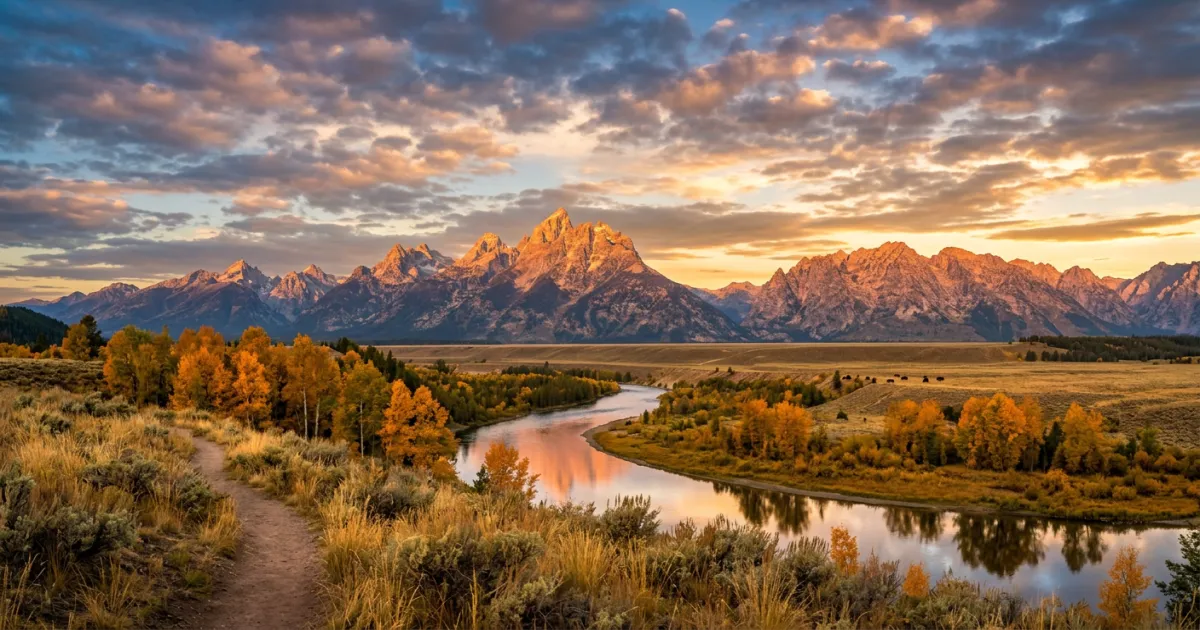
Wyoming is the least populated state in the US, and that emptiness is its greatest asset. Yellowstone and Grand Teton national parks draw millions, but the rest of the state sees almost no tourism despite having spectacular landscapes. Devils Tower, the Bighorn Mountains, the Wind River Range, and the high plains offer solitude and scenery that feel like the Old West. Wyoming has more pronghorn antelope than people (the state population is about 580,000), and you can drive for an hour without seeing another car.
For a broader framework for organizing any trip, our how to plan a trip guide covers the fundamentals.
Best Time to Visit Wyoming
June through September is the visitor season. July and August have the warmest weather (70s to 80s F in valleys) and all roads and services are open. June can still have snow at higher elevations. September brings fall colors, elk bugling, and thinner crowds. Winter (October through May) closes most park roads and many services, though Yellowstone’s north entrance stays open year-round and Jackson Hole has world-class skiing.
Getting to Wyoming
Jackson Hole Airport (JAC) is the main tourist gateway inside Grand Teton National Park. Cody (COD) and Bozeman, Montana (BZN) are alternative Yellowstone gateways. From Denver, the drive to Yellowstone’s south entrance is about 8 hours. From Salt Lake City, about 5 hours to Jackson. A rental car is absolutely essential; Wyoming has no meaningful public transit.
Top Things to Do in Wyoming
- Yellowstone National Park: The world’s first national park. Old Faithful, Grand Prismatic Spring, Mammoth Hot Springs, and the wildlife-rich Lamar Valley. Plan at least 2 full days. See our Yellowstone guide.
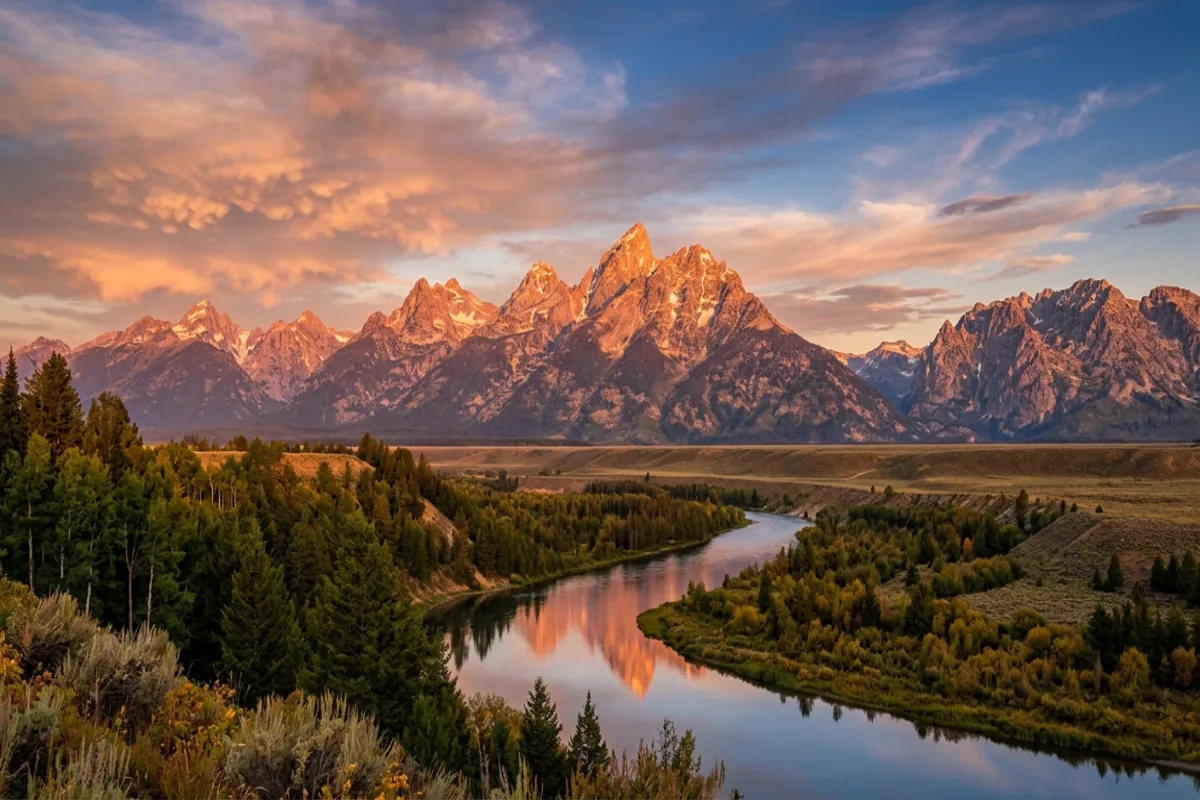
- Grand Teton National Park: The dramatic Teton Range rising 7,000 feet from the valley floor. Jenny Lake, Cascade Canyon, and the Snake River. See our Jackson Hole guide.
- Devils Tower National Monument: A massive volcanic rock column in northeastern Wyoming that rises 867 feet above the surrounding landscape. Sacred to many Native American tribes. Hiking the 1.3-mile base trail provides dramatic views.
- Bighorn Mountains: A less-visited mountain range in north-central Wyoming with scenic drives (US-14 through Bighorn Canyon), fishing, hiking, and Medicine Wheel National Historic Landmark.
- Cody and the Buffalo Bill Center of the West: A town founded by Buffalo Bill Cody with a world-class museum complex covering Western art, firearms, natural history, and Plains Indian culture. Five museums in one ($22 per adult). Summer rodeos nightly.
- Wind River Range: Wyoming’s highest peaks and some of the best wilderness backpacking in the lower 48. Cirque of the Towers and the Titcomb Basin are bucket-list backcountry destinations.
Where to Stay
Jackson has the widest range from hostels to luxury ($100 to $500+). West Yellowstone, Montana and Gardiner, Montana are popular Yellowstone gateway towns ($100 to $300). Inside Yellowstone, Old Faithful Inn and Lake Yellowstone Hotel are iconic ($200 to $500, book 6+ months ahead). Cody has moderate options ($80 to $200). Camping in national forests and BLM land is often free or very cheap ($5 to $15).
Sample 5-Day Wyoming Itinerary
- Day 1-2: Grand Teton and Jackson: Arrive in Jackson. Explore the town and drive Teton Park Road. Day 2: hike Cascade Canyon, kayak Jenny Lake, or do a Snake River float trip. See our Jackson Hole guide.
- Day 3-4: Yellowstone: Drive into Yellowstone via the south entrance. Day 3: Old Faithful, Grand Prismatic, Upper Geyser Basin. Day 4: Mammoth Hot Springs, Lamar Valley for wildlife, Tower Fall. See our Yellowstone guide.
- Day 5: Cody or Devils Tower: Option A: Exit Yellowstone’s east entrance through the scenic Wapiti Valley to Cody. Visit the Buffalo Bill Center. Option B: Drive northeast to Devils Tower (5 hours from Yellowstone, break up with a Bighorn Mountains stop).
Budget Estimate
Budget travelers can manage on $80 to $140 per day by camping (free on BLM/National Forest land, $20 to $35 in parks), cooking at campsites, and sticking to free trails. An America the Beautiful Pass ($80) covers all park entry. Mid-range travelers should plan for $200 to $350 covering hotels, restaurant meals, park entry, and a guided activity. Gas is a significant cost: distances are long and stations are spread out. Fill up whenever you can.
Planning Tools
Ready to start building your Wyoming trip? Our free AI trip planner can generate a custom itinerary based on your dates, budget, and interests.
Frequently Asked Questions
How long do you need for a Wyoming trip?
Five to seven days covers Grand Teton (2 days), Yellowstone (2 to 3 days), and one other destination. A week is the sweet spot. Three days is possible if you focus on one park.
Is Wyoming boring between the parks?
No. The landscapes between destinations are part of the experience: wide-open plains, distant mountain ranges, pronghorn herds, and almost no traffic. The emptiness and the scale are what make Wyoming feel different from anywhere else. But yes, bring podcasts for the long drives.
When should I book Yellowstone lodging?
For summer (June through August), book 6 to 12 months ahead. Inside-the-park lodging (Old Faithful Inn, Lake Hotel) is in very high demand. Gateway towns (West Yellowstone, Gardiner) have more availability but still book up 2 to 3 months ahead.