How to Plan a Day Trip: Quick Guide
A day trip is the most underrated form of travel. No hotel booking, no packing a suitcase, no time off work. You leave in the morning, explore somewhere new, and sleep in your own bed that night. Total cost: usually under $150 per person.
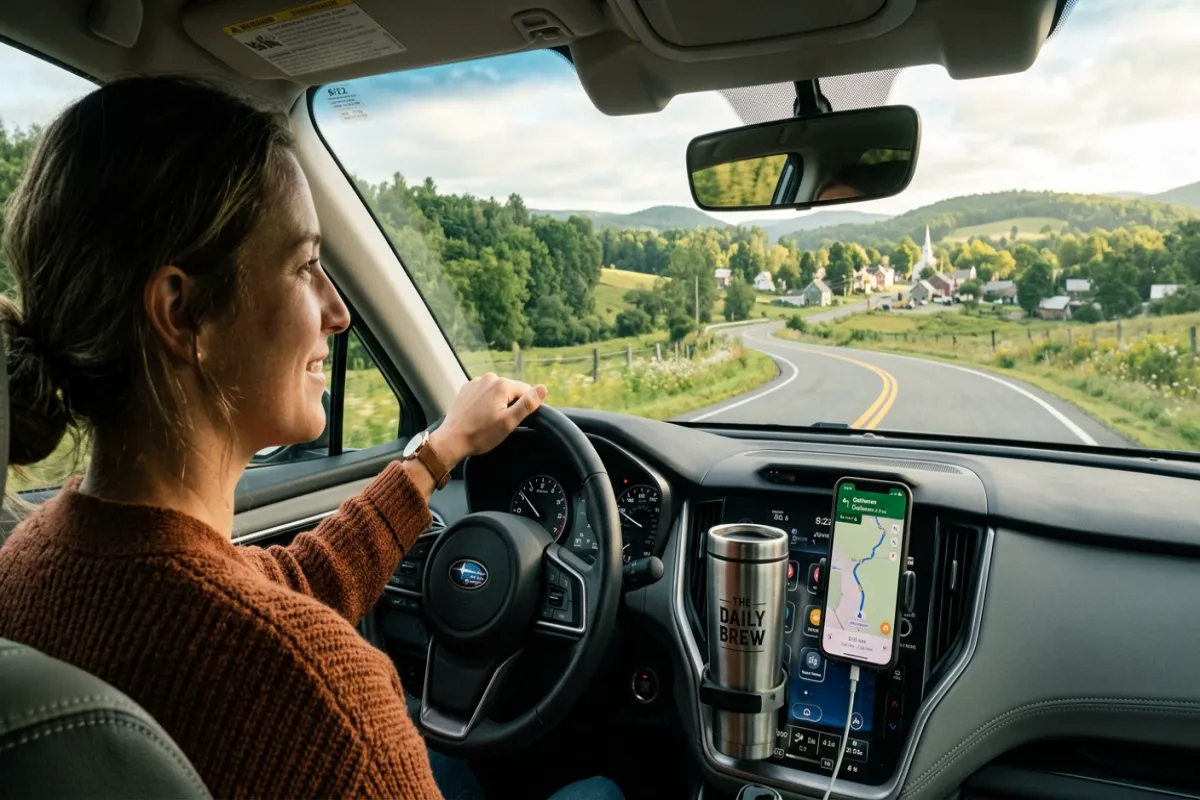
But a bad day trip, one where you spend half the day in traffic, arrive to find everything closed, and end up eating fast food on the highway home, is a waste of a perfectly good Saturday. The difference between a great day trip and a forgettable one comes down to a few simple planning decisions.
Choose the Right Destination
The best day trip destinations are close enough to give you real time there, interesting enough to justify the drive, and different enough from where you live to feel like an escape.
The 2-Hour Rule
Keep one-way drive time under 2 hours. At 2 hours each way, you spend 4 hours driving and get 6-8 usable hours at your destination. That is plenty for a hike, a meal, and an afternoon activity. Push past 2.5 hours and the driving starts to dominate the day.
For train or ferry trips, you can stretch this slightly. Travel time on a train is more relaxing than driving, and you arrive ready to go instead of needing to decompress from traffic.
Types of Day Trip Destinations
- Small towns and downtowns: A walkable downtown with shops, restaurants, and local character. Think: a college town, a historic main street, a coastal village.
- Nature and hiking: State parks, national forests, waterfalls, lake beaches. Check trail conditions and parking availability before you go.
- Wine country or farm areas: Vineyards, orchards, farm stands, u-pick operations. Best in fall for apple and pumpkin season, spring for wineries.
- Beaches and waterfront: A lake, river, or ocean destination within range. Arrive early for parking at popular spots.
- Cultural destinations: A museum, historic site, or landmark you have been meaning to visit. Check hours and whether you need timed tickets.
- Food destinations: A town known for a specific food scene, a farmers market, or a cluster of restaurants worth driving to.
How to Pick
Open a map, draw a 90-minute radius from your home, and look for places you have not been. Check Google Maps reviews, local tourism websites, and “day trips from [your city]” articles. Yopki generates single-day itineraries with activity suggestions, so you can see what a day in a specific destination might look like before committing.
Get the Timing Right
Timing is the single biggest factor in whether your day trip feels rushed or relaxed.
Leave Early
Aim to depart by 7:00-8:00 AM. Early departures win in three ways:
- Less traffic: You beat the morning rush heading out and the evening rush heading home.
- More daylight hours: Arriving by 9:00-10:00 AM gives you a full day at your destination.
- Better access: Popular hiking trailheads, beach parking lots, and attractions are less crowded early. Some national parks and scenic areas fill their parking by 10:00 AM on weekends.
Plan Your Return
Start heading home by 4:00-5:00 PM. This gets you ahead of evening traffic, home before dark (in winter), and back with enough time to decompress before the workweek starts. If your destination is 90 minutes away, leaving at 4:30 puts you home by 6:00.
Avoid Traffic Patterns
- Saturday mornings: Lighter traffic than Friday evenings. Best overall day for a day trip.
- Sunday mornings: Good departure time but Sunday evening return traffic can be heavy near popular recreation areas.
- Weekday day trips: If you have a flexible schedule, Tuesday through Thursday offer the lightest traffic and smallest crowds everywhere.
- Holiday weekends: Avoid unless you leave very early. Traffic to popular destinations on holiday weekends can double your drive time.
Plan 2-3 Activities (Not 7)
The number one day trip mistake is trying to do too much. You are not on a multi-day vacation. You have 6-8 hours at your destination. That is time for 2-3 activities done well, not 7 activities done in a rush.
A Simple Structure
- Morning (9:00-12:00): Your main activity. A hike, a museum visit, a walking tour, a market. Do the thing you are most excited about first, when your energy is highest.
- Lunch (12:00-1:30): Eat somewhere local. This is part of the experience. Look up restaurants or food spots before you go and have 1-2 options in mind.
- Afternoon (1:30-4:00): A second activity. Explore a downtown area, visit a beach, do a wine tasting, or just wander. This should be lower-energy than the morning.
- Quick stop (optional): A 20-30 minute stop on the drive home. A scenic overlook, a roadside farm stand, or an ice cream shop in a small town.
Build in Buffer Time
Leave 30 minutes of unscheduled time between activities. You will need it for parking, unexpected detours, a shop you want to pop into, or just sitting somewhere and enjoying the view. If you end up with extra time, that is a good problem. If you are behind schedule all day, it feels like work.
Check Before You Go
- Confirm opening hours and days. Many museums and small-town shops are closed on Mondays or Tuesdays.
- Check weather forecasts the morning of. Have a rain backup plan if your trip is outdoors.
- Look up parking. Some destinations have limited parking that fills early. Know where to go before you arrive.
- Check for timed entry requirements. National parks, popular gardens, and some museums require advance reservations.
Build your day trip plan on Yopki to see your activities, driving times, and restaurant options mapped out visually. Even for a single day, having a plan on your phone beats trying to figure things out while driving.
What to Bring
Pack light. You should be able to carry everything in a small daypack or crossbody bag.
Always Bring
- Reusable water bottle: Filled before you leave. Refill at restaurants or water fountains.
- Snacks: For the drive and between activities. Granola bars, trail mix, fruit. You do not want to waste time searching for food when you get hungry between planned meals.
- Portable phone charger: Your phone is your map, camera, and restaurant finder. A dead phone can derail a day trip.
- Sunscreen: Even on cloudy days.
- Comfortable shoes: You will walk more than you think. Sneakers or comfortable walking shoes, not sandals (unless it is a beach day).
- Light layer: A rain jacket or light sweater. Weather can change, and some indoor spaces are heavily air-conditioned.
- Cash: Some small-town restaurants, farmers markets, and roadside stands are cash-only. Bring $40-$60 just in case.
For Hiking Day Trips
- Extra water (at least 2 liters per person for a moderate hike)
- Trail map downloaded for offline use (cell service is unreliable in many hiking areas)
- Small first aid kit (bandages, antiseptic wipes, moleskin for blisters)
- Bug spray
- A hat
Skip
- Full-size backpacks (you are gone for a day, not a week)
- Multiple outfit changes
- Laptop or work materials (this is a day off)
Meal Planning
Meals are part of the day trip experience, not just fuel. A little planning here makes a big difference.
Breakfast
Eat before you leave or pack something for the car. Do not waste your first hour at the destination looking for breakfast. If you leave at 7:30 AM, eat a quick breakfast at home or grab coffee and a pastry on the road.
Lunch
This is your main meal and should be at a local spot. Before the trip, research 2-3 restaurant options at your destination. Check reviews, hours, and whether they take reservations for weekend lunch (popular spots fill up). Have a backup in case your first choice is closed or has a long wait.
For hiking or outdoor day trips, pack a lunch. A sandwich, chips, fruit, and water in a small cooler bag means you can eat whenever and wherever you want, including scenic overlooks where there are no restaurants.
Snacks and Drinks
Pack more snacks than you think you need. A cooler in the car with cold drinks and snacks for the return drive prevents the “we’re starving and there’s nothing but gas stations” problem on the way home.
Make the Most of Limited Time
Day trips demand efficiency in a way multi-day trips do not. Here are strategies that experienced day-trippers use:
Do Research Before, Not During
Spend 15-20 minutes the night before looking up your destination. Find parking locations, confirm hours, read a few restaurant reviews, and save key addresses to your phone. Every minute you spend searching for information at the destination is a minute you are not enjoying it.
Prioritize Ruthlessly
If a town has 10 things to see, pick your top 3. You can always come back. Trying to check off every attraction turns a relaxing day into a stressful speed-run.
Cluster Activities Geographically
Choose activities that are close to each other to minimize driving between stops. If you are visiting a small town, pick a restaurant, a shop, and a park that are all within walking distance of each other. Driving 30 minutes between activities eats into your limited time.
Embrace Spontaneity Within Structure
Have a plan but stay flexible. If you pass a farm stand or a scenic lookout that was not in your plan, stop. Some of the best day trip moments are unplanned. The structure of your 2-3 main activities keeps the day productive. The buffer time between them allows for discovery.
Download Offline Maps
Cell reception is spotty in many day trip destinations, especially rural areas, state parks, and mountain roads. Download offline maps in Google Maps or Apple Maps before you leave home. This simple step prevents getting lost in areas with no signal.
Day Trip vs. Multi-Day Trip
Day trips and multi-day trips serve different purposes. Here is when each makes sense:
Choose a day trip when:
- The destination is within 2 hours
- You want to explore without the commitment of a hotel booking
- You are testing a destination before planning a longer trip
- Your budget is tight but you still want to get out
- You only have one free day
Choose a multi-day trip when:
- The destination is more than 2.5 hours away
- There is too much to see in one day
- You want to fully disconnect and relax
- The destination has nightlife, evening activities, or sunrise experiences worth staying for
Day trips are also great building blocks for longer travel plans. Visit a destination for a day, decide you love it, then plan a full weekend trip there later. Yopki makes it easy to turn a quick day trip plan into a multi-day itinerary when you are ready to extend.
Day Trip Ideas by Category
Relaxing Day Trips
Beach or lake day, winery tour, hot springs visit, botanical garden, spa town, bookstore-hopping in a literary town.
Active Day Trips
Hiking a signature trail, kayaking or paddleboarding, cycling a rail trail, rock climbing, skiing or snowboarding (in season).
Food-Focused Day Trips
Farmers market visit, food tour of a nearby city, barbecue trail, brewery crawl, picking seasonal produce at a farm.
Cultural Day Trips
Museum visit, historic battlefield or landmark, art gallery crawl, architecture walking tour, festival or fair.
Family Day Trips
Zoo or aquarium, children’s museum, state park with easy trails, berry picking, amusement park, scenic train ride.
Frequently Asked Questions
How far is too far for a day trip?
Keep one-way driving under 2 hours (60-120 miles depending on traffic). At 2 hours each way, you get 6-8 usable hours at your destination. Beyond 2.5 hours, the driving starts to dominate the day.
What should you bring on a day trip?
Pack a water bottle, snacks, portable phone charger, sunscreen, comfortable walking shoes, a light layer, and cash. Keep it all in a small daypack. For hiking, add extra water, a trail map, and a basic first aid kit.
What time should you leave for a day trip?
Leave by 7:00-8:00 AM. Early departures beat traffic, give you the most daylight hours, and let you arrive before crowds. Plan to head home by 4:00-5:00 PM.
How do you plan activities for a day trip?
Pick 2-3 main activities and build 30 minutes of buffer time between them. A morning activity, a local lunch, and an afternoon activity is a reliable structure. Do not try to pack in 7 stops.
Are day trips worth it?
Day trips are one of the best travel values. No hotel costs, minimal packing, and a full day of exploring for $50-$150 per person. They are also a great way to test destinations before committing to a longer trip.
Plan your next day trip on Yopki. Even a single-day itinerary benefits from having your activities, restaurants, and driving directions organized in one place on your phone.