Photo: Google
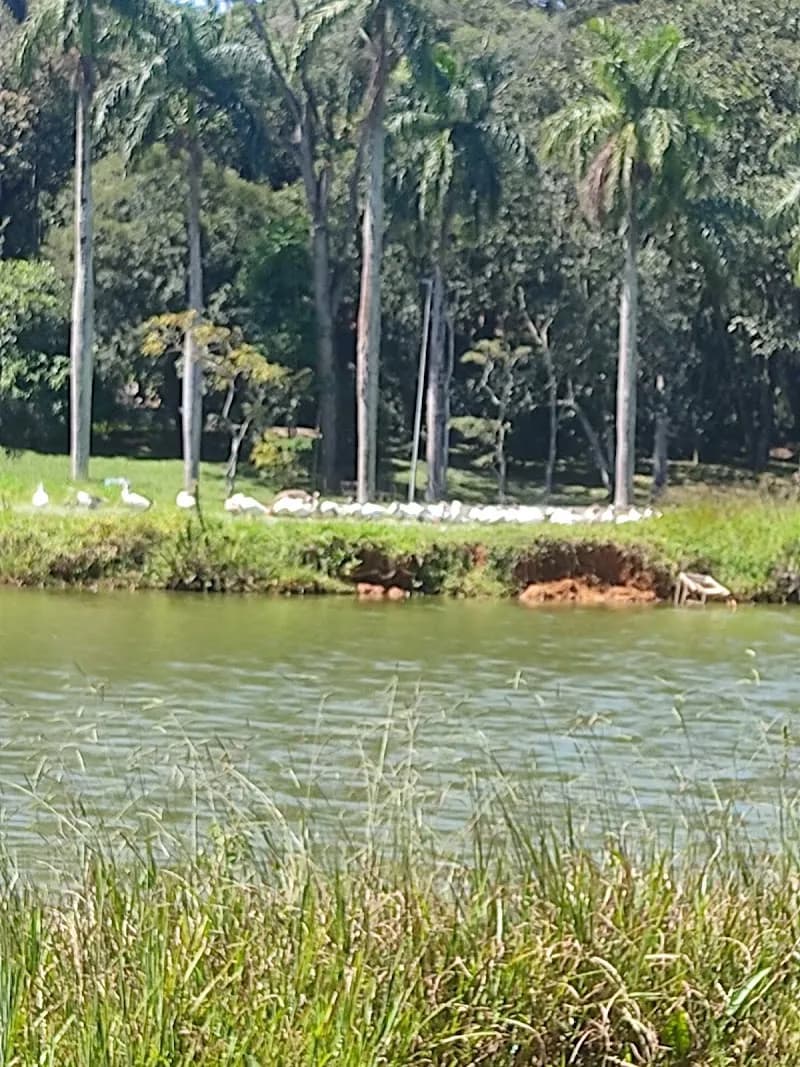
Photo: Google
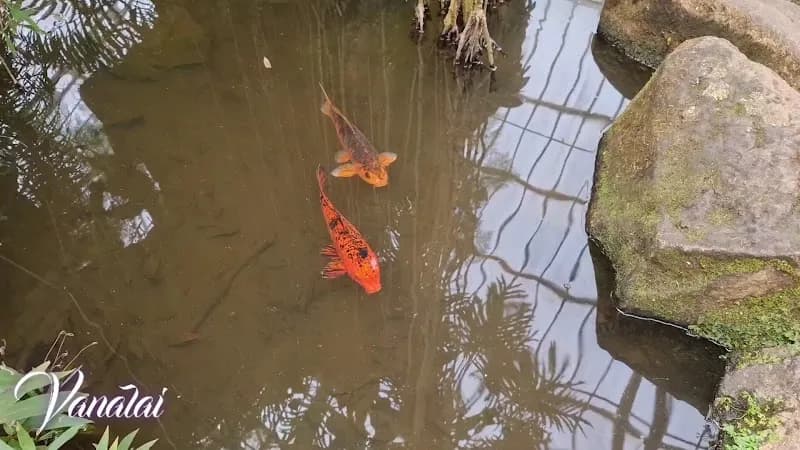
Photo: Google
São Paulo Botanical Garden
★4.7(22,838 reviews)Park
🕑 2-3 hours👶 Best for ages 2-12. Toddlers enjoy the wide paved paths and safe open spaces for running, while school-age children love discovering the diverse plant species, spotting birds and small animals, and exploring the various themed gardens.🧡 Saved by 100+ families
About
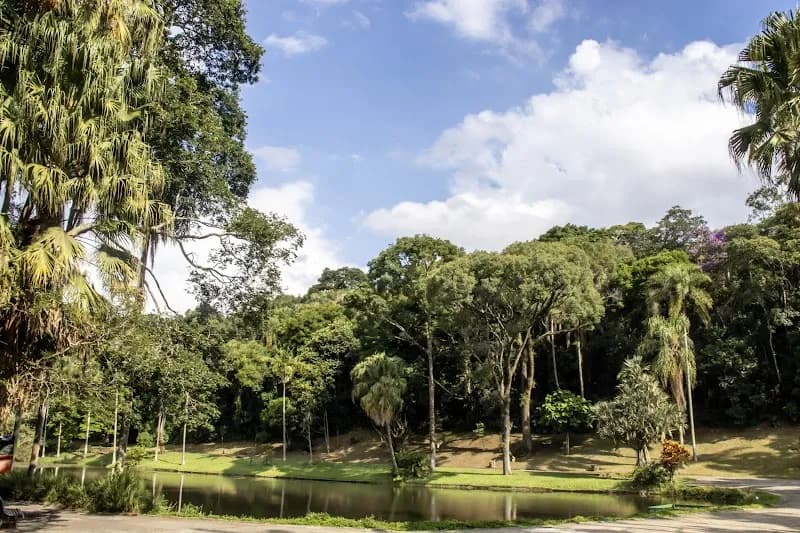
The São Paulo Botanical Garden offers families a peaceful escape from the city's hustle with over 360,000 square meters of lush Atlantic rainforest vegetation, walking trails perfect for little explorers, and stunning orchid collections. Kids can spot native wildlife, enjoy picnics on the spacious lawns, and learn about Brazilian plants in an interactive natural setting that feels like a true jungle adventure.
Highlights
- ✓Impressive orchid nursery with colorful blooms that fascinate children
- ✓Walking trails through authentic Atlantic rainforest where kids can spot native birds, butterflies, and small animals
- ✓Large green spaces perfect for running, playing, and family picnics
- ✓Japanese garden area with koi ponds and unique landscaping
- ✓Educational plant collections teaching children about Brazilian biodiversity
Pro Tips
- 1.Arrive early (right at 9 AM) to enjoy cooler temperatures and fewer crowds, especially important in São Paulo's humid climate
- 2.Bring insect repellent and sunscreen as you'll be outdoors with limited shade in some areas
- 3.Pack a picnic lunch since dining options inside are limited, and enjoy it in one of the designated picnic areas
- 4.Wear comfortable walking shoes as the trails can be uneven, and bring a stroller only if it's all-terrain since some paths are unpaved
- 5.Download a translation app beforehand as most signage and staff communication is in Portuguese
Best Time to Visit
Visit on weekday mornings (Tuesday through Thursday) between 9-11 AM for the smallest crowds and coolest temperatures. The Brazilian winter months (May to August) offer the most comfortable weather for walking, though the garden is beautiful year-round.
What to Know
Entry fees are very affordable (typically around R$15 for adults, children under 7 free), and parking is available on-site. There are basic restroom facilities and a small gift shop, but very limited food options, so plan to bring snacks and water for the kids.
Seasonal Notes
The garden is open year-round with consistent hours. The spring months (September to November) showcase the most blooms and flowering plants, making it especially colorful. Note that Sunday hours extend to 5 PM, giving families an extra hour to explore on weekends.
Nearby Eats
Stop at Rei do Mate (about 10 minutes away) for traditional Brazilian snacks and açaí bowls kids love, or visit América Shopping Center nearby which has a food court with various kid-friendly international options including pizza, pasta, and burgers.
More Activities Near Sao Paulo
Park
Parque da Luz
Free❤️17
Parque da Luz is a beautiful historic park in central São Paulo that offers families a peaceful green escape with playgrounds, wide walking paths, and plenty of shade for picnics. Located next to the Pinacoteca art museum and Luz train station, it combines natural beauty with easy access to cultural attractions, making it perfect for a half-day family outing in the city.
Park
Parque do Carmo
Free❤️15
Parque do Carmo is one of São Paulo's largest green spaces, offering families a peaceful escape from the bustling city with sprawling botanical gardens, well-maintained playgrounds, and easy walking trails perfect for kids of all ages. This free park provides plenty of open space for children to run, explore nature, and enjoy outdoor play while parents relax in shaded picnic areas surrounded by native Brazilian flora.
Museum
Museu Afro Brasil
$
Museu Afro Brasil offers families an enriching cultural journey through African-Brazilian history with engaging interactive exhibits that bring learning to life. The museum's educational programs are designed with young visitors in mind, making complex cultural topics accessible and fascinating for children while parents appreciate the beautiful Ibirapuera Park setting.
Museum
Museu Catavento Cultural e Educacional
$
Museu Catavento is São Paulo's premier interactive science museum where children learn through touch, experimentation, and play. Housed in a historic building, this hands-on wonderland features hundreds of exhibits covering everything from physics and astronomy to ecology and Brazilian biodiversity. Kids can explore a real submarine, conduct experiments, watch live demonstrations, and engage with technology in ways that make complex concepts accessible and exciting.