Photo: Google
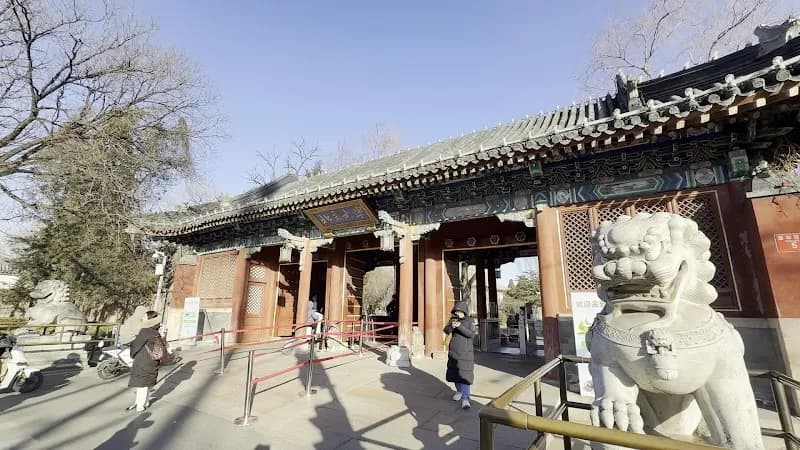
Photo: Google
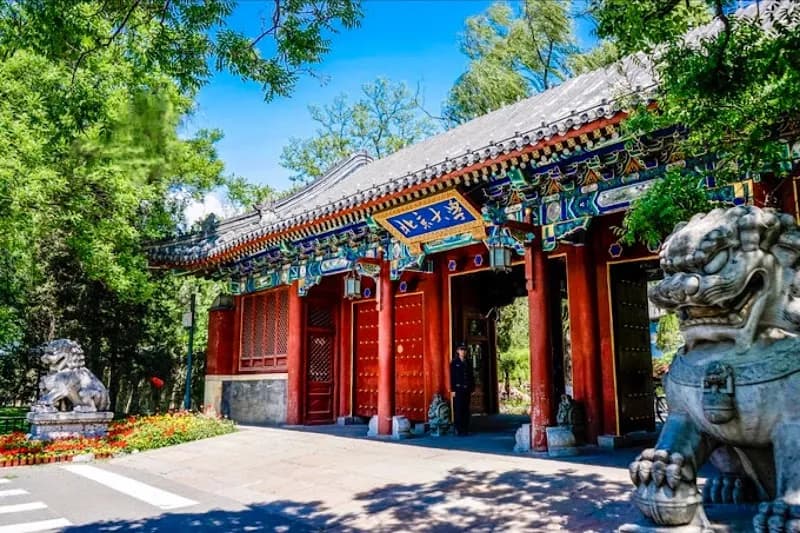
Photo: Google
Peking University
★4.5(535 reviews)FreePark
🕑 2 to 3 hours👶 Best for ages 5 and up. School-age children and teens will appreciate the historic significance and beautiful campus scenery, while younger children enjoy the open spaces and lake views. May be less engaging for toddlers who need more active play areas.🧡 Saved by 35 families
About
Peking University's picturesque campus offers families a peaceful escape with beautiful lake views, shaded walking paths, and serene gardens perfect for introducing children to one of China's most prestigious universities. The tranquil setting provides an educational yet relaxing outdoor experience where kids can explore historic architecture, feed fish in Weiming Lake, and enjoy open spaces for running and playing while parents capture stunning photos.
Highlights
- ✓Weiming Lake, the scenic heart of campus perfect for feeding fish and taking family photos
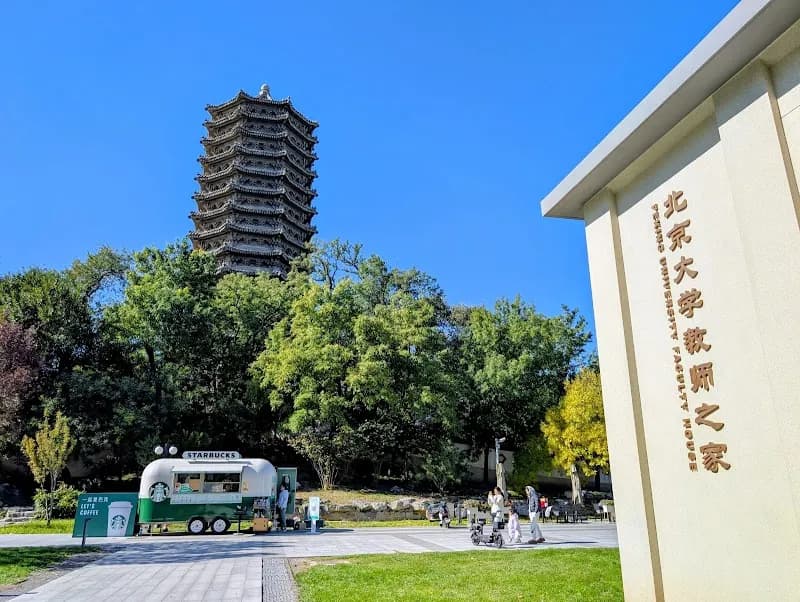
- ✓Historic Chinese architecture including traditional pagodas and classical buildings
- ✓Peaceful botanical gardens with diverse plant species and shaded pathways
- ✓Open lawns and green spaces where children can safely run and play
- ✓Boya Pagoda, an iconic landmark offering cultural education and beautiful views
Pro Tips
- 1.Bring your passport as university security may require ID for foreign visitors to enter campus
- 2.Visit the iconic Boya Pagoda near Weiming Lake for the best photo opportunities and to feed fish with snacks purchased from campus vendors
- 3.Download a translation app beforehand as English signage is limited throughout the campus
- 4.Wear comfortable walking shoes as the campus is extensive and you'll cover significant distance
- 5.Visit campus cafeterias for an authentic and budget-friendly local dining experience, though pointing at food may be necessary
Best Time to Visit
Spring (April to May) when cherry blossoms bloom, or autumn (September to October) for pleasant weather and colorful foliage. Weekday mornings are quieter, while weekends can be crowded with tourists. Avoid exam periods (June and January) when access may be restricted.
What to Know
Entry is free but may require passport verification at campus gates. Limited English is spoken, so come prepared with translation tools. Public restrooms are available but may be basic compared to Western standards.
Seasonal Notes
Spring brings spectacular cherry blossoms (late March to April), making it the most popular but crowded season. Winter can be very cold with limited outdoor appeal. Some areas may have restricted access during university exam periods and national holidays.
Nearby Eats
The Summer Palace area (10 minutes away) has several family-friendly restaurants including Wanghonglou Restaurant with lake views. Campus cafeterias offer inexpensive authentic Chinese meals, though menus are typically in Chinese only.
More Activities Near Haidian District
Park
Fragrant Hills Park (香山公园)
Free❤️5
Fragrant Hills Park offers families an excellent introduction to Beijing's natural beauty with accessible hiking trails, a scenic cable car, and dedicated play areas. The mountain setting provides a refreshing escape from the city while remaining manageable for families with children of various ages and fitness levels.
Park
Yuanmingyuan Park
★4.4Free❤️13
Yuanmingyuan Park (Old Summer Palace) offers families a fascinating outdoor history lesson combined with plenty of space for kids to explore. The sprawling ruins of this once-magnificent imperial garden provide a unique backdrop for children to learn about Chinese history while enjoying wide open spaces, scenic lakes, and tree-lined paths perfect for running around.
Adventure
Tsinghua University
★4.6❤️10
Tsinghua University offers families a peaceful escape into one of China's most prestigious academic settings, featuring beautifully landscaped gardens, traditional Chinese architecture, and wide pathways perfect for strolling with children. The campus provides an educational outdoor experience where kids can explore scenic lakes, historic buildings, and green spaces while learning about Chinese university culture in a relaxed, safe environment.
Library
National Library of China
★4.5Free❤️20
The National Library of China offers a surprisingly engaging cultural experience for families, featuring a dedicated children's zone with interactive exhibits and an extensive multilingual book collection. Kids can enjoy regular storytelling sessions while parents appreciate the modern, clean facilities and the opportunity to introduce children to Chinese culture through literature and hands-on activities.