Photo: Google
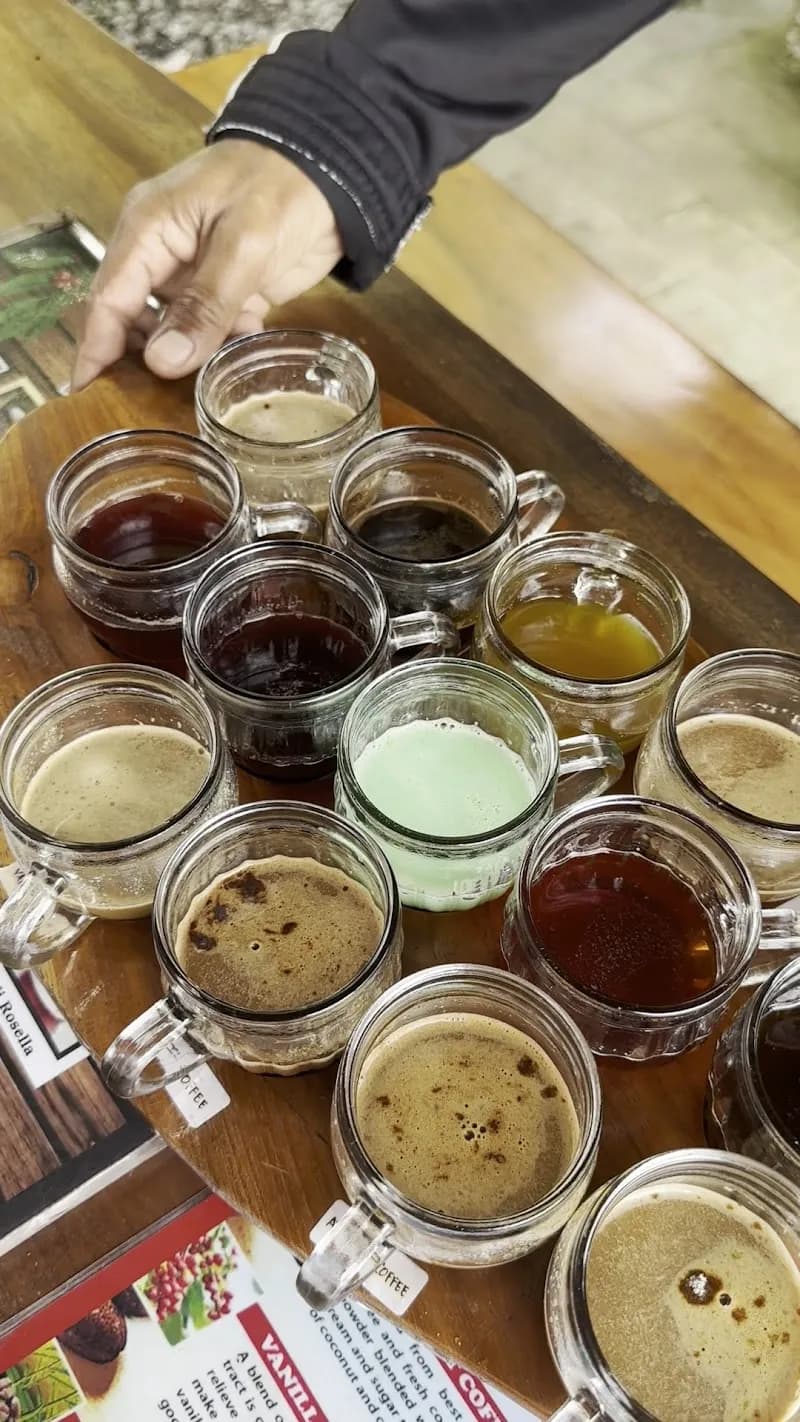
Photo: Google
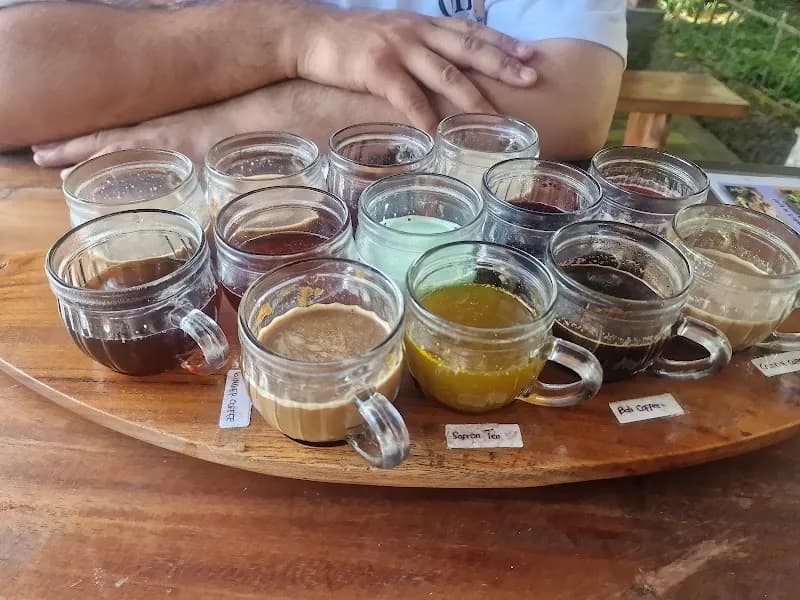
Photo: Google
Warung Kopi Bangli
$Cafe
🕑 30 minutes to 1 hour👶 Best for ages 4 and up. Older children and teens will appreciate experiencing genuine local culture, while younger school-age kids can enjoy simple snacks and watching the community interactions. The relaxed café setting is ideal for families wanting a break from tourist areas.🧡 Saved by 10 families
About
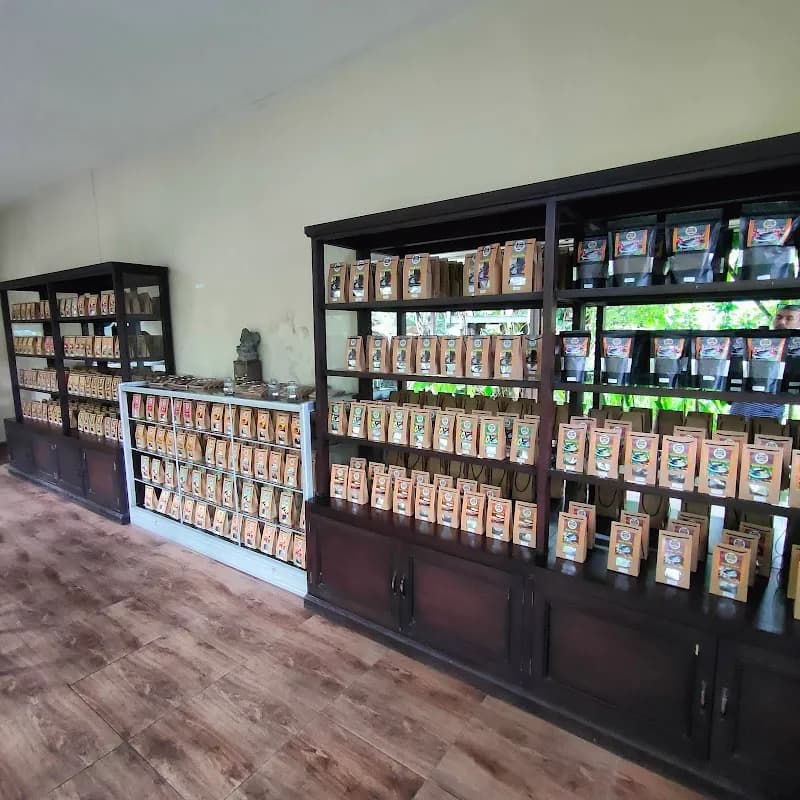
Warung Kopi Bangli offers traveling families an authentic slice of Balinese community life in a relaxed, welcoming café setting. This budget-friendly local spot is perfect for introducing children to traditional Indonesian coffee culture (with kid-friendly alternatives available) while parents enjoy genuine Balinese coffee and snacks in a casual, family-oriented atmosphere.
Highlights
- ✓Authentic cultural experience away from typical tourist venues
- ✓Budget-friendly prices perfect for traveling families
- ✓Opportunity to try traditional Balinese snacks and beverages
- ✓Welcoming local atmosphere where families gather
- ✓Chance for children to practice cross-cultural interaction and observation
Pro Tips
- 1.Cash is essential, as small local warungs in Bangli rarely accept credit cards. Bring Indonesian Rupiah in small denominations.
- 2.Learn a few basic Indonesian phrases like 'terima kasih' (thank you) before visiting. Locals appreciate the effort and it makes the experience more engaging for kids.
- 3.Visit during mid-morning (9-11am) for the quietest time and freshest snacks, avoiding the lunch rush when locals gather.
- 4.Ask about non-coffee drinks for kids. Most warungs offer fresh juices, sweet tea, or chocolate milk alongside traditional coffee.
- 5.This is a great opportunity to teach cultural respect. Remind children to use quiet voices and observe local customs, as this is an authentic community space, not a tourist attraction.
Best Time to Visit
Visit on weekday mornings between 9am and 11am when the café is quieter and you can have more relaxed interactions with staff. Avoid weekend afternoons when it gets busiest with local families. The dry season (April to October) is most comfortable for exploring Bangli.
What to Know
Expect to spend only a few dollars for the whole family at this budget-friendly local spot. English may be limited, so patience and a translation app are helpful. Seating is typically simple and casual, reflecting authentic local style rather than tourist amenities.
Seasonal Notes
Open year-round, but the dry season (April through October) is most pleasant for visiting Bangli. During Balinese holidays like Galungan or Nyepi, hours may vary or the café may close for ceremonies, so check ahead during these periods.
Nearby Eats
Since this is a café serving light snacks, consider pairing your visit with lunch at larger family restaurants in Bangli town center, where you'll find more substantial Indonesian and international meal options within a short walk.
More Activities Near Bangli
Restaurant
Candi Dasa Warung Cluster
$$
This cluster of traditional warungs (family-run eateries) offers an authentic taste of Balinese culture in a relaxed, welcoming environment perfect for families. Kids can experience genuine local cuisine without the fuss of fine dining, while parents enjoy affordable prices and the friendly hospitality that Bangli is known for. The casual atmosphere means children can be themselves while sampling new flavors and experiencing real Indonesian food culture.
Sports
Bangli Skatepark
★4.9$❤️82
Bangli Skatepark is a welcoming community sports complex where families can enjoy skateboarding, badminton, volleyball, and open recreational spaces in a friendly local atmosphere. With its impressive 4.9-star rating and budget-friendly pricing, this facility offers an authentic glimpse into how Balinese families stay active while giving your kids a chance to burn energy and potentially interact with local children.
Activity
Penglipuran Village
★4.8Free❤️122
Penglipuran Village offers families an authentic glimpse into traditional Balinese life through its beautifully preserved bamboo houses, stone-paved pathways, and welcoming locals. Kids will love exploring the car-free village streets, watching artisans craft traditional goods, and learning about Balinese culture in a safe, walkable environment that feels like stepping back in time.
Farm
Subak Juwuk Manis Rice fields walk
★4.8$❤️36
This authentic rice paddy experience offers families a rare chance to walk through vibrant green terraces while learning about Balinese farming traditions from local guides. Kids get hands-on education about sustainable agriculture, traditional irrigation systems called subak, and rural village life in a stunning natural setting that feels worlds away from typical tourist attractions.