Photo: Google

Photo: Google

Photo: Google
Hawa Mahal
★4.5(163,828 reviews)Activity
🕑 45 minutes to 1.5 hours👶 Best for ages 6 and up. Older children and teens appreciate the historical significance and unique architecture, while younger kids enjoy counting windows and taking fun photos. The climb up narrow staircases may be challenging for toddlers and requires supervision.🧡 Saved by 400+ families
About
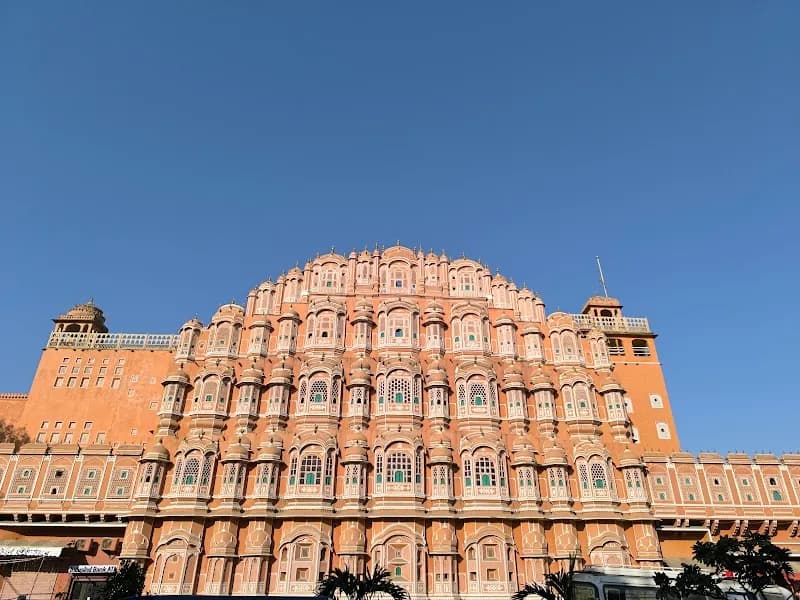
The Palace of Winds is a stunning pink sandstone marvel that looks like a giant honeycomb, making it one of India's most photographed landmarks and an excellent introduction to Indian architecture for children. Kids are fascinated by the 953 intricately carved windows (jharokhas) and the story of how royal women once watched street festivals from behind them without being seen, bringing history to life in an engaging way.
Highlights
- ✓Counting the 953 intricately carved small windows across five pink sandstone stories
- ✓Learning how royal women watched street festivals in secret from behind the latticed screens
- ✓Photographing the stunning honeycomb facade, especially beautiful in morning light
- ✓Exploring the cool interior corridors and passages that feel like a maze
- ✓Viewing the bustling Jaipur streets and nearby City Palace from the upper windows
Pro Tips
- 1.Visit early morning (9:00-10:00 AM) to avoid crowds and heat, making photos easier and the experience more enjoyable for restless children.
- 2.Enter through the City Palace side entrance for the best experience, as the main street view is often congested with traffic and vendors.
- 3.Bring bottled water and snacks as there are no facilities inside, and the climb through five floors can be tiring for little ones.
- 4.The best photo opportunity is actually from the street side cafe opposite Hawa Mahal, where you can capture the full facade without climbing.
- 5.Hire an English-speaking guide at the entrance (around 300-500 rupees) to share fascinating stories about royal women that captivate children's imaginations.
Best Time to Visit
October to March offers pleasant weather for exploring. Visit on weekday mornings (9:00-10:30 AM) to beat tour groups and afternoon heat. Avoid weekends and Indian holidays when crowds make navigating the narrow passages with children difficult.
What to Know
Entry costs around 200 rupees for foreign adults and 50 rupees for children (prices subject to change). The monument involves climbing steep, narrow staircases without elevators, so it is not stroller or wheelchair accessible. No food is available inside, and restroom facilities are basic.
Seasonal Notes
Best visited October through March when temperatures are cooler (15-25°C). Summer months (April-June) can be extremely hot (40°C+), making the climb uncomfortable for children. Monsoon season (July-September) brings humidity but fewer crowds. The monument remains open year-round except on major national holidays.
Nearby Eats
Laxmi Misthan Bhandar (LMB) on Johari Bazaar (10-minute walk) offers traditional Rajasthani vegetarian thalis in a family-friendly setting with milder options for kids. Alternatively, Rawat Mishtan Bhandar serves famous kachoris and sweets that children enjoy, with clean seating and reasonable prices.
More Activities Near Jaipur
Activity
Govind Dev Ji Temple
❤️13
Govind Dev Ji Temple offers families a captivating introduction to Indian spirituality and Rajasthani architecture in the heart of Jaipur's City Palace complex. Children will be fascinated by the ornate decorations, colorful rituals, and the melodious evening aarti ceremonies that include singing, bells, and lamps. This peaceful temple provides an authentic cultural experience where families can witness local devotion and learn about Hindu traditions in a welcoming environment.
Activity
Diggi Palace
Diggi Palace offers families a captivating journey into Rajasthan's royal heritage through stunning architecture, peaceful courtyards, and vibrant cultural performances. Kids will be fascinated by the colorful traditional palace design, intricate wall paintings, and opportunities to experience Indian music and dance during special events, making history come alive in an authentic setting.
Activity
Jantar Mantar
★4.5Free❤️190
Jantar Mantar is an outdoor astronomical observatory built in the 1700s featuring massive geometric stone structures that look like something from a science fiction movie. Kids are fascinated by these giant sundials and instruments that still work today, making it a hands-on way to learn about ancient astronomy, mathematics, and Indian scientific achievements while exploring what feels like an open-air museum of mysterious monuments.
Museum
The City Palace
★4.4❤️53
The City Palace offers a magical journey into royal Indian history that will captivate curious kids with its ornate architecture, colorful courtyards, and fascinating museum collections. Children aged 8 and up will be enthralled by the giant silver urns, intricate weaponry displays, and the chance to see how maharajas lived in this still-functioning palace where the royal family maintains private quarters.