Photo: Google

Photo: Google
Photo: Google
Komachidori Bookstore Café
$Cafe
🕑 45 minutes to 1.5 hours👶 Best for ages 4-12. Younger children who enjoy picture books and quiet activities will appreciate the browsing experience, while older kids interested in manga, Japanese culture, or reading in general will find plenty to explore. Toddlers may find it challenging to stay engaged in this calm environment.
About
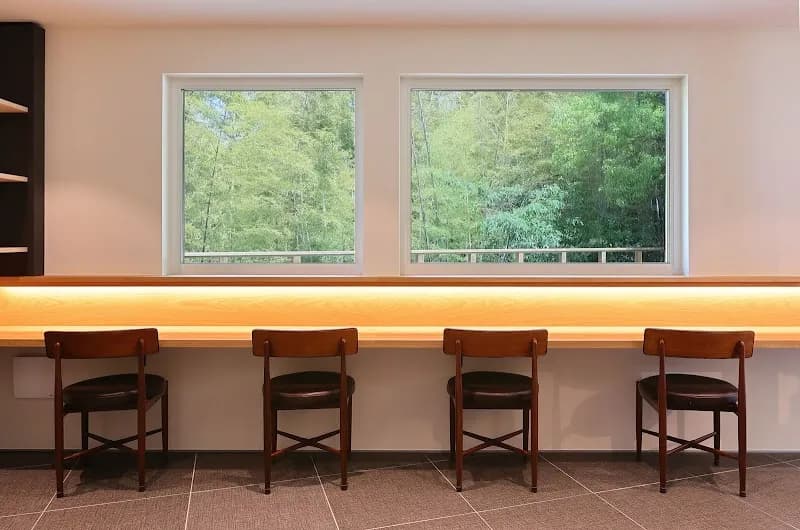
This cozy independent bookstore cafe in historic Kamakura offers a peaceful retreat where families can browse Japanese and international books while enjoying drinks and light snacks. The relaxed atmosphere makes it an ideal stop for parents looking to introduce children to Japanese book culture or simply take a quiet break from sightseeing in this temple-filled city.
Highlights
- ✓Authentic Japanese bookstore experience with local atmosphere
- ✓Children's book section featuring Japanese picture books and manga
- ✓Quiet, air-conditioned space perfect for recharging during busy sightseeing days
- ✓Affordable Japanese cafe drinks and snacks to try
- ✓Opportunity to see how locals browse and enjoy bookstore culture in Japan
Pro Tips
- 1.Many Japanese bookstores have picture books and manga with minimal text that are perfect for non-Japanese speakers. Ask staff for English language sections or visually oriented books.
- 2.Visit after exploring nearby Kamakura temples (like Hasedera or Komachi Street shops) when kids need a quiet rest stop.
- 3.Bring a translation app to help navigate Japanese book titles and cafe menu items, though staff may have basic English menus available.
- 4.The cafe serves light snacks rather than full meals, so plan this as a snack stop rather than a lunch destination.
- 5.Purchase small Japanese stationery or simple picture books as unique souvenirs that pack easily in luggage.
Best Time to Visit
Weekday afternoons between 2-4pm are quietest, avoiding both the lunch rush and weekend crowds. Mornings can be busier with local regulars. Visit during cooler months (October-April) when indoor activities are especially appealing after temple walking.
What to Know
Budget-friendly with beverages and snacks typically under 500-800 yen ($4-6 USD). Cash is preferred at many small Japanese cafes, so have yen ready. The space is cozy and may have limited seating during busy periods.
Seasonal Notes
Open year-round. Especially welcome during rainy season (June-July) or hot summer months when an indoor break is needed. Winter months offer a cozy refuge from cold temple touring.
Nearby Eats
Komachi Street (Komachidori), where the bookstore is located, is lined with family-friendly restaurants including conveyor belt sushi spots and casual udon noodle shops that kids typically enjoy. For a treat, look for the many sweet shops selling freshly made mochi and Japanese desserts.
More Activities Near Kamakura
Restaurant
Kamakura marche' un
$$
Kamakura marche' un is a delightful market-style restaurant that combines the best of a bakery, patisserie, and casual eatery, perfect for families exploring historic Kamakura. Kids will love choosing from the colorful display of fresh pastries, cakes, and both Japanese and Western-style dishes in a relaxed, welcoming atmosphere. The fresh local produce and artisan foods make it easy to please even picky eaters while parents enjoy quality ingredients and charming Japanese hospitality.
Restaurant
Kamakura Marché
$$❤️11
Kamakura Marché is a welcoming market-style restaurant where families can enjoy the best of both worlds: fresh Japanese local produce and familiar Western comfort foods that even picky eaters will approve. The casual, market atmosphere means kids can explore different food stalls while parents sample artisan offerings, making mealtime an adventure rather than a formal dining experience.
Activity
Kotoku-in
★4.4❤️29
The Great Buddha of Kamakura is a monumental 13th-century bronze statue that stands over 40 feet tall and offers a truly unique experience: children can actually walk inside the hollow statue for a small fee. This iconic landmark provides an accessible introduction to Japanese Buddhist culture and history, with the interactive element of exploring the statue's interior making it especially memorable for young visitors.
Activity
Tsurugaoka Hachimangu
★4.4❤️172
Tsurugaoka Hachimangu is Kamakura's most important Shinto shrine, offering families a captivating introduction to Japanese culture and spirituality. Kids will love exploring the expansive grounds, crossing the iconic red bridges over lotus ponds, climbing the grand stone staircase to the main hall, and spotting koi fish while learning about traditional shrine customs like making offerings and drawing fortune papers.