Photo: Cristina G.
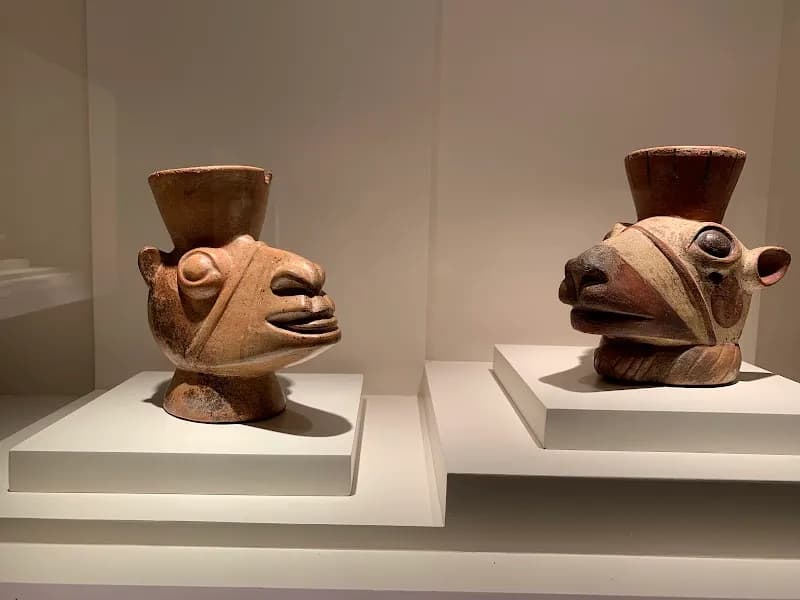
Photo: Yuri Mancilla Gudiel
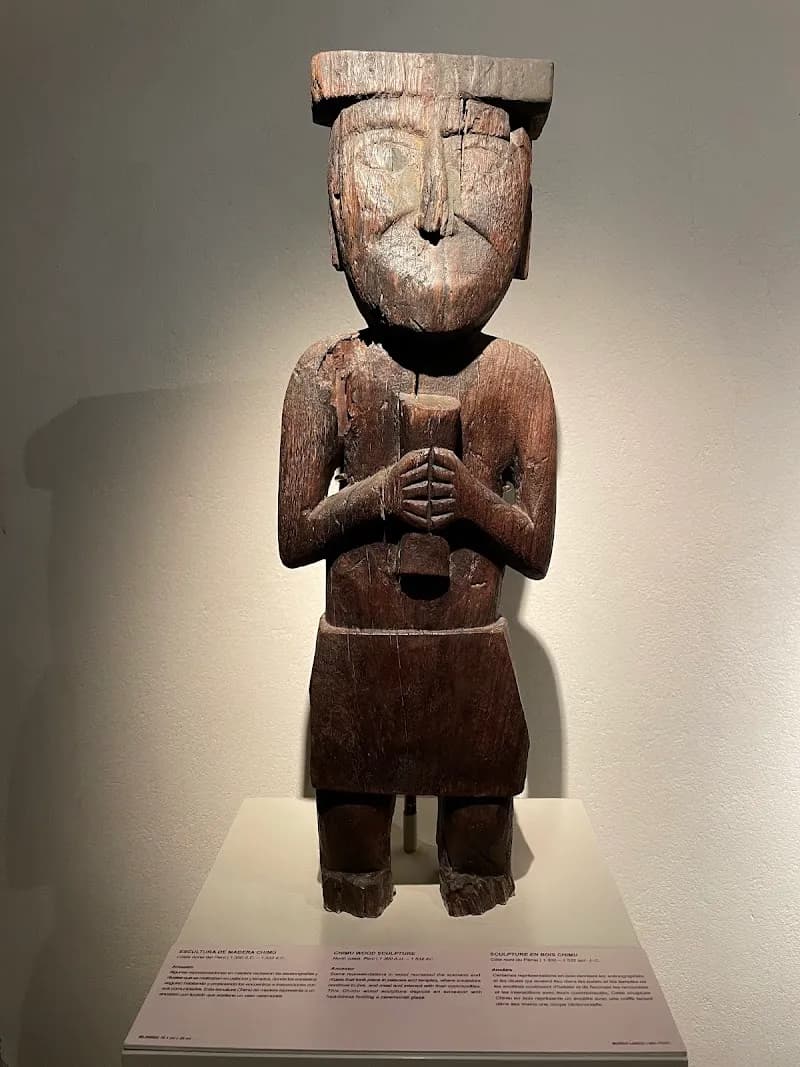
Photo: Philippe CHATON
Museo de Arte Precolombino Larco
★4.7(1,017 reviews)$Museum
🕑 1.5 to 2 hours👶 Best for ages 6 and up. School-age children and teens appreciate the storytelling approach and visual displays, while younger kids may lose interest after 30-45 minutes. The museum's clear presentation helps kids grasp ancient civilizations without heavy reading.🧡 Saved by 36 families
About
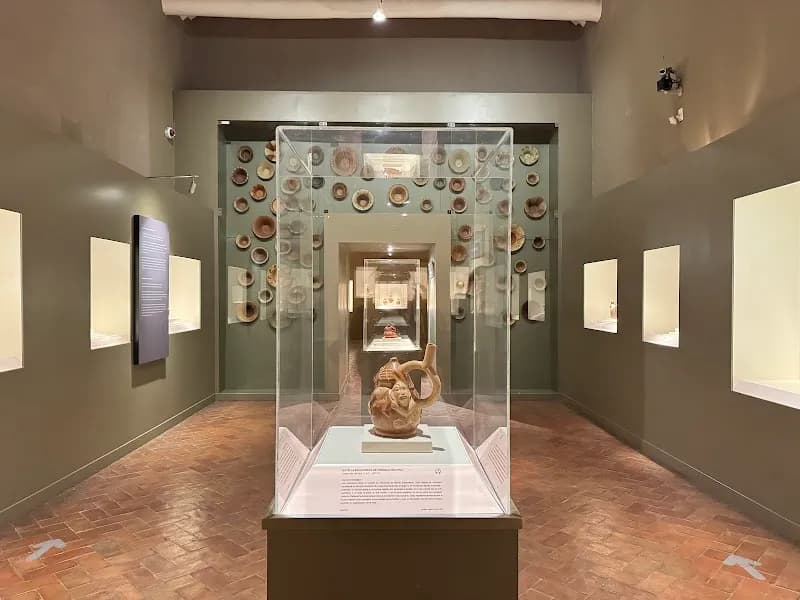
The Museo Larco offers an engaging introduction to ancient Peru through beautifully displayed pottery, textiles, and artifacts that tell visual stories kids can actually understand. The interactive displays and stunning ceramics collection (including some cheeky adult pieces in a separate gallery) make pre-Columbian history come alive, perfect for curious minds before or after visiting Machu Picchu.
Highlights
- ✓Colorful pottery depicting animals, warriors, and daily life in ancient Peru
- ✓Impressive textile displays showing intricate weaving techniques still used today
- ✓Beautiful colonial mansion setting with peaceful gardens for running breaks
- ✓Interactive displays that help kids understand how ancient Peruvians lived
- ✓Gold and silver jewelry collection that sparkles and captures young imaginations
Pro Tips
- 1.Visit in the morning when kids are fresh, as altitude fatigue can set in later in the day at Cusco's 11,150 feet elevation
- 2.The beautiful garden cafe is perfect for a snack break if kids need to recharge mid-visit
- 3.Audio guides are available in English and add context that brings the artifacts to life for older children
- 4.There's a separate erotic pottery gallery that parents can skip with younger kids or use as a teachable moment with teens
- 5.Purchase the combined ticket with MAP (Museum of Pre-Columbian Art) for a fuller cultural experience at a discount
Best Time to Visit
Visit on weekday mornings (9-11am) to avoid tour groups, or late afternoons after 3pm when cruise tour buses have departed. The museum is open year-round, making it an excellent rainy day activity during Cusco's wet season (November to March).
What to Know
Entry costs approximately 20 soles (about $5 USD) for adults with discounts for children. The museum has accessible pathways and restrooms. The on-site cafe serves light meals and snacks, and there's a well-stocked gift shop with quality souvenirs.
Seasonal Notes
Open year-round, making it ideal for rainy days during Cusco's wet season (November through March). The museum can be particularly busy during peak tourist season (June to August) when advance booking is recommended.
Nearby Eats
The museum's own Cafe del Museo offers kid-friendly Peruvian dishes in a lovely garden setting. For nearby options, head to Green Point (5-minute walk) for vegan and vegetarian dishes kids enjoy, or Jack's Cafe (10-minute walk) for familiar breakfast and comfort foods.
More Activities Near Cusco
Museum
Andean Cosmovision Museum
$
The Andean Cosmovision Museum offers families a fascinating journey into the spiritual beliefs and worldview of Andean cultures through interactive exhibits and ancient artifacts. This intimate museum provides an excellent educational opportunity for children to learn about Peruvian indigenous traditions, astronomy, and the connection between nature and spirituality in a way that goes beyond the typical Machu Picchu tour.
Museum
Planetario de Cusco
$❤️13
The Planetario de Cusco offers an enchanting introduction to astronomy through interactive shows that bring the southern hemisphere's night sky to life. Located at high altitude where stars shine brilliantly clear, this planetarium uses immersive visuals and engaging presentations to spark children's curiosity about space, constellations, and Incan astronomy. It's an educational escape that works perfectly on a rainy day or as a fascinating complement to exploring Cusco's ancient sites.
Museum
Retablo Museum
$
The Retablo Museum offers a colorful, culturally immersive experience perfect for introducing children to Peruvian folk art. The three-dimensional retablo boxes depict vibrant stories from Andean life, featuring tiny handcrafted figures, animals, and scenes that captivate young imaginations. This small, manageable museum provides an educational yet entertaining way to explore local traditions without overwhelming little ones.
Museum
Traditional Textile Center of Cusco
★4.5$❤️18
This interactive textile museum offers children a fascinating hands-on introduction to Peruvian weaving traditions through live demonstrations by local artisans. Kids are captivated watching skilled weavers transform alpaca and llama wool into colorful textiles using centuries-old techniques, making it an educational and culturally enriching experience that brings Peru's indigenous heritage to life.