Photo: Google
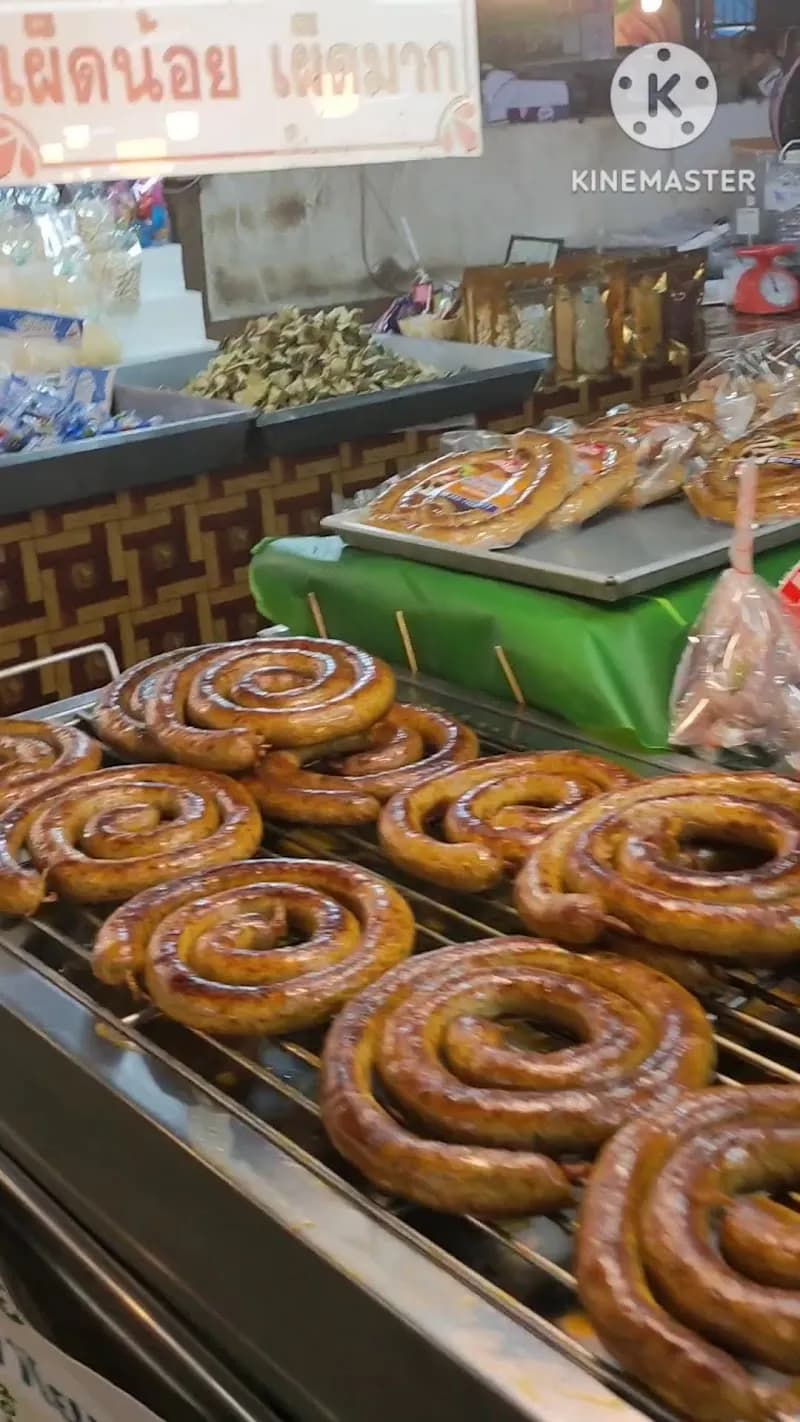
Photo: Google
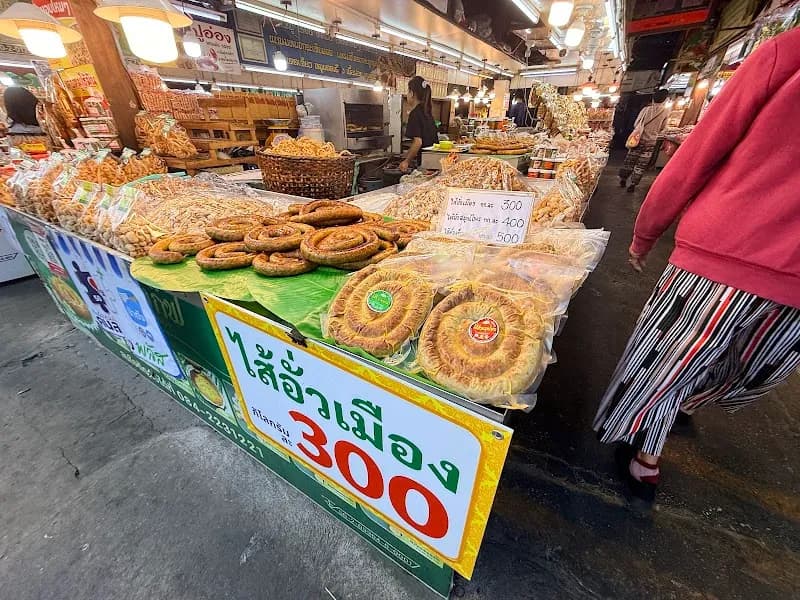
Photo: Google
Ton Payom Cycling Routes
Adventure
🕑 1.5 to 2.5 hours👶 Best for ages 5 and up who can confidently ride their own bikes. Younger children (3-4) can enjoy the route in child seats or tag-along attachments. The flat, easy terrain and slow pace make this ideal for beginning cyclists building confidence.
About
Ton Payom offers a safe, authentic Thai neighborhood cycling experience away from Chiang Mai's busy tourist areas. Families can pedal through quiet residential streets at their own pace, waving to friendly locals, spotting neighborhood temples, and experiencing everyday Thai community life in a relaxed, traffic-light setting.
Highlights
- ✓Authentic glimpse into Thai residential life away from tourist crowds
- ✓Safe, flat terrain perfect for families and beginning cyclists
- ✓Opportunity to spot neighborhood temples, spirit houses, and local markets
- ✓Friendly interactions with local residents, especially if kids greet them in Thai
- ✓Peaceful escape from Chiang Mai's busy streets with minimal traffic
Pro Tips
- 1.Rent bikes from shops near Ton Payom area rather than in Old City to save time and money. Ask for child seats or kids' bikes in advance.
- 2.Start your ride early morning (7-9am) when it's coolest and locals are most active with morning routines, markets, and temple visits.
- 3.Bring a Thai phrasebook or translation app. Locals are friendly and children saying 'sawasdee ka/krap' (hello) often leads to warm interactions.
- 4.Pack your own water bottles and snacks. This is a residential area with limited tourist facilities, but you'll find small local shops for refreshments.
- 5.Wear helmets and bright clothing. While traffic is light, Thai driving styles differ from Western countries.
Best Time to Visit
November to February offers the coolest, most comfortable weather for cycling. Visit on weekday mornings (7-9am) to see authentic local life and avoid the midday heat. Avoid rainy season afternoons (June-October) when sudden downpours are common.
What to Know
Bike rentals in Chiang Mai typically cost 50-150 baht per day (child bikes and accessories available). No admission fees for cycling public streets. Bring sun protection, as shade is limited, and carry small bills for any snack stops at local shops.
Seasonal Notes
Best during cool season (November to February) when temperatures are comfortable. Hot season (March-May) can be challenging with temperatures exceeding 35C. Rainy season (June-October) brings afternoon showers that can make cycling difficult, though mornings are usually clear.
Nearby Eats
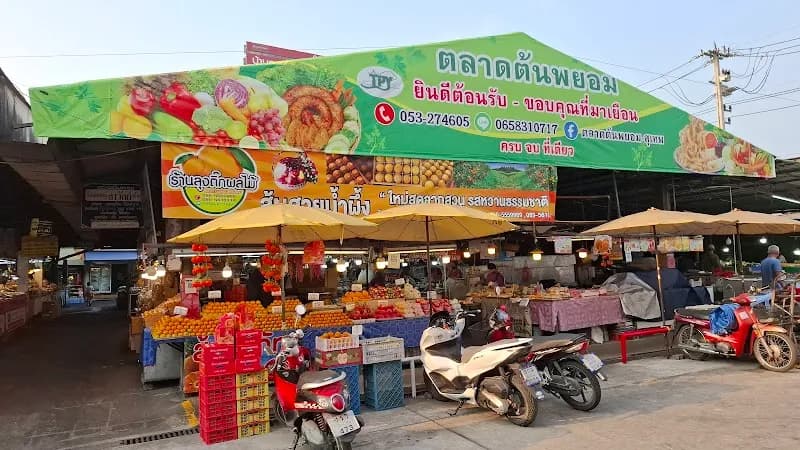
Stop at local markets in Ton Payom for fresh fruit, grilled meats on sticks, and mango sticky rice that kids love. For a sit-down meal, head to nearby Nimman area (10-minute ride) for family-friendly cafes and restaurants with English menus and Western options alongside Thai dishes.
More Activities Near Ton Payom
Sports
Community Basketball Courts
$
These local community basketball courts in Ton Payom offer an authentic slice of neighborhood life where families can shoot hoops, practice sports skills, and connect with local Thai families. The open-access setting provides a relaxed, informal atmosphere perfect for burning off energy and experiencing genuine community recreation in Chiang Mai.
Ice Cream
Local Ice Cream Vendors (Ton Payom)
$
Discover authentic Thai ice cream culture at charming neighborhood vendors in Ton Payom, where families can sample unique tropical flavors and traditional frozen treats at incredibly affordable prices. These beloved local spots offer a genuine slice of everyday Thai life, with friendly vendors often serving coconut ice cream in traditional ways and unusual flavors like mango sticky rice, taro, and pandan that will delight adventurous young eaters.
Park
Ton Payom Community Park
Free
Ton Payom Community Park offers families a peaceful escape from Chiang Mai's bustling city center with shaded walking paths perfect for stroller-friendly exploration and plenty of open green spaces where kids can run freely. This authentic neighborhood park gives visiting families a chance to experience local Thai community life while children play among tropical plants and friendly locals enjoying their morning routines.
Playground
Small Local Playgrounds
Free❤️6
These authentic community playgrounds in Ton Payom offer international families a wonderful opportunity to experience everyday Thai life while letting kids burn off energy. With basic playground equipment, shaded gathering areas, and welcoming local families, these spaces provide a genuine cultural exchange where children naturally connect through play, regardless of language barriers.