Photo: Google
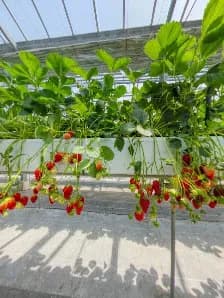
Photo: Google
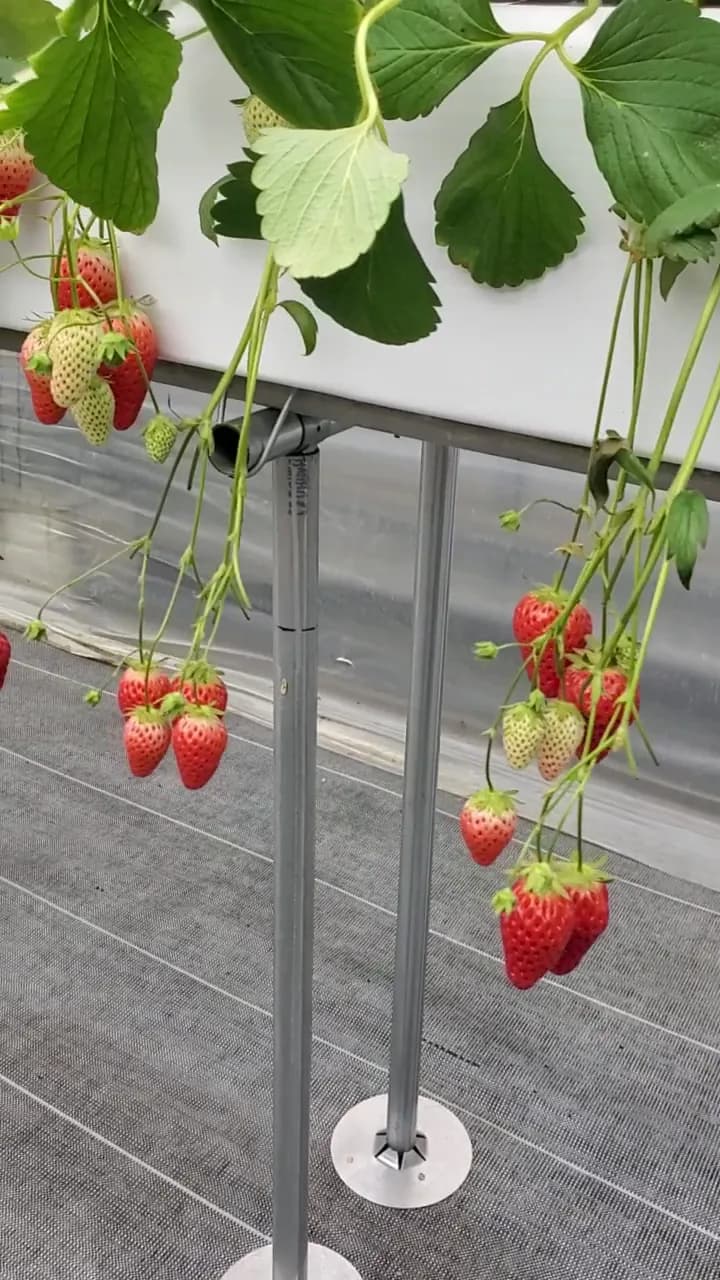
Photo: Google
Grand Berry
★4.0(124 reviews)$Farm
🕑 1-2 hours👶 Best for ages 2-12. Toddlers and preschoolers love the simple joy of picking fruit they can eat immediately, while elementary-aged kids enjoy learning about Japanese farming methods and taking responsibility for filling their baskets.
About
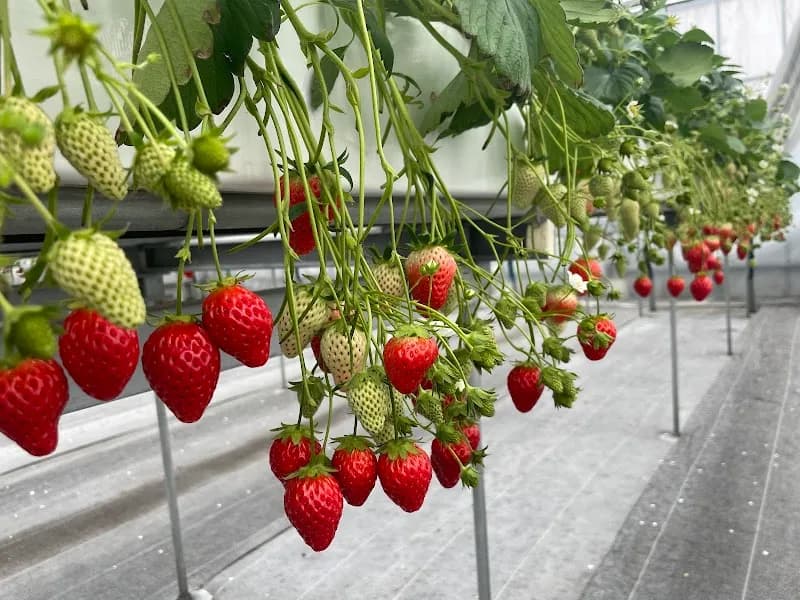
Grand Berry offers an authentic Japanese fruit picking experience where kids can harvest fresh strawberries and seasonal fruits directly from the fields. This hands-on agricultural adventure lets children connect with nature while enjoying the sweet reward of eating their own freshly picked fruit, making it a memorable and educational activity for families visiting Osaka.
Highlights
- ✓All-you-can-eat fruit picking where kids can taste berries right off the plant
- ✓Learning about Japanese agricultural practices in a real working farm setting
- ✓Photo opportunities among the strawberry rows and fruit plants
- ✓Seasonal variety with different fruits available throughout the year beyond strawberries
- ✓Authentic local experience away from typical tourist attractions
Pro Tips
- 1.Make a reservation in advance, especially during peak strawberry season (December to May), as slots fill quickly and walk-ins may not be accommodated.
- 2.Arrive early in the day when fruit is most plentiful and temperatures are cooler, especially important during warmer months.
- 3.Bring wet wipes or a small towel as handwashing facilities may be basic, and kids will have juice-stained hands from eating berries.
- 4.Download a translation app beforehand as staff may have limited English, though they are very welcoming to international families and use gestures effectively.
- 5.Wear comfortable, closed-toe shoes that can get dirty as you will be walking through fields, and dress kids in clothes that can handle berry stains.
Best Time to Visit
Visit during strawberry season (December through May) on a weekday morning around opening time for the freshest fruit and smallest crowds. Weekends get busy with local families, especially during school holidays.
What to Know
Pricing is typically based on a time limit (30-60 minutes) with all-you-can-eat fruit picking. The farm is closed Mondays, and payment is usually cash-based, so bring yen as credit cards may not be accepted.
Seasonal Notes
Strawberry picking season runs December through May and is the most popular time. Other seasonal fruits may be available at different times of year. The farm closes on Mondays year-round, so plan accordingly when scheduling your Osaka itinerary.
Nearby Eats
The Yao area has family-friendly conveyor belt sushi restaurants and casual udon shops within a short drive. Consider packing snacks for the journey as the farm is in a more rural area of Osaka with limited immediate dining options.
More Activities Near Yao
Museum
Yao City Museum
$❤️6
Yao City Museum offers an excellent introduction to Japanese local history through hands-on exhibits specifically designed with young visitors in mind. This welcoming neighborhood museum provides interactive learning experiences about Yao's cultural heritage, making it perfect for families seeking an educational yet entertaining indoor activity in the Osaka region.
Park
Kasugataisha Shrine
★4.5Free❤️244
Kasugataisha Shrine offers families a magical introduction to Japanese culture with its serene gardens, moss-covered stone lanterns, and friendly deer that roam freely throughout the grounds. The wide, well-maintained walking paths make it easy to navigate with strollers, and children are captivated by the thousands of bronze and stone lanterns lining the trails, creating an enchanting atmosphere that feels like stepping into a storybook.
Library
Yao Library
★4.3Free❤️36
Yao Library offers a welcoming retreat for families exploring Osaka with children, featuring an extensive children's section and interactive learning spaces that transcend language barriers. The library provides a quiet, air-conditioned space where kids can discover Japanese picture books, participate in story time programs, and engage with educational activities while parents take a break from sightseeing.
Playground
Ikoma Sanjo Amusement Park
★4.2Free❤️34
Ikoma Sanjo Amusement Park offers families a fantastic free playground experience in the Osaka area, featuring expansive slides, varied climbing structures, and equipment thoughtfully designed for different age ranges. This popular local spot provides an authentic glimpse into Japanese neighborhood play culture while giving kids plenty of space to burn energy in a well-maintained setting.