
Photo: Google
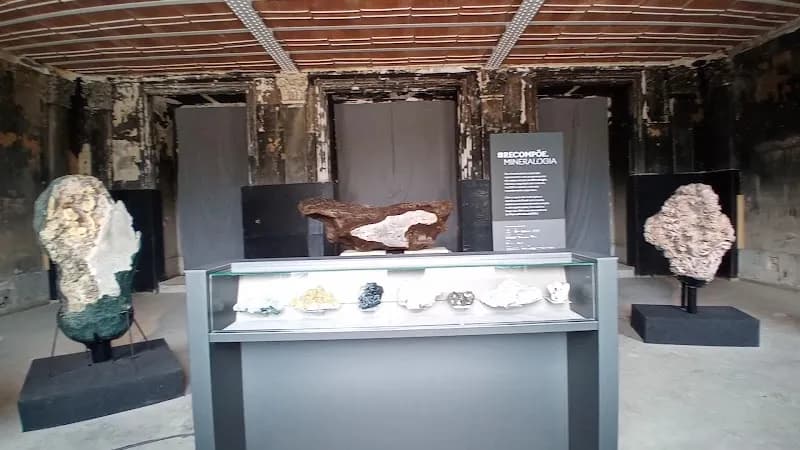
Photo: Google
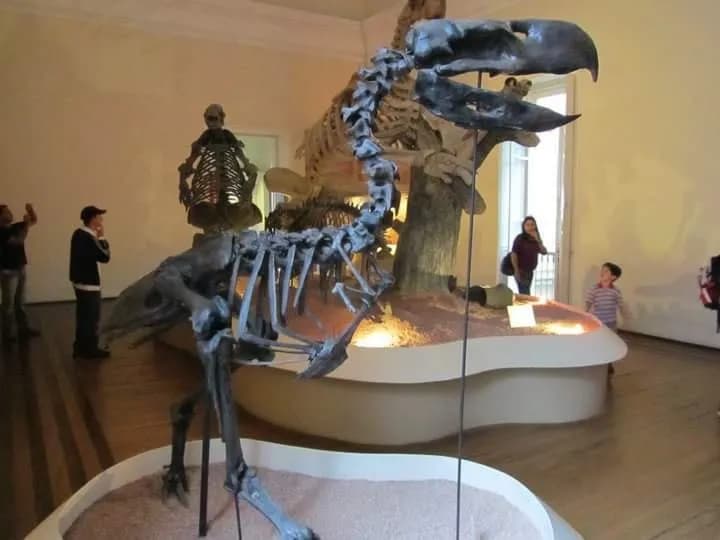
Photo: Google
National Museum of Brazil
★4.6(2,427 reviews)$Museum
🕑 2.5 to 3.5 hours👶 Best for ages 5-14. Younger elementary students are mesmerized by the dinosaur skeletons and mummies, while preteens and teens appreciate the extensive cultural artifacts and scientific exhibits. Toddlers may enjoy it but the large museum can be overwhelming for very young children.🧡 Saved by 20 families
About
Brazil's largest natural history museum offers an incredible journey through time with real Egyptian mummies, impressive dinosaur fossils, and fascinating collections spanning minerals, wildlife, and indigenous cultures. Located in the beautiful Quinta da Boa Vista park, this museum provides hours of educational entertainment that will captivate curious kids while giving parents a chance to introduce Brazilian and world history in an engaging, hands-on environment.
Highlights
- ✓Authentic Egyptian mummies that fascinate children of all ages
- ✓Impressive dinosaur fossil collection including large skeletal displays
- ✓Massive meteorite collection including the famous Bendego meteorite weighing over 5 tons
- ✓Indigenous Brazilian cultural artifacts and ceremonial items
- ✓Extensive taxidermy animal collection showcasing Brazilian wildlife
Pro Tips
- 1.Visit on weekday mornings to avoid large school groups and weekend crowds
- 2.The museum is located within Quinta da Boa Vista park, so plan extra time for kids to run around in the green spaces and visit the nearby Rio Zoo
- 3.Bring snacks and water as on-site food options are limited, though the park has vendors outside
- 4.Download a translation app as most exhibits are labeled in Portuguese only, which is essential for English-speaking families
- 5.Wear comfortable walking shoes as the museum is expansive with multiple floors to explore
Best Time to Visit
Visit Tuesday through Thursday mornings between 10am and 12pm when the museum is less crowded and kids are fresh. Avoid weekends and school holidays when local families pack the venue. The dry season (May to October) is ideal for combining your museum visit with enjoying the surrounding park.
What to Know
Entry is very affordable at around $1 USD equivalent (budget-friendly for families). The museum is located within a public park, so parking can be found nearby. Limited food available inside, so pack snacks. Most signage is in Portuguese, so non-speakers should prepare accordingly.
Seasonal Notes
The museum is open year-round, but the dry season (May through October) offers the most comfortable weather for exploring both the museum and the surrounding Quinta da Boa Vista park. Be aware that Brazilian school holidays (July and December-February) bring larger crowds.
Nearby Eats
The Quinta da Boa Vista park has food vendors and small cafes near the entrance serving Brazilian snacks like pasteis and acai bowls. For a sit-down meal, head to the nearby São Cristóvão neighborhood (10-minute drive) where you'll find family-friendly churrascarias and casual Brazilian restaurants.
More Activities Near Rio de Janeiro
Museum
Museu da Imagem e do Som
$
The Museu da Imagem e do Som offers an interactive journey through Brazil's rich cultural heritage, perfect for families wanting to experience the country's music, film, and television history. The hands-on exhibits and audiovisual displays keep children engaged while introducing them to Brazilian culture in an entertaining, accessible way that goes beyond traditional museum experiences.
Museum
Museu do Amanhã
$
The Museum of Tomorrow is a stunning waterfront science museum that makes complex topics like climate change, technology, and sustainability accessible and exciting for kids through immersive, hands-on exhibits. Housed in a futuristic building designed by Santiago Calatrava, this interactive museum encourages children to think about how their choices today shape the world of tomorrow, making it both educational and deeply engaging for curious young minds.
Museum
Museu da Astronomia e Ciências Afins
$
This interactive science museum and planetarium offers hands-on exhibits that make astronomy and physics come alive for curious kids. Young visitors can explore natural phenomena through engaging displays, enjoy planetarium shows, and participate in experiments that transform complex scientific concepts into fun, memorable experiences.
Museum
Museu Interativo de Tecnologia
$
The Museu Interativo de Tecnologia offers an exciting hands-on learning experience where kids can explore robotics, computers, and cutting-edge innovations through interactive exhibits. This budget-friendly museum encourages children to touch, experiment, and discover, making complex technology concepts accessible and fun for young minds.