Photo: Google
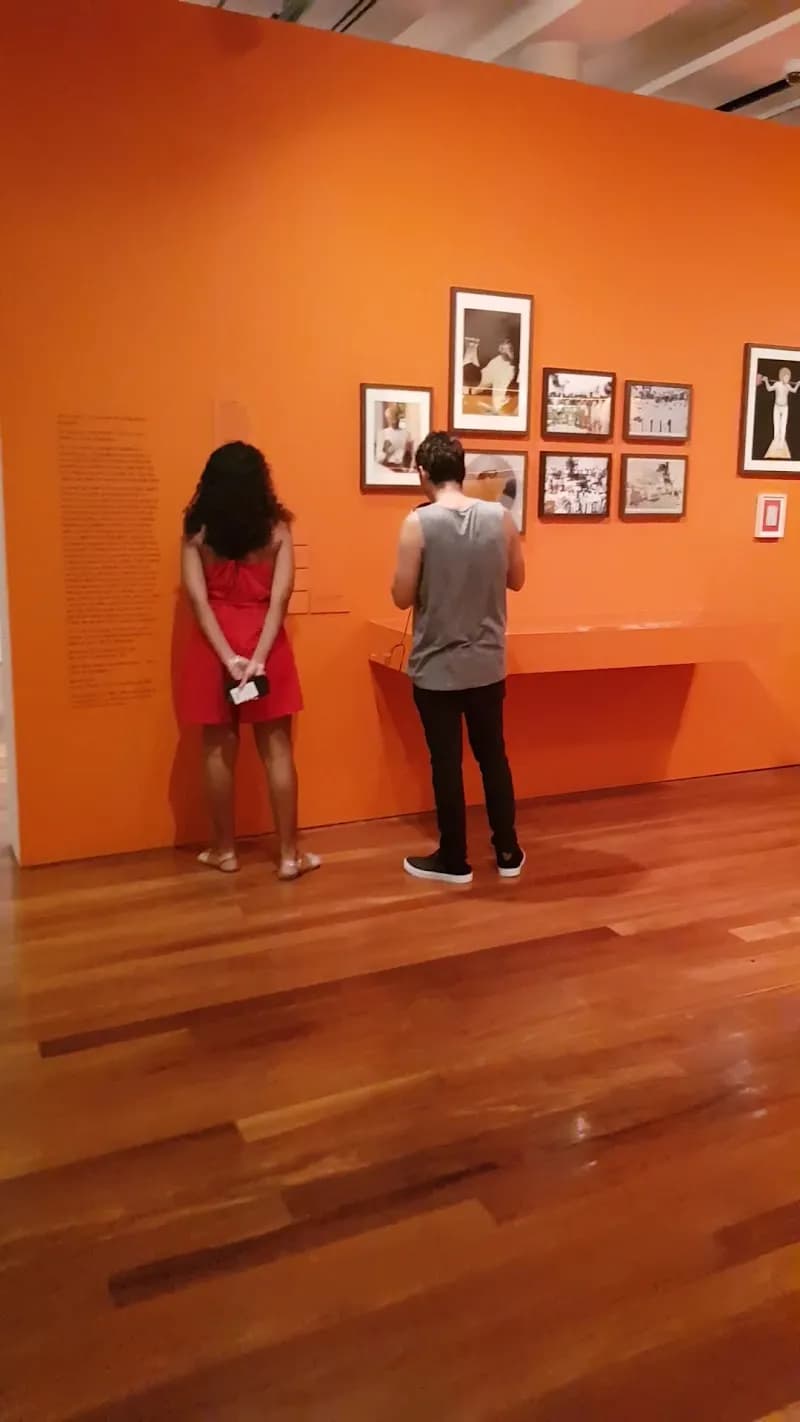
Photo: Google

Photo: Google
Rio Museum of Art
★4.7(21,497 reviews)$Museum
🕑 1.5 to 2 hours👶 Best for ages 5 and up. School-age children and teens will appreciate the interactive exhibits and contemporary art installations, while younger kids (5-8) enjoy the hands-on learning spaces. The museum's educational approach helps children connect with Brazilian culture through art in an engaging way.🧡 Saved by 450+ families
About
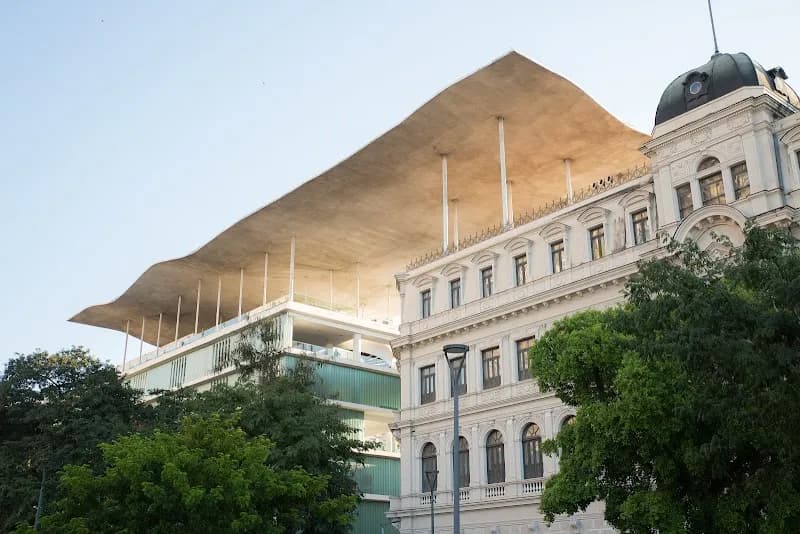
The Rio Museum of Art (MAR) offers a refreshing cultural experience for families, blending contemporary Brazilian art with hands-on interactive spaces designed to engage young minds. Located in the revitalized Porto Maravilha waterfront area, this modern museum features rotating family-friendly exhibitions and educational programs that make art accessible and fun for children, all while offering stunning views of Guanabara Bay.
Highlights
- ✓Interactive art installations designed specifically for children to touch and explore
- ✓Stunning waterfront location with panoramic views of Guanabara Bay
- ✓Rotating exhibitions featuring Brazilian and Latin American contemporary art
- ✓Educational workshops and family programs (check schedule in advance)
- ✓The striking wave-like modern architecture of the building itself
Pro Tips
- 1.Visit on Tuesday or Thursday mornings (11 AM opening) for the smallest crowds, as weekends can get busy with local families.
- 2.Ask at the front desk about English-language materials or family activity guides, as most signage is in Portuguese. Some staff members speak English and can provide context for exhibitions.
- 3.The museum offers free admission on Sundays, making it an excellent budget-friendly option, though expect larger crowds on these days.
- 4.Combine your visit with a walk around Praça Mauá and the nearby Museum of Tomorrow for a full day of waterfront exploration.
- 5.Bring sunscreen and hats if you plan to explore the outdoor plaza areas, as the waterfront location offers limited shade.
Best Time to Visit
Visit on weekday mornings (Tuesday or Thursday, 11 AM to 1 PM) for a quieter experience with cooler temperatures. Avoid Sunday afternoons when free admission attracts large crowds, unless you don't mind the busier atmosphere.
What to Know
Admission is very affordable ($ price range) with free entry on Sundays. The museum has air conditioning, restrooms, and a small cafe area. Most exhibits and information are in Portuguese, so international visitors should be prepared with translation apps or request English materials at the desk.
Seasonal Notes
Rio's museums are comfortable year-round thanks to air conditioning. The museum may have special holiday programming during Brazilian school vacation periods (December-February and July), which can mean more crowds but also additional family activities. Check the website for rotating exhibition schedules.
Nearby Eats
The nearby Boulevard Olímpico area has several casual dining options including Cafeteria Colombo (Brazilian cafe with pastries kids enjoy) and various food kiosks along the waterfront. For a quick bite, the museum's own cafe offers snacks, though options are limited.
More Activities Near Rio de Janeiro
Museum
Museu da Imagem e do Som
$
The Museu da Imagem e do Som offers an interactive journey through Brazil's rich cultural heritage, perfect for families wanting to experience the country's music, film, and television history. The hands-on exhibits and audiovisual displays keep children engaged while introducing them to Brazilian culture in an entertaining, accessible way that goes beyond traditional museum experiences.
Museum
Museu do Amanhã
$
The Museum of Tomorrow is a stunning waterfront science museum that makes complex topics like climate change, technology, and sustainability accessible and exciting for kids through immersive, hands-on exhibits. Housed in a futuristic building designed by Santiago Calatrava, this interactive museum encourages children to think about how their choices today shape the world of tomorrow, making it both educational and deeply engaging for curious young minds.
Museum
Museu da Astronomia e Ciências Afins
$
This interactive science museum and planetarium offers hands-on exhibits that make astronomy and physics come alive for curious kids. Young visitors can explore natural phenomena through engaging displays, enjoy planetarium shows, and participate in experiments that transform complex scientific concepts into fun, memorable experiences.
Museum
Museu Interativo de Tecnologia
$
The Museu Interativo de Tecnologia offers an exciting hands-on learning experience where kids can explore robotics, computers, and cutting-edge innovations through interactive exhibits. This budget-friendly museum encourages children to touch, experiment, and discover, making complex technology concepts accessible and fun for young minds.