Old Tunnel State Park
About
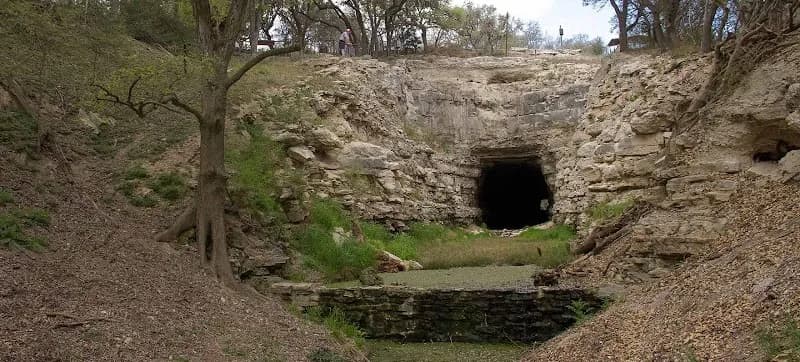
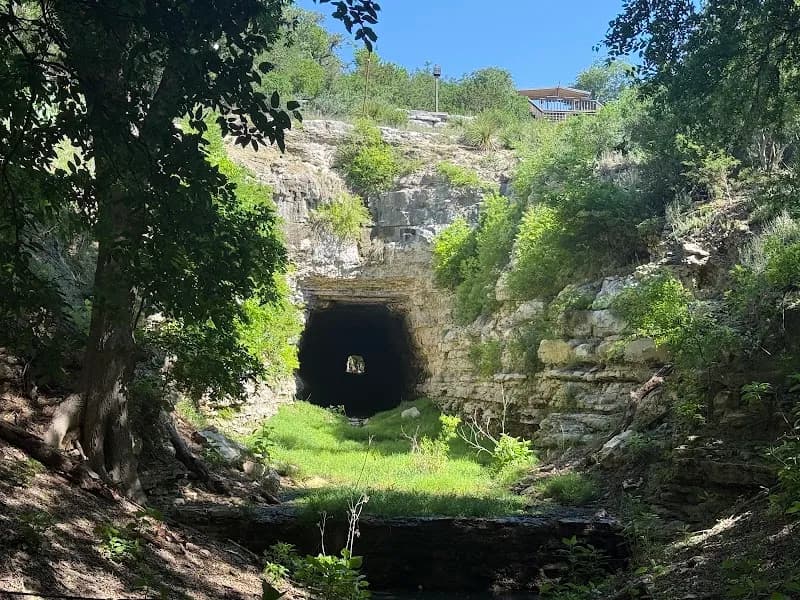
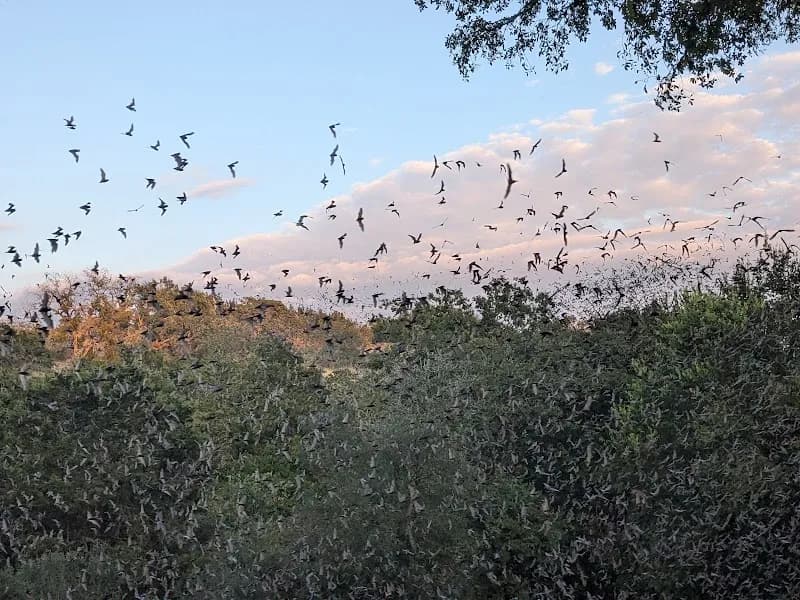
Old Tunnel State Park offers families a unique wildlife experience where you can witness thousands of Mexican free-tailed bats emerge from an abandoned railroad tunnel at sunset during summer months. This small but fascinating state park combines outdoor education with an unforgettable natural spectacle that will captivate kids and adults alike, making it one of the Hill Country's most memorable family outings.
Highlights
- ✓Watching millions of bats emerge from the tunnel in a swirling cloud at sunset
- ✓Educational ranger presentations about bat biology and conservation
- ✓Upper and lower viewing platforms offering different perspectives of the emergence
- ✓Learning about the historic railroad tunnel that now serves as a bat sanctuary
- ✓Spotting hawks and other predators that hunt the emerging bats
Pro Tips
- 1.Arrive at least 30-45 minutes before sunset to secure a good viewing spot, especially on summer weekends when the park can get crowded
- 2.Bring binoculars for a closer look and folding chairs or blankets since you'll be waiting for the bats to emerge
- 3.Download the park's bat viewing app or check their website for daily emergence time estimates, which vary by season
- 4.Visit the upper viewing area for the best panoramic views of the bat emergence, or the lower area to experience the bats flying directly overhead
- 5.Don't use flash photography as it disturbs the bats - bring a regular camera for daytime photos instead
Best Time to Visit
Visit Thursday through Sunday evenings from May through October when the park is open for public bat viewing. Peak bat season is June through September when up to 3 million bats emerge nightly. Weekday evenings are less crowded than weekends.
What to Know
The park is only open for bat viewing Thursday-Sunday evenings from May-October, with admission around $7 for adults and $4 for children 5-12. Arrive early as the parking lot is small and fills quickly during peak season.
Seasonal Notes
The park is only open to the public Thursday-Sunday evenings from May through October. Peak viewing season is June-September when the most bats are present. The park is closed November-April when bats migrate to Mexico. Bat emergence times change daily based on sunset, so check current times before visiting.
Nearby Eats
Head to Fredericksburg (about 15 minutes away) for family dining options like Crossroads Bar & Grill with a kids menu and casual atmosphere, or stop at Clear River Ice Cream Company for a post-bat-watching treat.
More Activities Near Alamo Heights
Alamo Heights Boulevard
Alamo Heights Boulevard serves as a scenic connector through this charming San Antonio suburb, with a central community park that's become a neighborhood favorite for families. The park offers well-maintained playgrounds, shaded walking trails perfect for stroller walks or family bike rides, and plenty of open green space where kids can run freely while parents relax at the picnic areas.
Olmos Basin Park
Olmos Basin Park is a natural oasis in Alamo Heights offering families a perfect escape into nature without leaving San Antonio. With winding trails through wooded areas, a scenic creek for exploration, and spacious picnic areas, this park gives kids plenty of room to run, climb, and discover the outdoors while parents enjoy the peaceful, tree-shaded setting.
Cambridge Elementary School
Cambridge Elementary School's playground in the charming Alamo Heights neighborhood offers families a well-maintained play space with modern equipment and plenty of shade for those hot Texas days. The open areas surrounding the playground make it an ideal spot for spreading out a picnic blanket while the kids burn off energy on quality play structures.
Alamo Heights Community Garden
The Alamo Heights Community Garden offers families a peaceful outdoor space to explore nature together, featuring garden plots, walking paths, and plenty of green space for kids to learn about plants and wildlife. This hidden gem in the heart of Alamo Heights provides a wonderful opportunity for children to connect with nature, observe butterflies and birds, and discover where food comes from in a hands-on environment.