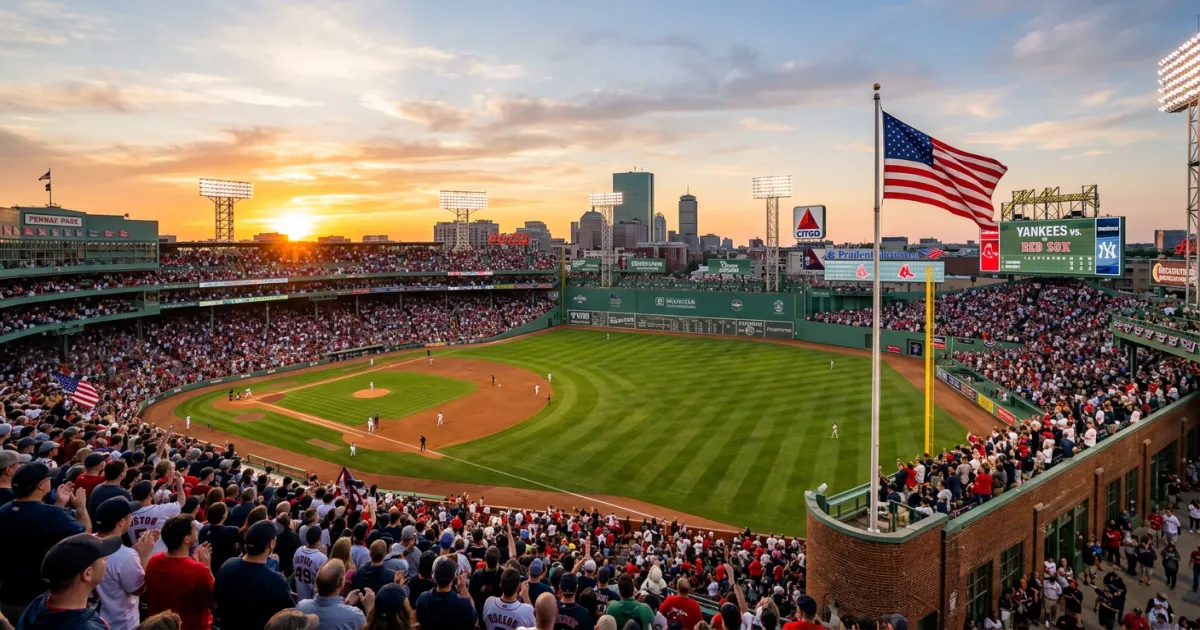
Visiting all 30 Major League Baseball stadiums is one of the great American bucket list adventures. Whether you tackle it in one epic summer or break it into regional road trips over several years, a baseball road trip combines the thrill of live sports with the best of American cities, food, and culture. This guide covers everything you need to plan your baseball road trip in 2026, from regional routes and ticket strategies to stadium food and a ready-made 7-day itinerary.
The Dream Trip: All 30 MLB Stadiums
There are 30 MLB teams spread across 26 cities in the United States and one in Canada. Some cities share stadiums or sit close enough to double up on game days. Chicago has Wrigley Field and Guaranteed Rate Field (now Rate Field). New York has Yankee Stadium and Citi Field. Los Angeles has Dodger Stadium and Angel Stadium in nearby Anaheim. The San Francisco Bay Area has Oracle Park, while the Oakland Athletics now play at Sutter Health Park in Sacramento.
A full 30-stadium road trip covers roughly 12,000 to 15,000 miles depending on your route. Most dedicated fans complete it over 60 to 90 days during the regular season, which runs from late March through September. But you do not have to do it all at once. Many fans break the journey into regional segments, knocking out five or six parks per trip over several summers.
The key to making it work is scheduling. You need to match your travel dates to home game schedules, which means checking the MLB schedule before booking anything. Planning tools like Baseball-RoadTrip.com and BasesRoaded.com can help you build an optimized route based on home game dates and geographic proximity.
If you are new to trip planning, our complete trip planning guide covers the fundamentals of organizing any multi-stop journey.
Planning Your Route: Geographic Clusters
The beauty of a baseball road trip is that stadiums cluster into natural geographic regions. This makes it possible to see multiple parks in a single week without excessive driving. Here are the main clusters:
Northeast Corridor (6 parks in 7 days)
This is the most popular cluster for first-timers. You can hit Fenway Park (Boston), Yankee Stadium and Citi Field (New York), Citizens Bank Park (Philadelphia), Oriole Park at Camden Yards (Baltimore), and Nationals Park (Washington, D.C.) in one week. The cities connect by I-95, and you can use Amtrak for some legs to skip the traffic.
Midwest and Great Lakes (7-9 parks in 8-10 days)
Start in Minneapolis at Target Field, then drive to Milwaukee (American Family Field), Chicago (Wrigley Field and Rate Field), Detroit (Comerica Park), Cleveland (Progressive Field), Cincinnati (Great American Ball Park), St. Louis (Busch Stadium), and Kansas City (Kauffman Stadium). Drives between cities range from two to five hours.
California (5 parks in 5 days)
Southern California alone gives you three parks: Dodger Stadium, Angel Stadium in Anaheim, and Petco Park in San Diego. Add Oracle Park in San Francisco and Sutter Health Park in Sacramento for a full California swing. The LA-to-San Diego drive is about two hours, and LA to San Francisco is roughly six hours on I-5.
Texas Triangle
Globe Life Field (Arlington/Dallas) and Daikin Park (Houston, formerly Minute Maid Park) are about a four-hour drive apart. You can pair these with a stop in another Southern city on the way.
Southeast
Truist Park (Atlanta), loanDepot Park (Miami), and Tropicana Field (St. Petersburg/Tampa Bay) form a Florida-Georgia loop. Atlanta to Tampa is about seven hours by car.
Pacific Northwest
T-Mobile Park in Seattle and Rogers Centre in Toronto sit on opposite ends of the country, so these are best combined with nearby clusters or visited as standalone trips.
Best Time to Go
The MLB regular season runs from late March through the end of September, with playoffs in October. For a road trip, the sweet spot is mid-June through August. Here is why:
- Weather: Early April games in northern cities like Chicago, Minneapolis, and Boston can mean temperatures in the 30s and 40s. By June, the weather is reliably warm across the country.
- Scheduling flexibility: Summer months have the most home games and the fewest off days, making it easier to line up consecutive games in nearby cities.
- Special events: The MLB All-Star Game falls in mid-July. Many stadiums host fireworks nights, bobblehead giveaways, and theme nights throughout the summer.
- September excitement: If you can extend into September, the playoff push adds intensity to games as teams fight for postseason spots.
How to Get Tickets
Ticket prices vary wildly across MLB. A Tuesday night game at a smaller-market stadium might cost $15 to $25, while a weekend Yankees-Red Sox rivalry game can run $100 or more for upper-level seats. Here is how to get the best deals:
- MLB Ballpark App: The official app for buying tickets directly from teams. Some teams offer day-of flash sales and mobile-exclusive deals.
- StubHub and SeatGeek: Secondary market platforms where prices fluctuate based on demand. Prices often drop 30 to 60 minutes before first pitch for non-premium games.
- Day-of-game deals: Smaller-market teams like the Guardians, Royals, Reds, and Marlins frequently have same-day tickets available at the box office for $15 to $30.
- Cheapest game days: Tuesday and Wednesday games consistently have the lowest ticket prices. Weekend games and rivalry matchups (Yankees vs. Red Sox, Cubs vs. Cardinals, Dodgers vs. Giants) command premium prices.
- Teams to budget more for: Yankees, Red Sox, Dodgers, and Cubs typically have the highest ticket prices due to demand. Plan to spend $50 to $100+ at these parks.
Budget Breakdown
A baseball road trip is surprisingly affordable compared to other sports travel. Here is what to expect per game day:
| Expense | Budget Range |
|---|---|
| Game ticket | $20 – $100+ |
| Parking | $20 – $50 (or free with transit) |
| Stadium food and drinks | $20 – $40 per person |
| Gas (between cities) | $30 – $60 per drive |
| Hotel or lodging | $80 – $200 per night |
Total per game day: roughly $100 to $200 per person if you are budget-conscious, or $200 to $400+ for a more premium experience. A full 30-stadium trip over 60 to 90 days can cost anywhere from $5,000 to $15,000 depending on how you travel and where you stay.
Track your spending with our travel budget template to stay on target throughout the trip.
The 30 MLB Stadiums: Quick Guide
American League East
- Oriole Park at Camden Yards (Baltimore Orioles): The stadium that started the retro ballpark revolution. Try Stuggy’s crab mac and cheese dog. Walk the Inner Harbor before the game.
- Fenway Park (Boston Red Sox): Opened in 1912, it is the oldest park in MLB. Get a Fenway Frank and sit near the Green Monster. Explore the Fenway neighborhood bars and restaurants along Landsdowne Street.
- Yankee Stadium (New York Yankees): Monument Park honors legends like Ruth, Gehrig, and Jeter. Grab a chicken bucket. Take the 4 train from Manhattan.
- Tropicana Field (Tampa Bay Rays): The only domed stadium in MLB. Try the short rib grilled cheese. The Rays are expected to move to a new stadium in coming years.
- Rogers Centre (Toronto Blue Jays): The only MLB park outside the U.S. Bring your passport. Try the hot maple and bacon hot dog. The retractable roof opens on nice days.
American League Central
- Rate Field (Chicago White Sox): Home of the famous Campfire Milkshake. The park sits on the South Side and has one of the best video boards in baseball.
- Progressive Field (Cleveland Guardians): Consistently rated among the best fan experiences. Barrio’s nachos are a must. The park overlooks downtown Cleveland.
- Comerica Park (Detroit Tigers): Features a carousel, Ferris wheel, and a tiger statue out front. Ball Park Franks originated here. Walk to Greektown after the game.
- Kauffman Stadium (Kansas City Royals): Famous for its fountains in the outfield. The Z-Man sandwich from Joe’s Kansas City Bar-B-Que is the best stadium BBQ in baseball.
- Target Field (Minnesota Twins): Open-air design with great skyline views. Kramarczuk’s sausages are the signature food. The North Loop neighborhood has excellent restaurants.
American League West
- Daikin Park (Houston Astros): Retractable roof and a train that runs along the outfield wall. The Crawford Dog is a local legend. Explore the surrounding area in downtown Houston.
- Angel Stadium (Los Angeles Angels, Anaheim): The “Big A” scoreboard is iconic. Helmet nachos are a fan favorite. Located near Disneyland for a family-friendly double trip.
- Sutter Health Park (Oakland Athletics, Sacramento): The A’s temporary home while their Las Vegas stadium is under construction. Try the Dinger Dog. A smaller, intimate ballpark experience.
- T-Mobile Park (Seattle Mariners): Retractable roof and stunning views of the Seattle skyline. Toasted grasshoppers are the adventurous snack of choice. Pike Place Market is minutes away.
- Globe Life Field (Texas Rangers): Air-conditioned with a retractable roof, a blessing in the Texas heat. Hurtado’s brisket nachos are outstanding. The park is part of the Arlington entertainment district near AT&T Stadium.
National League East
- Truist Park (Atlanta Braves): Surrounded by The Battery, a dining and entertainment district. Fred’s Meat & Bread cheesesteak is the move. Arrive early to explore the plaza.
- loanDepot Park (Miami Marlins): Retractable roof and a tropical vibe. Try the arepas at P.A.N. Portable or the two-foot “Machete” burrito. The Little Havana neighborhood is nearby.
- Citi Field (New York Mets): Great food scene with Shake Shack and hot pastrami on rye. Take the 7 train from Times Square. The park honors the legacy of the Brooklyn Dodgers at the Jackie Robinson Rotunda.
- Citizens Bank Park (Philadelphia Phillies): Home of the famous Bull’s Burnt Ends cheesesteak. The Schwarbomb Sundae is a wild dessert option. South Philadelphia’s sports complex has all four major Philly sports venues.
- Nationals Park (Washington Nationals): Overlooking the Anacostia River with views of the Capitol. Ben’s Chili Bowl half-smoke is a D.C. institution. Combine with a visit to the National Mall.
National League Central
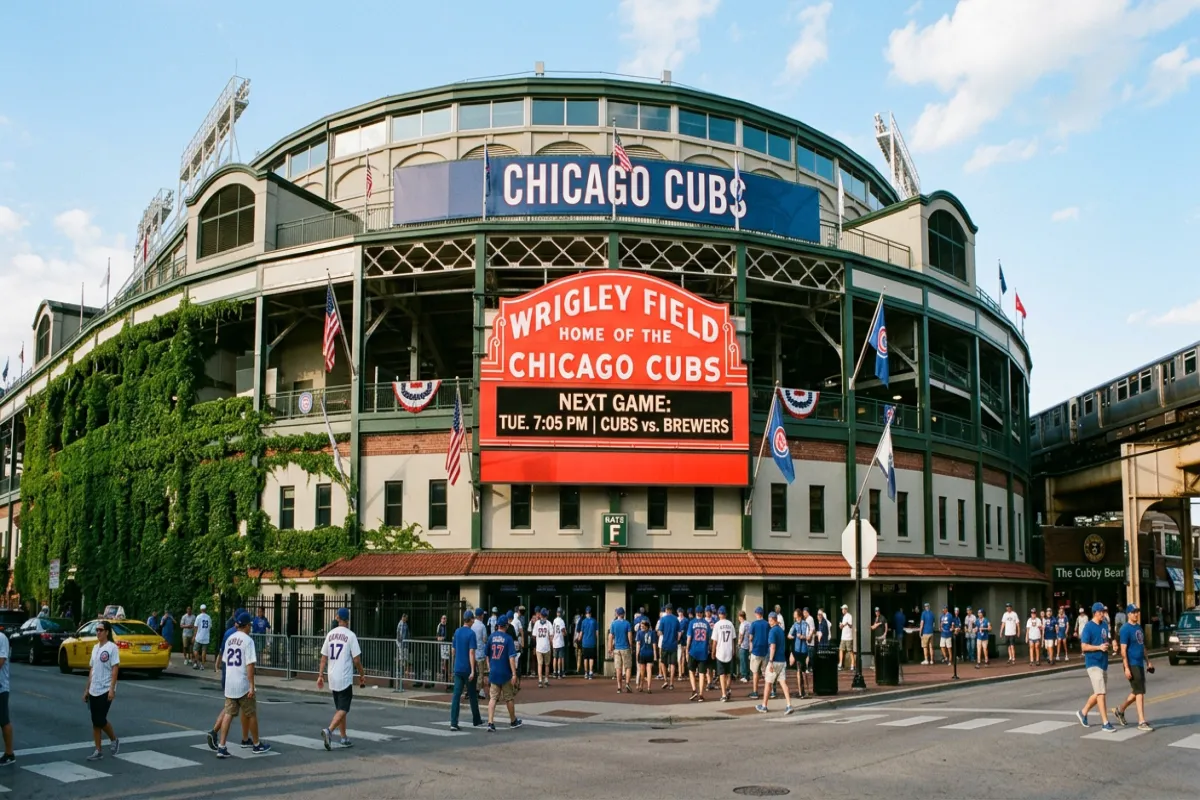
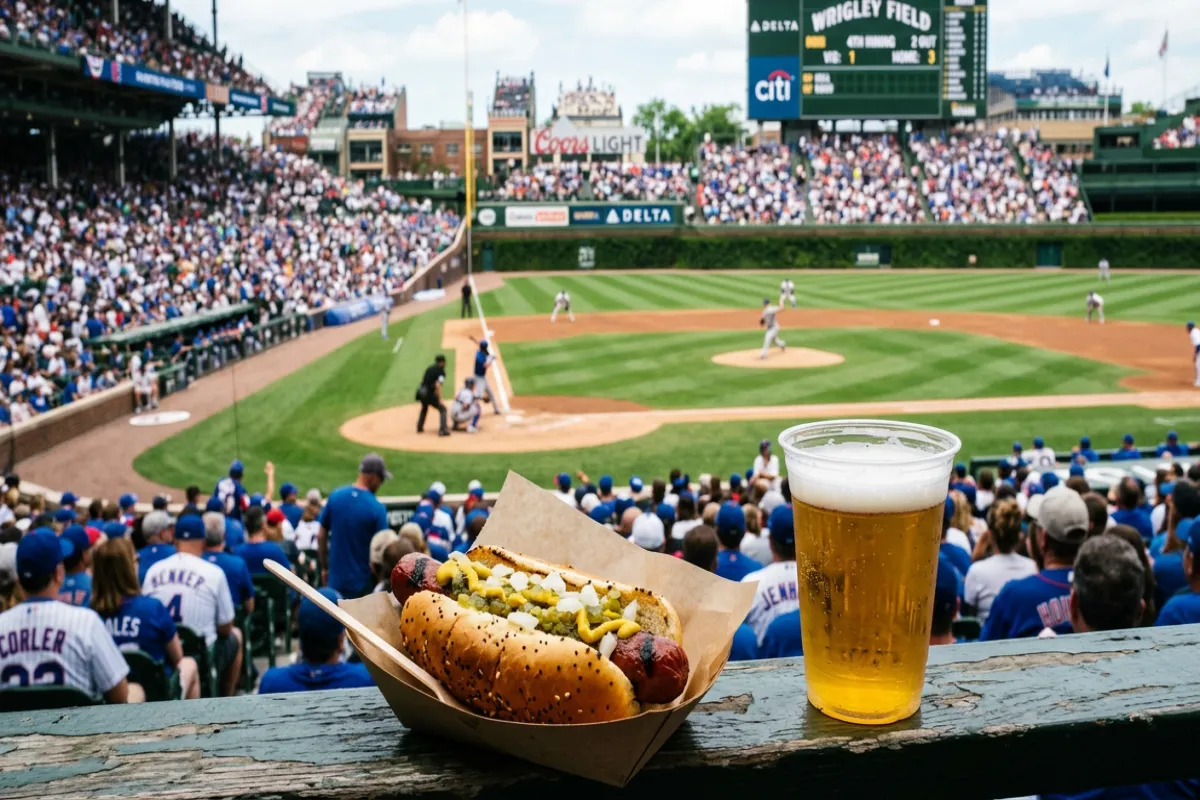
- Wrigley Field (Chicago Cubs): Built in 1914 and dripping with history. Get a Chicago dog. The ivy-covered outfield walls are iconic. Wrigleyville bars and restaurants surround the park.
- Great American Ball Park (Cincinnati Reds): Riverfront views and steamboat smokestacks beyond the outfield. Skyline Chili is a must-try Cincinnati original. Walk the Ohio River trail before the game.
- American Family Field (Milwaukee Brewers): Famous for the racing sausages and tailgate culture. Bratwurst is the obvious choice. Fans tailgate in the parking lot for hours before first pitch.
- PNC Park (Pittsburgh Pirates): Widely considered the most beautiful stadium in baseball, with the Pittsburgh skyline and Allegheny River as a backdrop. Manny’s BBQ pierogi is the signature bite. Walk across the Roberto Clemente Bridge from downtown.
- Busch Stadium (St. Louis Cardinals): Cardinals fans are among the most knowledgeable in baseball. The new slinger dog is loaded with hash browns and fried eggs. The Gateway Arch is visible from the upper deck.
National League West
- Chase Field (Arizona Diamondbacks): Retractable roof and a pool in the outfield. The churro dog is a sweet-savory fan favorite. Downtown Phoenix dining has expanded significantly in recent years.
- Coors Field (Colorado Rockies): A mile above sea level, where the thin air produces more home runs. The Helton Burger is the top food pick. The rooftop bar has mountain views. LoDo (Lower Downtown Denver) is walkable from the park.
- Dodger Stadium (Los Angeles Dodgers): The third-oldest park in MLB, opened in 1962. The Dodger Dog is a baseball icon. Arrive early because parking lot traffic is notoriously bad. Sunset views from the upper decks are spectacular.
- Oracle Park (San Francisco Giants): One of the best settings in all of sports, with views of the Bay and the Bay Bridge. The Crazy Crab’z sandwich is the signature dish. McCovey Cove beyond right field is where kayakers wait for home run splashes.
- Petco Park (San Diego Padres): Consistently ranked as the top fan experience in MLB. Tri-tip nachos are the go-to food. The Gaslamp Quarter is steps from the park, and the weather is perfect nearly every game day.
Best Stadiums for First-Timers
If you can only visit a handful of stadiums, these five deliver the best overall experience for newcomers to baseball travel:
- Wrigley Field (Chicago): Over 110 years of history, the ivy walls, the manual scoreboard, and the rooftop seats across the street. There is nothing else like it in American sports.
- Oracle Park (San Francisco): The waterfront setting, the food, and the kayakers in McCovey Cove make this a complete experience beyond the game itself.
- PNC Park (Pittsburgh): The river-and-skyline backdrop is breathtaking. Plus, Pirates tickets are affordable, making it a great value stop.
- Petco Park (San Diego): Perfect weather, a walkable downtown, and a park designed to blend into the neighborhood. Voted the best ballpark by USA Today readers in 2026.
- Oriole Park at Camden Yards (Baltimore): The blueprint for every modern ballpark. The warehouse beyond right field and the surrounding Inner Harbor make it a classic.
Planning a trip to one of these cities? Check out our Chicago travel planning guide or New York travel planning guide for more on what to see beyond the ballpark.
Stadium Food Worth Trying
Ballpark food has evolved far beyond peanuts and hot dogs. Each stadium now offers signature dishes that reflect local cuisine. Here are the standout bites for 2026:
- Dodger Dog (Dodger Stadium, LA): The most famous hot dog in baseball. Over 10 inches long, grilled or steamed.
- Fenway Frank (Fenway Park, Boston): A New England institution since 1912. Boiled and grilled, served with classic yellow mustard.
- Manny’s BBQ Pierogi (PNC Park, Pittsburgh): Smoky, savory, and uniquely Pittsburgh.
- Bratwurst (American Family Field, Milwaukee): Grilled brats and the famous sausage race between innings.
- Tri-Tip Nachos (Petco Park, San Diego): California-style loaded nachos that could be a full meal.
- Brisket Nachos (Globe Life Field, Texas): Hurtado’s brings legit Texas BBQ into the ballpark.
- Z-Man Sandwich (Kauffman Stadium, Kansas City): Smoked brisket, provolone, and onion rings from Joe’s KC.
- Ben’s Chili Bowl Half-Smoke (Nationals Park, D.C.): A D.C. landmark dish brought inside the park.
- Skyline Chili Dog (Great American Ball Park, Cincinnati): Cincinnati-style chili on a hot dog. You either love it or you love it.
- Crab Mac and Cheese Dog (Oriole Park, Baltimore): Maryland crab meets ballpark hot dog at Stuggy’s.
Regional Road Trip Routes
The Northeast Classic: 6 Parks in 7 Days
Route: Boston to New York to Philadelphia to Baltimore to Washington, D.C.
- Day 1: Fenway Park (Boston Red Sox)
- Day 2: Drive to New York (3.5 hours). Yankee Stadium (New York Yankees)
- Day 3: Citi Field (New York Mets)
- Day 4: Drive to Philadelphia (1.5 hours). Citizens Bank Park (Philadelphia Phillies)
- Day 5: Drive to Baltimore (1.5 hours). Oriole Park at Camden Yards (Baltimore Orioles)
- Day 6: Drive to D.C. (1 hour). Nationals Park (Washington Nationals). Explore the National Mall.
- Day 7: Buffer day for rain delays, sightseeing, or a second visit to a favorite park.
Use our road trip itinerary template to organize your daily schedule, hotel bookings, and game times in one place.
The Midwest Grand Tour: 7 Parks in 8 Days
Route: Chicago to Milwaukee to Minneapolis to Kansas City to St. Louis to Cincinnati to Cleveland/Detroit
- Days 1-2: Wrigley Field and Rate Field (Chicago, two games)
- Day 3: Drive to Milwaukee (1.5 hours). American Family Field
- Day 4: Drive to Minneapolis (5 hours). Target Field
- Day 5: Drive to Kansas City (6.5 hours) or fly. Kauffman Stadium
- Day 6: Drive to St. Louis (4 hours). Busch Stadium
- Day 7: Drive to Cincinnati (5 hours). Great American Ball Park
- Day 8: Drive to Cleveland (4.5 hours) or Detroit (4.5 hours). Progressive Field or Comerica Park
The California Swing: 5 Parks in 5-6 Days
Route: San Diego to Los Angeles to Anaheim to San Francisco to Sacramento
- Day 1: Petco Park (San Diego Padres)
- Day 2: Drive to LA (2 hours). Dodger Stadium
- Day 3: Angel Stadium (Anaheim, 30 minutes from LA)
- Day 4: Drive or fly to San Francisco (6 hours by car). Oracle Park
- Day 5: Drive to Sacramento (1.5 hours). Sutter Health Park (Oakland A’s)
Practical Tips for Stadium Visits
- Check the schedule before booking anything. Build your route around confirmed home games. Schedules are typically released in August for the following season.
- Understand rain delay policies. Most teams will issue rain checks or credit if a game is rained out before the 5th inning. Check each team’s specific policy.
- Parking vs. public transit. In cities like New York, Boston, Chicago, Philadelphia, and D.C., public transit is faster and cheaper than driving to the stadium. In cities like Kansas City, Milwaukee, and Arlington, you will need to drive.
- Clear bag policies. Most MLB stadiums enforce a clear bag policy. Bags must be clear plastic, vinyl, or PVC and not exceed 12″ x 6″ x 12″. Small clutch purses (4.5″ x 6.5″) are also allowed.
- Arrive early for batting practice. Gates typically open 90 minutes to two hours before first pitch. Arriving early gives you a chance to watch batting practice, explore the stadium, and potentially catch a souvenir baseball.
- Bobblehead and giveaway nights. Check each team’s promotional schedule. Popular giveaway items run out fast, so plan to be in line when gates open.
- Sunscreen and hydration. Day games and summer evening games in the South and West can be brutally hot. Bring sunscreen and stay hydrated. Most stadiums allow one sealed bottle of water.
Sample 7-Day Northeast Baseball Road Trip Itinerary
Here is a detailed day-by-day itinerary for the most popular baseball road trip route in America:
Day 1: Boston
Arrive in Boston. Walk the Freedom Trail in the morning, grab lunch at the North End (Italian district), then head to Fenway Park for a 7:10 PM first pitch. Sit in the bleachers or splurge for Green Monster seats. Post-game, walk to Landsdowne Street for the bar scene.
Day 2: Boston to New York
Morning drive to New York (3.5 hours via I-95, or take Amtrak for a more relaxed ride). Check into your hotel in Manhattan. Take the 4 train to Yankee Stadium for a 7:05 PM game. Explore the Bronx around the stadium before the game.
Day 3: New York (Mets)
Spend the morning exploring Manhattan. Take the 7 train to Citi Field in Queens for a 7:10 PM game. The food options at Citi Field are among the best in baseball, so come hungry.
Day 4: New York to Philadelphia
Drive or take the train to Philadelphia (1.5 to 2 hours). Visit the Liberty Bell and Independence Hall. Head to Citizens Bank Park in South Philly for a 6:40 PM game. Grab a cheesesteak before or after.
Day 5: Philadelphia to Baltimore
Drive to Baltimore (1.5 hours). Explore the Inner Harbor and the National Aquarium. Walk to Camden Yards for a 7:05 PM game. The Eutaw Street food stalls are where you will find the best eats in the park.
Day 6: Baltimore to Washington, D.C.
Short drive to D.C. (1 hour). Visit the National Mall, the Smithsonian museums (free admission), or the Lincoln Memorial. Nationals Park sits along the Anacostia River for a 6:45 PM game.
Day 7: Buffer Day
Use this day for any rain-delayed makeups, revisiting a favorite city, or exploring D.C. further. Fly home from Reagan National or Dulles airport.
For help organizing all the details, try our AI travel planner to build a custom itinerary based on your dates and preferences.
Free Download: Baseball Stadium Tracker Spreadsheet
An Excel spreadsheet to track which MLB stadiums you have visited, record game dates, and plan your next ballpark road trip.
More free templates at yopki.com/templates
Planning Tools and Resources
- MLB.com Schedule: The official source for game dates, times, and home/away designations.
- Baseball-RoadTrip.com: Enter your dates and preferred teams to generate an optimized route.
- BasesRoaded.com: Another route planner that factors in drive times and scheduling conflicts.
- Yopki AI Travel Planner: Build a complete trip itinerary around your baseball road trip, including hotels, restaurants, and attractions.
- Road Trip Itinerary Template: Keep your route, accommodations, and game tickets organized in one document.
Frequently Asked Questions
How long does it take to visit all 30 MLB stadiums?
A continuous road trip typically takes 60 to 90 days during the regular season (April through September). Most fans break it into smaller regional trips over two to five years.
How much does it cost to visit all 30 MLB stadiums?
Budget approximately $5,000 to $8,000 for a thrifty trip (cheap seats, budget hotels, minimal dining out) or $12,000 to $15,000+ for a more comfortable experience with mid-range hotels and better seats.
What is the best stadium to visit first?
Wrigley Field or Fenway Park are ideal starting points because of their history and atmosphere. Petco Park and PNC Park are also excellent first-timer choices.
Can I use public transit to get to MLB stadiums?
Yes, in many cities. New York (subway), Boston (T), Chicago (L), Philadelphia (subway/bus), Washington D.C. (Metro), San Francisco (Muni), and Seattle (light rail) all have convenient transit access to their stadiums.
Do I need a passport for the Toronto Blue Jays game?
Yes. Rogers Centre is in Toronto, Canada. U.S. citizens need a valid passport or passport card to cross the border. Check our trip planning guide for passport preparation tips.
What should I bring to the stadium?
Bring a clear bag (required at most MLB parks), sunscreen, a phone charger, and cash for parking at some stadiums. Most stadiums accept mobile payments for food and merchandise.
When do MLB schedules get released?
The full schedule for the following season is typically released in August or September. Start planning your route as soon as it drops to lock in the best hotel rates.