
You just booked a flight with a long layover, and you are wondering: can I actually leave the airport and explore the city? The short answer is yes, in many cases you can. But whether you should depends on several important factors, including visa requirements, layover duration, luggage logistics, and the specific country you are transiting through.
This guide covers everything you need to know about leaving the airport during a layover, from visa rules by region to step-by-step instructions for making the most of your time between flights.
Quick Answer: Can You Leave the Airport During a Layover?
Yes, you can usually leave the airport during a layover, but it depends on three key factors:
- Visa requirements: Do you need a visa or travel authorization to enter the country?
- Time available: Do you have enough time to clear immigration, explore, and return for your next flight?
- Luggage situation: Is your baggage checked through to your final destination, or do you need to collect and recheck it?
If all three factors work in your favor, leaving the airport can turn a boring wait into a mini adventure. If any of them work against you, it is usually better to stay inside the terminal.
When You CAN Leave the Airport
Domestic Layovers
Domestic layovers are the easiest scenario. When you are flying within the same country, there is no immigration or customs to deal with. You simply walk out of the terminal, explore, and come back through security before your next flight. In the United States, for example, you can leave during any domestic layover as long as you have enough time to get back through TSA screening.
International Layovers With Visa-Free Access
Many countries allow travelers from certain nationalities to enter without a visa for short stays. If you hold a passport that grants you visa-free or visa-on-arrival access to the layover country, you can clear immigration, exit the airport, and explore the city. Popular examples include US passport holders transiting through most of Europe, Japan, South Korea, and Singapore.
Long Layovers of 4+ Hours
A layover of four hours or more on a domestic flight, or six to eight hours or more on an international flight, generally gives you enough time to leave the airport, see a few sights or grab a meal in the city, and return with time to spare. Some airports are conveniently located close to city centers, making even shorter explorations possible.
When You Should NOT Leave the Airport
Short Layovers Under 3 Hours
If your layover is under three hours (domestic) or under five hours (international), leaving the airport is risky. You need to factor in time for immigration, transportation to and from the city, and clearing security again on your return. Missing your connecting flight is not worth a quick coffee in town.
Countries That Require a Transit Visa
Some countries require a visa even for short transit stays. If you do not have the proper documentation, you will not be allowed past immigration. Always check visa requirements before your trip, especially for countries like Australia, Russia, and certain nations where transit visas must be arranged in advance.
Checked Bags That Will Not Be Rechecked
If you are flying on separate tickets (not a single itinerary), your luggage may not be checked through to your final destination. You might need to collect your bags, go through customs, and recheck them for your next flight. This process eats into your layover time significantly and adds complexity.
Connecting on Separate Tickets
When you book two separate tickets rather than a single connecting itinerary, the airlines have no obligation to rebook you if you miss your onward flight. Leaving the airport in this scenario adds risk, because any delay getting back could mean purchasing a brand new ticket.
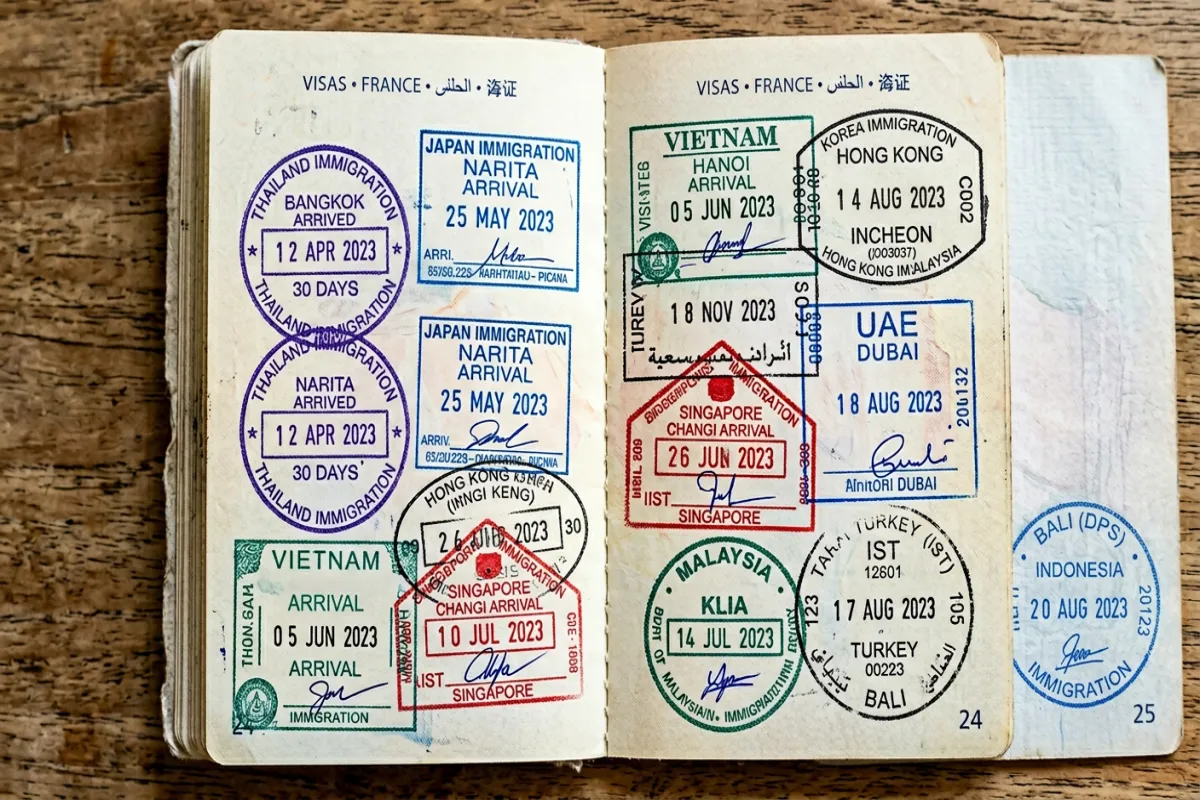
Visa Rules by Region
Understanding visa rules is the single most important factor in deciding whether you can leave the airport. Here is a breakdown of the major regions and their policies for US passport holders (rules vary by nationality, so always verify for your specific passport).
United States (Domestic)
No visa issues at all. You can freely leave and re-enter the airport during any domestic layover. Just allow enough time to get back through TSA security, which can take 30 to 60 minutes at busy airports. Planning your trip with adequate buffer time is always a good idea.
Schengen Zone (Europe)
The Schengen Area covers 29 European countries with a shared border policy. If you are already inside the Schengen zone (arriving from another Schengen country), there is no additional immigration to clear. If you are arriving from outside the Schengen zone, US passport holders can enter visa-free for up to 90 days. Note that starting in late 2026, the ETIAS (European Travel Information and Authorization System) will require travelers from visa-exempt countries to obtain electronic authorization before entering Schengen countries.
United Kingdom
As of February 2026, US citizens traveling to or transiting through the UK require an Electronic Travel Authorisation (ETA). The ETA costs approximately 10 GBP, is valid for two years, and can take up to three working days to process. If you are only transiting airside (staying within the terminal without going through immigration), there is currently a temporary exemption from the ETA requirement at certain airports like Heathrow. However, this exemption may be withdrawn in the future, so check the latest rules before you travel.
Japan (Shore Pass)
Japan offers a “Shore Pass” that allows transit passengers to leave the airport for up to 72 hours without a traditional visa. The Shore Pass is issued at the discretion of immigration officers upon arrival, so approval is not guaranteed. You need a confirmed onward flight departing within 72 hours, valid travel documents for your final destination, and sufficient funds for your stay. Your airline can often help facilitate the Shore Pass application. Many travelers use this to explore Tokyo during a layover at Narita or Haneda airports. Check our Tokyo layover guide for tips on what to see.
Singapore (Visa-Free Entry)
Singapore is one of the most layover-friendly countries in the world. US passport holders can enter visa-free for up to 90 days, and Changi Airport offers a free city tour program for transit passengers (more on that below). The airport itself is also famously excellent, with gardens, a swimming pool, movie theaters, and a butterfly garden. Learn more in our Singapore layover guide.
Dubai and UAE (Visa on Arrival)
US citizens receive a visa on arrival in the UAE, valid for 30 days. This makes Dubai an excellent layover destination, as you can freely leave the airport and explore the city. The UAE also offers 48-hour and 96-hour transit visas for nationals of countries that normally require a visa. Dubai International Airport is well connected to the city center by metro, making quick explorations easy. See our Dubai layover guide for recommendations.
China (240-Hour Visa-Free Transit)
China offers one of the most generous transit programs in the world. Citizens of 55 eligible countries (including the US, Canada, Australia, and most European nations) can transit through China visa-free for up to 240 hours (10 days). This expanded policy covers major cities including Beijing, Shanghai, Guangzhou, Chengdu, and Xi’an, with 65 eligible ports of entry across 24 provinces. You must have a confirmed onward ticket to a third country (not the country you arrived from), and your passport must have at least 3 months of validity.
Countries That Require a Transit Visa
Several countries require transit visas even for short layovers, or have specific rules you need to know about:
- Australia: If your layover exceeds eight hours or you want to leave the airport, you need a transit visa arranged in advance.
- Canada: Most travelers can transit airside without a visa, but if you need to leave the airport, you must be from a visa-exempt country or hold a valid Canadian visa.
- United States: Even if you are only transiting, you need a valid US visa or ESTA authorization. There are no airside-only connections at US airports, meaning all passengers must clear immigration and customs.
- Russia: Layovers exceeding 24 hours or requiring an airport change need a transit visa.
How Much Time Do You Need?
The minimum time you need depends on whether your layover is domestic or international, and how far the airport is from the city center.
Domestic Layovers: 2 to 3 Hours Minimum
For a domestic layover, you can often leave the airport with as little as 2 to 3 hours. You will need about 30 to 60 minutes to get back through security, so plan accordingly. If the airport is close to restaurants, shops, or attractions, even a short trip outside can be worthwhile.
International Layovers: 5 to 8 Hours Minimum
International layovers require significantly more time. Here is a rough breakdown of where the time goes:
- Clearing immigration on exit: 15 to 45 minutes (can be longer at busy airports)
- Transportation to the city: 20 to 90 minutes depending on the airport
- Time exploring: 1 to 3 hours
- Transportation back to the airport: 20 to 90 minutes
- Clearing security and immigration on return: 30 to 60 minutes
- Buffer time before boarding: 60 minutes (minimum)
Adding all of this up, you need at least 5 hours for a quick trip outside, and 6 to 8 hours to comfortably explore. For international layovers, we recommend arriving back at the airport at least 3 hours before your departure.
What About Your Luggage?
Your luggage situation plays a major role in whether leaving the airport is practical.
Through-Checked Baggage (Single Itinerary)
If you booked your flights as a single itinerary (one booking, one confirmation number), your checked bags are typically tagged through to your final destination. You can leave the airport with just your carry-on and not worry about your luggage. One major exception: flights transiting through the United States always require you to collect your bags at the first US port of entry, clear customs, and recheck them, even if they were tagged through.
Separate Tickets
If you booked your flights on separate tickets, your bags will almost certainly not be checked through. You will need to collect them at baggage claim, go through customs, and recheck them for your next flight. This can add 60 to 90 minutes to your process and limits your mobility if you want to explore the city. Dragging suitcases around town is nobody’s idea of fun. Some airports have luggage storage facilities where you can stow your bags for a fee.
Carry-On Only
Traveling with only a carry-on is the simplest scenario. You have no bags to collect or recheck, giving you maximum flexibility to explore during your layover.
Step-by-Step: Leaving the Airport on a Layover
If you have confirmed that you can legally enter the country, have enough time, and your luggage situation is sorted, here is exactly what to do:
- Confirm your gate and departure time for your connecting flight before leaving. Check the airline app or departure boards.
- Go through immigration. Follow signs for “Exit” or “Arrivals” rather than “Transfers” or “Connections.” Have your passport, boarding pass for your onward flight, and any required visa or travel authorization ready.
- Note the terminal and re-entry process. Some airports have separate terminals for departure, so make sure you know where to return.
- Exit the airport and explore. Use the airport’s transit connections (train, metro, bus) to get to the city center. Taxis and rideshares work too but can be more expensive.
- Set an alarm. Give yourself at least 3 hours before your departure time to begin heading back to the airport for international flights, or 2 hours for domestic.
- Return to the airport. Head to the departures area (not arrivals), check in if needed, and go through security and immigration again.
- Clear security and head to your gate. Aim to be at your gate at least 30 minutes before boarding.
Best Airports for Leaving During a Layover
Some airports are better positioned than others for layover exploration, thanks to their proximity to city centers, efficient immigration processes, and excellent public transportation. You can also use Yopki’s AI travel planner to quickly build a layover itinerary for any city.
Singapore Changi (SIN)
Regularly ranked the world’s best airport, Changi is 20 minutes from downtown by MRT. US citizens enter visa-free, and the airport even offers free guided city tours for transit passengers. Even if you do not leave, the airport itself has a waterfall, rooftop swimming pool, butterfly garden, and more.
Dubai International (DXB)
The Dubai Metro connects the airport to the city center in about 30 minutes. US citizens get a visa on arrival, and there is plenty to see even on a short visit, from the Dubai Mall and Burj Khalifa to the historic Al Fahidi neighborhood.
Istanbul Airport (IST)
Istanbul’s airport is about 40 minutes from the city center by bus or taxi. Turkish Airlines passengers can take advantage of the free Touristanbul tour program. The city’s incredible food, mosques, and bazaars make even a few hours worthwhile. Check our Istanbul layover guide for a detailed itinerary.
Tokyo Narita and Haneda (NRT/HND)
Haneda Airport is just 20 minutes from central Tokyo by monorail, making it one of the best airports for a quick city visit. Narita is farther out (about 60 to 90 minutes), but the Narita Express train makes it manageable with a long enough layover. Japan’s Shore Pass program makes entry possible even without a standard visa.
Amsterdam Schiphol (AMS)
Schiphol is only 15 minutes from Amsterdam’s city center by direct train. The Netherlands is part of the Schengen Area, so entry is straightforward for most Western passport holders. You can visit canal houses, museums, and cafes even with a modest layover.
Munich Airport (MUC)
Munich Airport connects to the city center in about 40 minutes via the S-Bahn. The airport itself has a beer garden and Christmas market (seasonal). A longer layover lets you explore Munich’s Marienplatz, English Garden, and legendary beer halls.
Doha Hamad International (DOH)
Qatar offers a free transit visa for stays up to 96 hours, and the airport is about 20 minutes from Doha’s city center. Qatar Airways passengers with layovers over 12 hours can join free city tours.
Hong Kong International (HKG)
The Airport Express train reaches Hong Kong’s city center in just 24 minutes. Most Western passport holders can enter visa-free for up to 90 days. Hong Kong’s food, skyline, and markets make it one of the best layover cities in Asia.
Airline Layover Programs Worth Knowing About
Several airlines have recognized that long layovers are an opportunity rather than an inconvenience. These programs can transform your connection into a free or heavily discounted mini-trip.
Icelandair Stopover (Iceland)
Icelandair allows transatlantic passengers to stop in Iceland for up to seven days at no additional airfare. You book your flights as usual but select a multi-day stopover in Reykjavik. Hotel and activities are at your own cost, but the free airfare extension makes it an incredible deal for exploring Iceland’s waterfalls, geysers, and Northern Lights.
Singapore Free City Tour (Changi Airport)
Transit passengers at Changi Airport with layovers between 5.5 and 24 hours can join a free 2.5-hour guided bus tour of Singapore. Four different routes are available, covering landmarks like Marina Bay Sands, the Civic District, and Chinatown. You can pre-book up to 60 days in advance through the Changi Airport website, or register at tour counters in Terminal 2 or Terminal 3 on arrival. Your checked luggage must be through-checked to your final destination.
Qatar Airways Discover Qatar
Qatar Airways offers transit passengers heavily discounted hotel stays at four- and five-star properties in Doha for 12 to 96 hours. Passengers with layovers longer than 12 hours can also join complimentary city tours. It is a great way to experience Doha’s Souq Waqif, the Museum of Islamic Art, and The Pearl without spending much.
Turkish Airlines Touristanbul
Turkish Airlines offers free city tours of Istanbul for international transit passengers with layovers between 6 and 24 hours. The Touristanbul program includes transportation, meals, a professional tour guide, and museum entrance fees, all at no cost. Seven different tour routes are available with varying schedules. For longer stopovers, Turkish Airlines also offers a free hotel night for up to three nights when booked at least 72 hours in advance.
What to Do If You Cannot Leave the Airport
Sometimes leaving just is not practical. Maybe your layover is too short, you lack the proper visa, or you simply do not want the stress. Here are ways to make the most of your time inside the terminal.
Airport Lounges
Airport lounges offer comfortable seating, complimentary food and drinks, Wi-Fi, showers, and quiet spaces to work or relax. You can access lounges through credit card memberships like Priority Pass, airline loyalty programs, or by purchasing a day pass (typically $30 to $60). Many lounges are open to all travelers regardless of airline or class of service. Browse the full selection of airport layover guides to find lounge options at your specific airport.
Sleeping and Rest Areas
Many airports have dedicated sleeping pods, nap rooms, or transit hotels located inside the secure area. Singapore Changi, Dubai, Istanbul, and Doha are particularly well equipped for sleeping travelers. Some airports also have quiet zones with reclining chairs.
Showers
Most major international airports offer shower facilities, either in lounges or as standalone paid services. A hot shower can make a long layover much more bearable, especially on overnight connections.
Duty-Free Shopping
International transit areas often have extensive duty-free shopping, from luxury brands to local specialties. Prices are tax-free, though not always cheaper than online retailers, so compare before buying.
Airport Amenities
Modern airports increasingly offer entertainment and relaxation options. Singapore Changi has a butterfly garden and rooftop pool. Munich Airport has a brewery. Doha’s Hamad International has art installations and a swimming pool. Many airports also offer spa services, yoga rooms, and cinema screenings.
Planning Tools for Layover Exploration
A few tools can help you decide whether to leave the airport and plan what to do:
- Yopki AI Travel Planner: Build a custom layover itinerary for any city in minutes, with time-aware recommendations based on your available hours.
- Yopki Layover Guides: Detailed guides for hundreds of airports covering transportation, dining, attractions, and logistics for making the most of your time.
- Google Maps: Check transit times from the airport to city center and key attractions to realistically plan your time.
- Your airline’s app: Monitor gate changes and delays in real time so you can adjust your plans if your layover gets longer or shorter.
Frequently Asked Questions
Do I need to go through security again when I return to the airport?
Yes. When you leave the airport and return for your connecting flight, you must go through the full security screening process again, just like any departing passenger. Allow at least 30 to 60 minutes for this, more during peak travel times.
Can I leave the airport if I have a connecting flight on a different airline?
Yes, as long as you meet the visa and time requirements. However, if your flights are on separate tickets, be aware that the second airline has no obligation to accommodate you if you miss your flight. If your flights are on a single itinerary with a codeshare or interline agreement, your bags should be checked through and you have more protection if something goes wrong.
What happens if my first flight is delayed and I miss my connection after leaving the airport?
If you booked a single itinerary, the airline is typically responsible for rebooking you on the next available flight. If you booked separate tickets, you are on your own. This is one reason why leaving the airport on separate tickets carries extra risk.
Is it safe to leave the airport in a foreign country?
Generally, yes. The areas around major international airports and city centers in most countries are safe for tourists. Use common sense: stick to well-traveled areas, keep valuables secure, and research any specific safety advisories for your destination. Airport transit systems (trains, metros, buses) are typically safe and reliable.
Can I leave the airport during an overnight layover?
Yes, and overnight layovers are often the best ones for exploration because you can book a hotel, get a proper night’s sleep, and spend the evening and morning exploring. Many airlines offer free or discounted hotel stays for long layovers (check your airline’s stopover policy). Just make sure you have the proper visa or entry authorization for an overnight stay.
Do I need to check in again for my connecting flight after leaving the airport?
If your flights are on a single itinerary, you are usually already checked in for your connecting flight and just need to go through security and immigration to reach your gate. If you are on separate tickets, you will need to check in again at the departure counter for your next flight.