
How to Plan a Cruise: First-Timer’s Complete Guide
A cruise vacation packs multiple destinations, all your meals, nightly entertainment, and a floating hotel into one booking. But for first-timers, the number of choices can feel paralyzing. Which cruise line? What cabin type? Do you book excursions through the ship or on your own?
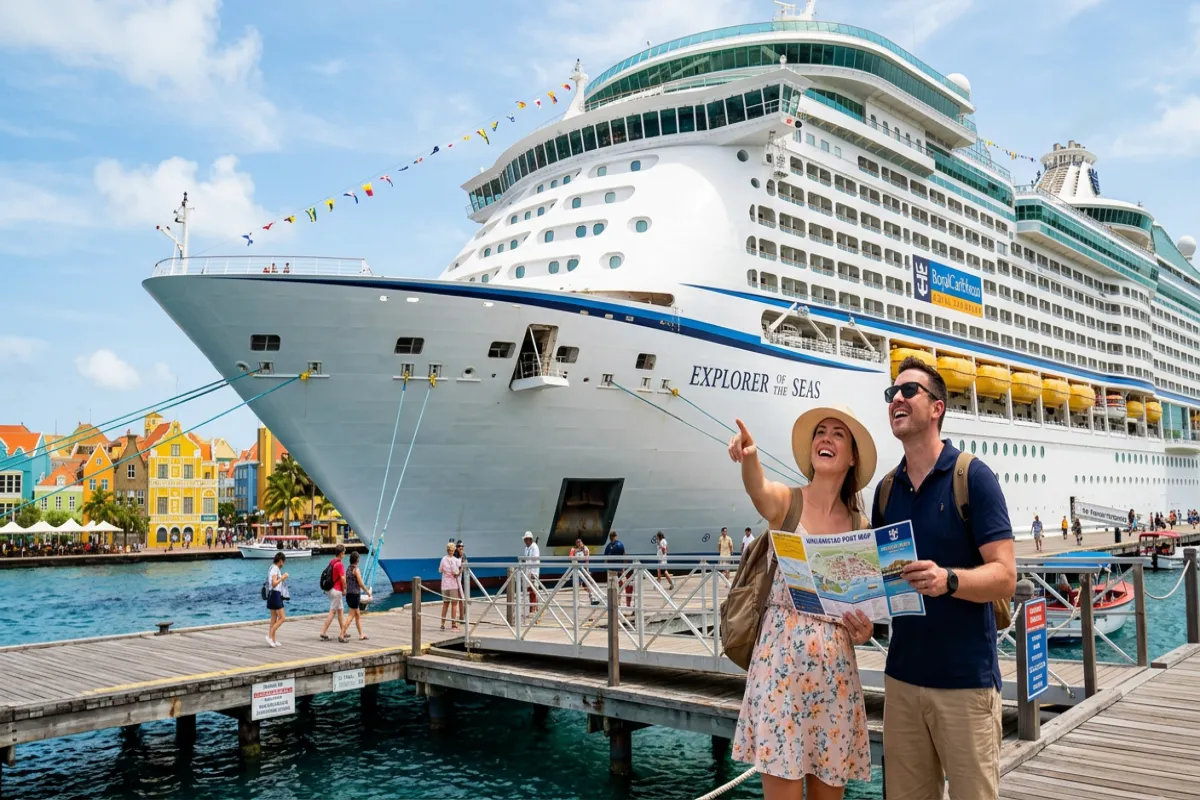
This guide breaks down every decision you need to make when planning your first cruise, in the order you need to make them.
Choose the Right Cruise Line
Cruise lines are not interchangeable. Each targets a different traveler type, and picking the wrong one is the most common first-timer mistake.
Budget-Friendly and Fun
Carnival, MSC, Royal Caribbean: These are the big three for first-timers and families. Carnival skews younger and more casual with waterslides, comedy shows, and Guy Fieri burger joints. Royal Caribbean focuses on mega-ships with surf simulators, rock climbing walls, and Broadway shows. MSC offers European-style cruising with competitive pricing.
Premium Experience
Celebrity, Holland America, Princess: A step up in dining quality, cabin finishes, and onboard atmosphere. Celebrity attracts couples and foodies. Holland America suits older travelers who prefer a quieter ship. Princess offers a good middle ground.
Luxury and All-Inclusive
Viking, Regent, Silversea: Smaller ships, included excursions, premium drinks, and fine dining. Viking is popular for destination-focused cruising with no kids under 18. Regent and Silversea include nearly everything in the fare, so the sticker price is high but the onboard spending is minimal.
Families with Kids
Royal Caribbean and Disney Cruise Line lead for families. Royal Caribbean has the best kids’ and teen clubs on the largest ships. Disney offers character experiences, themed dining, and age-specific programming. Carnival is a solid budget option with good kids’ facilities.
Pick Your Itinerary
The itinerary determines your ports, sea days, and overall experience. Popular first-cruise itineraries include:
- Western Caribbean (3-7 days): Cozumel, Grand Cayman, Jamaica. Short sailing times, calm waters, beach-focused ports.
- Eastern Caribbean (7 days): St. Thomas, San Juan, Bahamas. More diverse ports with history and snorkeling.
- Mediterranean (7-14 days): Barcelona, Rome, Greek Islands. Culture-heavy, longer days in port.
- Alaska (7 days): Juneau, Skagway, Glacier Bay. Scenic, wildlife-focused, cooler weather. Best May through September.
For a first cruise, a 7-day Caribbean sailing from Miami or Fort Lauderdale is hard to beat. The weather is reliable, the ports are easy to navigate, and the ships departing from Florida tend to be the newest and largest.
Use Yopki’s cruise itinerary template to plan your port days alongside shore excursions and onboard activities, keeping everything organized in one shareable plan.
Understand Cabin Types
Your cabin choice affects both your budget and your daily experience. Here are the four main categories:
Interior (No Window)
The most affordable option at $70-$150/night on mainstream lines. The room is smaller and completely dark when the lights are off, which some people actually prefer for sleeping. Downsides: no natural light, can feel claustrophobic, and you will not know the weather until you check your phone.
Ocean View (Window)
Similar size to interior but with a porthole or window. Costs $100-$200/night. Worth the upgrade if you want natural light without paying balcony prices. On some ships, the window may be partially obstructed by lifeboats.
Balcony
The most popular cabin type for good reason. You get a private outdoor space with a chair and small table. Costs $150-$350/night. On Alaska or Mediterranean cruises, a balcony is practically essential for taking in the scenery. On Caribbean party cruises, it is a nice-to-have but not critical.
Suite
Premium space, priority boarding, dedicated dining venues, and butler service on some lines. Costs $300-$1,000+/night. Worth it for special occasions or if you plan to spend significant time in your cabin.
For first-timers on a budget, an interior cabin is perfectly fine. You will spend most of your time outside the cabin anyway. If budget allows, jump straight to a balcony and skip ocean view.
When to Book
Timing your booking can save hundreds of dollars per person.
Wave Season (January-March)
This is when cruise lines release their biggest promotions. Expect onboard credits ($50-$200), free drink packages, cabin upgrades, and reduced deposits. If you know your travel dates, this is the best time to lock in a deal.
Early Booking (8-12 Months Ahead)
Best cabin selection and often the best prices for premium cabins and suites. The most desirable balcony locations (mid-ship, higher decks) sell out first.
Last-Minute (30-60 Days Before)
Prices can drop 20-40% as cruise lines try to fill remaining cabins. The catch: you get whatever is left, which usually means interior cabins or less desirable locations. If you are flexible on cabin type, last-minute deals offer significant savings.
What Is Included vs. What Costs Extra
This is where first-timers get surprised. Your cruise fare covers more than you might expect, but the extras add up fast.
Included in Your Fare
- Your cabin
- All meals in the main dining room, buffet, and most casual eateries
- Room service (basic menu, some lines charge a small delivery fee)
- Entertainment: shows, live music, comedy, movies
- Pools, hot tubs, fitness center
- Kids’ clubs and teen lounges
- Some onboard activities: trivia, cooking demos, dance classes
Not Included (Budget for These)
- Drinks: Alcoholic beverages cost $8-$15 each. Drink packages run $50-$100/day per person.
- Specialty dining: $25-$75 per person at onboard restaurants like steakhouses and sushi bars.
- Shore excursions: $50-$200 per person per port, depending on the activity.
- Wi-Fi: $10-$20/day for basic, $20-$35/day for streaming quality.
- Gratuities: $14-$20/day per person, automatically charged to your onboard account.
- Spa and salon: Massages run $100-$200+.
- Photos: Professional photo packages cost $100-$300.
For a 7-day cruise, budget an additional $100-$200 per person per day for extras. A couple on a mid-range line might spend $1,500 on the cabin and another $1,500-$2,000 on drinks, excursions, gratuities, and specialty dining.
Plan Your Shore Excursions
Shore excursions are the highlight of most cruises. You have two options: book through the cruise line or arrange them independently.
Ship-Sponsored Excursions
These cost more (often 30-50% premium) but come with a guarantee: the ship will wait for you if the excursion runs late. They are also vetted for safety and quality. For first-timers, booking at least your first port excursion through the ship reduces stress.
Independent Excursions
Booking directly with local operators or through platforms like Viator saves money and often provides a more authentic experience. The risk: if your excursion runs late, the ship will leave without you. Build in a 60-90 minute buffer before the all-aboard time.
DIY Port Days
In many ports, you do not need a formal excursion at all. Cozumel, Nassau, and most Caribbean ports have beaches, shops, and restaurants within walking distance of the cruise terminal. Research each port beforehand and decide which ones warrant an organized tour and which you can explore on foot.
Track your excursion bookings, confirmation numbers, and port schedules in one place with Yopki. Having everything organized by day makes port mornings less rushed.
Packing for a Cruise
Cruise packing is different from regular travel because your luggage goes through a separate process and may not arrive at your cabin for hours after you board.
Your Carry-On Bag (Essential)
Pack a day bag with everything you need for the first 4-6 hours:
- Swimsuit and cover-up (the pools open immediately)
- Sunscreen
- Medications
- Phone charger
- A change of clothes
- Your passport and cruise documents
General Packing List
- Casual daywear for sea days and ports
- 1-2 dressy outfits for formal or elegant nights
- Comfortable walking shoes for excursions
- Flip-flops for the pool deck
- Light jacket or sweater (ship interiors are heavily air-conditioned)
- Lanyard for your cruise card
- Magnetic hooks (cabin walls are metal, great for hanging things)
- Small power strip without surge protector (surge protectors are banned)
- Waterproof phone case
- Seasickness remedies (Sea-Bands, Bonine, or ginger tablets)
Dealing with Seasickness
Modern cruise ships use stabilizer fins that reduce motion significantly. Most passengers feel little to no movement, especially on large ships. But if you are prone to motion sickness, take precautions:
- Cabin location matters: Mid-ship, lower-deck cabins experience the least motion. Avoid the very front (bow) or very back (stern) of the ship.
- Preventive medication: Start taking Bonine or Dramamine the night before you board, not after you feel sick. Scopolamine patches (prescription) work well for multi-day prevention.
- Natural remedies: Sea-Bands (acupressure wristbands), ginger tablets, and green apples are popular non-medication options.
- Stay above deck: Fresh air and a view of the horizon help your brain reconcile the motion signals.
- Choose calm itineraries: Caribbean and Mediterranean routes are typically calmer than transatlantic or Alaska outside passages.
First Day Tips
Embarkation day sets the tone for your entire cruise. Here is how to make the most of it:
- Arrive early at the port: Boarding often starts at noon. Arriving by 11:30 AM gets you on the ship faster with shorter lines.
- Complete online check-in beforehand: Upload your passport photo, fill out health forms, and get your boarding group assigned through the cruise line’s app.
- Eat lunch first: The buffet is open from the moment you board. Grab lunch before exploring the ship.
- Explore the ship: Walk every deck and find the pools, dining venues, theater, and your muster station. Knowing the layout saves time all week.
- Book onboard activities: Spa appointments, specialty dining, and popular shows fill up fast. Book on Day 1 for the best availability.
- Skip the sail-away shops: The duty-free shops and art auctions will be there all week. Enjoy the sail-away from the top deck instead.
Cruise Planning Timeline
- 8-12 months out: Research cruise lines and itineraries, book during Wave Season if possible
- 6 months out: Book shore excursions (popular ones sell out), arrange pre- or post-cruise hotel if needed
- 90 days out: Pay remaining balance, book specialty dining and spa appointments
- 30 days out: Complete online check-in, get travel insurance, start packing list
- 1 week out: Print or download documents, confirm transportation to port, pack carry-on bag
Keep your entire cruise plan, from port excursions to dining reservations, organized on Yopki. Share the itinerary with your travel companions so everyone knows the plan for each day.
Frequently Asked Questions
How much does a cruise cost per person?
A 7-day cruise costs between $500 and $3,000+ per person depending on the line and cabin type. Budget lines like Carnival start around $500-$800 for interior cabins. Mid-range lines run $800-$1,500. Luxury lines start at $1,500+. Budget an additional $100-$200/day per person for drinks, excursions, and extras.
When is the best time to book a cruise?
Wave Season (January through March) offers the biggest promotions. For the best cabin selection, book 8-12 months ahead. For the lowest prices, last-minute deals 30-60 days out can save 20-40%, though cabin choices are limited.
What is included in a cruise price?
Your fare includes the cabin, all main dining room and buffet meals, entertainment shows, pools, fitness center, and kids’ clubs. Not included: alcoholic beverages, specialty restaurants, shore excursions, Wi-Fi, spa treatments, and gratuities ($14-$20/day per person).
Do you get seasick on a cruise?
Most people do not, thanks to modern stabilizer systems. Book a mid-ship, lower-deck cabin for the least motion. Preventive options include Bonine, scopolamine patches, Sea-Bands, and ginger. Caribbean and Mediterranean routes tend to have calmer waters.
What should I pack for a cruise?
Pack a carry-on with swimsuit, sunscreen, medications, and phone charger for embarkation day. In your main luggage, bring casual daywear, 1-2 dressy outfits, comfortable walking shoes, a light jacket, and a lanyard for your cruise card. Skip surge protectors and irons, which are banned on most ships.
Ready to plan your first cruise? Yopki’s cruise itinerary template helps you organize every port day, excursion, and dining reservation in a visual, shareable trip plan.