How to Plan Travel for a Destination Wedding
Destination weddings combine a celebration with a group trip, which makes them exciting and logistically complicated. Whether you are the couple hosting 80 guests in Cancun or a friend flying to Tuscany for a Saturday ceremony, the travel planning requires more thought than a typical vacation.
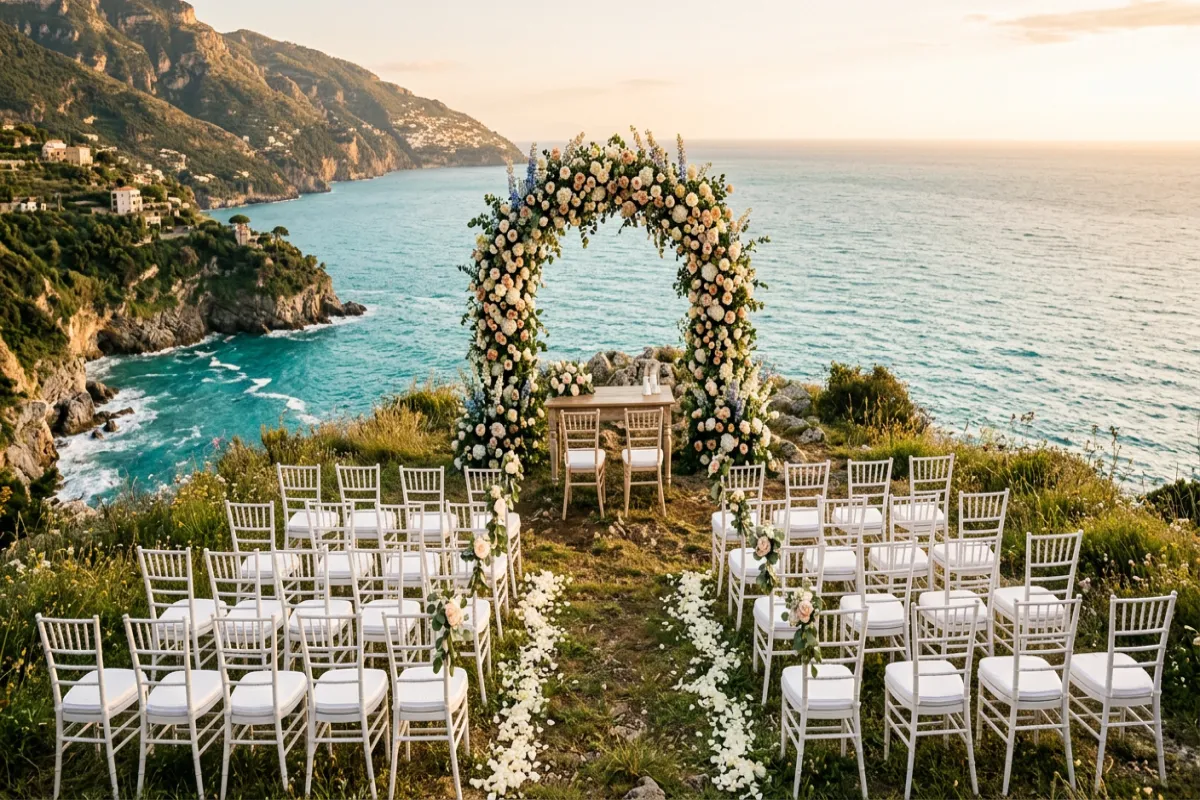
This guide covers both sides: what couples need to coordinate and what guests need to know. The goal is a wedding weekend where everyone can relax, celebrate, and actually enjoy the destination.
For the Couple: Travel Coordination Basics
Your guests are spending significant money and vacation days to attend your wedding. Making their travel experience as smooth as possible is one of the best ways to show appreciation.
Give Maximum Lead Time
Send save-the-dates 10-12 months before the wedding, minimum. For international destinations or holiday weekends, 12-14 months is better. This gives guests time to:
- Request time off from work
- Book flights when prices are lower
- Budget for the trip over several months
- Arrange childcare or pet care if needed
- Check passport expiration dates and renew if necessary
Include the destination, wedding date, and approximate cost range on the save-the-date. Guests need this information early to decide whether they can attend.
Set Up a Room Block
Negotiate a group rate at the venue hotel or a nearby property. A good room block offers:
- 10-20% discount off the standard rate
- Guaranteed availability until a cutoff date (usually 30-60 days before the wedding)
- Flexible cancellation for individual guests
- A dedicated booking link or code for your group
Most hotels require a minimum commitment (often 10-15 rooms per night) for a block. If you do not fill the block, some contracts charge a penalty. Negotiate an 80% fill guarantee instead of 100% to protect yourself.
Offer at least two price-point options. Not every guest wants or can afford the resort where the wedding is held. Include a more affordable nearby hotel as an alternative.
Create a Wedding Travel Website
A dedicated page with all travel logistics saves you from answering the same questions 50 times. Include:
- Hotel options with booking links and group codes
- Airport information and transportation from the airport to the hotel
- Shuttle schedules or rideshare recommendations
- Weekend schedule (welcome dinner, ceremony time, brunch)
- Dress code for each event
- Weather expectations and what to pack
- Local restaurant recommendations for meals not hosted by the couple
- Activity suggestions for free time
Use Yopki to build a shareable trip itinerary for your wedding weekend. Guests can access the schedule, venue details, and activity suggestions from their phones without downloading anything.
Organize Airport Transfers
For resort destinations where guests are arriving throughout a day, arrange shuttle service from the airport to the hotel. Options include:
- Hotel shuttle: Many resorts offer complimentary or discounted airport transfers for groups.
- Private shuttle service: Book a shared shuttle with set departure times. Costs $15-$40 per person depending on distance.
- Rideshare or taxi guide: If guests are on their own, provide clear instructions with estimated costs, app recommendations, and tips for the destination.
For the Couple: Planning Guest Activities
Your guests are traveling to a destination. They want to explore it. Plan at least one group activity beyond the wedding itself.
Welcome Event
A welcome dinner, cocktail hour, or casual gathering the night before the wedding sets the tone. This is where guests who traveled separately finally connect. It does not need to be expensive. Options range from a hosted bar at the hotel restaurant ($30-$50/person) to a casual beach bonfire with drinks and snacks ($10-$15/person).
Post-Wedding Brunch
A morning-after brunch gives the weekend a proper send-off. It is also a chance for the couple to spend relaxed time with guests before everyone scatters. Budget: $25-$45/person for a buffet brunch at the hotel.
Non-Wedding Day Activities
Many guests arrive a day early or stay a day after. Organize optional group activities for these days:
- Group snorkeling or boat tour
- Wine tasting or food tour
- Beach day at a recommended spot
- City walking tour
- Golf, tennis, or spa sessions at the resort
These do not need to be couple-hosted. Simply recommending and organizing them (with a booking link or meeting point) is enough. Guests can opt in and pay their own way.
For Guests: What to Expect and Budget
Attending a destination wedding is a financial commitment. Knowing what to expect helps you budget accurately and avoid surprises.
Typical Guest Costs
- Flights: $200-$800 per person (varies enormously by destination and booking timing)
- Accommodation: $150-$350/night for 2-4 nights ($300-$1,400 total)
- Meals not covered by the couple: $50-$100/day for 1-2 meals
- Transportation: Airport transfers, rideshares, $50-$150 total
- Wedding gift: $50-$150
- Attire: A new outfit if needed, $50-$200
- Activities: Optional excursions, $50-$200
Total per person: $1,000-$3,000 depending on destination and spending style. For a couple attending together: $2,000-$5,000.
How to Save Money as a Guest
- Book flights early. As soon as you get the save-the-date, start watching fares. Set price alerts on Google Flights.
- Use the room block. The negotiated group rate is almost always the best deal for the venue hotel.
- Split accommodations. If you are attending solo, find another single guest to share a room.
- Extend the trip. If you are flying somewhere you have always wanted to visit, add a few days before or after the wedding to get more value from the flight cost.
- Skip optional extras. You do not need to attend every activity. The ceremony and reception are what matter.
Is It OK to Decline?
Yes. Couples who plan destination weddings understand that not everyone can attend. Decline early (as soon as you know), send a heartfelt gift, and do not feel guilty. It is better to RSVP no than to say yes and drop out later, which affects room blocks, catering counts, and seating plans.
For Guests: Packing and Preparation
Carry Your Wedding Outfit On the Plane
This is non-negotiable. If the airline loses your checked bag, you need your ceremony outfit with you. Use a garment bag that fits in the overhead bin. Pack a compact steamer or wrinkle-release spray.
Check Travel Documents
- Passport: Must be valid for at least 6 months past your travel date for most international destinations. Renewal takes 6-8 weeks (or 2-3 weeks for expedited).
- Visa: Check requirements for your destination. Most Caribbean and European countries do not require a visa for US citizens on short stays.
- Travel insurance: Worth considering for international destination weddings. If you get sick or your flight is canceled, you do not want to lose $2,000+ in non-refundable bookings.
Destination Wedding Dress Code
Destination weddings often have different dress codes than hometown ceremonies. Common options:
- Beach formal: Suits without ties, floor-length or midi dresses. No stilettos (sand).
- Resort casual: Linen pants, sundresses, nice sandals.
- Black tie optional: Yes, even at a resort. Pack accordingly.
- Cultural attire: Some destination weddings incorporate local traditions. The couple should specify if guests should follow suit.
When in doubt, ask the couple or check their wedding website. Overdressing is better than underdressing at a wedding.
RSVP and Headcount Management
Destination wedding RSVPs require more information than a standard wedding. The couple needs to know:
- Who is attending (and if they are bringing a plus-one)
- Arrival and departure dates
- Whether they are staying in the room block
- Dietary restrictions for hosted meals
- Interest in optional group activities
Set the RSVP deadline 3-4 months before the wedding. This gives you time to finalize catering, seating, and transportation logistics while giving guests enough lead time to make travel arrangements.
Expect a lower acceptance rate than a local wedding. Typically 50-70% of invited guests attend a destination wedding, compared to 75-85% for a hometown event.
Welcome Bags
Welcome bags are a destination wedding tradition that guests genuinely appreciate. They are usually waiting in the hotel room at check-in. Include:
- A printed weekend schedule with event times and locations
- Local snacks or treats (chocolates, dried fruit, local specialty)
- Water bottles
- Sunscreen, if it is a warm destination
- Pain relievers and antacids
- A personalized thank-you note
- A map or list of local restaurant recommendations
Budget: $15-$30 per bag. Assemble them before you travel and distribute them to the hotel front desk with a guest list.
Budget Breakdown for Couples
Beyond the wedding ceremony and reception itself, couples hosting a destination wedding should budget for these travel-related costs:
- Room block deposit: Some venues require a deposit to hold rooms. Varies by property.
- Welcome event: $25-$50/person, 50-80% of guests typically attend
- Post-wedding brunch: $25-$45/person, usually lower attendance than the ceremony
- Welcome bags: $15-$30 per room
- Guest transportation: Airport shuttles, $15-$40/person each way
- Wedding party accommodations: Optional but appreciated, $150-$350/night per room for 2-3 nights
Track all of these expenses alongside your overall wedding budget. Yopki’s destination wedding itinerary template helps you organize the full weekend schedule, guest logistics, and activity details in one place that you can share with your entire guest list.
Planning Timeline
- 12-18 months out: Choose destination, book venue, negotiate room block
- 10-12 months out: Send save-the-dates with destination and estimated costs
- 8 months out: Launch wedding website with travel details, hotel booking links
- 6 months out: Send formal invitations, open RSVPs
- 3-4 months out: RSVP deadline, finalize headcount, book group activities
- 2 months out: Confirm room block numbers, arrange airport transfers
- 1 month out: Assemble welcome bags, finalize weekend schedule
- 1 week out: Send final logistics email to all guests
Frequently Asked Questions
How much does it cost to attend a destination wedding?
Typically $1,000-$3,000 per person or $2,000-$5,000 per couple for a long weekend. This covers flights, 2-4 nights of accommodation, meals, transportation, and a gift. Costs vary by destination.
Who pays for travel to a destination wedding?
Guests pay for their own travel and accommodations. The couple covers the ceremony, reception, and usually at least one additional group event like a welcome dinner or farewell brunch.
How far in advance should you plan a destination wedding?
Start 12-18 months in advance. Send save-the-dates 10-12 months before the wedding. Book venue and room blocks 12-15 months ahead. Set the RSVP deadline 3-4 months out.
Do you still give a gift for a destination wedding?
Yes, but expectations are generally lower. A gift valued at $50-$150 is appropriate. The couple understands guests are already spending significantly on travel.
What should guests pack for a destination wedding?
Carry your wedding outfit on the plane in a garment bag. Bring a steamer, destination-appropriate casual wear, comfortable shoes for non-wedding events, sunscreen, and any needed medications. Check the dress code carefully.
Planning a destination wedding? Build your full wedding weekend itinerary on Yopki and share it with your guest list. Keep travel details, event schedules, and activity options organized in one shareable plan.