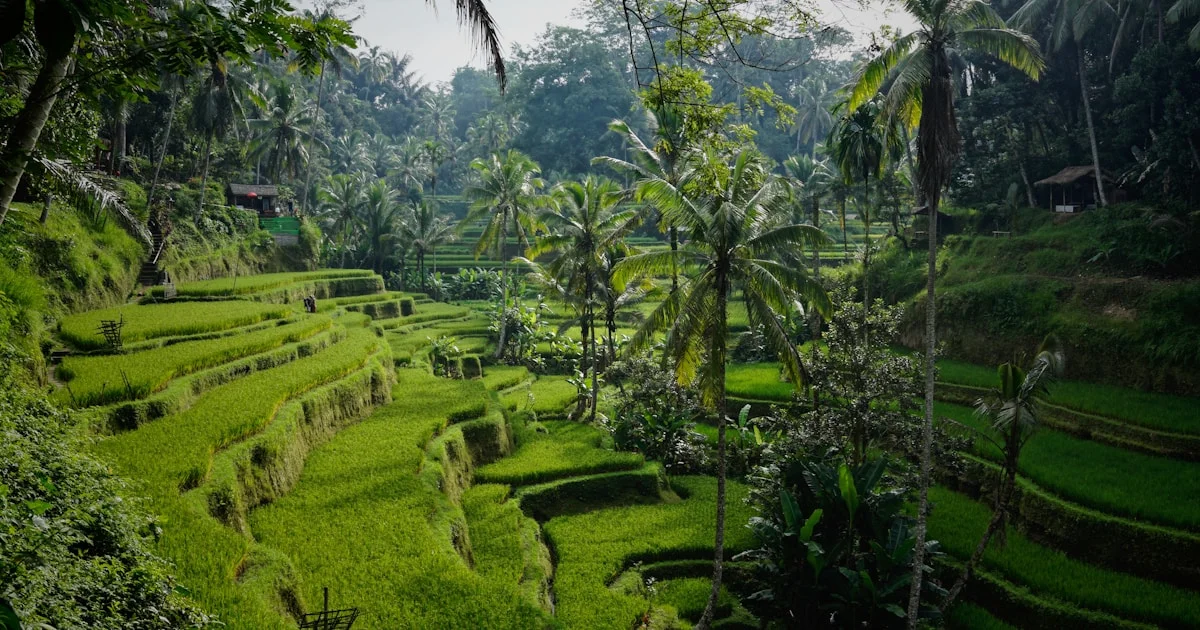
Backpacking is one of the most rewarding ways to see the world. Unlike a typical vacation where you fly to a resort and fly home, backpacking means traveling light with everything you need on your back, staying in hostels and guesthouses, eating local food, and immersing yourself in cultures that are completely different from your own. Whether you are a recent graduate taking a gap year, a career-changer between jobs, or someone who simply wants to travel deeper and cheaper, this guide covers everything you need to plan your first (or next) backpacking trip in 2026.
What Is Backpacking (The Travel Kind)?
When we say “backpacking” here, we are talking about international budget travel, not wilderness hiking with a tent. Backpacking as a travel style means carrying a single backpack (usually 40 to 50 liters), moving between cities and countries at your own pace, staying in hostel dorms or budget guesthouses, and prioritizing experiences over luxury. It is slow travel by design. You spend days or weeks in one place instead of rushing through a checklist of landmarks.
The backpacking community has existed for decades, with well-worn routes through Southeast Asia, Central America, and Europe that travelers have nicknamed the “banana pancake trail” (named after the banana pancakes that guesthouses across Thailand, Laos, and Cambodia all seem to serve). Today, backpacking is more accessible than ever thanks to budget airlines, hostel booking platforms, and a global network of travelers sharing tips online.
If you are looking for general trip planning advice, check out our complete guide to planning any trip.
Choosing Your Destination
Your first decision is where to go. Here are the most popular backpacking regions, ranked roughly from cheapest and easiest for beginners to more challenging:
Southeast Asia remains the top choice for first-time backpackers. Countries like Thailand, Vietnam, Cambodia, Laos, and Indonesia offer incredibly low costs, warm weather year-round, well-established backpacker infrastructure, and stunning scenery. Daily budgets of $25 to $40 are realistic, and English is widely spoken in tourist areas. Thailand is the most common starting point because of cheap flights from major cities, easy visa-free entry for many nationalities, and a mix of beaches, temples, mountains, and nightlife.
Central America is another affordable region, with Guatemala, Nicaragua, Honduras, and Costa Rica forming a popular overland route. Expect daily budgets of $30 to $50. Spanish helps here, though you can get by without it on the main backpacker trail.
Eastern Europe offers incredible value compared to Western Europe. Countries like Poland, Hungary, Romania, Bulgaria, and the Balkans (Croatia, Montenegro, Albania, Bosnia) have rich history, excellent food, and daily budgets of $40 to $60.
South America is a continent of extremes, from the Andes to the Amazon to Patagonia. Colombia, Peru, Bolivia, and Ecuador are the most budget-friendly countries, with daily costs of $30 to $50. For trip-specific guidance, see our Peru planning guide.
Western Europe is more expensive ($60 to $100 per day) but remains a classic backpacking destination, especially for first-timers who want familiar infrastructure and easy train connections. Our Europe planning guide covers the logistics in detail.
How Long Should You Go?
The length of your trip shapes everything from your budget to your packing list to your mindset on the road.
Two weeks is the minimum to get a real taste of backpacking. You will have time to settle into the rhythm of slow travel, but you will probably only cover one country or a small region. This is a good length for a first trip to test whether the backpacking lifestyle suits you.
One to three months is the sweet spot for most backpackers. You have enough time to cover a full region (all of Southeast Asia, or Central America, or a chunk of Europe), and you start experiencing the real benefits of slow travel: learning some local language, building friendships with other travelers, and finding the places that do not show up in guidebooks.
Six to twelve months is an extended trip, often a gap year or career break. At this length, you are not just traveling; you are living on the road. Budget planning becomes critical, and many travelers supplement their savings with remote work, teaching English, or working holiday visas.
Budget Planning
Backpacking is the most affordable way to travel internationally, but you still need a financial plan. Here is what to expect by region in 2026:
| Region | Daily Budget (USD) | Monthly Estimate | Includes |
|---|---|---|---|
| Southeast Asia | $25 – $40 | $750 – $1,200 | Hostel dorm, street food, local transport, activities |
| Central America | $30 – $50 | $900 – $1,500 | Hostel/guesthouse, local meals, buses, tours |
| Eastern Europe | $40 – $60 | $1,200 – $1,800 | Hostel dorm, mix of cooking and eating out, trains |
| South America | $30 – $50 | $900 – $1,500 | Hostel, local food, buses, some tours |
| Western Europe | $60 – $100 | $1,800 – $3,000 | Hostel dorm, budget meals, rail passes, museums |
How much to save before you leave: Calculate your daily budget multiplied by the number of travel days, then add your round-trip flight cost plus a 15% emergency buffer. For a three-month trip through Southeast Asia, that looks roughly like: (90 days x $35/day) + $800 flight + 15% buffer = about $4,400 total. Many backpackers save $5,000 to $7,000 for a three-month trip to be comfortable.
Work exchange options: Platforms like Workaway and WWOOF (World Wide Opportunities on Organic Farms) let you trade 4 to 5 hours of daily work for free accommodation and meals. This can stretch your budget significantly and gives you deeper cultural experiences than staying in hostels alone.
What to Pack
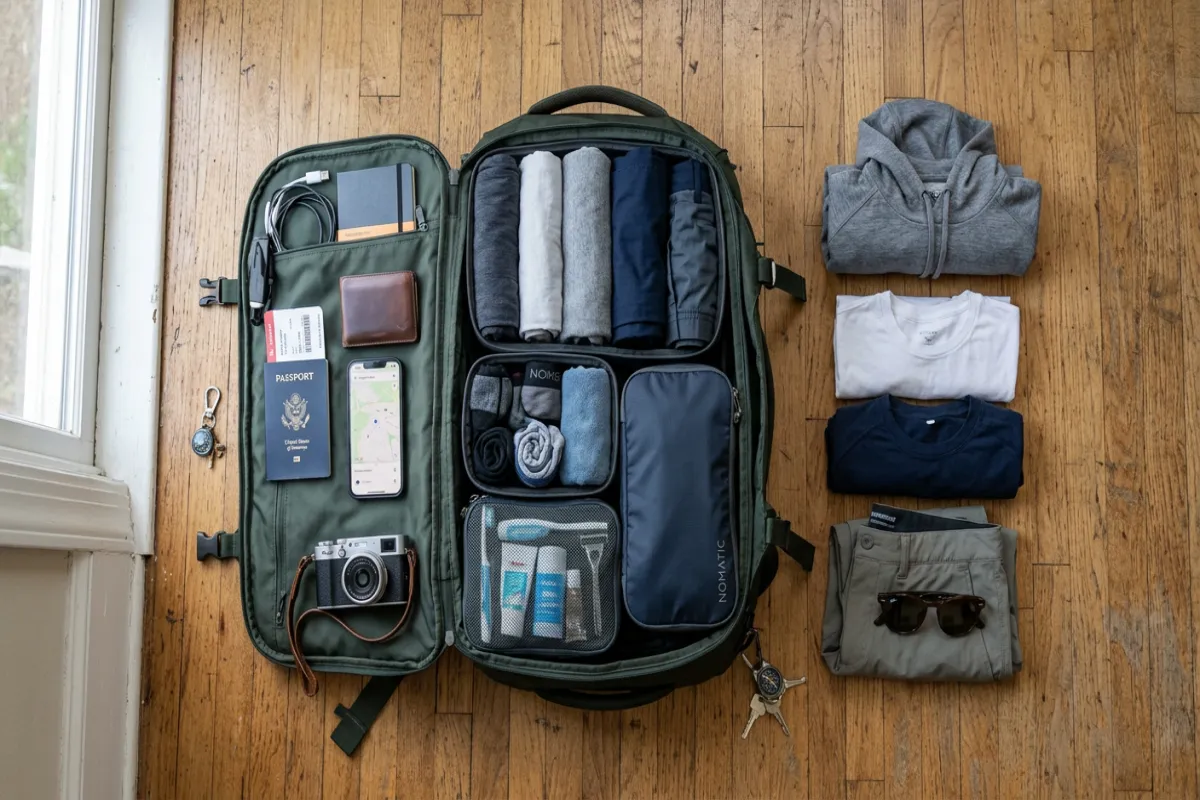
The number one rule of backpacking: pack less than you think you need. You can buy almost anything you forget on the road, but you cannot make your bag lighter without throwing things away.
Your backpack: Choose a 40 to 50 liter travel backpack (not a hiking pack with an external frame). Popular options include the Osprey Farpoint/Fairview 40L, the REI Ruckpack 40, and the Tortuga Outbreaker. Try it on with weight in the store before buying. The pack should sit on your hips, not hang from your shoulders.
Clothing (7 items maximum):
- 3 quick-dry t-shirts or tanks
- 2 pairs of shorts or lightweight pants (zip-off pants work well)
- 1 light long-sleeve layer for cool evenings or sun protection
- 1 rain jacket that doubles as a windbreaker
- 5 pairs of underwear and socks (merino wool dries fast and resists odor)
- 1 pair of comfortable walking shoes and 1 pair of flip-flops or sandals
- 1 swimsuit
Essential gear:
- Packing cubes (these are a game-changer for organization)
- Universal power adapter
- Padlock for hostel lockers
- Headlamp or small flashlight
- Microfiber travel towel
- Reusable water bottle (many hostels have filtered water stations)
- Photocopies of your passport, visa, and insurance documents (keep digital copies in your email too)
Where to Stay
Hostels are the backbone of backpacker accommodation. A dorm bed typically costs $5 to $15 per night in Southeast Asia and $15 to $35 in Europe. Hostelworld is the largest booking platform, followed by Booking.com. Read reviews carefully; look for ratings on cleanliness, location, and atmosphere. Many hostels also offer private rooms at a slight premium if you need a break from dorm life.
Guesthouses and homestays are common in Asia, Central America, and parts of Africa. They are often family-run, with simple private rooms for $10 to $30 per night. These give you a more local experience than hostels.
Couchsurfing is a platform where locals offer free accommodation to travelers. It works best in cities with large Couchsurfing communities, and the experience is as much about cultural exchange as saving money. Always read host profiles and reviews carefully.
Workaway and WWOOF provide free accommodation in exchange for a few hours of daily work. Placements range from organic farms to language schools to eco-lodges. You typically commit to a minimum stay of two weeks.
Getting Around
Transport is often your biggest variable expense. Here are the options, from cheapest to most convenient:
Local buses are the cheapest option everywhere. In Southeast Asia, you can travel between cities for $5 to $15. Night buses are popular because they save you a night of accommodation, though comfort varies wildly.
Trains are excellent in Europe (consider a Eurail pass if you are covering multiple countries) and parts of Asia (India, Sri Lanka, Japan). They are comfortable, scenic, and often cheaper than flying when booked in advance.
Budget airlines like AirAsia, Ryanair, EasyJet, and Wizz Air can be cheaper than ground transport for longer distances, especially if you book early and travel with only a carry-on. Check Skyscanner or Google Flights for deals.
Walking is underrated. In many cities and small towns, walking is the best way to discover hidden neighborhoods, street food stalls, and local life that you would miss from a bus window.
Staying Safe on the Road
Backpacking is statistically very safe, but common sense goes a long way. Here are the essentials:
Travel insurance is mandatory. Do not skip this. A single hospital visit overseas can cost thousands of dollars. World Nomads, SafetyWing, and Heymondo are popular among backpackers. Make sure your policy covers the activities you plan to do (motorcycling, scuba diving, etc.).
Protect your valuables. Use hostel lockers with your own padlock. Carry a money belt or hidden pouch for your passport and backup cash. Leave expensive jewelry and watches at home. Keep digital copies of all important documents in your email.
Solo travel safety: Millions of people travel solo every year, including solo women. Trust your instincts: if a person, place, or situation feels wrong, leave. Share your itinerary with someone at home. Check in regularly via messaging apps.
Street smarts: Be aware of common scams in your destination (tuk-tuk scams in Bangkok, fake “closed” temples, gem shop scams). A quick search for “[city] tourist scams” before you arrive will prepare you for the most common ones.
Meeting People
One of the best parts of backpacking is the people you meet. Unlike resort vacations where everyone stays in their own bubble, backpacking naturally creates community.
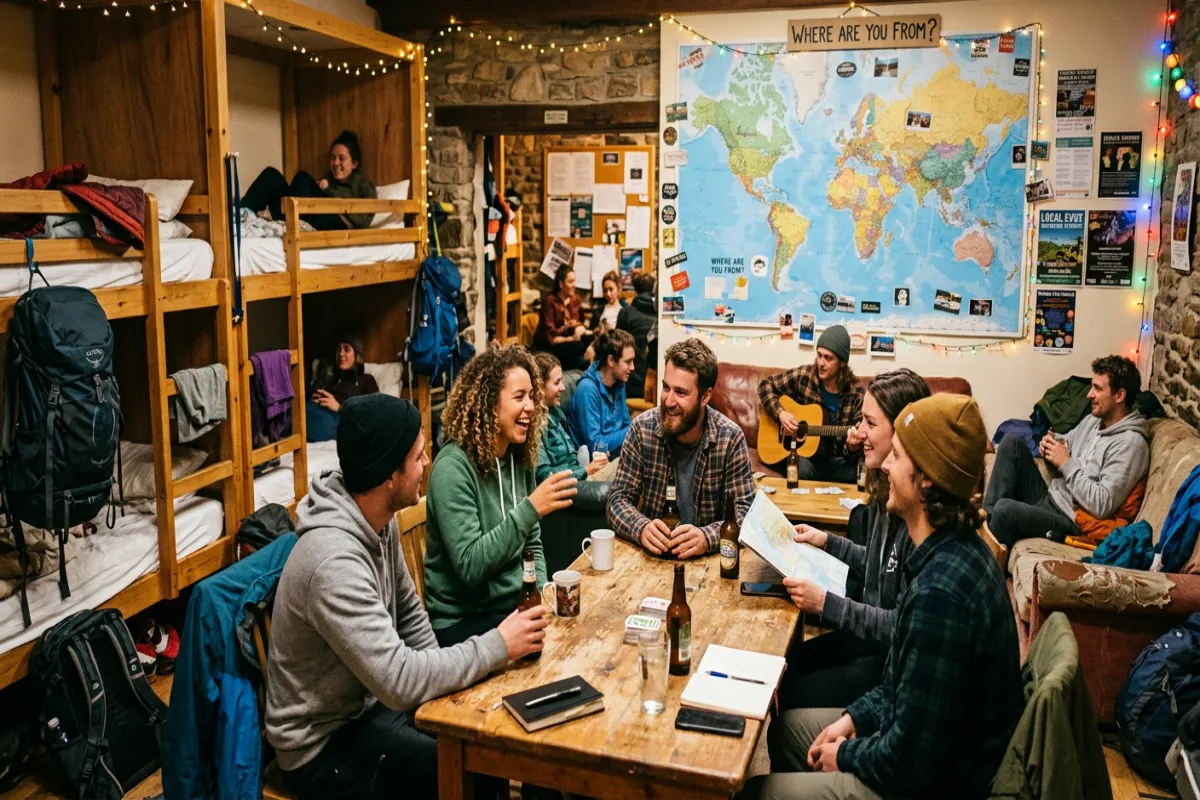
Hostels are built for socializing. Common rooms, shared kitchens, organized pub crawls, and group dinners make it easy to meet other travelers. Many backpackers form travel groups on the fly, joining up with people they met at a hostel and traveling together for days or weeks.
Free walking tours are available in most major cities worldwide. They are a great way to learn about a city, get oriented, and meet other travelers. You pay what you think the tour was worth at the end.
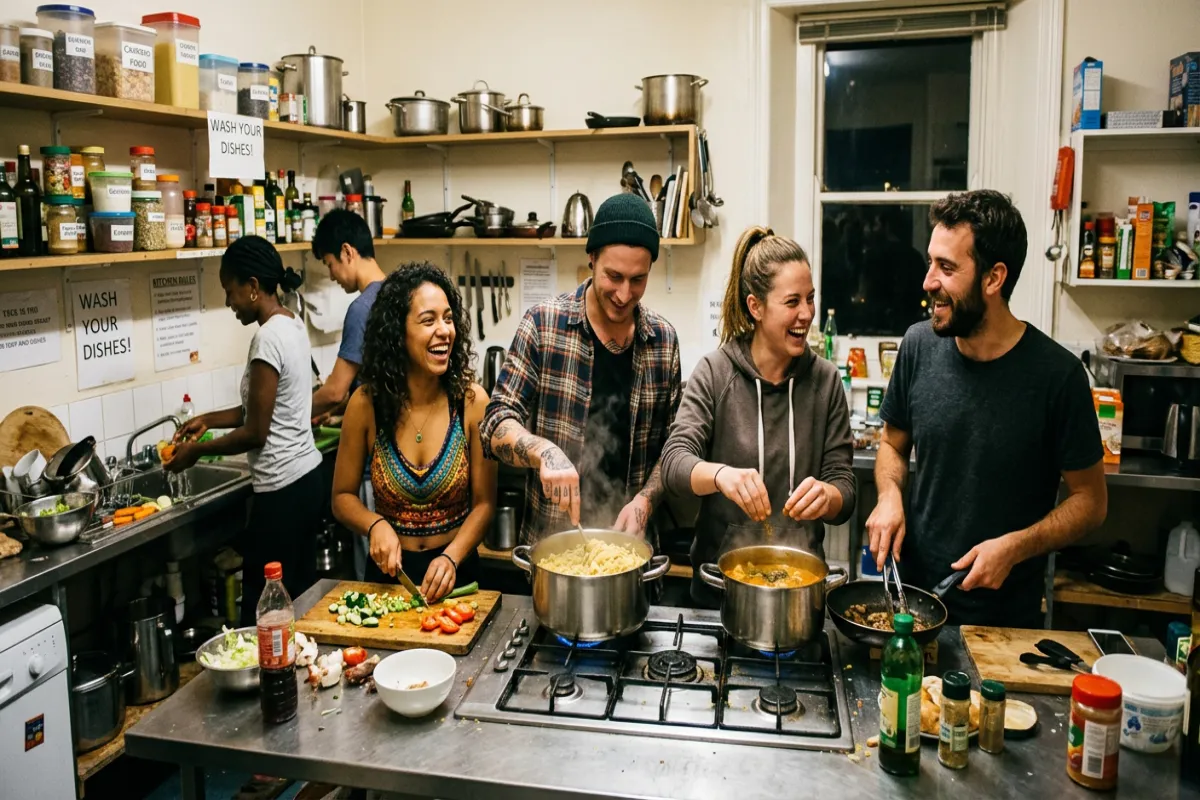
Cook together. Hostel kitchens are social spaces. Buying ingredients at a local market and cooking a meal together is cheaper than eating out and is one of the best ways to bond with other travelers.
Travel apps: Apps like Backpackr, Couchsurfing Hangouts, and Meetup can help you find events and other travelers in your area.
Working While Traveling
If you are planning a trip longer than a few months, earning money on the road can extend your travels significantly.
Digital nomad work: If you have skills in writing, design, programming, marketing, or virtual assistance, you can freelance remotely. Platforms like Upwork, Fiverr, and Toptal connect freelancers with clients worldwide. You will need reliable Wi-Fi (coworking spaces are common in backpacker hubs like Chiang Mai, Bali, Lisbon, and Medellin).
Working holiday visas: Countries like Australia, New Zealand, Canada, Ireland, and several others offer working holiday visas for travelers aged 18 to 30 (sometimes 35). These let you work legally for up to a year, and many backpackers fund months of travel through seasonal farm work, hospitality jobs, or ski resort positions.
Teaching English: TEFL (Teaching English as a Foreign Language) certification opens doors to teaching positions across Asia, Central America, and Eastern Europe. Many positions include accommodation and a salary that covers living expenses. Online TEFL courses are available for $150 to $300.
Practical Tips
ATM withdrawals vs. travel cards: ATM fees add up fast overseas. Use a bank that reimburses international ATM fees (Charles Schwab and Wise are popular choices among travelers). Notify your bank before you leave so they do not freeze your card for “suspicious” activity abroad.
Download offline maps: Google Maps and Maps.me both allow you to download maps for offline use. Do this for every destination before you arrive. It saves data, works without Wi-Fi, and prevents you from getting lost.
Slow down: The biggest mistake new backpackers make is trying to see too much. Moving to a new city every two days is exhausting and expensive. Stay at least three nights in each place, and you will have more meaningful experiences and spend less money.
Journal your trip: Whether you use a notebook, a blog, or just voice memos on your phone, record your experiences. Memories fade faster than you expect, and you will be grateful for these records years later.
Learn basic phrases: “Hello,” “thank you,” “how much,” and “where is the bathroom” in the local language goes a long way. Locals appreciate the effort, and it opens doors that staying in English keeps closed.
Sample Backpacking Planning Timeline
Here is a timeline for planning a backpacking trip, working backward from your departure date:
6 months before:
- Choose your destination region and rough route
- Check passport validity (must be valid for 6 months beyond your travel dates)
- Start saving aggressively toward your travel fund
- Research visa requirements for every country on your route
- Get travel insurance quotes
3 months before:
- Buy your international flights (use our AI travel planner to compare options)
- Apply for any visas that require advance processing
- Schedule travel vaccinations (some require multiple doses weeks apart)
- Buy your backpack and start test-packing
1 month before:
- Book your first 2 to 3 nights of accommodation (do not book your entire trip in advance)
- Purchase travel insurance
- Set up a travel-friendly bank account or debit card
- Create a travel budget spreadsheet to track spending
- Make digital copies of all documents
1 week before:
- Download offline maps for your first destination
- Share your itinerary with family or a trusted friend
- Do a final pack and remove anything you have not used in practice runs
- Confirm your flight and first accommodation booking
For more destination-specific planning, check out our guides for Thailand, Europe, and Peru.
Free Download: Backpacking Trip Checklist
A printable backpacking trip checklist covering shelter, cooking gear, clothing layers, navigation, water treatment, and Leave No Trace essentials.
More free templates at yopki.com/templates
Planning Tools
These resources will help you plan and book your backpacking trip:
- Yopki AI Trip Planner helps you build a custom itinerary for any destination, compare flight options, and organize your trip day by day.
- Travel Budget Template is a free spreadsheet to track your daily spending on the road and compare it against your planned budget.
- Hostelworld and Booking.com for accommodation booking and reviews.
- Skyscanner and Google Flights for finding the cheapest flights.
- Rome2Rio for comparing transport options (flights, trains, buses, ferries) between any two cities.
- Maps.me for detailed offline maps with walking directions.
- XE Currency for real-time exchange rates.
Frequently Asked Questions
How much money do I need to go backpacking?
It depends on your destination and trip length. For a three-month trip through Southeast Asia, plan for $4,000 to $6,000 including flights. For Europe, budget $6,000 to $9,000 for the same duration. These estimates include accommodation, food, transport, activities, and insurance, with a buffer for emergencies.
Is backpacking safe for solo travelers?
Yes. Millions of people backpack solo every year, including solo women. The backpacking community is generally welcoming and supportive. Standard precautions apply: trust your instincts, avoid walking alone late at night in unfamiliar areas, keep valuables secure, and always have travel insurance. Hostels are great for solo travelers because you are never really alone unless you want to be.
What size backpack should I get?
A 40 to 50 liter backpack is the standard recommendation for international backpacking. A 40L bag can usually be carried on to flights, saving you baggage fees. Go to an outdoor store and try several packs with weight inside. The most important factor is how it fits your torso and hips, not the brand.
Do I need to book everything in advance?
No. One of the joys of backpacking is flexibility. Book your international flights and your first few nights of accommodation, then figure out the rest as you go. The exceptions are peak season (book popular hostels a few days ahead) and any tours or activities that sell out (like trekking permits or diving courses).
What is the best destination for a first-time backpacker?
Southeast Asia, specifically Thailand, is the most common recommendation for first-timers. It is affordable, the infrastructure for backpackers is excellent, English is widely spoken in tourist areas, the food is incredible, and the country offers a huge variety of experiences from cities to beaches to mountains. From Thailand, it is easy to extend your trip into neighboring countries like Laos, Cambodia, or Vietnam.
Planning a backpacking trip takes some preparation, but the reward is an experience that will change how you see the world. Start with a destination that excites you, set a realistic budget, pack light, and leave room for the unexpected. The best moments of any backpacking trip are the ones you did not plan for.