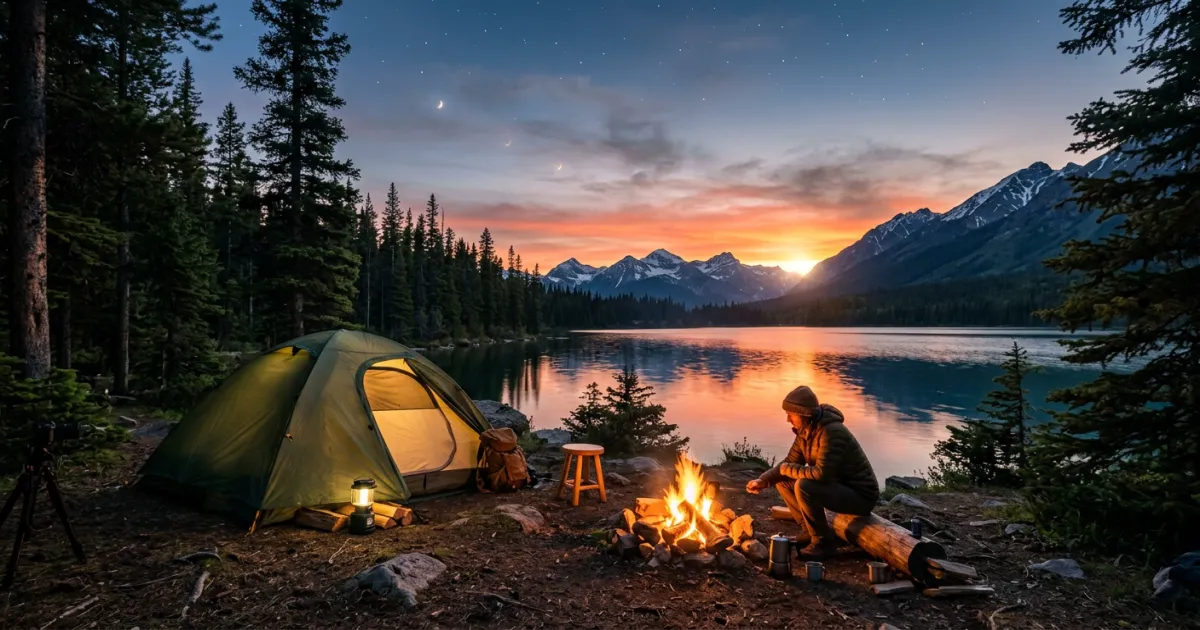
Camping remains one of the most popular outdoor activities in the United States, with millions of people heading to campgrounds each year. Whether you are a first-time camper or looking to refine your planning process, this guide walks you through every step of organizing a successful camping trip in 2026.
From choosing the right campsite to packing essential gear, planning meals, and keeping your family safe in the outdoors, you will find everything you need to hit the trail with confidence.
Types of Camping
Before you start planning, it helps to understand the different types of camping so you can choose the experience that fits your comfort level, budget, and sense of adventure.
Car Camping (Drive-Up)
Car camping is the easiest entry point for beginners. You park your vehicle right next to your campsite, which means you can bring along heavier gear, larger coolers, and comfort items like camp chairs and lanterns without worrying about carrying everything on your back. Most established campgrounds in national and state parks cater to car campers.
Tent Camping
Tent camping is the classic outdoor experience. You set up a tent at a designated campsite and sleep under the stars (or at least under nylon). This style works well at both developed campgrounds with amenities like restrooms and water, and at more remote sites with minimal facilities.
RV and Trailer Camping
RV camping gives you the comforts of home on the road. Many campgrounds offer sites with electric hookups, water connections, and dump stations specifically for RVs and travel trailers. RV sites typically cost more than tent sites, averaging $25 to $40 per night at national parks, but you gain climate control, a kitchen, and a real bed.
Backcountry and Backpacking
Backcountry camping takes you beyond established campgrounds into the wilderness. You carry everything you need in a backpack, hike to your campsite, and set up in remote areas. This style requires more experience, lighter gear, and careful planning around water sources and trail conditions. Many backcountry areas require permits, so check with the managing agency before you go.
Glamping
Glamping, or glamorous camping, bridges the gap between outdoor adventure and resort-style comfort. Think yurts, canvas tents with real beds, treehouses, and cabins with full amenities. Companies like Hipcamp and AutoCamp offer curated glamping experiences across the country. Costs vary widely, from $75 to $300 or more per night, depending on the level of luxury.
Choosing Your Campsite
Where you camp shapes your entire experience. Here are the main options and what to know about each one.
National Parks
National park campgrounds are some of the most popular in the country, and they fill up fast. Most sites on Recreation.gov open for reservations six months in advance at 10:00 a.m. Eastern Time. For a July 4th weekend trip, that means you need to be online booking on January 4th. Standard tent sites at national parks typically cost between $15 and $32 per night, plus a park entrance fee of $15 to $35 per vehicle (valid for seven days).
The America the Beautiful Annual Pass costs $80 and covers entrance fees at all national parks and federal recreation areas for a full year. If you plan to visit more than two or three parks, this pass pays for itself quickly.
State Parks
State parks are often less crowded than national parks and can be just as scenic. Fees vary by state but generally fall between $10 and $35 per night. Many state park systems have their own reservation platforms, so check your destination state’s parks website for booking details and timelines.
Private Campgrounds
Private campgrounds like KOA and sites listed on Hipcamp often offer more amenities than public campgrounds, including pools, Wi-Fi, laundry facilities, and camp stores. Expect to pay $30 to $60 per night or more, depending on the location and amenities. These sites are a solid option for families and first-time campers who want a more comfortable experience.
Dispersed Camping (Free)
Bureau of Land Management (BLM) land and U.S. Forest Service (USFS) areas allow dispersed camping, which means you can camp for free in undeveloped areas. There is typically a 14-day stay limit. You will not have access to restrooms, water, or other facilities, so you need to be fully self-sufficient. This option is ideal for experienced campers looking for solitude and zero campsite fees.
First-Come, First-Served Tips
Many campgrounds hold a portion of their sites for walk-in campers. To snag one, arrive early in the day, ideally before noon on a Thursday or Friday for weekend camping. Weekday arrivals give you the best selection. Have a backup campground in mind in case your first choice is full.
Essential Gear Checklist
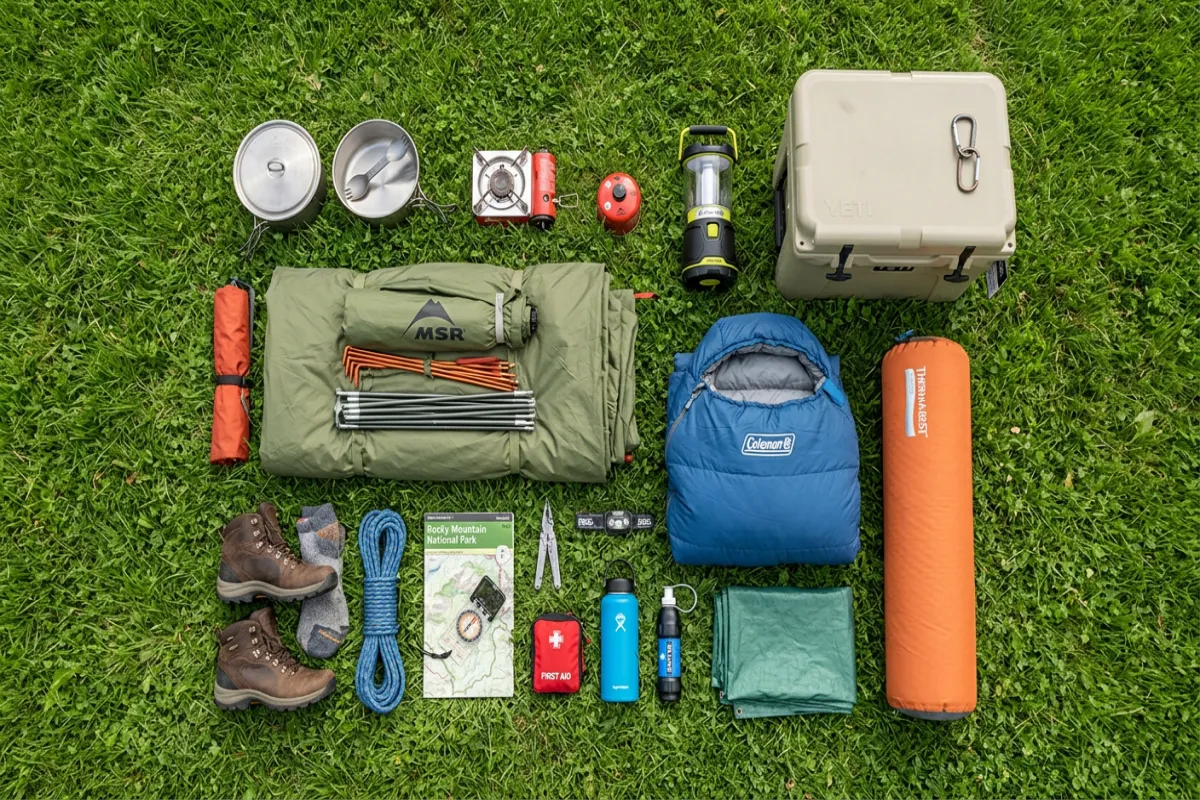
Having the right gear makes the difference between a comfortable trip and a miserable one. Here is what you need, broken down by category.
Shelter and Sleeping
- Tent with rainfly: Buy a tent rated for one more person than your group size for extra room. A 4-person tent works well for a couple with gear.
- Sleeping bag: Match the temperature rating to your destination. Summer bags handle 30 degrees Fahrenheit and above, three-season bags cover 15 to 30 degrees, and winter bags go below 15 degrees.
- Sleeping pad: Provides insulation from the ground and cushioning. Foam pads are affordable and durable, while inflatable pads are more comfortable but pricier.
- Ground tarp or footprint: Protects the bottom of your tent from moisture and punctures.
Cooking and Food Storage
- Camp stove with fuel: A two-burner propane stove is versatile for car camping. Backpackers should look at compact canister stoves.
- Cooler: A quality cooler keeps food cold for days. Pre-chill it before loading and use block ice, which lasts longer than cubed ice.
- Cookware: A pot, pan, spatula, and cooking knife cover most camp meals.
- Plates, cups, and utensils: Reusable options are better for the environment and sturdier than disposables.
- Water bottles and water treatment: Bring enough water or a filtration system if you are camping where potable water is not available.
Clothing
- Layering system: Even in summer, temperatures can drop significantly at night. Pack a moisture-wicking base layer, an insulating mid layer, and a waterproof outer layer.
- Rain gear: A lightweight rain jacket is essential regardless of the forecast.
- Sturdy footwear: Hiking boots or trail shoes with good ankle support for trails, plus camp sandals for around the site.
- Extra socks: Wet feet lead to blisters. Pack more socks than you think you need.
Tools and Safety
- Headlamp or flashlight: Hands-free lighting is a must for nighttime tasks. Bring extra batteries.
- Multi-tool or knife: Useful for everything from food prep to gear repairs.
- First aid kit: Include bandages, antiseptic, pain relievers, tweezers, and any personal medications.
- Sunscreen and insect repellent: Non-negotiable for any outdoor trip.
- Map and compass: Do not rely solely on your phone, especially in areas without cell service.
Comfort Items
- Camp chairs: Foldable chairs make relaxing around the fire much more enjoyable.
- Lantern: LED lanterns provide bright, long-lasting light for your campsite.
- Tarp or canopy: Creates shade and rain protection over your cooking and dining area.
Meal Planning for Your Camping Trip
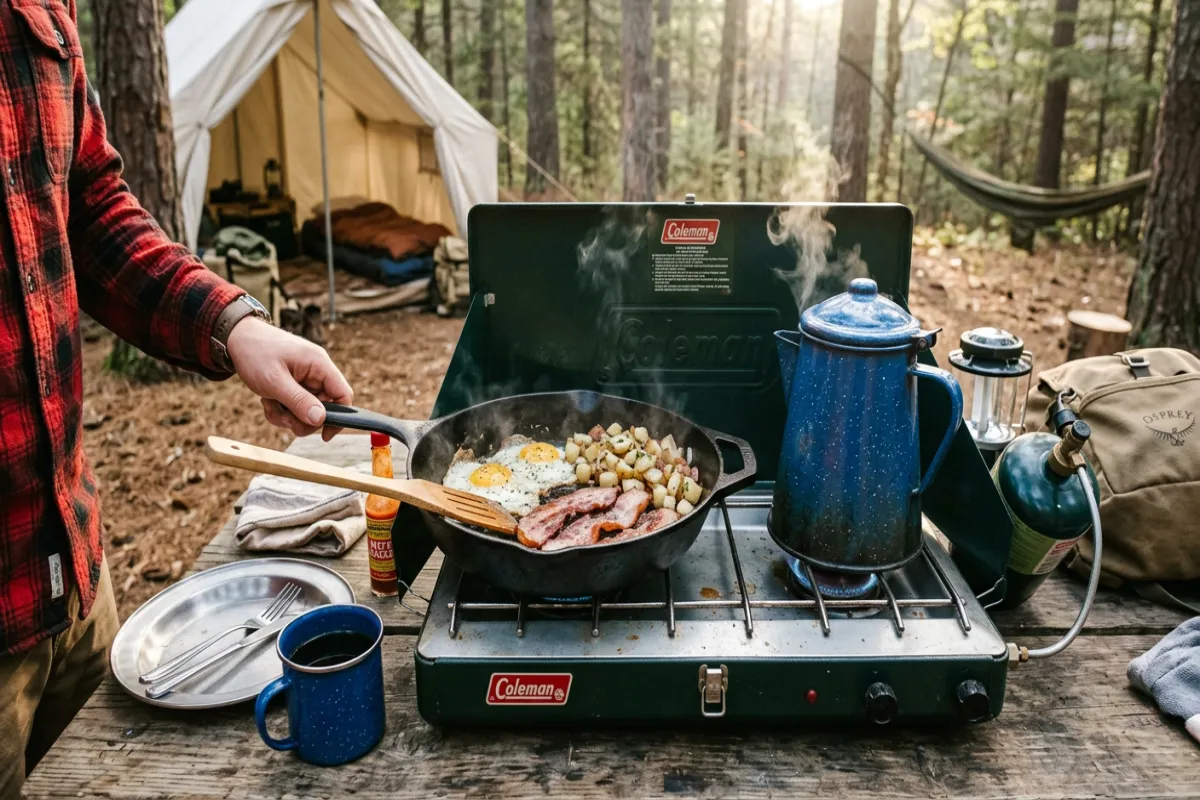
Good food can turn an ordinary camping trip into a memorable one. Plan your meals in advance and keep things simple, especially if you are new to camp cooking.
Easy Camp Meals
Stick with meals that require minimal prep and cleanup. Breakfast burritos, one-pot pasta, foil packet dinners, and hot dogs are all crowd-pleasers. Pre-chop vegetables and marinate meats at home to save time at the campsite.
Cooler Management
Pack your cooler strategically. Place items you will need last at the bottom and things you will use first on top. Keep raw meat in sealed bags at the bottom to prevent cross-contamination. Drain water regularly but do not drain it all, as cold water helps keep items chilled.
Bear Canisters and Food Storage
In bear country, you are often required to store food in bear-resistant canisters or hang it from a bear pole. Check regulations for your specific campground. Even in areas without bears, proper food storage keeps raccoons, squirrels, and other wildlife out of your supplies. Never store food in your tent.
No-Cook Options
For quick meals or snacks, pack trail mix, jerky, peanut butter and crackers, fresh fruit, cheese, and granola bars. These require zero preparation and keep well without refrigeration.
Camp Coffee
For many campers, coffee is non-negotiable. Popular methods include a pour-over dripper (lightweight and simple), a French press (great flavor, slightly bulkier), instant coffee packets (fastest option), or a percolator on the camp stove (classic and makes enough for a group).
Campfire Safety
A campfire is one of the best parts of camping, but it comes with real responsibility. Wildfires caused by unattended campfires damage thousands of acres every year.
- Check fire restrictions: Before your trip, check with the local ranger station or park website for current fire restrictions. During dry conditions, campfires may be banned entirely.
- Use existing fire rings: Never build a new fire ring. Use the metal fire ring or established fire pit at your campsite.
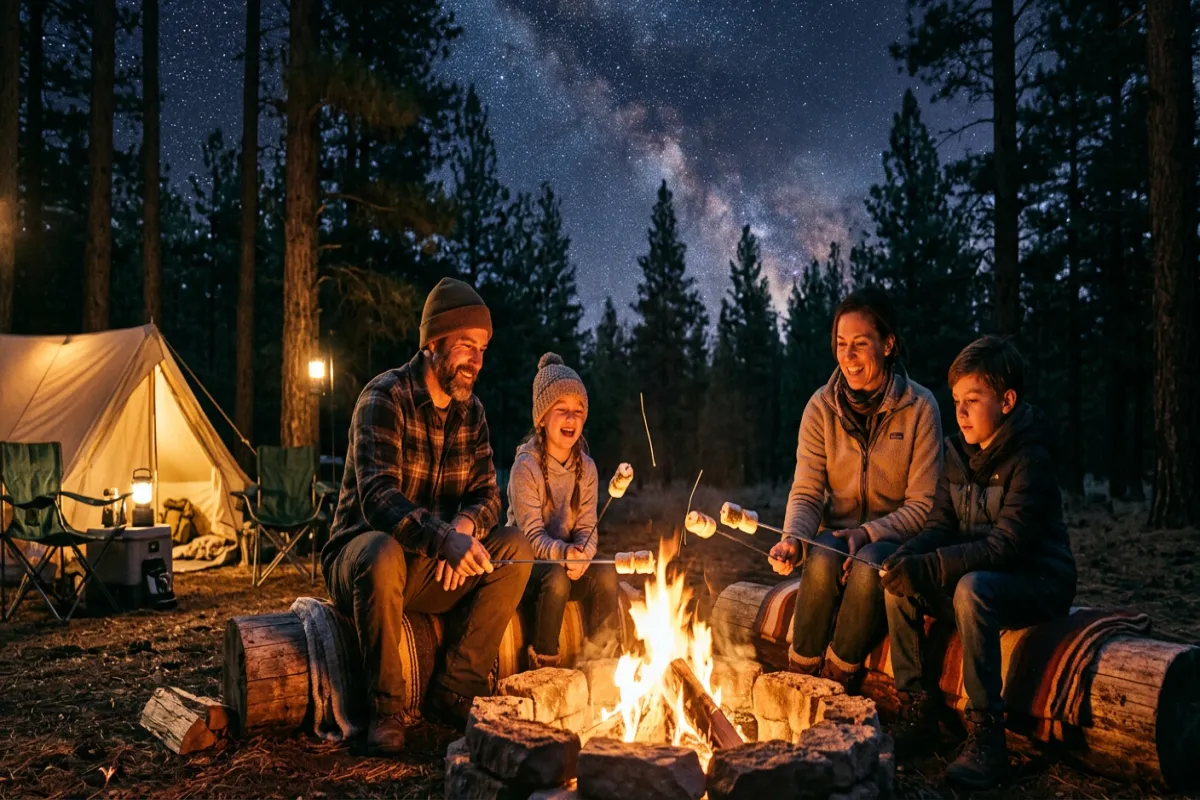
- Keep fires small: A manageable fire is safer and easier to control. You do not need a bonfire to roast marshmallows.
- Never leave a fire unattended: Someone should always be watching an active fire.
- Fully extinguish before leaving or sleeping: Drown the fire with water, stir the ashes, and drown again. The ashes should be cool to the touch before you walk away.
- Follow Leave No Trace principles: Burn wood completely to ash, pack out any trash, and leave the fire ring clean for the next camper.
Camping with Kids
Camping with children is one of the best ways to build lasting family memories. A little extra planning goes a long way toward keeping everyone happy.
Start with Short Trips
If your kids have never camped before, start with a one-night trip close to home. This lets everyone get comfortable with sleeping outdoors without committing to a long wilderness adventure. Car camping at a developed campground with restrooms is ideal for first-timers.
Age-Appropriate Activities
Keep kids engaged with activities that match their age and interests. Nature scavenger hunts work well for younger children. Give them a list of items to find, such as a pinecone, a smooth rock, a feather, or animal tracks. Older kids enjoy fishing, hiking, stargazing, and learning to build a campfire safely.
Safety Considerations
Set clear boundaries around the campsite, especially near water. Make sure each child has a whistle to blow if they get lost. Apply sunscreen and insect repellent regularly. Bring familiar comfort items like a favorite stuffed animal or blanket to help younger children feel at ease sleeping in a tent.
Camping Budget Breakdown
One of the best things about camping is that it can be as affordable or as comfortable as you want it to be. Here is a realistic look at what to expect.
Gear Costs (One-Time Investment)
Quality camping gear is a one-time investment that lasts for years. A solid beginner setup for two people might include:
- Tent: $100 to $300
- Sleeping bags (2): $50 to $150 each
- Sleeping pads (2): $30 to $100 each
- Camp stove: $40 to $100
- Cooler: $30 to $80
- Camp chairs (2): $20 to $50 each
- Headlamps, first aid kit, and miscellaneous: $50 to $100
A basic two-person setup runs roughly $400 to $1,000 total. You can reduce costs by borrowing gear from friends, shopping end-of-season sales, or checking secondhand marketplaces. Once you own your gear, the cost of each subsequent trip drops dramatically.
Campsite Fees
- National park campgrounds: $15 to $32 per night
- State parks: $10 to $35 per night
- Private campgrounds (KOA, etc.): $30 to $60 per night
- Dispersed camping on BLM/USFS land: Free
Annual Passes
The America the Beautiful Pass ($80 per year) covers entrance fees at all 400-plus national park sites and many federal recreation areas. If you camp at national parks more than twice a year, this pass saves you money.
Food and Supplies
Budget approximately $15 to $25 per person per day for campfire-friendly groceries. Bringing food from home and cooking at the campsite is significantly cheaper than eating at restaurants during a hotel-based vacation.
Practical Tips for a Better Camping Trip
- Arrive early: Getting to the campground before noon gives you the best site selection, especially at first-come, first-served locations. You will also have daylight to set up camp comfortably.
- Test your gear at home: Set up your tent in the backyard before your trip. This helps you spot missing parts, practice setup, and avoid frustration at the campsite.
- Layer your clothing: Weather in the outdoors changes fast. Wearing layers lets you adjust to temperature swings throughout the day without overpacking.
- Use insect repellent: Apply bug spray, especially at dawn and dusk when mosquitoes are most active. Products containing DEET or picaridin are the most effective.
- Follow Leave No Trace principles: Pack out all trash, stay on established trails, respect wildlife, and leave your campsite cleaner than you found it. The seven Leave No Trace principles are the foundation of responsible outdoor recreation.
- Check the weather: Monitor the forecast in the days leading up to your trip and adjust your packing list accordingly. Sudden storms can roll in quickly in mountainous areas.
- Tell someone your plans: Share your itinerary, campground name, and expected return date with a friend or family member who is not on the trip. This is especially important for backcountry camping.
- Bring entertainment for downtime: A deck of cards, a book, or a frisbee can fill quiet hours around camp.
- Keep a clean campsite: Store food properly, wash dishes away from water sources, and keep your site tidy to avoid attracting wildlife.
Sample Camping Trip Planning Timeline
Use this timeline to stay on track as your trip approaches.
8 Weeks Before
- Choose your destination and camping style
- Check campsite availability and make reservations (earlier for popular parks)
- Research park rules, fire restrictions, and permit requirements
- Start a travel budget to track gear and trip expenses
4 to 6 Weeks Before
- Purchase or borrow any gear you do not already own
- Plan your meals and start a shopping list
- Break in new hiking boots
- Research trails and activities near your campsite
2 Weeks Before
- Test your tent setup and check all gear for damage
- Confirm your reservation
- Check the weather forecast and adjust your packing list
- Use an AI travel planner to help organize your itinerary and activities
1 Week Before
- Grocery shop for camp meals and snacks
- Charge all devices and headlamps
- Download offline maps for your camping area
- Share your itinerary with a friend or family member
The Day Before
- Pack your vehicle (heavy items on the bottom, essentials on top)
- Pre-chill your cooler with ice
- Prep any food that can be chopped or marinated in advance
- Fill up your gas tank
Trip Day
- Depart early to arrive at the campground with plenty of daylight
- Check in at the ranger station or campground host if required
- Set up camp, explore your surroundings, and enjoy the outdoors
Free Download: Camping Trip Checklist
A printable camping trip checklist covering gear, food, clothing, safety essentials, and campsite setup. Check off items as you pack to make sure nothing gets left behind.
More free templates at yopki.com/templates
Planning Tools and Resources
The right tools make trip planning easier and help you stay organized from start to finish.
- Recreation.gov: The official booking platform for national park campgrounds, cabins, and permits.
- How to Plan a Trip (Complete Guide): Our step-by-step framework for planning any trip, from weekend getaways to extended adventures.
- Yopki AI Travel Planner: Get personalized trip recommendations and itinerary suggestions powered by AI.
- Travel Budget Template: Track your camping expenses and keep your trip within budget.
If you are planning a camping trip that includes a road trip to your destination, check out our guide to planning a road trip for route planning tips, packing advice, and ways to save on fuel.
Heading to a specific national park? Our guides to planning a trip to Yellowstone and planning a trip to Yosemite cover campground-specific tips, reservation strategies, and the best times to visit.
Frequently Asked Questions
How far in advance should I book a campsite?
For popular national parks, book as soon as reservations open, typically six months in advance. State parks and private campgrounds are less competitive but still benefit from booking four to eight weeks ahead, especially for summer weekends and holidays.
How much does a camping trip cost?
A weekend camping trip for two people costs roughly $50 to $100 for the campsite plus $30 to $50 for food. If you already own gear, camping is one of the most affordable vacation options available. First-time campers should budget $400 to $1,000 for a basic gear setup that will last for years.
What is the best time of year to go camping?
Late spring through early fall (May through September) is the most popular camping season in most of the United States. Shoulder seasons like May and September offer milder weather, fewer crowds, and lower campsite fees at many locations.
Can I camp for free?
Yes. Dispersed camping is allowed for free on most Bureau of Land Management (BLM) and U.S. Forest Service land, with a typical 14-day stay limit. You will need to be fully self-sufficient with water, food, and waste disposal.
What should I do if it rains during my camping trip?
Rain is part of camping. Make sure your tent has a quality rainfly and seam-sealed seams. Set up a tarp over your cooking and sitting area. Bring waterproof layers and extra dry clothes. Store gear in dry bags or heavy-duty trash bags to keep everything dry.
Is camping safe for beginners?
Absolutely. Start with car camping at a developed campground that has restrooms, water, and a camp host. Stay at sites close to home for your first trip so you can easily head home if needed. As your confidence and skills grow, you can gradually move toward more remote and rugged camping experiences.