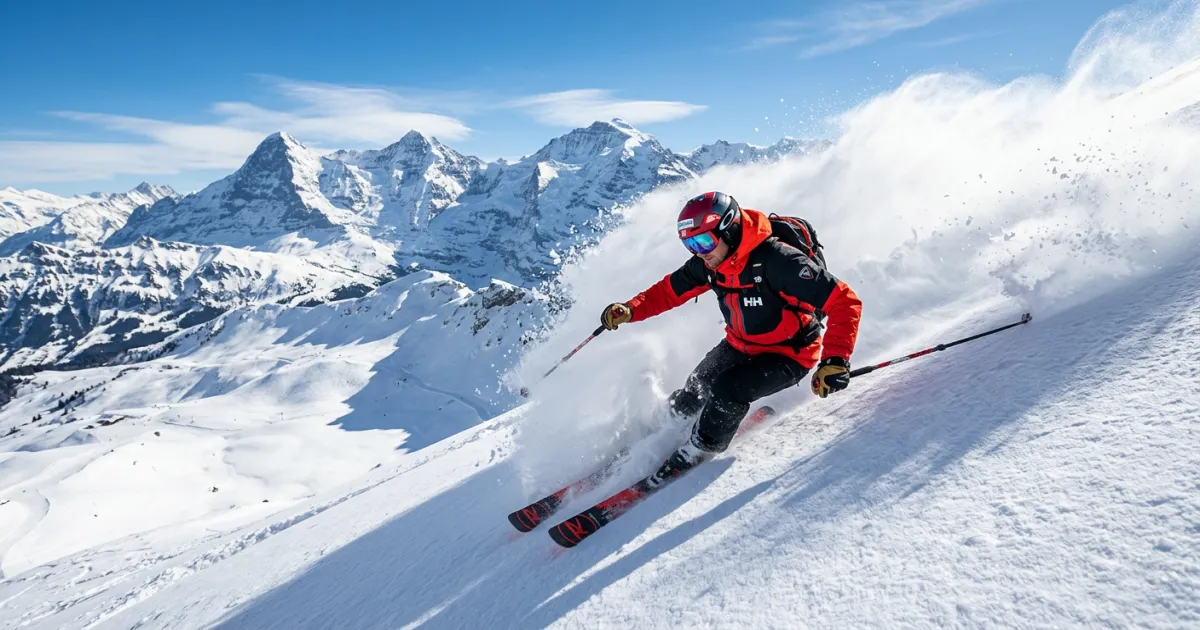
Why Plan Your Ski Trip Early?
A ski trip is one of the most rewarding vacations you can take, but it also involves more planning than your average beach holiday. Between choosing a resort, sorting out lift tickets, renting or buying gear, and booking lessons, there are a lot of moving parts. The good news? With a solid plan, you can avoid overspending, skip the stress, and spend more time actually enjoying the mountain.
Whether you are a first-timer trying to figure out where to start or a seasoned skier looking to optimize your next trip, this guide covers everything you need to know for the 2025/2026 season and beyond. For general trip planning strategies, check out our complete trip planning guide.
Choosing the Right Ski Resort
Match the Resort to Your Skill Level
Ski resorts are not created equal. Some cater to beginners with wide, gentle green runs and well-staffed ski schools. Others are built for experts who want steep chutes and backcountry access. Before you pick a destination, be honest about your skill level and the skill levels of everyone in your group.
For beginners, look for resorts with a high percentage of green and blue terrain, a dedicated learning area separated from faster traffic, and a well-reviewed ski school. Resorts like Breckenridge, Deer Valley, and Keystone in Colorado and Utah are consistently rated among the best for new skiers. Buttermilk in Aspen is another excellent beginner mountain with mellow terrain and smaller crowds.
For intermediate and advanced skiers, terrain variety matters more. You want a mix of groomed blue cruisers, mogul runs, tree skiing, and potentially some expert-only terrain. Vail offers 5,317 skiable acres with terrain for every level, while Jackson Hole in Wyoming is famous for its steep, challenging runs.
East Coast vs West Coast vs Europe
The skiing experience varies dramatically by region:
- East Coast (Vermont, New Hampshire, Maine): Shorter vertical drops, icier conditions, but closer to major population centers and generally cheaper. Stowe and Killington in Vermont offer the best Eastern skiing with reliable snowmaking.
- West Coast and Rocky Mountains (Colorado, Utah, California, Wyoming): Bigger mountains, deeper snow, longer seasons, but higher costs and usually require flying. Utah alone averages over 500 inches of snowfall per year at many resorts.
- Europe (France, Switzerland, Austria, Italy): Massive interconnected ski areas, charming alpine villages, and skiing is deeply woven into the culture. Chamonix, Zermatt, and St. Anton are iconic destinations. If you are considering a Swiss ski trip, our Switzerland travel guide covers the essentials.
Epic Pass vs Ikon Pass
The two mega-passes dominate the ski industry and can save you serious money if you plan to ski multiple days or visit multiple resorts.
Epic Pass (Vail Resorts): For the 2026/2027 season, the full Epic Pass costs $1,089 for adults. Gen Z pricing (ages 13 to 30) drops to $869. The Epic Local Pass for the same age group is $649. Epic Day Passes start as low as $66 per day. The pass covers Vail, Breckenridge, Park City, Whistler Blackcomb, and dozens more resorts worldwide.
Ikon Pass (Alterra Mountain Company): The full Ikon Pass for 2026/2027 is $1,399, up $70 from the previous season. The Ikon Base Pass comes in at $949. Session passes start at $299 for bundled days across multiple mountains. Ikon covers Aspen Snowmass, Jackson Hole, Big Sky, Mammoth, Chamonix, and many more.
If you plan to ski seven or more days in a season, a pass almost always pays for itself compared to buying daily lift tickets, which can exceed $200 to $350 per day at top-tier resorts.
Resort Size and Amenities
Think about what matters beyond the skiing itself. Do you want a walkable village with restaurants and nightlife? Or are you happy driving to a mountain that has great terrain but limited base-area amenities? Park City, for example, has one of the best ski towns in the country with easy access from Salt Lake City (about 45 minutes from the airport). Vail Village is a purpose-built pedestrian village with plenty of dining, shopping, and apres-ski options. Some smaller resorts offer excellent skiing at a fraction of the cost but have limited off-slope activities.
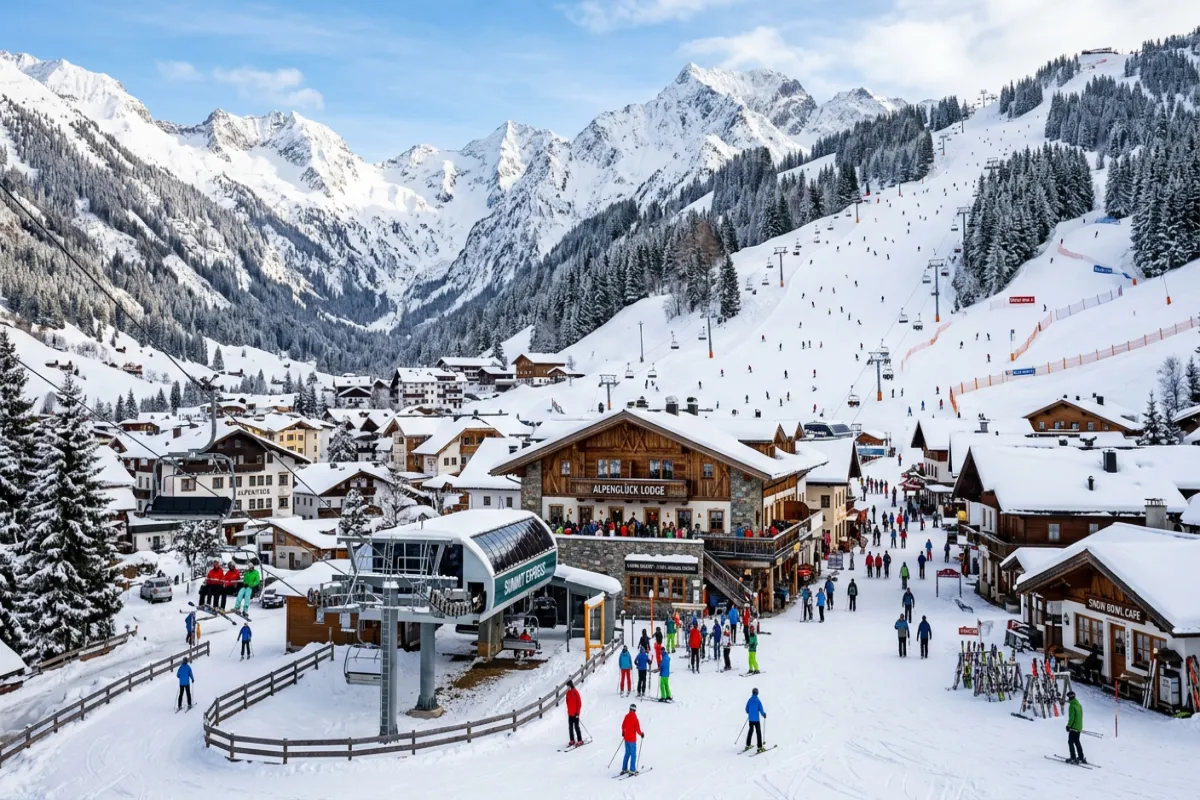
When to Go Skiing
Peak Season: December Through March
The main ski season at most North American resorts runs from late November or early December through mid-April. However, conditions vary significantly within that window:
- Early Season (November to mid-December): Limited terrain, not all lifts open, but lower prices and no crowds. Good if you want to get your legs under you before the rush.
- Holiday Weeks (Christmas, New Year’s, Presidents’ Day): The most expensive and crowded times. Lift ticket prices peak, accommodation rates double or triple, and lift lines can stretch past 20 minutes. Avoid these weeks if budget matters.
- January to February: Generally the best snow conditions, especially in January after the holiday rush clears out (around January 7). This is the sweet spot for quality snow and manageable crowds.
- Spring Skiing (March to April): Warmer temperatures, longer days, and often significant discounts on lodging and lift tickets. Snow can be softer and heavier, but spring conditions can be excellent, especially at higher-elevation resorts. Deals of 30 to 40 percent off are common.
Midweek vs Weekend
If your schedule allows it, skiing midweek (Tuesday through Thursday) can save you 30 to 40 percent on both lift tickets and lodging. Crowds are dramatically lower, lift lines are shorter, and many resorts offer midweek specials. This is one of the single easiest ways to reduce your ski trip budget.
How Long Should Your Ski Trip Be?
For most people, three to five days of actual skiing is the sweet spot. Your legs will be tired, and the mountain will feel fresh each morning. If you are visiting a major destination resort like Vail, Park City, or Whistler, consider a full week to explore the mountain thoroughly and enjoy rest days in between.
First-timers should plan for at least three ski days. The first day will be mostly learning and falling. By day two, you will start to feel more comfortable. By day three, you will actually be skiing and enjoying it. Cutting the trip short after just one or two days often means leaving right when it was about to get fun.
Build in at least one rest day during longer trips. Skiing is physically demanding, and pushing through exhaustion increases your risk of injury. Use rest days to explore the town, hit the spa, or try other winter activities like snowshoeing or ice skating.
Budgeting Your Ski Trip
Skiing is not cheap, but knowing where the money goes helps you control costs. Here is a realistic breakdown of major expenses. For a more detailed approach to travel budgeting, see our travel budget template.
Lift Tickets
Single-day lift tickets at major resorts range from $100 to $250 or more. Premium resorts like Vail and Aspen can exceed $300 per day during peak periods. Budget-friendly mountains and regional resorts typically charge $80 to $150 per day.
Multi-day tickets and season passes offer significant savings. The break-even point for a season pass typically hits early in the winter, often after just five to seven days of skiing.
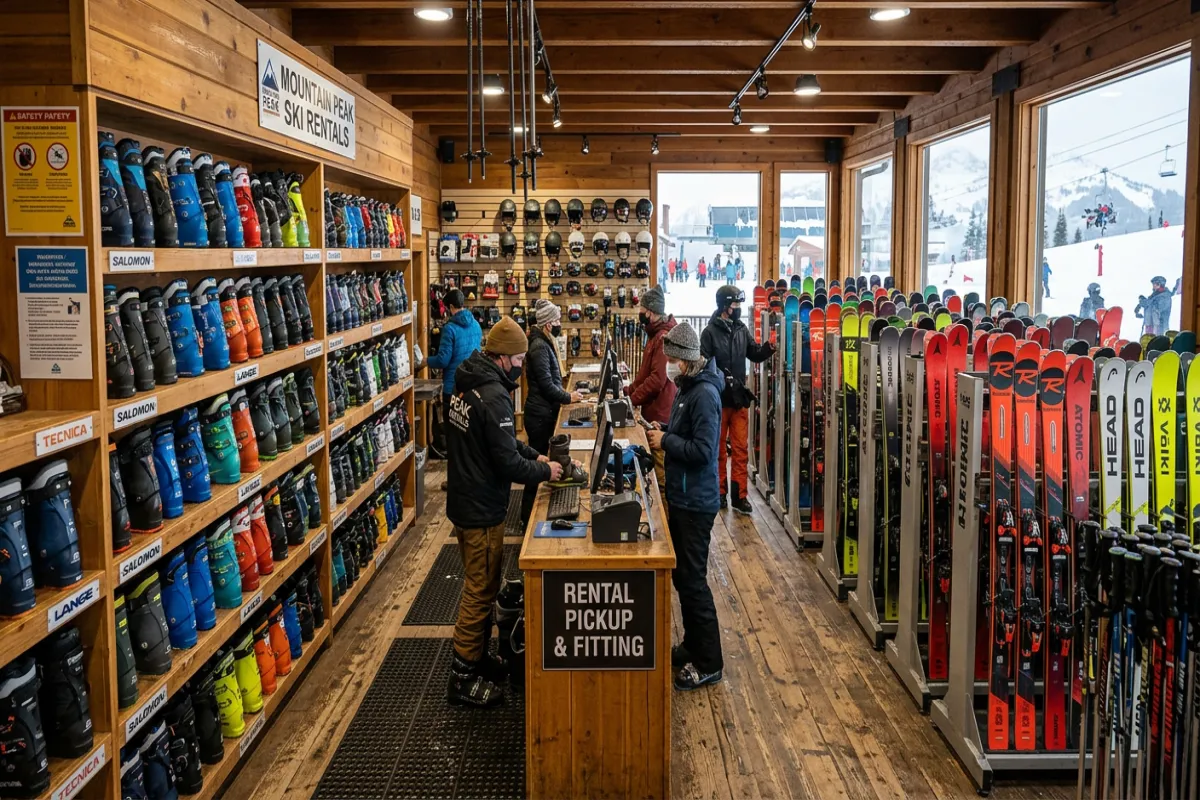
Equipment Rental
A standard ski rental package (skis, boots, and poles) costs $40 to $80 per day depending on the location and quality of equipment. Snowboard packages fall in the same range. Renting from shops in town rather than at the resort base typically saves 25 to 40 percent.
For a full week, expect to pay $280 to $560 per person for rentals. Online pre-booking through sites like Rental Ski often provides an additional 10 to 20 percent discount.
Lodging
Accommodation is usually the biggest single expense. Slopeside hotels and condos at major resorts run $300 to $800 per night during peak season. Staying in a nearby town 15 to 30 minutes from the slopes can cut lodging costs to $100 to $200 per night.
Vacation rentals work especially well for groups. A four-bedroom house or condo split among friends or family can bring per-person costs well below hotel rates, and having a kitchen lets you save on dining.
Lessons
Group lessons typically cost $100 to $200 per session (usually a half day). Private lessons start around $200 and can exceed $600 for a full day at premium resorts. Multi-day lesson packages are almost always cheaper per day than booking individually.
Kids’ ski school programs generally run $150 to $300 per day including equipment, lessons, and supervision. This is worth every penny for the peace of mind and the quality of instruction.
Sample Budget for a 5-Day Ski Trip (per person)
- Lift tickets (5 days with multi-day discount): $400 to $700
- Equipment rental (5 days): $200 to $400
- Lodging (5 nights, mid-range): $500 to $1,200
- Lessons (1 group lesson): $100 to $200
- Food and drinks: $300 to $600
- Transportation (flights or gas): $200 to $500
- Total range: $1,700 to $3,600 per person
Gear: Rent vs Buy
When to Rent
Renting makes sense if you ski fewer than seven days per season, if you are still learning and your preferences are changing, or if you do not want to deal with transporting and storing equipment. Rental shops offer well-maintained gear in a variety of performance levels.
When to Buy
Buying your own equipment becomes cost-effective if you ski seven or more days per season. New ski packages (skis, bindings, boots, and poles) start around $600 for entry-level gear and can reach $2,000 or more for performance equipment. Well-maintained skis retain 30 to 50 percent of their value after three years, so you can recoup some cost when you upgrade.
The Most Important Piece: Boots
If you buy or invest in only one piece of equipment, make it your boots. Properly fitted ski boots are the single most important factor in your comfort and performance on the mountain. Rental boots are generic and rarely fit perfectly. A professional boot fitting at a specialty ski shop takes about an hour and ensures the boots match your foot shape, calf size, and skiing style.
Expect to spend $300 to $600 on quality ski boots. This is not the place to cut corners. Ill-fitting boots cause pain, reduce control, and can ruin an otherwise great trip.
What to Wear: The Layering System
Dressing for skiing is all about layers:
- Base layer: Moisture-wicking synthetic or merino wool long underwear (top and bottom). Avoid cotton, which holds sweat and chills you.
- Mid layer: Fleece or insulated jacket for warmth. Adjust thickness based on temperature.
- Outer layer: Waterproof and breathable ski jacket and pants. Look for sealed seams and ventilation zips.
- Accessories: Ski-specific socks (thin, not thick), gloves or mittens, neck gaiter or balaclava, helmet, and goggles.
Helmets and Goggles
Wearing a helmet is mandatory for safety. Most resorts do not legally require helmets for adults, but the data is clear: helmets reduce the risk of head injury by 35 to 50 percent. Every ski school requires helmets for children, and the vast majority of experienced skiers wear them. Buy or rent one. No exceptions.
Goggles protect your eyes from glare, wind, and snow, and they improve visibility in flat light conditions. Sunglasses work on sunny days but are not a replacement for goggles in variable weather.
Take Lessons (Even If You Think You Do Not Need Them)
This is probably the most underrated advice in skiing. Lessons are not just for beginners. Intermediate skiers who have been self-taught often develop bad habits that limit their progression and increase their injury risk. Even one lesson can dramatically improve your technique and make skiing more enjoyable.
Group vs Private Lessons
Group lessons are great for beginners and lower intermediates. You learn alongside others at your level, and the social element can make the experience less intimidating. Group sizes typically range from 4 to 8 students.
Private lessons are worth the investment if you want accelerated improvement, have specific goals (like learning to ski moguls or powder), or have limited time on the mountain. A half-day private lesson can accomplish what might take two or three group sessions.
Ski School for Kids
If you are traveling with children, enrolling them in ski school is one of the best decisions you can make. Professional instructors know how to teach kids in a way that is fun, safe, and effective. Most programs accept children as young as 3 or 4 years old. The parents get to ski at their own pace, and the kids often come back buzzing with excitement about what they learned.
Where to Stay
Slopeside Luxury
Staying right at the base of the mountain is the ultimate convenience. Walk out of your hotel, click into your skis, and you are on the lift in minutes. No shuttles, no parking hassles, no lugging gear. The tradeoff is price: slopeside accommodations are the most expensive option, often two to three times the cost of lodging just a few miles down the road.
Nearby Town (Budget-Friendly)
Most ski towns have a range of accommodations 10 to 30 minutes from the slopes. Free or low-cost shuttle systems connect many towns to their nearby resorts. For example, the town of Frisco, Colorado, sits between Breckenridge, Keystone, Copper Mountain, and A-Basin, giving you access to four resorts from one affordable base.
Vacation Rentals for Groups
For families or groups of friends, renting a house or large condo is often the most economical choice. You get more space, a full kitchen (cutting your restaurant spending significantly), and common areas for post-skiing hangouts. Platforms like Vrbo and Airbnb have extensive listings in most ski towns.
Skiing vs Snowboarding
Both sports are welcome at the vast majority of resorts (with rare exceptions like Deer Valley and Alta, which are skier-only). If you are deciding between the two, here are some key differences:
- Learning curve: Skiing is generally easier to pick up on day one because having two separate skis feels more natural for balance. Snowboarding has a steeper initial learning curve with more falling, but many people find it clicks faster once you get past the first day or two.
- Terrain preference: Snowboarders tend to gravitate toward terrain parks, powder, and wider groomed runs. Skiers have an easier time on flat sections, cat tracks, and moguls.
- Physical demands: Both are full-body workouts. Snowboarding tends to be harder on the wrists and tailbone (from falls), while skiing puts more stress on the knees.
If you are unsure, try both. Many resorts offer introductory packages for each sport, and you can always switch.
Apres-Ski: Part of the Culture
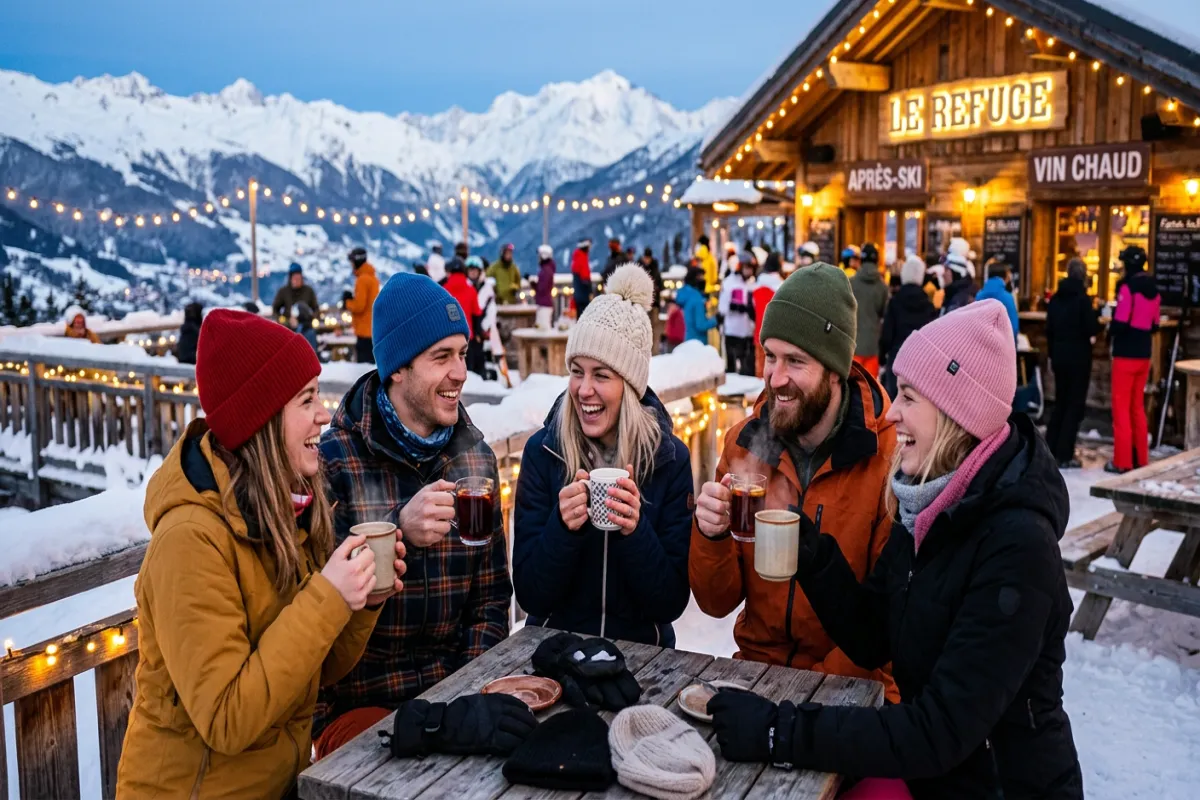
Apres-ski (French for “after skiing”) is the social tradition of unwinding after a day on the mountain. It is as much a part of ski culture as the skiing itself, and it ranges from casual beers at a slopeside bar to lively parties in the village.
Most ski resorts have at least one on-mountain bar or restaurant where you can grab a drink before heading down for the last run. In European resorts, apres-ski is practically an institution, with outdoor bars blasting music while skiers dance in their boots.
In North American resort towns, the apres scene typically moves to bars and restaurants in the village or town. Vail Village, Park City’s Main Street, and Whistler Village all have vibrant nightlife scenes. Budget tip: happy hour specials at mountain bars are common and can save you a lot compared to dinner-hour pricing.
Top Ski Destinations for 2026
Colorado
Vail: 5,317 skiable acres, 195 trails, legendary Back Bowls. Great for all levels. About 2 hours from Denver airport. On the Epic Pass.
Aspen Snowmass: Four mountains in one destination. Buttermilk for beginners, Snowmass for families, Aspen Mountain and Highlands for advanced skiers. On the Ikon Pass.
Breckenridge: The most visited resort in North America. Charming historic town, excellent terrain variety, and high-altitude skiing above 12,000 feet. On the Epic Pass. Our Colorado travel guide has more on planning a trip to the state.
Utah
Park City Mountain: The largest ski resort in the U.S. with 7,300 skiable acres. Just 45 minutes from Salt Lake City airport, making it one of the most convenient destination resorts. On the Epic Pass.
Alta and Snowbird: Known for incredible powder. Alta is skier-only. Both sit in Little Cottonwood Canyon, about 40 minutes from the airport.
California
Lake Tahoe: Home to over a dozen resorts including Palisades Tahoe (formerly Squaw Valley), Heavenly, Northstar, and Kirkwood. The combination of skiing and stunning lake views is unique. Resorts split between Epic and Ikon passes.
Vermont
Stowe: The “Ski Capital of the East” with classic New England charm and solid terrain. On the Epic Pass.
Killington: The largest ski area in the Eastern U.S. with the longest season (often October through May). On the Ikon Pass.
Wyoming
Jackson Hole: One of the most challenging resorts in North America. Corbet’s Couloir is legendary. The town of Jackson offers a genuine Western atmosphere. On the Ikon Pass.
International Destinations
Chamonix, France: At the base of Mont Blanc, Chamonix is a mecca for advanced and expert skiers. The Vallee Blanche is one of the most famous off-piste descents in the world.
Whistler Blackcomb, Canada: The largest ski resort in North America by skiable terrain. Hosted the 2010 Winter Olympics. On the Epic Pass. About 2 hours from Vancouver.
Niseko, Japan: Famous for consistently deep, dry powder snow. The resort areas offer a unique blend of Japanese culture, incredible food, and world-class skiing. Our Japan travel guide covers travel logistics for the country.
Practical Tips for the Mountain
Altitude Affects You
Many ski resorts sit at 8,000 to 12,000 feet of elevation. If you are coming from sea level, altitude sickness is a real possibility. Symptoms include headaches, nausea, fatigue, and shortness of breath. Take it easy on your first day, avoid alcohol the night before skiing, drink plenty of water, and consider arriving a day early to acclimate.
Hydration and Sunscreen
You lose moisture faster at altitude through both breathing and sweating, even when it is cold. Drink water consistently throughout the day, not just at lunch. Carry a water bottle or hydration pack.
Sunburn at altitude is deceptively intense. UV radiation increases by about 10 to 12 percent for every 1,000 meters of elevation gain. Apply SPF 30 or higher to all exposed skin, including under your chin (snow reflects UV rays upward). Reapply at lunch. Lip balm with SPF is essential.
Mountain Etiquette and Safety
- Always yield to the skier below you. The downhill skier has the right of way.
- Do not stop in the middle of a trail or anywhere you are not visible from above.
- Look uphill before merging onto a trail or starting from a stopped position.
- Ski in control at all times. If you cannot stop or avoid people, you are going too fast.
- Observe all posted signs, warnings, and closures. Closed terrain is closed for a reason.
Ski Patrol Is Your Friend
Ski patrol members are trained in mountain rescue, first aid, and avalanche safety. If you see an injured skier, cross your skis in an X shape above them on the trail to warn approaching skiers, and flag down a patrol member or call the patrol directly. Do not try to move an injured person unless they are in immediate danger.
Consider Ski Trip Insurance
Ski injuries can result in significant medical bills, especially if a helicopter evacuation is involved. Travel insurance that covers winter sports activities and medical evacuation is worth considering, particularly for international ski trips where your regular health insurance may not apply.
Ski Trip Planning Checklist
Use this checklist to stay organized as you plan. You can also use our AI travel planner to build a custom itinerary for your ski destination.
3 to 6 Months Before
- Choose your destination and dates
- Decide on Epic Pass, Ikon Pass, or daily lift tickets
- Book flights (if flying)
- Reserve lodging
- Book ski school and lessons (popular times sell out)
1 to 2 Months Before
- Reserve equipment rentals online for discounts
- Check your gear if you own it (tune skis, check bindings)
- Buy or replace any worn clothing layers
- Arrange ground transportation (rental car, shuttle, or transfers)
- Purchase travel insurance if desired
1 Week Before
- Check the weather and snow forecast
- Start hydrating and doing light leg exercises
- Download the resort’s trail map and app
- Confirm all reservations
- Pack according to your layering plan
Day Before Skiing
- Pick up rental equipment and test boot fit
- Familiarize yourself with the resort layout
- Get to bed early and drink water
- Set out your gear for the morning
Free Download: Ski Trip Checklist
A printable ski trip checklist covering ski gear, cold-weather clothing, lift tickets, lodging, and apres-ski essentials.
More free templates at yopki.com/templates
Frequently Asked Questions
How much does a ski trip cost for one person?
A typical 5-day ski trip costs between $1,700 and $3,600 per person, including lift tickets, lodging, equipment rental, food, and transportation. Costs vary significantly based on resort choice, timing, and whether you rent or own gear.
Is it cheaper to buy a season pass or daily lift tickets?
If you plan to ski seven or more days in a season, a season pass (Epic at $1,089 or Ikon at $1,399 for 2026/2027) is almost always cheaper than buying daily tickets, which can run $150 to $350 per day at major resorts.
Should I ski or snowboard for my first time?
Skiing is generally easier to learn on the first day because having two independent skis feels more natural for balance. Snowboarding has a steeper initial learning curve but many people progress quickly after the first couple of sessions. Both are great sports, and most resorts accommodate both equally well.
Do I need lessons if I have been skiing before?
Yes. Even experienced skiers benefit from occasional lessons. Self-taught skiers often develop habits that limit their ability to progress to steeper terrain or variable conditions. One lesson from a certified instructor can make a noticeable difference.
What is the best month to go skiing?
January and February typically offer the best snow conditions and manageable crowds (outside holiday weekends). For deals, March and early April provide spring skiing discounts of 30 to 40 percent at many resorts while still offering good conditions at higher elevations.
Is skiing safe for kids?
Yes, with proper precautions. Enroll children in ski school where they learn from trained instructors in a controlled environment. Always require helmets for kids (and adults). Most resorts have dedicated children’s areas separated from faster skier traffic. Children as young as 3 or 4 can start learning in many ski school programs.
How do I deal with altitude sickness while skiing?
Arrive a day early if possible to acclimate. Stay well hydrated, avoid alcohol for the first day, eat regularly, and take it easy on your first morning. If symptoms persist (severe headache, vomiting, confusion), descend to a lower elevation and seek medical attention.