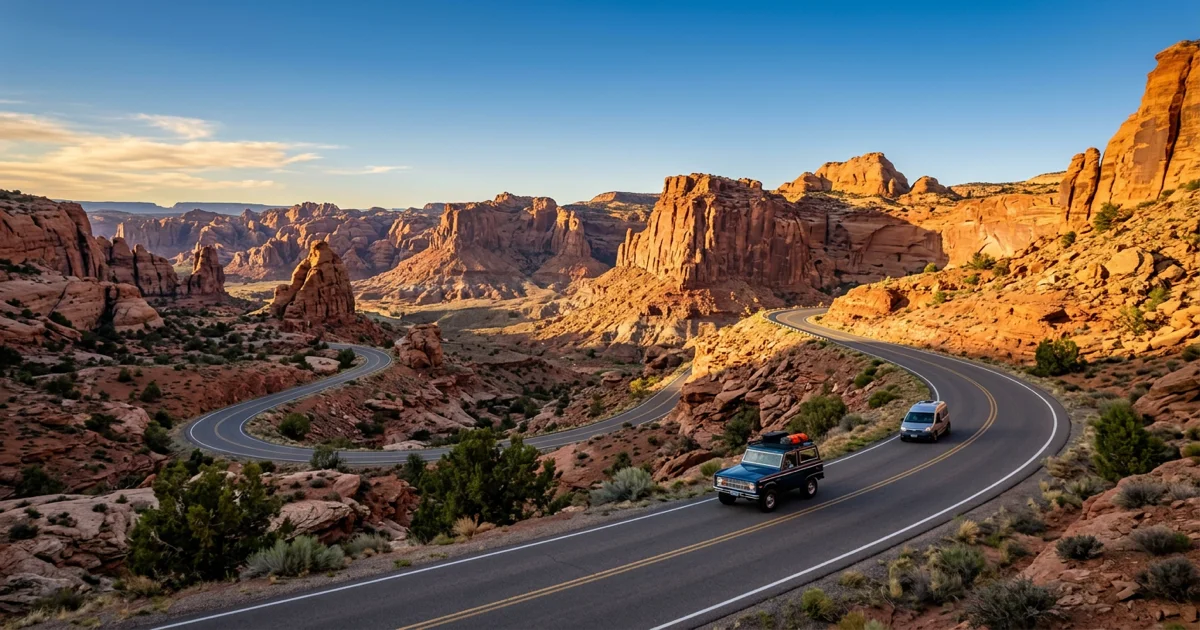
A national park road trip is one of the best ways to experience the United States. With 63 national parks spread across 30 states, the country offers everything from desert canyons and volcanic peaks to ancient forests and glacier-carved valleys. Whether you have a week or a month, a well-planned road trip through America’s national parks will deliver unforgettable scenery, world-class hiking, and memories that last a lifetime.
This guide covers the best national park road trip routes, reservation requirements, budget tips, and a detailed 10-day itinerary for Utah’s Mighty Five to help you plan your trip from start to finish.
Why Take a National Park Road Trip?
The National Park System has been called “America’s Best Idea,” a phrase attributed to writer Wallace Stegner. Since Yellowstone became the world’s first national park in 1872, the system has grown to protect 63 designated national parks and over 400 additional sites including monuments, seashores, and historic landmarks.
A road trip is the ideal way to visit national parks because many of the best parks sit in clusters. You can link together three, four, or five parks into a single route with scenic drives connecting each stop. The diversity is staggering. In a single trip through Utah, you can walk through slot canyons, stand on the rim of a 2,000-foot gorge, and scramble across sandstone arches that took millions of years to form.
National parks also protect some of the last truly wild places in the lower 48 states. Grizzly bears roam Yellowstone and Glacier. Wolves hunt in the Lamar Valley. California condors soar over the Grand Canyon. These are places where you can disconnect from daily life, put your phone away (cell service is limited or nonexistent in most parks), and experience nature on its own terms.
The America the Beautiful Pass
The America the Beautiful Annual Pass is the single smartest purchase for any national park road trip. As of 2026, the pass costs $80 for U.S. residents and covers entrance fees at all 63 national parks plus over 2,000 federal recreation sites managed by the National Park Service, U.S. Forest Service, Bureau of Land Management, Bureau of Reclamation, U.S. Fish and Wildlife Service, and U.S. Army Corps of Engineers.
The pass is valid for 12 months from the date of purchase. It covers entrance fees for the pass holder and all passengers in a single, private vehicle at per-vehicle fee areas. At per-person fee areas, it covers the pass holder plus three additional adults. Children 15 and under enter free.
Most popular parks charge $30 to $35 per vehicle for a seven-day pass. That means the America the Beautiful pass pays for itself after visiting just three parks. If you are hitting five or more parks on a road trip, this pass saves you $70 to $100 or more.
New for 2026: The pass is now available in a fully digital format through Recreation.gov. You can store it on your phone and scan it at park entrances. All passes now also cover entrance for up to two motorcycles at participating sites.
Important for international visitors: The non-resident annual pass costs $250. Additionally, a $100 per-person surcharge applies at 11 of the most visited parks (including Yellowstone, Yosemite, Grand Canyon, Glacier, Zion, and Bryce Canyon) for visitors who are not U.S. citizens or permanent residents.
Best National Park Road Trip Routes
Here are six proven road trip routes, each linking multiple parks into a logical driving loop.
1. Utah’s Mighty Five (7 to 10 Days)
Parks: Zion, Bryce Canyon, Capitol Reef, Arches, Canyonlands
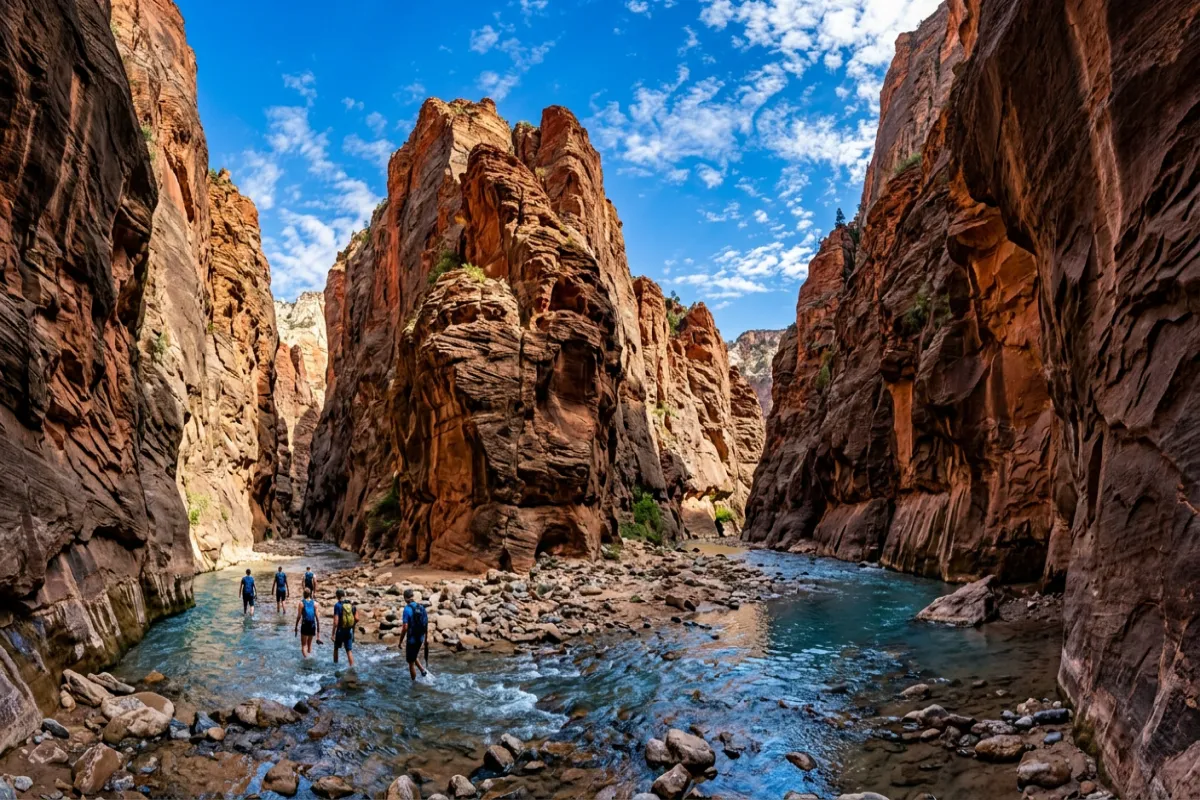
Utah is the only state with five national parks, and they form a natural loop. Start in Las Vegas or Salt Lake City and work your way through some of the most dramatic desert scenery on Earth. Zion’s towering sandstone cliffs and the Narrows hike open the trip. Bryce Canyon’s hoodoo formations are unlike anything else in the park system. Capitol Reef is the quietest of the five and rewards visitors with uncrowded trails and historic orchards. Arches contains over 2,000 natural stone arches including the iconic Delicate Arch. Canyonlands offers vast canyon views from Island in the Sky and rugged backcountry adventures.
Total driving distance: approximately 900 miles in a loop from Las Vegas.
2. California Loop (10 to 14 Days)
Parks: Yosemite, Sequoia, Kings Canyon, Death Valley, Joshua Tree
California has more national parks than any other state. This loop starts in Los Angeles or San Francisco and covers alpine granite, the world’s largest trees, the lowest point in North America, and surreal desert landscapes. Yosemite Valley alone could fill a week, but two to three days lets you see Half Dome, El Capitan, and Yosemite Falls. The General Sherman Tree in Sequoia is the largest living tree on Earth by volume. Death Valley holds the record for the hottest temperature ever recorded on Earth (134 degrees Fahrenheit in 1913). Joshua Tree sits where the Mojave and Colorado deserts meet and is famous for its twisted Joshua trees and world-class rock climbing.
Total driving distance: approximately 1,200 miles in a loop from Los Angeles.
3. Pacific Northwest (7 to 10 Days)
Parks: Olympic, Mount Rainier, Crater Lake, Redwood
The Pacific Northwest route takes you through temperate rainforests, volcanic peaks, the deepest lake in the United States, and groves of the tallest trees on Earth. Olympic National Park alone contains rainforest, alpine meadows, and rugged Pacific coastline. Mount Rainier is an active volcano rising 14,411 feet with extensive wildflower meadows in summer. Crater Lake in Oregon fills a collapsed volcanic caldera and reaches a maximum depth of 1,943 feet, making it the deepest lake in the country. The Redwood parks protect coast redwoods that can exceed 370 feet tall.
Total driving distance: approximately 1,100 miles starting and ending in Seattle.
4. Southwest Circuit (7 to 10 Days)
Parks: Grand Canyon, Petrified Forest, Saguaro, White Sands
This route explores the desert Southwest from Arizona to New Mexico. The Grand Canyon needs no introduction, as its mile-deep, 277-mile-long gorge is one of the most visited natural wonders on the planet. Petrified Forest preserves 200-million-year-old fossilized trees and painted desert badlands. Saguaro National Park near Tucson protects iconic saguaro cacti that can live over 150 years and grow 40 feet tall. White Sands in New Mexico features 275 square miles of brilliant white gypsum sand dunes, the largest gypsum dunefield on Earth.
Total driving distance: approximately 1,300 miles in a loop from Phoenix.
5. Northern Rockies (7 to 10 Days)
Parks: Yellowstone, Grand Teton, Glacier
This is the classic mountain road trip. Yellowstone contains over half of the world’s active geysers, including Old Faithful, plus hot springs, mud pots, and abundant wildlife. Grand Teton sits immediately south of Yellowstone and features a dramatic mountain front rising 7,000 feet above the valley floor with no foothills. Glacier National Park in northern Montana protects over 700 miles of trails, alpine lakes, and the iconic Going-to-the-Sun Road, one of the most scenic drives in North America.
Total driving distance: approximately 800 miles from Bozeman, Montana to Glacier and back.
6. East Coast Highlights (7 to 10 Days)
Parks: Acadia, Shenandoah, Great Smoky Mountains
While most national parks are in the western U.S., the East Coast has outstanding options. Acadia on the coast of Maine offers rocky Atlantic shoreline, Cadillac Mountain (the first place in the U.S. to see sunrise for part of the year), and charming coastal towns. Shenandoah in Virginia features Skyline Drive, a 105-mile scenic road along the crest of the Blue Ridge Mountains. Great Smoky Mountains on the Tennessee-North Carolina border is the most visited national park in the country, with rich biodiversity, old-growth forest, and over 800 miles of trails.
Total driving distance: approximately 1,500 miles from Bar Harbor, Maine to the Smokies.
Planning Essentials: Reservations and Entrance Fees
Planning ahead is critical for a national park road trip in 2026. Here is what you need to know.
Timed Entry Reservations
Several parks have implemented timed entry reservation systems to manage overcrowding during peak season. For 2026, here is the current status:
- Rocky Mountain National Park: Timed entry returns for the 2026 high season from Memorial Day weekend through mid-October. Reservations are required through Recreation.gov.
- Yosemite: No timed entry reservations required for summer 2026.
- Glacier: No advance vehicle reservations required for 2026, though the Going-to-the-Sun Road corridor may still have peak-hour management.
- Arches: No timed entry reservations required for 2026.
- Mount Rainier: Canceled its timed entry reservation system for 2026.
Reservation requirements change from year to year, so always check the specific park’s website on nps.gov before your trip.
Camping Reservations
Popular campgrounds book up fast. Most campgrounds on Recreation.gov open reservations six months in advance on a rolling basis. For example, if you want to camp on August 15, reservations open on February 15 at 10:00 AM Eastern. Set a reminder and be ready to book the moment reservations open, especially for parks like Yosemite, Yellowstone, and Zion.
Lodge Reservations
In-park lodges (like Old Faithful Inn at Yellowstone or The Ahwahnee at Yosemite) book up to 13 months in advance. If lodge stays are part of your plan, book as early as possible.
Entrance Fees
Standard entrance fees at most popular parks range from $30 to $35 per vehicle for a seven-day pass. The America the Beautiful pass eliminates these fees entirely, so grab one before your trip.
Best Time for a National Park Road Trip
The best time depends on which parks you plan to visit.
May through September is peak season for most parks. Roads, campgrounds, and visitor centers are fully open. Weather is generally warm and dry in western parks. This is when you will find the most services, ranger programs, and trail access, but also the biggest crowds.
Shoulder months (April, May, September, October) offer a sweet spot of decent weather and smaller crowds. Spring wildflowers in Death Valley and Joshua Tree are spectacular. Fall colors in the Smokies, Shenandoah, and Acadia draw visitors from across the country.
Year-round parks: Several parks are excellent in winter, including Death Valley (pleasant temperatures), Joshua Tree, Saguaro, and the South Rim of the Grand Canyon. Big Bend in Texas is best visited November through March when desert heat subsides.
Winter closures: High-elevation parks and roads close in winter. Going-to-the-Sun Road in Glacier typically closes by mid-October and reopens in late June or early July. Tioga Road in Yosemite closes from November through May or June. Many campgrounds in Yellowstone close from October through May.
Budget Planning for Your Road Trip
Here is a realistic breakdown of costs for a national park road trip. Use a travel budget template to track your spending.
- America the Beautiful Pass: $80 (covers all entrance fees for 12 months)
- Gas: This is typically your biggest expense. Budget $0.15 to $0.20 per mile depending on your vehicle. A 1,000-mile road trip will cost roughly $150 to $200 in fuel.
- Camping: $15 to $35 per night at developed campgrounds inside national parks. Primitive or dispersed camping on nearby Bureau of Land Management (BLM) or U.S. Forest Service (USFS) land is often free.
- Lodges: $150 to $400 per night for in-park lodges. Gateway town motels and hotels range from $80 to $200 per night.
- Food: Packing your own food saves significant money. Budget $15 to $25 per person per day for grocery-store meals. Park restaurants and gateway town dining run $30 to $60 per person per day.
- Gear: If you already own camping gear, your costs are minimal. Renting a tent and sleeping bags costs $20 to $50 per day from outfitters near popular parks.
Budget estimate for a 10-day road trip for two people camping: approximately $1,200 to $1,800 total (pass, gas, campgrounds, food, and incidentals).
Camping vs. Lodging: Which Is Right for You?
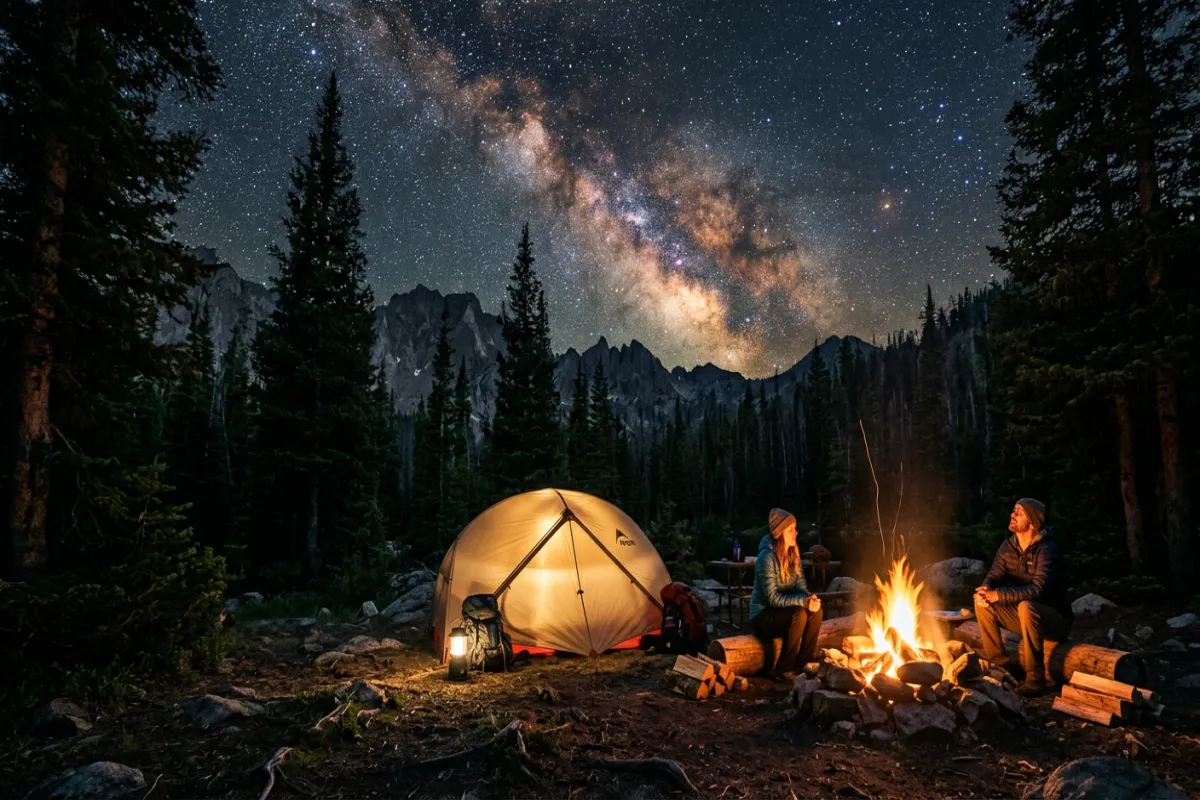
Camping is the classic national park experience. Falling asleep to the sound of a creek, waking up to elk grazing outside your tent, and cooking breakfast over a camp stove is hard to beat. Camping also puts you inside the park, which means shorter drives to trailheads and more time on the trail. If you are new to camping trip planning, start with a developed campground that has restrooms, picnic tables, and fire rings.
In-park lodges offer comfort and convenience but book far in advance and cost significantly more. They are a great option for one or two nights during a longer trip to enjoy a hot shower and a proper bed.
Gateway town motels offer a middle ground. Towns like Springdale (Zion), Moab (Arches and Canyonlands), West Yellowstone, and Tusayan (Grand Canyon) have plentiful lodging options within a short drive of park entrances.
Dispersed camping on BLM and USFS land near national parks is free and legal in most areas. This is a popular option near Moab, outside Zion, and around many western parks. You will need to be self-contained (no facilities), but you save money and often enjoy solitude.
Practical Tips for National Park Road Trips
These tips come from hard-earned experience on the road.
Arrive early or late. Parking lots at popular trailheads fill by 9:00 AM in peak season. Plan to arrive before 8:00 AM or after 4:00 PM. Midday is best spent at less popular trails or scenic drives.
Download offline maps. Cell service is limited or nonexistent in most national parks. Download offline maps on Google Maps or use a dedicated app like AllTrails (with downloaded maps) before you leave service range. A paper atlas is also a smart backup.
Prepare for altitude. Many western parks sit at high elevation. The rim of Bryce Canyon is above 8,000 feet. Trail Ridge Road in Rocky Mountain tops 12,000 feet. Give yourself a day to acclimate if you are coming from sea level, drink plenty of water, and watch for signs of altitude sickness.
Practice bear safety. In parks with bears (Yellowstone, Glacier, Grand Teton, Yosemite, Great Smoky Mountains, and others), store all food in bear-proof containers or lockers. Never approach or feed wildlife. Carry bear spray in grizzly country and know how to use it.
Leave No Trace. Pack out all trash, stay on marked trails, and follow the seven Leave No Trace principles. These parks belong to everyone, and keeping them clean ensures future visitors have the same experience.
Drones are banned. Flying drones is prohibited in all national parks. Violations can result in fines up to $5,000. Leave the drone at home or in the car.
Bring layers. Mountain weather changes fast. A sunny 75-degree afternoon can turn into a 45-degree evening with thunderstorms. Pack layers even in summer, and always carry rain gear on hikes.
Fill your gas tank. Gas stations inside parks are rare. Fill up in gateway towns before entering the park, especially in remote areas like Death Valley, Capitol Reef, and Canyonlands.
Sample 10-Day Utah Mighty Five Itinerary
Use this road trip itinerary template to customize your own version.
Day 1: Arrive in Las Vegas, Drive to Zion (2.5 hours)
Settle into your campground or lodge in Springdale. Take the Pa’rus Trail for an easy evening walk along the Virgin River.
Day 2: Zion National Park
Ride the park shuttle to trailheads. Hike Angels Landing (permit required, apply through Recreation.gov lottery) or the Riverside Walk. Explore the Emerald Pools trails.
Day 3: Zion to Bryce Canyon (1.5 hours)
Morning hike in Zion (Canyon Overlook Trail is a quick, stunning option). Drive to Bryce Canyon in the afternoon. Catch sunset at Sunset Point overlooking the amphitheater of hoodoos.
Day 4: Bryce Canyon National Park
Hike the Navajo Loop and Queens Garden Trail combination, the park’s signature hike that drops you into the hoodoo formations. Drive the 18-mile scenic road to Rainbow Point.
Day 5: Bryce Canyon to Capitol Reef (2.5 hours)
Drive Highway 12, one of America’s most scenic roads, through Grand Staircase-Escalante. Arrive at Capitol Reef and explore the Fruita Historic District and its orchards.
Day 6: Capitol Reef National Park
Drive the scenic road to Capitol Gorge. Hike Hickman Bridge Trail and Cohab Canyon. Capitol Reef is uncrowded and peaceful compared to the other four parks.
Day 7: Capitol Reef to Arches (2.5 hours via I-70)
Drive to Moab. Afternoon visit to Arches National Park. See Balanced Rock, the Windows Section, and Double Arch.
Day 8: Arches National Park
Early morning hike to Delicate Arch (3 miles round trip, allow 2 to 3 hours). Visit the Devils Garden trail for Landscape Arch and other formations. Evening in Moab.
Day 9: Canyonlands National Park (Island in the Sky, 30 minutes from Moab)
Drive to Island in the Sky district. Stop at Grand View Point for one of the most expansive views in the park system. Hike Mesa Arch at sunrise if you can get there early. Walk the Upheaval Dome trail.
Day 10: Return to Las Vegas (5.5 hours) or Salt Lake City (4 hours)
Depart Moab in the morning. Stop at scenic viewpoints along the way. Fly home from your departure city.
Free Download: National Park Tracker Spreadsheet
An Excel spreadsheet to track which national parks you have visited, plan upcoming trips, and log dates, highlights, and notes for each park.
More free templates at yopki.com/templates
Planning Tools
These resources will help you organize your national park road trip:
- Yopki AI Travel Planner: Build a custom road trip itinerary with AI-powered suggestions for routes, stops, and timing.
- Road Trip Itinerary Template: A structured template for mapping out your daily driving, hikes, and campground reservations.
- Travel Budget Template: Track your road trip spending across gas, campgrounds, food, and gear.
- Recreation.gov: Book campgrounds, lodge reservations, timed entry passes, and purchase your America the Beautiful pass.
- NPS.gov: Official park websites with current conditions, trail information, and alerts.
Frequently Asked Questions
How many national parks are there in the United States?
There are 63 designated national parks in the United States, spread across 30 states and two territories. The broader National Park System includes over 400 sites when you count national monuments, historic sites, seashores, and other designations.
How much does it cost to enter a national park?
Most popular parks charge $30 to $35 per vehicle for a seven-day pass. The America the Beautiful Annual Pass costs $80 for U.S. residents and covers all parks for 12 months. Not all parks charge entrance fees, so check before you go.
Do I need reservations to visit national parks in 2026?
It depends on the park. Rocky Mountain National Park requires timed entry reservations during peak season. Yosemite, Glacier, Arches, and Mount Rainier dropped their reservation requirements for 2026. Campground and lodge reservations are separate and highly recommended at all popular parks.
When is the best time to visit national parks?
May through September is peak season with the best weather and full services. September and October offer smaller crowds and pleasant temperatures at most parks. Some parks like Death Valley and Big Bend are best in winter.
Can I bring my dog to national parks?
Dogs are allowed in national parks but are restricted to developed areas, roads, and some paved trails. They are generally not allowed on backcountry trails or in wilderness areas. Always keep dogs on a leash no longer than six feet. Check the specific park’s pet policies before bringing your dog.
Is it safe to camp in national parks?
Yes. National park campgrounds are generally very safe. Follow food storage rules in bear country, lock valuables in your car, and be aware of your surroundings. Weather, wildlife, and trail conditions are bigger safety factors than crime.
How far in advance should I book campgrounds?
Book six months in advance for popular campgrounds. Reservations open on a rolling basis at Recreation.gov. Some campgrounds hold first-come, first-served sites, but during peak season these can fill by early morning.
Start planning your national park road trip today with the Yopki AI Travel Planner, and use our complete trip planning guide to organize every detail from budget to packing list.